 Rachel Sanders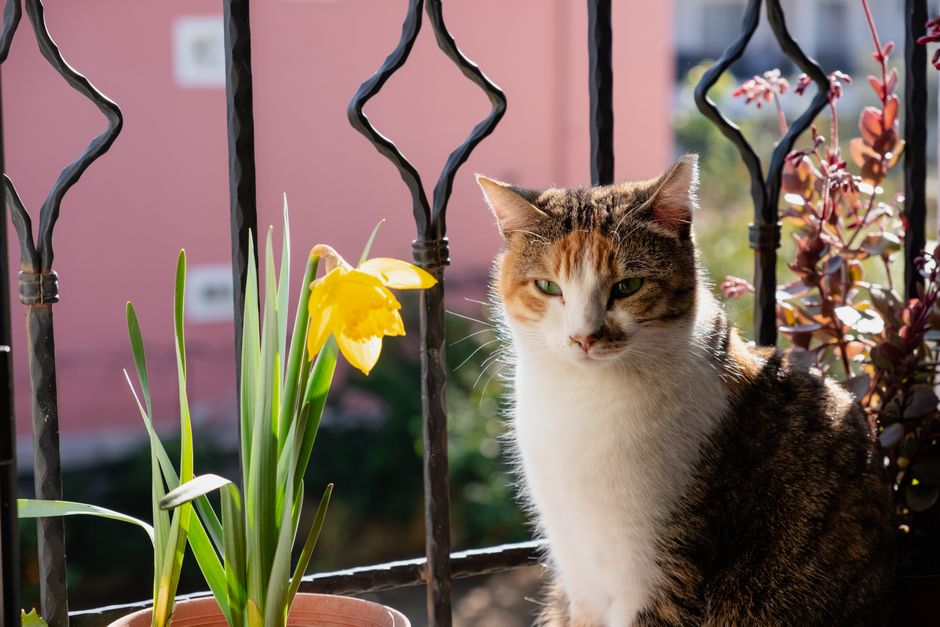
Twelve years ago, I watched a cat owner rush through our clinic doors with her two-year-old tabby, Oliver, cradled in her arms. She’d come home from work and found him vomiting next to a knocked-over Easter lily arrangement. She’d assumed he’d just eaten too much, maybe gotten into the trash. She had no idea she was looking at a kidney failure emergency.
Oliver made it. Barely. He spent four days on IV fluids, and his owner, who clearly adored him, kept asking me the same question: “Why didn’t anyone tell me lilies were this dangerous?” I didn’t have a good answer for her. So consider this mine.
Here’s what you need to know before we go any further: true lilies (genus Lilium and Hemerocallis) are among the most acutely toxic plants for cats on the planet. Not “might cause an upset stomach” toxic. We’re talking complete kidney failure within 24 to 72 hours if untreated. The scary part is that the toxic mechanism isn’t even fully understood yet, which is part of why this keeps catching people off guard.
- True lilies (Lilium and Hemerocallis species) cause acute kidney failure in cats, often fatal without treatment within 72 hours.
- Even small exposures, a few petals, a leaf, pollen licked off fur, can be enough to trigger toxicity.
- Treatment works best if started within 6 hours of exposure; after 18+ hours, prognosis drops sharply.
- Peace lilies and calla lilies are toxic but cause different, less severe reactions (mouth irritation, GI upset).
- Dogs are NOT affected by lily nephrotoxicity, this is a cat-specific vulnerability.
Which Lilies Are Actually Dangerous
This is where a lot of people (myself included, early in my career) get confused, because “lily” is used loosely for a huge range of plants. Not all of them carry the same risk.
The truly terrifying ones are in the Lilium and Hemerocallis genera. That covers Easter lilies, tiger lilies, Asiatic lilies, Japanese show lilies, daylilies, and rubrum lilies. These are the ones responsible for acute kidney failure. According to PetMD’s veterinary resource library, even the pollen falling on a cat’s coat and getting groomed off can be enough to trigger toxicity. A cat doesn’t need to eat a whole flower. Two or three petals. A leaf. Pollen on their whiskers.
Then there’s a second category that causes real problems, just different ones: peace lilies (Spathiphyllum) and calla lilies (Zantedeschia). These contain insoluble calcium oxalate crystals, which cause intense oral irritation, drooling, pawing at the mouth, and vomiting. Horrible for your cat, and definitely worth a vet call, but they don’t destroy kidneys. Same goes for lily of the valley (Convallaria majalis), which is its own special nightmare because it’s cardiotoxic.
And then there are plants with “lily” in the name that aren’t true lilies at all. Daylilies, confusingly, fall back into the deadly Hemerocallis category, so don’t let the casual name fool you.
| Plant Name | Genus | Kidney Toxic? | Primary Concern |
|---|---|---|---|
| Easter lily | Lilium longiflorum | Yes | Acute renal failure |
| Tiger lily | Lilium lancifolium | Yes | Acute renal failure |
| Asiatic lily | Lilium spp. | Yes | Acute renal failure |
| Daylily | Hemerocallis spp. | Yes | Acute renal failure |
| Japanese show lily | Lilium speciosum | Yes | Acute renal failure |
| Peace lily | Spathiphyllum spp. | No | Oral irritation, GI upset |
| Calla lily | Zantedeschia spp. | No | Oral irritation, GI upset |
| Lily of the valley | Convallaria majalis | No | Cardiac arrhythmia |
What Kidney Failure Actually Looks Like
Helpful resource: Purina Pro Plan Veterinary Supplements FortiFlora Probiotic is a top-rated option for this. (As an Amazon Associate this site earns from qualifying purchases.)
The progression is deceptive, and that’s what makes lily toxicity so dangerous.
In the first hour or two after ingestion, you might see vomiting, drooling, and lethargy. Then, for a few hours, a lot of cats seem to recover. They perk back up. They want to eat. Owners relax. This is the window where I’ve seen people lose their cats, because they assumed the crisis had passed.
It hadn’t. The kidneys are failing quietly behind the scenes.
By 24 to 48 hours, cats typically stop urinating or urinate excessively, become profoundly weak, refuse food, and may seizure. By 72 hours without treatment, many will be in complete renal shutdown. The kidneys don’t regenerate the way some other organs do. Permanent damage is common even in cats who survive.
Scenario 1: Cat chews on Easter lily, owner sees vomiting and brings cat in within two hours. IV fluid diuresis started immediately. Cat discharged on day three with kidney values back to baseline. Full recovery.
Scenario 2: Cat eats tiger lily leaves, owner waits 36 hours because “she seemed fine this morning.” Creatinine on bloodwork at 8.9 mg/dL (normal is under 2.4). Three days of intensive care. Partial kidney function remaining. Cat survives but needs dietary management for life.
Scenario 3: Cat found collapsed 48+ hours after suspected lily ingestion. No urination for 24 hours. Despite aggressive treatment, cat humanely euthanized on day two. Owner had no idea the plant was in a gift arrangement.
I tell you these not to scare you, but because the single variable that determined outcome in all three was time.
What To Do If Your Cat Was Exposed
Don’t wait for symptoms. That’s the most important sentence in this article.
If you know or even suspect your cat ate any part of a true lily, call your vet or an emergency animal hospital immediately. You can also call the ASPCA Animal Poison Control Center at (888) 426-4435, though as of August 2026, there’s a consultation fee around $95 per call. That $95 has saved a lot of cats. It’s worth it.
If you can get to a vet within one to two hours of ingestion, induced vomiting and activated charcoal can help limit absorption. After about four hours, the window for that approach narrows significantly. After 18 hours, the conversation shifts from prevention to trying to support kidney function through aggressive IV fluids.
What to bring with you: a photo of the plant, the pot or tag if you have it, and any packaging from an arrangement. Florists sometimes include plant ID cards. If your cat has vomited, don’t clean it up before heading out. I know that sounds gross. But sometimes we can identify plant material in the sample, and that information matters.
Your vet will likely run a full chemistry panel to check kidney values, start IV fluid therapy, and monitor urine output closely. Hospitalization for 48 to 72 hours is standard. AAHA hospital accreditation standards include specific protocols for toxin exposure, so an AAHA-accredited clinic will have a systematic approach in place for exactly this situation.
The Pollen Problem Nobody Talks About
Here’s something that trips people up constantly. You don’t have to own lilies to have this problem.
Cut flowers are the bigger risk vector than houseplants, because people receive lily arrangements as gifts without knowing what’s in them. Florists use Asiatic and Oriental lilies constantly because they’re gorgeous, long-lasting, and cheap wholesale. An arrangement that looks like it’s “just flowers” might contain three or four varieties of Lilium mixed in with roses and filler.
I’ve seen cats get toxicity from rubbing against vase arrangements. The pollen is loose, it transfers onto fur, and then the cat grooms. That’s a complete exposure pathway from a plant the cat never directly chewed.
If you receive flowers, check them against the table above before bringing them inside. If you’re not sure what’s in an arrangement, keep the cat out of that room entirely until you can identify each stem. It takes two minutes with a phone camera and a quick image search.
Sources
- ASPCA Animal Poison Control Center: Searchable toxic plant database and 24/7 poison hotline; primary reference for lily toxicity classifications.
- PetMD Veterinary Resource Library: Peer-reviewed species-specific toxicity profiles, including Lilium nephrotoxicity mechanisms.
- AAHA (American Animal Hospital Association): Hospital accreditation standards and clinical protocols for toxin exposure and emergency care.
- Fitzgerald, K.T. (Journal of Veterinary Emergency and Critical Care, 2010): “Lily Toxicity in the Cat” – one of the more cited clinical reviews on the nephrotoxic mechanism and treatment windows.
- Cornell University College of Veterinary Medicine: Plant toxicity resources and general feline nephrology references.
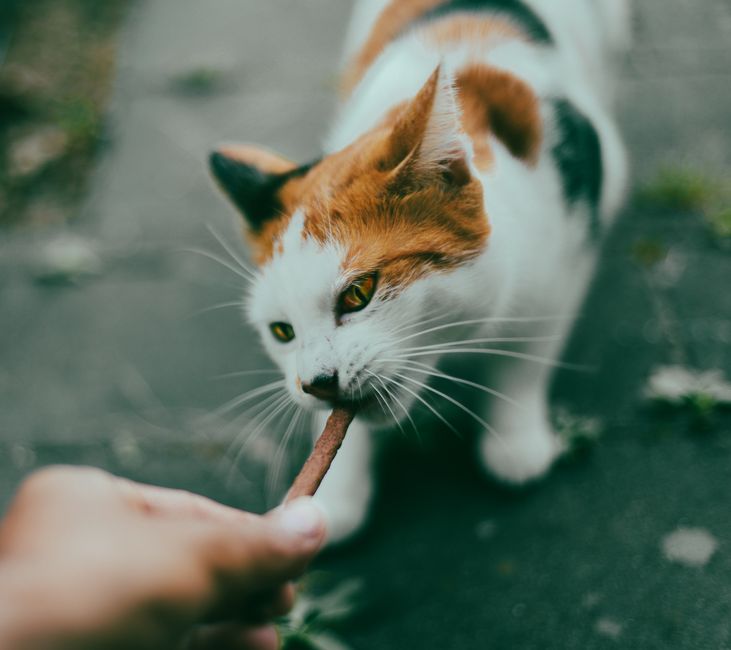
Photo: Birkant Cakar via Pexels
This article is for general informational purposes only and does not constitute veterinary advice. Pet health symptoms can have many causes and require professional evaluation. Always consult a licensed veterinarian for diagnosis and treatment specific to your pet.
Recommended Resources
Disclosure: As an Amazon Associate, we earn a small commission from qualifying purchases at no extra cost to you. We only recommend products that genuinely support the topics covered in this article.
- EVERLIT 95-Piece Vet-Approved Pet First Aid Kit (~$32), Vet-approved 95-piece kit for dogs and cats, covers cuts, burns, sprains, and emergencies until you can reach a vet.
- Nutramax Cosequin DS Joint Supplement for Dogs (132ct) (~$36), The #1 veterinarian-recommended joint supplement brand, clinically studied for reducing joint pain in dogs.