 Rachel Sanders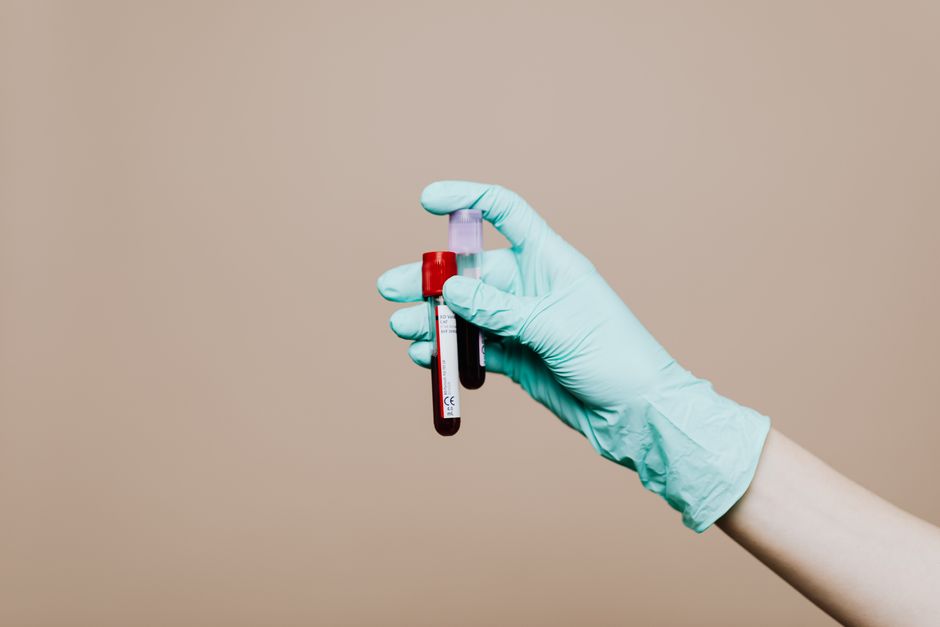
Your dog just had their annual exam, and the vet mentioned it’s time for blood work. Or maybe your pup is sick, and the vet wants to run a panel before deciding on treatment. Either way, you’re staring at an invoice with terms like “CBC” and “chemistry panel” and wondering what any of it actually means, whether it’s really necessary, and what happens if the results come back abnormal.
You’re not alone. I’ve watched that exact expression cross countless pet owners’ faces over the years, and it’s always the same mix of worry and wanting to understand.
Dog blood work isn’t that hard to understand once someone walks you through it.
What Blood Work Actually Measures (And Why It Matters)
Blood work is one of the most powerful diagnostic tools in veterinary medicine because blood touches every system in your dog’s body. It can reveal problems in the kidneys, liver, pancreas, thyroid, immune system, and bone marrow, often before your dog shows any symptoms at all.
Most routine blood panels are made up of two main components: a complete blood count (CBC) and a biochemistry panel (also called a chem panel or metabolic panel). These two tests together give your vet a remarkably complete picture of what’s happening internally.
The CBC looks at the cellular components of blood:
- Red blood cells (RBCs): These carry oxygen. Low numbers can indicate anemia; elevated numbers can suggest dehydration.
- White blood cells (WBCs): These are your dog’s immune soldiers. High counts often signal infection or inflammation. Low counts can indicate a suppressed immune system or certain viral diseases.
- Platelets: Responsible for clotting. Dangerously low platelets can cause uncontrolled bleeding.
The biochemistry panel looks at what’s dissolved in the blood, which reflects organ function:
- BUN (blood urea nitrogen) and creatinine: Kidney markers. Elevated levels can indicate the kidneys aren’t filtering waste properly.
- ALT and ALP: Liver enzymes. Spikes in these can point to liver inflammation, disease, or certain medications stressing the liver.
- Glucose: Blood sugar. Important for diagnosing diabetes or hypoglycemia.
- Total protein and albumin: Reflect nutritional status and liver function, among other things.
Some panels also include electrolytes like sodium, potassium, and chloride, which matter a lot for dogs that are vomiting, have heart conditions, or are on certain medications.
When Vets Recommend Blood Work (And Why They’re Not Just Upselling You)
Helpful resource: Thundershirt Classic Dog Anxiety Jacket is a top-rated option for this. (As an Amazon Associate this site earns from qualifying purchases.)
I get this concern all the time, and it’s fair to ask. Here’s what I tell people: blood work recommendations aren’t random.
Your vet will likely recommend blood work in a few key situations. Pre-anesthetic screening is one of the most important. Before any surgery, including a routine spay or neuter, blood work checks that your dog’s liver and kidneys can process anesthesia safely. Skipping this step is a real risk, not a formality.
Annual wellness panels are commonly recommended for dogs 7 years and older. Dogs age faster than humans, and internal changes can happen quickly. The American Veterinary Medical Association (AVMA) supports routine wellness testing for senior pets because early detection genuinely changes outcomes.
Blood work is also essential when a dog is sick and the symptoms aren’t specific. Lethargy, weight loss, increased thirst, vomiting: any of these can have a dozen different causes. Blood work helps your vet rule out or confirm possibilities quickly instead of guessing.
Finally, if your dog is on long-term medication (phenobarbital for seizures, NSAIDs for arthritis, thyroid meds), regular monitoring protects them from organ damage that can quietly develop over time.
Understanding Abnormal Results: What “Out of Range” Actually Means
This is where a lot of pet owners spiral into panic, and I want to slow that down.
Reference ranges on a blood panel are population averages. They represent the middle 95% of healthy dogs tested. That means 5% of completely healthy dogs will fall outside the normal range on any given test, by pure statistical chance alone. One mildly elevated value isn’t a diagnosis.
Context matters enormously. A slightly elevated ALT in a dog who just ate a fatty meal is very different from a severely elevated ALT in a dog showing jaundice and not eating. Your vet isn’t withholding information when they say “let’s recheck this in a few weeks.” That’s often genuinely good medicine.
Some abnormalities do need immediate attention. Severely low platelets, a critically elevated creatinine, a glucose reading that’s dangerously low or off the charts: these warrant urgent action. PetMD’s veterinary resource library has solid breakdowns of individual markers if you want to read further, but always interpret those details with your vet’s guidance, not instead of it.
How to Prepare Your Dog for Blood Work
Getting clean, reliable results requires a little prep on your end.
Step-by-step for a routine blood draw:
- Fast your dog for 8 to 12 hours beforehand if your vet has recommended it. Eating can temporarily elevate glucose and triglyceride levels, which throws off certain results. Water is usually fine.
- Keep the morning calm. Intense exercise or stress before a blood draw can cause a temporary spike in certain white blood cell counts. A short, low-key walk is fine.
- Bring any current medications to the appointment or make a list. Some drugs directly affect blood values, and your vet needs to know.
- Tell your vet about any supplements your dog takes, including fish oil, joint supplements, or herbal products. Some affect clotting and liver markers.
- Let the staff know if your dog is anxious. A dog who fights the blood draw can actually affect results through stress hormones. Many clinics have low-stress handling options.
If your dog is on joint support or you’re considering starting them on something, check with your vet first. Good quality joint supplements for dogs can make a real difference for aging dogs, but some ingredients are worth flagging before a blood panel. (This site may earn a commission from qualifying purchases.)
A Quick Comparison: Routine Panel vs. Comprehensive Panel
| Feature | Basic Wellness Panel | Comprehensive Panel |
|---|---|---|
| Includes CBC | Yes | Yes |
| Basic organ markers | Yes | Yes |
| Electrolytes | Sometimes | Yes |
| Thyroid (T4) | No | Often included |
| Urinalysis add-on | Rarely | Frequently recommended |
| Best for | Young, healthy dogs | Senior dogs, sick dogs, pre-surgical |
The difference in what gets tested matters. For a healthy 3-year-old with no symptoms, a basic panel is reasonable. For a 10-year-old Labrador slowing down, a comprehensive panel with thyroid and urinalysis gives you a much fuller picture.
Blood work isn’t something to dread. It’s one of the kindest things you can do for a dog who can’t tell you something’s wrong. The results give your vet, and you, the information to catch problems early, make smarter decisions, and sometimes prevent a crisis entirely. If you’re unsure about anything your vet has recommended or any result you’ve received, ask for clarification. Ask again if you need to. Don’t leave the appointment more confused than when you walked in. You’re your dog’s advocate. That’s exactly as it should be.
This article is for general informational purposes only and does not constitute veterinary advice. Pet health symptoms can have many causes and require professional evaluation. Always consult a licensed veterinarian for diagnosis and treatment specific to your pet.
Sources
- Thundershirt Classic Dog Anxiety Jacket
- American Veterinary Medical Association (AVMA)
- PetMD’s veterinary resource library
- joint supplements for dogs
- FRONTLINE Plus Flea and Tick Treatment for Dogs
Disclosure: As an Amazon Associate, we earn a small commission from qualifying purchases at no extra cost to you. We only recommend products that genuinely support the topics covered in this article.
- EVERLIT 95-Piece Vet-Approved Pet First Aid Kit (~$32), Vet-approved 95-piece kit for dogs and cats, covers cuts, burns, sprains, and emergencies until you can reach a vet.
- Nutramax Cosequin DS Joint Supplement for Dogs (132ct) (~$36), The #1 veterinarian-recommended joint supplement brand, clinically studied for reducing joint pain in dogs.
Recommended Resources
Disclosure: As an Amazon Associate, we earn a small commission from qualifying purchases at no extra cost to you. We only recommend products that genuinely support the topics covered in this article.
- EVERLIT 95-Piece Vet-Approved Pet First Aid Kit (~$32), Vet-approved 95-piece kit for dogs and cats, covers cuts, burns, sprains, and emergencies until you can reach a vet.
- Nutramax Cosequin DS Joint Supplement for Dogs (132ct) (~$36), The #1 veterinarian-recommended joint supplement brand, clinically studied for reducing joint pain in dogs.