 Michelle Chen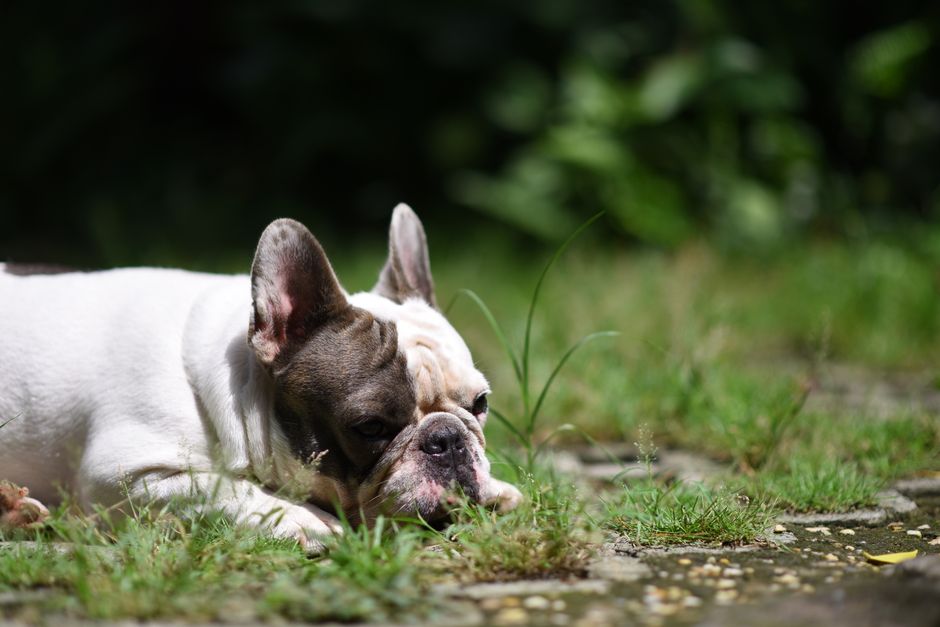
Your bulldog is snoring so loudly you can hear him from the kitchen. Your pug is gagging after a quick walk around the block. Maybe you’ve just adopted a French Bulldog puppy and a friend, probably trying to be helpful, mentioned something about “brachycephalic syndrome” and now you’re falling down a rabbit hole at 11pm wondering if your new dog is going to be okay.
Here’s what I tell people in that situation: the information online is either too alarming or too dismissive, and neither extreme actually helps you take care of your dog. So let’s talk through this honestly.
What “Brachycephalic” Actually Means for Your Dog’s Daily Life
The word just means “short-headed.” Bulldogs, French Bulldogs, Pugs, Boston Terriers, Shih Tzus, Boxers, Cavalier King Charles Spaniels, the breeds we’ve selectively shaped to have flattened faces, are all brachycephalic. The problem is that we compressed the skull but not all the soft tissue inside it. So a Pug still has roughly the same amount of tissue in its airway as a longer-snouted dog. Somewhere between the anatomy and the breeding goals, something had to give.
What that means practically: many of these dogs have some combination of narrowed nostrils (stenotic nares), an elongated soft palate that flops into the airway, a narrowed trachea, and in more severe cases, tissue that literally collapses inward when they inhale. These aren’t separate diseases. They’re features of the same structural reality, and they tend to get lumped together under the term Brachycephalic Obstructive Airway Syndrome, or BOAS.
Not every flat-faced dog has severe BOAS. I want to be clear about that. Some Frenchies live comfortable lives with only mild symptoms. Others are genuinely struggling from puppyhood. The variation is real, and it matters for how you respond.
The Symptoms Worth Watching, and the Ones Worth Worrying About
Helpful resource: Purina Pro Plan Veterinary Supplements FortiFlora Probiotic is a top-rated option for this. (As an Amazon Associate this site earns from qualifying purchases.)
Snoring and snuffling in a brachycephalic dog isn’t automatically a crisis. It often isn’t. But there’s a difference between “he’s loud when he sleeps” and “she turns blue after running to the back door.”
Signs that are worth monitoring but not necessarily urgent:
- Loud breathing at rest
- Snoring during sleep
- Mild exercise intolerance (slows down faster than other dogs on a walk)
- Occasional reverse sneezing or gagging after eating quickly
- Noisy breathing when excited
Signs that need a vet call, soon:
- Open-mouth breathing at rest (dogs are obligate nose breathers; this is their body compensating)
- Blue or purple gums or tongue, even briefly
- Fainting or collapsing
- Retching or gagging frequently, not just occasionally
- Breathing that sounds like a honk or a wheeze that’s getting worse over weeks
- Significant distress in heat or humidity that doesn’t resolve quickly in a cool environment
Heat is the one I want to spend a minute on because people consistently underestimate it. Brachycephalic dogs cannot regulate their body temperature as efficiently as longer-snouted dogs because panting, which is how dogs cool themselves, requires moving air through the upper airway fast. When that airway is already compromised, panting is less effective. A Labrador who’s fine on a 90-degree afternoon can overheat, sure. A Pug or a Bulldog can overheat on a 75-degree afternoon if they’re exercising. Every summer I think about how many flat-faced dogs end up in emergency clinics because their owners didn’t realize the threshold was so much lower.
The Gastrointestinal Piece That Often Gets Overlooked
Here’s something a lot of people don’t know: BOAS and GI problems travel together. Dogs who are working hard to breathe swallow a lot of air. That air has to go somewhere. The result is a higher rate of gastroesophageal reflux, regurgitation, and what vets call “esophageal dysmotility” in brachycephalic breeds.
If your French Bulldog vomits bile in the morning on an empty stomach, or brings up undigested food an hour after eating, the breathing anatomy is a likely contributor. It’s not just a coincidence, and it’s not just “Frenchies are like that.” It’s a connected system. I’ve talked to clients who were managing their dog’s GI symptoms for a year before anyone connected the dots to the airway.
This is also why feeding practices matter. Small, frequent meals. Slow feeder bowls or puzzle feeders (a good lick mat works well too, and options like this on Amazon are inexpensive, note the site may earn a commission). Keeping the dog calm for 30 minutes post-meal. None of this replaces addressing the underlying anatomy, but it makes daily life more comfortable.
When Surgery Is Actually the Right Answer
This is where I’ll take a stance that sometimes surprises people: corrective airway surgery for moderate to severe BOAS is, in my experience and based on the veterinary literature, genuinely underutilized. A lot of owners hesitate because the dog seems “okay,” or because surgery sounds scary, or because someone told them the dog would grow out of it. (They don’t grow out of it. The anatomy doesn’t change.)
The procedures involved, which typically include widening stenotic nares, shortening the soft palate, and sometimes removing excess tissue in the larynx, are most effective when done early. Dogs who have the surgery before significant secondary changes develop in the larynx have meaningfully better outcomes. A dog who’s been struggling for years with a compromised airway develops secondary problems like laryngeal collapse that are harder to fix. Timing matters.
The AAHA hospital accreditation standards include monitoring and anesthesia protocols, and this is relevant here because brachycephalic dogs carry higher anesthetic risk. If your dog needs any surgery, even an unrelated one like a spay or neuter, make sure your vet knows the breed and is prepared accordingly. Intubation and recovery monitoring for flat-faced dogs requires specific attention.
Cost varies enormously by region, hospital, and which procedures are needed. Get a detailed estimate and ask what’s included in the monitoring during recovery. It’s a fair question.
The Skin and Eye Problems That Come With the Territory
The face folds that make bulldogs and Shar-Peis look impossibly endearing are also skin problems waiting to happen. Moisture and debris accumulate in those folds, and without regular cleaning, you get bacterial and yeast infections, redness, and odor. Daily fold cleaning with a gentle wipe (I like unscented baby wipes or Vetericyn-soaked cotton pads) is the actual standard of care here, not a nice-to-have.
Eyes are the other big one. The shallow eye sockets that go with a flat face mean the eyeballs are more prominent and more exposed. Corneal ulcers are much more common in Pugs, Bulldogs, and Shih Tzus than in the general dog population. Any eye cloudiness, squinting, discharge, or pawing at the face deserves a same-week vet visit at minimum. Corneal ulcers can progress fast.
If you ever see a Pug’s eye bulge outward or look like it’s coming out of the socket, that’s called proptosis and it’s an immediate emergency. Go straight to an emergency vet. Don’t wait.
Toxin Awareness
One more angle worth mentioning: because brachycephalic dogs are already working harder to breathe, any additional respiratory insult, including toxic exposures, hits them harder. The ASPCA Animal Poison Control Center fields calls 24/7 and their number is (888) 426-4435. Keep it in your phone. Flat-faced dogs who inhale cleaning product fumes, essential oils diffused in enclosed rooms, or even secondhand smoke can deteriorate faster than you’d expect.
This article is for general informational purposes only and does not constitute veterinary advice. Pet health symptoms can have many causes and require professional evaluation. Always consult a licensed veterinarian for diagnosis and treatment specific to your pet.
Sources
- Purina Pro Plan Veterinary Supplements FortiFlora Probiotic
- options like this on Amazon
- AAHA hospital accreditation standards
- ASPCA Animal Poison Control Center
- Arm & Hammer Dog Dental Spray, No Brush Needed
Disclosure: As an Amazon Associate, we earn a small commission from qualifying purchases at no extra cost to you. We only recommend products that genuinely support the topics covered in this article.
- EVERLIT 95-Piece Vet-Approved Pet First Aid Kit (~$32), Vet-approved 95-piece kit for dogs and cats, covers cuts, burns, sprains, and emergencies until you can reach a vet.
- Nutramax Cosequin DS Joint Supplement for Dogs (132ct) (~$36), The #1 veterinarian-recommended joint supplement brand, clinically studied for reducing joint pain in dogs.
Recommended Resources
Disclosure: As an Amazon Associate, we earn a small commission from qualifying purchases at no extra cost to you. We only recommend products that genuinely support the topics covered in this article.
- EVERLIT 95-Piece Vet-Approved Pet First Aid Kit (~$32), Vet-approved 95-piece kit for dogs and cats, covers cuts, burns, sprains, and emergencies until you can reach a vet.
- Nutramax Cosequin DS Joint Supplement for Dogs (132ct) (~$36), The #1 veterinarian-recommended joint supplement brand, clinically studied for reducing joint pain in dogs.