 Dr. Amanda Foster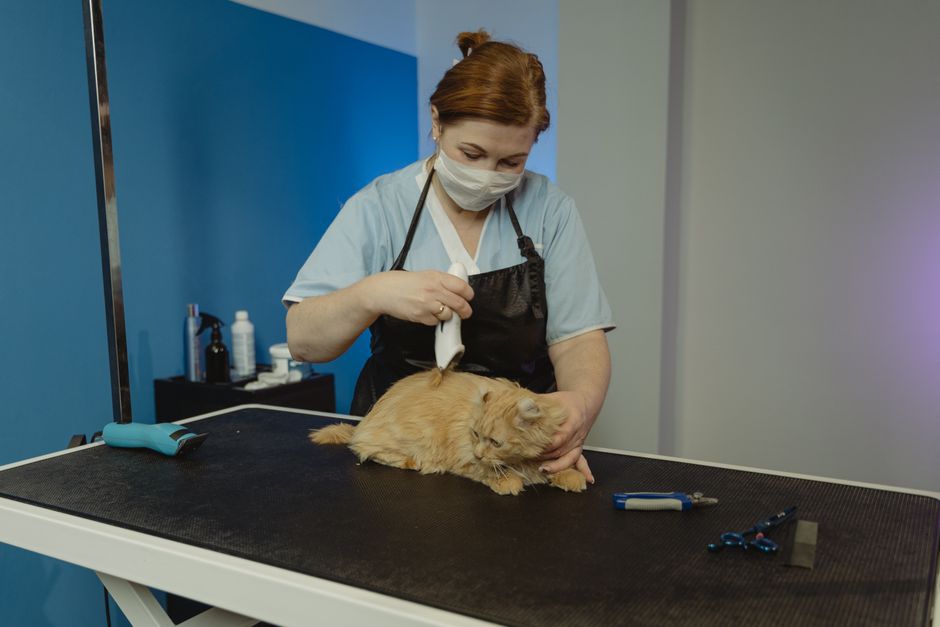
Your cat acts completely normal all year, eats well, plays occasionally, and then the vet finds a heart murmur at a routine checkup. That’s not a rare story. I’ve seen it play out dozens of times in the exam room, and it’s exactly why annual wellness visits matter even when your cat seems absolutely fine. Cats are masters of hiding illness, a survival instinct baked in from their wild ancestors, and by the time symptoms become obvious to you at home, a condition is often well advanced.
If you’ve got an annual visit coming up and you’re not sure what actually happens during one of these appointments, this guide will walk you through every piece of it, including what the vet is checking, what questions to ask, and how to tell if something found during the exam actually needs urgent follow-up.
What Happens During the Physical Exam
The physical exam is the backbone of the whole visit. A good vet spends 10 to 20 minutes doing a nose-to-tail assessment, and it covers a lot more than most pet owners realize.
Here’s what’s typically being evaluated:
Weight and body condition score. The vet or tech weighs your cat and assigns a body condition score on a 1-to-9 scale. A score of 4-5 is ideal. Even a half-pound change from last year can be meaningful in a 10-pound cat. That’s a 5 percent shift in body weight.
Eyes and ears. They’re looking for cloudiness, discharge, early signs of cataracts, or ear mites and infection. Older cats are particularly prone to hypertensive retinopathy if blood pressure is elevated.
Mouth and teeth. Dental disease affects an estimated 70 to 80 percent of cats over age three. The vet will grade the tartar buildup and gum inflammation on a scale of 0 to 4. Grade 2 and above usually means a dental cleaning conversation is coming.
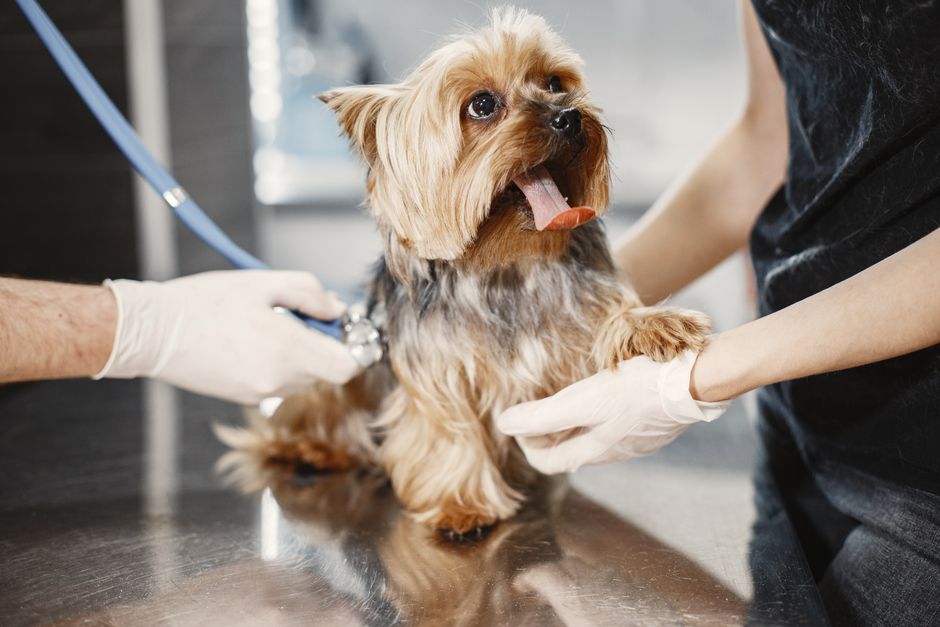
Heart and lungs. This is where a stethoscope gets used for several minutes. The vet is listening for murmurs, arrhythmias, and abnormal lung sounds like crackles or wheezing. A murmur doesn’t automatically mean crisis, but it does mean monitoring or further diagnostics.
Abdomen. Palpation of the belly lets the vet feel kidney size, intestinal thickness, and the presence of masses. An enlarged kidney or thickened intestinal wall might prompt an ultrasound referral.
Lymph nodes and thyroid gland. Enlarged lymph nodes can indicate infection or cancer. In cats over 8 years old, the thyroid gets extra attention because hyperthyroidism is extremely common in senior cats.
Skin and coat, musculoskeletal. They’re watching how your cat moves, feeling for muscle mass loss (especially over the spine and hindquarters), and checking the skin for lumps, fleas, or coat changes.
Vaccines, Parasite Prevention, and Lab Work
After the physical exam, the conversation shifts to preventive care. What’s due, what’s appropriate for your cat’s lifestyle, and what the bloodwork says.
Vaccines. Core vaccines for cats include rabies and the FVRCP combination (feline viral rhinotracheitis, calicivirus, and panleukopenia). These follow a specific schedule. Depending on the vaccine brand and your cat’s history, rabies can be given every one or three years. The FVRCP is often every three years for adult cats after the initial series. Non-core vaccines like feline leukemia (FeLV) are recommended based on lifestyle. An indoor-only cat with zero outdoor access has a different risk profile than one who slips outside regularly.
Parasite screening. A fecal exam checks for intestinal parasites: roundworms, hookworms, tapeworms, giardia, and others. Indoor cats can still get parasites, particularly if they hunt or eat insects. Heartworm is less common in cats than dogs but absolutely happens, and it’s frequently fatal in cats because there’s no approved treatment. The ASPCA Poison Control Center’s resources on toxic exposures often overlap with parasite prevention discussions because many common household items interact poorly with certain dewormers and topical treatments, so always confirm products with your vet before combining them.
Blood and urine testing. For cats under 7, the vet might offer baseline bloodwork but not always push for it unless something in the physical raises a flag. For cats 7 and older, a complete blood count (CBC), chemistry panel, and urinalysis are highly recommended annually. These tests catch kidney disease, diabetes, hyperthyroidism, and anemia long before outward symptoms appear. Early-stage kidney disease (CKD) diagnosed via bloodwork is manageable in a way that late-stage disease simply is not.
What Your Cat’s Age Changes About the Visit
| Age Group | Visit Frequency | Bloodwork | Blood Pressure | Key Screenings |
|---|---|---|---|---|
| Kittens (under 1 year) | Multiple visits in first year | As needed | Not routine | Vaccine series, deworming, spay/neuter discussion |
| Adult cats (1-7 years) | Annual | Optional unless flagged | Not routine | Core vaccine boosters, fecal testing, dental assessment |
| Senior cats (7-10 years) | Annual | Standard | Recommended | Bloodwork, hyperthyroidism screening, joint pain assessment |
| Geriatric cats (10+ years) | Twice yearly recommended | Standard | Recommended | Cognitive decline, kidney disease, cancer screening |
A 2-year-old cat and a 12-year-old cat are not getting the same appointment, and they shouldn’t be.
Kittens (under 1 year): Multiple visits are needed in the first year for the initial vaccine series, deworming, and discussions about spaying or neutering. Socialization and litter box behavior questions come up a lot here.
Adult cats (1-7 years): Annual exams, core vaccine boosters on schedule, fecal testing, and dental assessment. This age group often gets less attention because they look healthy, but this is exactly when dental disease is quietly progressing and weight is creeping up.
Senior cats (7-10 years): Bloodwork becomes standard, not optional. Blood pressure measurement should be added. Hyperthyroidism screening is critical. Joint pain starts becoming relevant.
Geriatric cats (10+ years): Some veterinarians recommend twice-yearly exams for cats over 10, and that’s genuinely good advice. A lot can change in six months at this age. Cognitive decline, kidney disease progression, and cancer become more common concerns.
How to Prepare for the Visit (A Practical Checklist)
Going in prepared makes the appointment more efficient and helps you get better answers. Here’s a simple process that takes maybe 10 minutes the night before.
Write down behavioral or physical changes you’ve noticed. Even small ones. Is your cat drinking more water? Sleeping in different spots? Less interested in jumping? These details matter to the vet even if they seem minor to you.
Note any vomiting, diarrhea, or changes in appetite over the past few months. Frequency and consistency are helpful. “Vomits once a week, usually hairballs, formed” is more useful than “throws up sometimes.”
Bring a fresh stool sample if possible. A pea-sized amount in a clean container, collected within 24 hours, is ideal for fecal testing.
List all current medications, supplements, and foods. Include the brand of food and approximate daily amount. Supplements especially are easy to forget, but some interact with vaccines or medications.
Carrier preparation. Leave the carrier out a few days before the visit with a familiar blanket inside. A stressed, hiding cat makes the exam harder for everyone. Feliway spray in the carrier 30 minutes before loading can reduce anxiety.
Prepare your questions. Write them down. Exam room conversations move fast, and it’s easy to forget what you wanted to ask. PetMD’s veterinary resource library is a solid place to research what questions are worth asking before you go in.
Know your cat’s vaccine history. Bring the records or make sure the clinic already has them. Overvaccinating is a real concern, and vets need records to make appropriate decisions.
Understanding the Vet’s Findings and What Comes Next
This is the part that trips people up. The vet says something, uses a term you don’t recognize, and you nod politely and leave confused. Don’t do that.
Ask for clarification in plain language. “What does that mean for her daily life?” is a completely reasonable question. So is “How urgent is this?”
Here’s a general framework for thinking about findings:
| Finding | Typical Next Step | Urgency |
|---|---|---|
| Grade 1-2 heart murmur | Recheck in 6-12 months, possible echocardiogram | Monitor, not emergency |
| Dental grade 2-3 | Schedule dental cleaning under anesthesia | Schedule within weeks to months |
| Elevated kidney values (mild) | Recheck bloodwork in 3-6 months, dietary discussion | Not urgent but act promptly |
| Hyperthyroid (elevated T4) | Start medication (methimazole) or discuss radioactive iodine | Schedule treatment soon |
| Palpable abdominal mass | Ultrasound ASAP | Urgent within days |
| Weight loss without explanation | Full workup including bloodwork, urinalysis | Prompt, within a week |
The key word the vet uses is “monitor” versus “treat.” Monitor means watch and recheck. Treat means intervene now. When you’re unclear which category you’re in, ask directly.
A yearly vet visit is genuinely one of the highest-value things you can do for a cat’s long-term health, not because something dramatic always gets found, but because of the cumulative picture it builds over years. If you want to support your cat’s health between visits, products like dental chews formulated for cats and joint supplements for senior cats can be useful additions to daily care. But none of those replace hands-on assessment from someone who’s been trained to find what you can’t see. Bring your questions, bring your stool sample, and don’t leave until you understand what the vet found and what to do about it.
This article is for general informational purposes only and does not constitute veterinary advice. Pet health symptoms can have many causes and require professional evaluation. Always consult a licensed veterinarian for diagnosis and treatment specific to your pet.
What should I bring to my cat’s annual vet visit?
Bring your cat in a secure carrier, a fresh stool sample if possible, your cat’s medical records and vaccine history, a list of current medications and supplements, and any notes about behavioral or physical changes you’ve noticed over the past year.
How often should senior cats see the vet?
Cats over 10 years old should ideally have twice-yearly exams rather than just annual ones. A lot can change in six months at that age, and conditions like kidney disease, cognitive decline, and cancer progress faster in geriatric cats.
Are vaccines necessary for indoor cats?
Core vaccines (rabies and FVRCP) are recommended for all cats, including indoor-only ones, because they’re required by law in many places and provide protection against serious diseases. Non-core vaccines like FeLV (feline leukemia) depend on your cat’s specific lifestyle and risk factors.
What does it mean if the vet finds a heart murmur?
A heart murmur detected during a routine exam doesn’t automatically mean your cat is in crisis. Grade 1-2 murmurs typically require monitoring and possibly an echocardiogram to determine the underlying cause, with rechecks every 6-12 months. Higher grades or murmurs with other symptoms are more serious and need prompt follow-up.
Why is bloodwork recommended for older cats?
Bloodwork catches kidney disease, diabetes, hyperthyroidism, and anemia long before your cat shows obvious symptoms at home. Early detection, especially for conditions like chronic kidney disease, makes a huge difference in how well you can manage the condition and maintain your cat’s quality of life.
Photo: Tima Miroshnichenko via Pexels
Sources
- Tima Miroshnichenko
- EVERLIT 95-Piece Vet-Approved Pet First Aid Kit
- Nutramax Cosequin DS Joint Supplement for Dogs (132ct)
- Certified Pet First Aid Kit with Guide Book
- throws up sometimes. 3
Disclosure: As an Amazon Associate, we earn a small commission from qualifying purchases at no extra cost to you. We only recommend products that genuinely support the topics covered in this article.
- EVERLIT 95-Piece Vet-Approved Pet First Aid Kit (~$32), Vet-approved 95-piece kit for dogs and cats, covers cuts, burns, sprains, and emergencies until you can reach a vet.
- Nutramax Cosequin DS Joint Supplement for Dogs (132ct) (~$36), The #1 veterinarian-recommended joint supplement brand, clinically studied for reducing joint pain in dogs.
- Certified Pet First Aid Kit with Guide Book (~$22), Certified pet first aid kit with step-by-step instructions, an essential item for every pet owner.
Recommended Resources
Disclosure: As an Amazon Associate, we earn a small commission from qualifying purchases at no extra cost to you. We only recommend products that genuinely support the topics covered in this article.
- EVERLIT 95-Piece Vet-Approved Pet First Aid Kit (~$32), Vet-approved 95-piece kit for dogs and cats, covers cuts, burns, sprains, and emergencies until you can reach a vet.
- Nutramax Cosequin DS Joint Supplement for Dogs (132ct) (~$36), The #1 veterinarian-recommended joint supplement brand, clinically studied for reducing joint pain in dogs.
- Certified Pet First Aid Kit with Guide Book (~$22), Certified pet first aid kit with step-by-step instructions, an essential item for every pet owner.