 Dr. Amanda Foster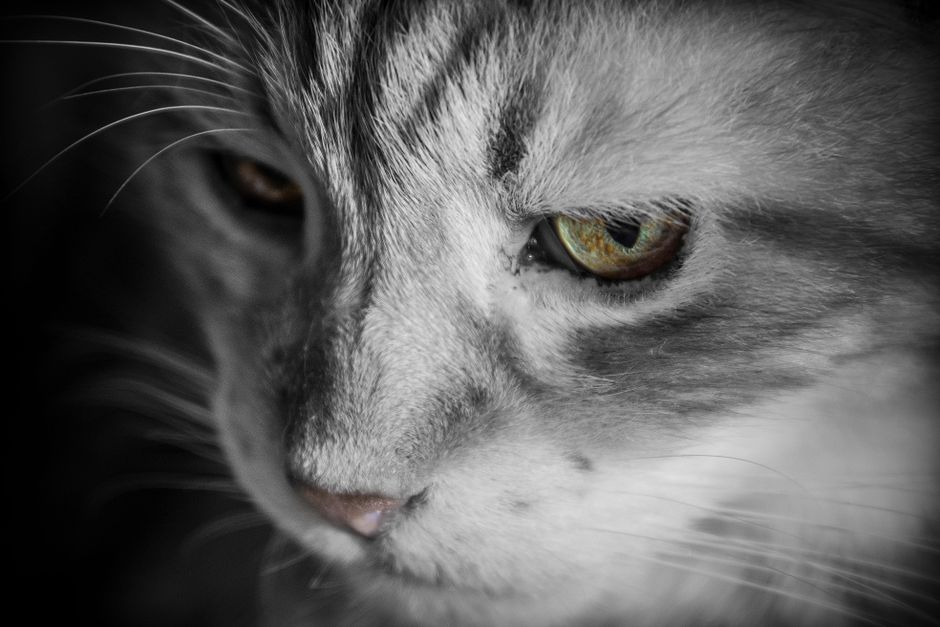
Roughly 80% of feline upper respiratory infections involve the eyes. That’s not a minor side effect you can politely ignore while treating the sneezing. For most cat owners, red, gunky, squinting eyes are their first real clue that something’s wrong, and the advice they find online is either “rush to the emergency vet immediately” or a vague, “gently wipe with a warm cloth.” Neither is particularly useful. Let’s be more specific.
Cat conjunctivitis is inflammation of the conjunctiva, which is the thin membrane lining the eyelids and covering the white of the eye. In cats, it’s almost always caused by infectious agents: feline herpesvirus type 1 (FHV-1) and Chlamydophila felis top the list. Mycoplasma shows up too. Bacterial secondary infections pile on. The reason this matters for home care is that the underlying cause dictates whether topical antibiotics will actually help, and most over-the-counter options aren’t doing what you think they are.
I’ll be honest: I spent years in practice watching owners bring in cats who’d been treated at home for weeks with diluted chamomile tea rinses and colloidal silver (please don’t). Here’s what actually works, what’s a waste of money, and when you genuinely need to call the vet before Monday.
- FHV-1 causes ~70% of feline conjunctivitis cases; antibiotics alone won't clear a viral case.
- Clear, watery discharge can often be managed at home for 3-5 days before needing a vet visit.
- Yellow-green thick discharge, a closed eye, or a visible third eyelid raised = same-day vet call.
- Saline rinse (0.9% sterile, preservative-free) is the only safe OTC eye-cleaning option for cats.
- L-lysine supplementation is no longer supported as effective for FHV-1 by current veterinary evidence.
What You’re Actually Looking At
The first thing to figure out is discharge type. It tells you more than almost anything else.
Clear and watery: more likely viral or allergic. The cat’s probably squinting mildly but can open the eye. This is your “monitor at home for a few days” scenario.
Yellow or green and thick: secondary bacterial involvement. Doesn’t automatically mean emergency, but it needs prescription topicals. The gunk can actually seal the eyelid shut overnight, which is uncomfortable and can lead to skin irritation around the eye. This won’t resolve on its own.
Cloudy cornea, visible white or blue haze over the eye itself: stop reading this and call your vet or an emergency clinic. That’s corneal involvement, potentially a stromal ulcer, and it can progress to permanent damage within 24 to 48 hours.
One-eye versus two-eye matters too. Unilateral (one eye) conjunctivitis leans toward a foreign body, scratch, or localized infection. Bilateral usually means systemic infection, FHV-1 flare, or a respiratory virus making the rounds in your household.
Safe Home Care: The Actual Steps
Helpful resource: Purina Pro Plan Veterinary Supplements FortiFlora Probiotic is a top-rated option for this. (As an Amazon Associate this site earns from qualifying purchases.)
Here’s the practical part, and I want to be specific because “warm compress” advice without detail is how people end up burning their cat’s eye with water that’s too hot.
Cleaning discharge: Use sterile saline solution, the kind marketed for contact lens rinsing works fine as long as it’s preservative-free. (Boston Simplus and Biotrue contain preservatives; plain sodium chloride 0.9% wound wash like Blairex or McKesson sterile saline aerosol are better choices.) Soak a separate cotton ball for each eye. Wipe from the inner corner outward. Do not wipe inward. One pass per cotton ball, then discard. If the discharge has crusted the lids shut, hold a warm (not hot, test it on your inner wrist first) damp cloth against the eye for 30 to 60 seconds to soften it before wiping.
Frequency: Two to three times daily while discharge is present. More often if the cat’s in significant discomfort.
What not to use: Human Visine or any OTC eye drops with vasoconstrictors, “redness relievers,” or antihistamines. They aren’t formulated for feline physiology and can mask symptoms or cause irritation. Honey drops, colloidal silver, breast milk. All real things people try. All problematic.
Environment: Keep the cat in a lower-humidity area if possible (moist air isn’t a friend to active conjunctivitis), reduce dust exposure (change the litter if you’re using a clay dust-heavy brand), and separate from other cats since FHV-1 is contagious.
A note on L-lysine: for years, every vet tech and cat rescue volunteer recommended it as a supplement to suppress FHV-1 replication. Current evidence, including a 2015 review published in BMC Veterinary Research, found no clinical benefit, and some data suggested high doses might actually suppress immune function in cats. As of 2026, the mainstream veterinary consensus has largely moved away from recommending it. I pushed L-lysine for years before this evidence accumulated. I was wrong. Skip it.
When to Escalate (Be Honest With Yourself)
Instantly Improve Your Cat's Life with these 7 Things · Jackson Galaxy on YouTube
| Symptom | Home Management OK? | Timeline to Vet |
|---|---|---|
| Clear watery discharge, mild squinting, eating normally | Yes | Monitor 3-5 days; call if worsening |
| Yellow-green discharge, both eyes open | No | Within 24-48 hours |
| One eyelid sealed shut from discharge | No | Same day |
| Visible third eyelid (nictitating membrane raised) | No | Same day |
| Cloudy or hazy cornea | Absolutely not | Emergency, call now |
| Kitten under 10 weeks with eye involvement | No | Same day, neonatal eyes are fragile |
| Discharge + nasal congestion + lethargy | No | Within 24 hours |
| No improvement after 4-5 days of home care | No | Schedule appointment |
Kittens deserve special mention. Their eyelids fuse shut at birth and don’t open until 10 to 14 days of age. A bacterial infection (often Staphylococcus or Streptococcus) trapped behind sealed eyelids can cause permanent blindness in days. If you’re fostering neonates and you see any swelling behind closed lids before they open naturally, that’s a same-day call to a vet or shelter medical team, not a home care situation.
What the Vet Will Likely Prescribe
If you do end up at the clinic (and for anything beyond mild, clear discharge in an otherwise healthy adult cat, you probably should), here’s what to expect:
For bacterial conjunctivitis: topical antibiotics. Terramycin (oxytetracycline with polymyxin B) is OTC in many states and works reasonably well for bacterial cases, but it’s less effective against Chlamydophila felis, which needs doxycycline. Tobramycin or neomycin-polymyxin-bacitracin drops are prescription but common.
For FHV-1: topical antiviral, specifically trifluridine (Viroptic) or cidofovir, sometimes compounded. Oral famciclovir (Famvir) has the strongest evidence for systemic FHV-1 management. Expect to pay $40 to $80 for a short course of compounded cidofovir drops depending on your pharmacy.
For Chlamydophila felis: oral doxycycline for a minimum of 4 weeks. This one matters because it’s zoonotic (can rarely transfer to humans), especially relevant for immunocompromised owners.
Worked Examples from the Clinic
Scenario 1: Adult cat, mild unilateral clear discharge, no other symptoms, eating and drinking normally. Owner cleans eyes twice daily with sterile saline for four days. Discharge resolves. No vet visit needed. This is the best-case scenario and it’s genuinely common. → Outcome: Resolved at home, $0 in vet costs.
Scenario 2: Eight-month-old cat with bilateral yellow-green discharge noticed Thursday evening. Owner tries home saline cleaning through the weekend. By Monday one eye is partially sealed and the cat is hiding. Vet diagnoses secondary bacterial conjunctivitis on top of an FHV-1 flare, prescribes tobramycin drops plus oral famciclovir. Resolution in 10 days. → The delay cost an extra $180 in treatment compared to what a Friday call might have required, and the cat spent four extra days uncomfortable. Worth noting: the ASPCA Poison Control Center fields calls about well-intentioned home treatments gone wrong regularly. Don’t be that call.
Scenario 3: Foster kitten, 5 weeks old, right eye swollen and won’t open. Fosterer calls vet same day. Ophthalmoscopic exam reveals early symblepharon (the conjunctiva adhering to the cornea), a known FHV-1 complication in kittens. Early intervention with antiviral drops preserved functional vision. Waiting 48 more hours likely meant permanent damage. → Early call, preserved vision, a cat that got adopted six weeks later.
Sources
- Maggs DJ, Miller P, Ofri R. Slatter’s Fundamentals of Veterinary Ophthalmology, 5th ed. (2013): Standard reference for feline ocular disease classification and prevalence.
- Bol S, Bunnik EM. “Lysine supplementation is not effective for the prevention or treatment of feline herpesvirus 1 infection in cats.” BMC Veterinary Research (2015): The review that effectively ended the L-lysine recommendation.
- PetMD Veterinary Resource Library: Clinical summaries on conjunctivitis etiology and treatment reviewed by licensed veterinarians.
- Gould D. “Feline herpesvirus-1: ocular manifestations, diagnosis and treatment options.” Journal of Feline Medicine and Surgery (2011): Covers antiviral treatment options including trifluridine and cidofovir with clinical outcomes.
- Sykes JE. “Chlamydiosis.” Greene’s Infectious Diseases of the Dog and Cat, 4th ed. (2012): Zoonotic risk, treatment duration requirements, and household transmission data.
Photo: Ricardo Almagro via Pexels
This article is for general informational purposes only and does not constitute veterinary advice. Pet health symptoms can have many causes and require professional evaluation. Always consult a licensed veterinarian for diagnosis and treatment specific to your pet.
Recommended Resources
Disclosure: As an Amazon Associate, we earn a small commission from qualifying purchases at no extra cost to you. We only recommend products that genuinely support the topics covered in this article.
- EVERLIT 95-Piece Vet-Approved Pet First Aid Kit (~$32), Vet-approved 95-piece kit for dogs and cats, covers cuts, burns, sprains, and emergencies until you can reach a vet.
- Nutramax Cosequin DS Joint Supplement for Dogs (132ct) (~$36), The #1 veterinarian-recommended joint supplement brand, clinically studied for reducing joint pain in dogs.