 Karen Lopez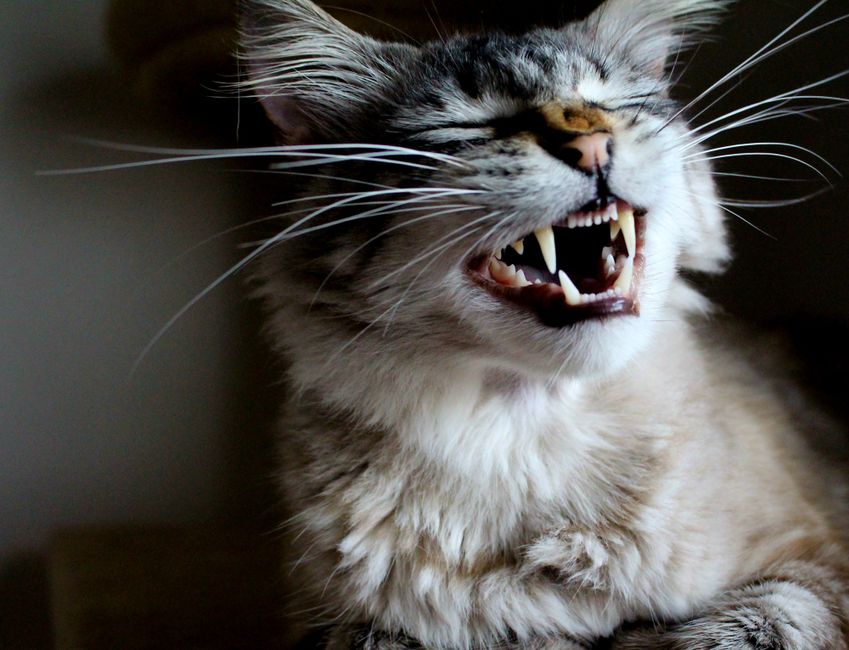
Your cat’s been pushing food around the bowl for three weeks now. Used to devour it in minutes. Now she sniffs, takes a bite or two, walks away. You figure she’s just being picky. Then your vet finds a tooth so infected it needs extraction that same afternoon.
I’ve seen this play out dozens of times, and what kills me is that the signs were always there. Cats are phenomenal at hiding pain. Dental disease is one of the biggest sources of chronic suffering in pet cats today, and we barely notice it.
Why Dental Disease Is So Common in Cats (and So Easy to Miss)
The numbers are striking. The American Veterinary Medical Association (AVMA) reports that most cats show some form of dental disease by age three. By ten, it’s nearly universal. This isn’t rare. It’s probably happening to the cat on your couch right now.
Why do we miss it? Feline instinct. In the wild, a cat that shows pain looks weak. So they don’t. They compensate, adapt, and endure the kind of mouth pain that would send a human scrambling for strong ibuprofen.
Dental disease follows a predictable track. Plaque coats the teeth daily. Within days it hardens into tartar, triggering gingivitis (gum inflammation). Left alone, it becomes periodontitis, where the structures supporting teeth start breaking down. Loose teeth, abscesses, bacteria in the bloodstream.
Cats also get feline tooth resorption, where the tooth structure literally dissolves from inside out, often below the gumline. It’s painful and affects roughly 30-60% of adult cats. Full extraction is usually the only fix. You can’t see it without dental X-rays. That’s why annual dental exams under anesthesia matter so much.
The Signs You’ll Actually Notice at Home
Cats hide pain, so you need to know what to watch for. One sign isn’t a diagnosis. Multiple signs? Take them seriously.
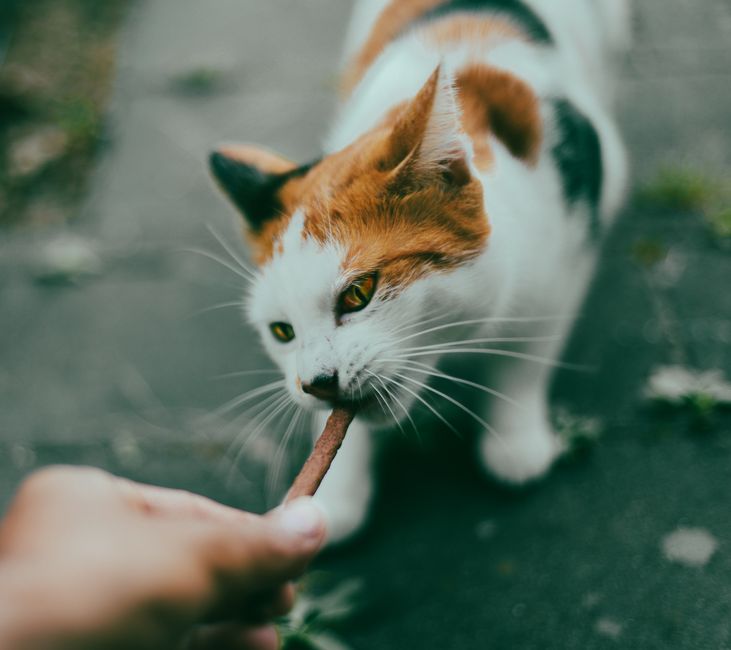
Changes in eating behavior. This is the biggest one. Dropping food from the mouth (quidding), chewing on one side only, suddenly wanting wet food instead of dry, eating slower, quitting after a few bites. Some cats act ravenously hungry but barely eat because chewing hurts.
Bad breath. Cat breath isn’t pleasant, but a distinct, rotting, or sour smell is a red flag. If you notice an unusually foul odor when your cat yawns next to you, pay attention.
Pawing at the face or mouth. Cats with tooth pain sometimes rub their faces on carpet, paw at their muzzle, or shake their head. Not constant, but you might catch it a few times weekly.
Drooling. A little drool when relaxed is normal. Excessive drooling, especially thick or tinged with blood, isn’t.
Changes in grooming. Cats use teeth to groom. A cat with mouth pain may groom less, especially the face and neck, resulting in a greasy, unkempt coat. Others groom obsessively near the painful spot.
Behavioral changes. Withdrawal, irritability, flinching when touched near the face. A normally social cat pulling away from your hand moving toward her head is communicating something.
Visible signs in the mouth. If your cat tolerates a quick look, watch for red or swollen gums, brown or yellow buildup on teeth (especially at the gumline), or teeth appearing “swallowed” by gum tissue. Any gum bleeding is abnormal.
A Quick Comparison: Normal vs. Concerning
Understanding Bloat in Dogs: Causes, Warning Signs & How to Prevent It! · American Standard Dog Training on YouTube
| What You’re Observing | Likely Normal | Worth a Vet Visit |
|---|---|---|
| Breath odor | Mild, faint | Strong, rotting, or bloody smell |
| Gum color | Pale pink, firm | Red, purple, swollen, or bleeding |
| Eating speed | Consistent for your cat | Noticeably slower, dropping food |
| Food preference | Stable | Sudden shift away from dry/hard food |
| Drooling | Minimal or none | Frequent, thick, or tinged with blood |
| Face touching | Occasional normal grooming | Repeated pawing, rubbing, head shaking |
| Tooth appearance | White to slightly off-white | Brown/yellow tartar, chips, or pink spots at gumline |
Those pink or reddish spots at the gumline are a classic sign of feline tooth resorption. If you spot them, don’t wait.
What to Do Right Now: A Step-by-Step Home Assessment
You don’t need veterinary training for a basic oral check. Here’s how to do it without stressing your cat.
Step 1: Pick the right moment. Do this when your cat is calm, maybe after eating or during a lazy afternoon. Don’t attempt it when she’s already agitated.
Step 2: Start with smell. Before touching the mouth, let your cat yawn naturally or gently hold her face near yours. Note any unusual odors.
Step 3: Lift the lips gently. Use your thumb to lift the upper lip on one side, then the other. You don’t need full mouth opening. Look at the outer tooth surface and gumline. Check for tartar (brown or yellow crust), gum color, and obvious swelling or bleeding.
Step 4: Note the behavior. Does your cat flinch? Pull away sharply? Cry out? Any sharp reaction to gentle lip-lifting matters for your vet.
Step 5: Write it down. Before calling your vet, jot down what you observed, when symptoms started, and behavioral changes you’ve noticed. This makes the conversation productive.
Step 6: Take photos if you can. A video of your cat dropping food, or a photo of visible tartar or gum redness, is incredibly helpful for your vet.
If your cat has facial swelling (especially below one eye, suggesting a tooth root abscess), is completely refusing food, is drooling blood, or in obvious distress, that’s not a Monday call. That’s same-day or emergency.
Prevention: What Actually Works
There’s a lot of hype about dental care. Here’s what actually moves the needle.
Daily toothbrushing is the gold standard. Studies show it’s the single most effective home intervention for reducing plaque and tartar. Use cat-specific toothpaste (never human paste, which contains toxic xylitol and fluoride) and a soft-bristled finger brush or small brush. Building to daily takes weeks of gradual introduction, but it’s achievable. Even difficult cats learn to tolerate it.
Dental chews and treats help as a supplement. Look for products with the Veterinary Oral Health Council (VOHC) seal, meaning they’ve been independently tested and shown to reduce plaque or tartar. These dental chews with the VOHC seal can support your routine, especially if brushing isn’t realistic yet. (This site may earn a commission from qualifying purchases.)
Water additives and oral gels have varying evidence. Some VOHC-approved water additives help, though cats are famously picky about water taste.
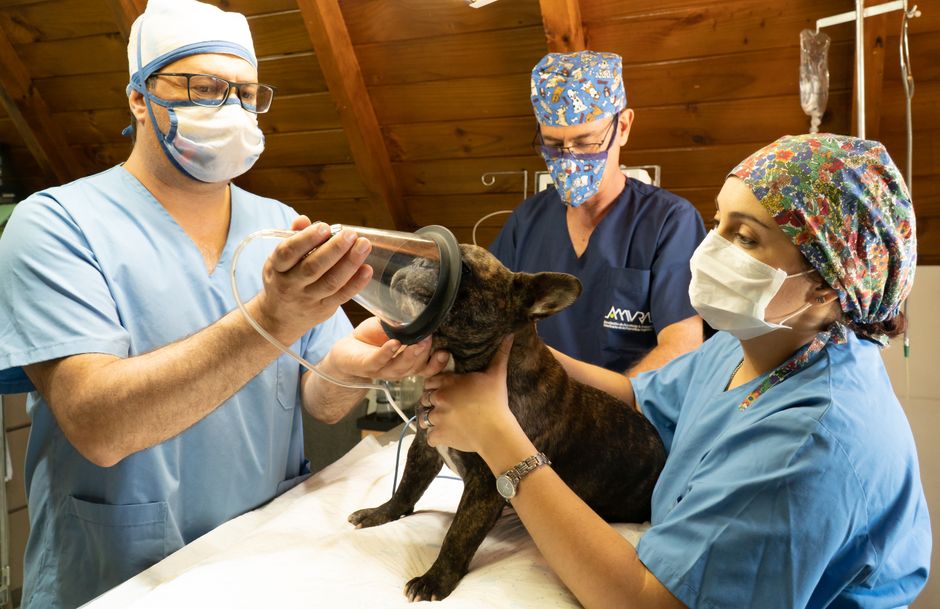
Annual veterinary dental exams under anesthesia are massively underutilized. They enable full-mouth X-rays, probing every tooth, and below-the-gumline cleaning that brushing can’t reach. Skipping because anesthesia feels scary is understandable, but modern anesthesia for healthy cats carries very low risk that’s far outweighed by catching things like tooth resorption early.
Hard kibble alone doesn’t work. The myth that crunching dry food cleans cats’ teeth the way brushing does has been thoroughly debunked. Most cats barely chew their kibble.
How to Talk to Your Vet About Dental Concerns
Clients often downplay dental symptoms without realizing it. “She’s eating, just slower.” “He always smells bad.” Part of my goal here is helping you walk in with confidence.
Be specific. Tell your vet exactly what you’ve observed: “She’s been dropping food on the left side for two weeks, and her breath has gotten noticeably worse.” That beats vague concern every time.
Ask directly about dental X-rays. If your vet recommends a cleaning, ask whether that includes full-mouth radiographs. Cleaning without X-rays misses significant problems, including virtually all tooth resorption cases.
Ask what you’ll learn before anesthesia. A good team will walk you through pre-anesthetic bloodwork, monitoring during the procedure, and the plan if they find something unexpected during cleaning.
If cost is a concern, say so. Vets aren’t here to judge. Knowing your budget helps us prioritize. There may be options to phase treatment or address the most painful issues first.
This article is for general informational purposes only and does not constitute veterinary advice. Pet health symptoms can have many causes and require professional evaluation. Always consult a licensed veterinarian for diagnosis and treatment specific to your pet.
Photo: Bade Saba via Pexels
Sources
- American Veterinary Medical Association (AVMA)
- These dental chews with the VOHC seal
- EVERLIT 95-Piece Vet-Approved Pet First Aid Kit
- Nutramax Cosequin DS Joint Supplement for Dogs (132ct)
- Purina Pro Plan FortiFlora Probiotic for Dogs (30ct)
Disclosure: As an Amazon Associate, we earn a small commission from qualifying purchases at no extra cost to you. We only recommend products that genuinely support the topics covered in this article.
- EVERLIT 95-Piece Vet-Approved Pet First Aid Kit (~$32), Vet-approved 95-piece kit for dogs and cats, covers cuts, burns, sprains, and emergencies until you can reach a vet.
- Nutramax Cosequin DS Joint Supplement for Dogs (132ct) (~$36), The #1 veterinarian-recommended joint supplement brand, clinically studied for reducing joint pain in dogs.
- Purina Pro Plan FortiFlora Probiotic for Dogs (30ct) (~$32), The #1 vet-recommended probiotic for dogs, prescribed to manage diarrhea, vomiting, and intestinal upset.
Recommended Resources
Disclosure: As an Amazon Associate, we earn a small commission from qualifying purchases at no extra cost to you. We only recommend products that genuinely support the topics covered in this article.
- EVERLIT 95-Piece Vet-Approved Pet First Aid Kit (~$32), Vet-approved 95-piece kit for dogs and cats, covers cuts, burns, sprains, and emergencies until you can reach a vet.
- Nutramax Cosequin DS Joint Supplement for Dogs (132ct) (~$36), The #1 veterinarian-recommended joint supplement brand, clinically studied for reducing joint pain in dogs.
- Purina Pro Plan FortiFlora Probiotic for Dogs (30ct) (~$32), The #1 vet-recommended probiotic for dogs, prescribed to manage diarrhea, vomiting, and intestinal upset.