 Michelle Chen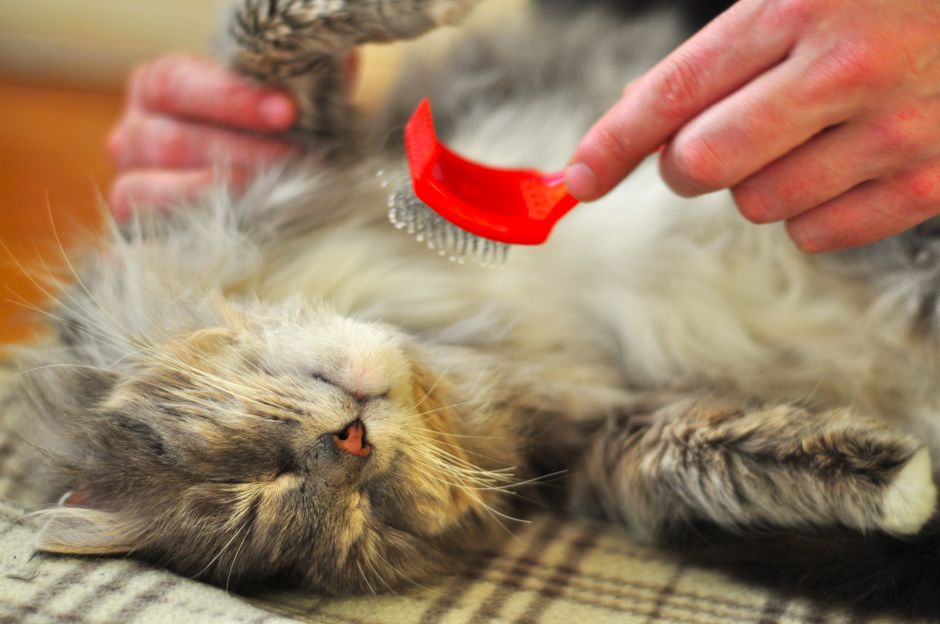
Most cat owners I talk to don’t think about matting until they’re staring at a tangle the size of a golf ball near their cat’s armpit, wondering how long it’s been there. By that point, you’re past prevention and into damage control. I’ll be honest: matting is one of those problems that’s almost entirely avoidable, and yet I see the consequences of it constantly in clinical practice, usually on cats whose owners genuinely love them and just didn’t realize what was happening under all that fluff.
Here’s the thing that surprises most people. Matting doesn’t just happen on long-haired cats. I’ve seen significant pelting on medium-coated Maine Coons, on older short-haired cats who’ve stopped self-grooming, and on cats with underlying thyroid disease or arthritis that makes reaching certain spots painful. The coat is often a diagnostic clue. When a cat who’s been grooming well suddenly develops mats, that’s worth a vet conversation, not just a grooming appointment.
Why Mats Form Where They Do
There’s a logic to it. Mats cluster in areas of friction and moisture: armpits, groin, behind the ears, under the collar, and at the base of the tail. These spots get compressed by movement, dampened by skin oils, and are harder for the cat to reach with its tongue. Dead undercoat gets trapped against the skin, loops around live hairs, and tightens. Once the process starts, it accelerates. A loose tangle becomes a firm mat becomes a dense pelt that pulls the skin constantly, causes pain, and can hide infections, parasites, and wounds underneath.
What surprised me when I really started paying attention was how fast this happens in cats with seasonal coat changes. Spring shed especially. A medium-haired cat that coasted through winter can develop serious mats in four to six weeks when the undercoat starts blowing out if no one’s brushing it through.
The Actual Prevention Work
| Cat Type | Brushing Frequency | Recommended Tool | Notes |
|---|---|---|---|
| Short-haired | Every 1-2 weeks | Rubber curry brush or soft-bristle brush | Kong ZoomGroom mimics petting pressure |
| Medium to long-haired | 2-3 times weekly minimum | Wide-toothed metal comb (primary); slicker brush for surface tangles | Daily during peak shedding season if coat is dense |
| Medium to long-haired (shedding season) | Daily | De-shedding tool (e.g., Furminator) used ~1x/week; wide-tooth comb for diagnosis | Furminator can be too aggressive if overused on fine-coated cats |
| Senior cats (10+) | Increased frequency | Wide-tooth comb; consider professional grooming | Higher risk of silent matting due to reduced self-grooming |
| Cats prone to matting | 2-3 times weekly + | Wide-toothed metal comb with detangling spray | Conditioner spray reduces friction and mat formation |
Helpful resource: Arm & Hammer Dog Dental Spray, No Brush Needed is a top-rated option for this. (As an Amazon Associate this site earns from qualifying purchases.)
Brushing is the answer, but frequency and tool choice matter more than most guides acknowledge.
For short-haired cats, a grooming session every one to two weeks with a rubber curry brush or a soft-bristle brush is usually enough to stay ahead of things. I like the Kong ZoomGroom for shorthairs; it’s maybe $8 on Amazon and cats tend to tolerate it well because it mimics the pressure of petting (the site may earn a commission on that link). For medium to long-haired cats, you’re looking at two to three times weekly minimum, and in peak shedding season, daily if the coat is dense.
Tool selection is where people often go wrong. A slicker brush is good for surface tangles, but it won’t pull out undercoat. A de-shedding tool like the Furminator gets into the undercoat but can be too aggressive if you overuse it on fine-coated cats. I use it maybe once a week during heavy shedding and not at all between seasons for most cats. For cats already prone to matting, a wide-toothed metal comb (not plastic, plastic snags) used section by section is your best diagnostic tool. Run it through methodically and it’ll find forming mats before they’ve had a chance to consolidate.
The technique genuinely matters. Work in the direction of hair growth. Brace the skin at the base of any tangle before you work through it, so you’re not pulling the skin while you comb. Short, gentle strokes near the skin, longer strokes through the ends. Never yank through a resistance point. If you hit something that won’t give with gentle pressure, stop.
Here’s where I’ll say something people sometimes push back on: conditioner sprays for cats are genuinely useful and most pet owners ignore them completely. A light mist of a feline-safe detangling spray before brushing reduces friction, makes the comb slide more smoothly through the coat, and over time actually seems to reduce mat formation in cats I’ve worked with regularly. Look for something alcohol-free with no artificial fragrance. BioSilk for Pets is one that I’ve used with decent results and that clients can find without much trouble.
When the Mat Is Already There
Small mats, meaning you can get your finger underneath and feel air between the mat and the skin, can sometimes be worked out at home. Tease them apart with your fingers first to loosen the structure. Apply a little detangling spray. Then use a mat splitter or a wide-tooth comb to work from the edges inward, never from the base outward. Be patient. Take breaks. A stressed cat stops cooperating and someone gets scratched.
Medium or large mats, anything where the skin is tented or where you can’t get a finger underneath, should not be cut out at home with scissors. I can’t overstate how many cats come into practice with scissor wounds because the owner couldn’t see where the skin ended and the mat began. The skin under a tight mat is often thin, inflamed, and held up into the mat. It’s extremely easy to cut. If the mat is near the armpit, groin, or face, or if your cat is reactive, take them to a groomer or a vet. A professional groomer with a clipper can shave under the mat safely in seconds. A vet visit makes sense if you suspect the skin underneath is compromised.
One thing that AAHA’s guidelines on preventive care note is that grooming assessments should be part of regular wellness exams, not an afterthought. If your vet isn’t checking coat and skin quality at your annual visit, you can ask them to.
Senior Cats Need Extra Attention
Cats over 10 often stop grooming their hindquarters effectively. Arthritis, dental pain (it hurts to twist and reach), obesity, or just declining flexibility all contribute. These cats mat silently and quickly, and because they’re sedentary, the friction zones don’t shift around much, so mats consolidate fast. PetMD’s veterinary resource library has a decent breakdown of age-related grooming changes if you want more background on this.
If your senior cat is developing mats despite your brushing, ask your vet whether pain management might be a factor. I’ve seen cats groom themselves back to normal after starting meloxicam for arthritis. That’s not a grooming problem, that’s a pain problem.
This article is for general informational purposes only and does not constitute veterinary advice. Pet health symptoms can have many causes and require professional evaluation. Always consult a licensed veterinarian for diagnosis and treatment specific to your pet.
Sources
- Arm & Hammer Dog Dental Spray, No Brush Needed
- Rayco First Aid Kit for Dogs and Cats
- FRONTLINE Plus Flea and Tick Treatment for Dogs
- Ivanna Lebediuk
- EVERLIT 95-Piece Vet-Approved Pet First Aid Kit
Disclosure: As an Amazon Associate, we earn a small commission from qualifying purchases at no extra cost to you. We only recommend products that genuinely support the topics covered in this article.
- EVERLIT 95-Piece Vet-Approved Pet First Aid Kit (~$32), Vet-approved 95-piece kit for dogs and cats, covers cuts, burns, sprains, and emergencies until you can reach a vet.
- Nutramax Cosequin DS Joint Supplement for Dogs (132ct) (~$36), The #1 veterinarian-recommended joint supplement brand, clinically studied for reducing joint pain in dogs.
Recommended Resources
Disclosure: As an Amazon Associate, we earn a small commission from qualifying purchases at no extra cost to you. We only recommend products that genuinely support the topics covered in this article.
- EVERLIT 95-Piece Vet-Approved Pet First Aid Kit (~$32), Vet-approved 95-piece kit for dogs and cats, covers cuts, burns, sprains, and emergencies until you can reach a vet.
- Nutramax Cosequin DS Joint Supplement for Dogs (132ct) (~$36), The #1 veterinarian-recommended joint supplement brand, clinically studied for reducing joint pain in dogs.