 Karen Lopez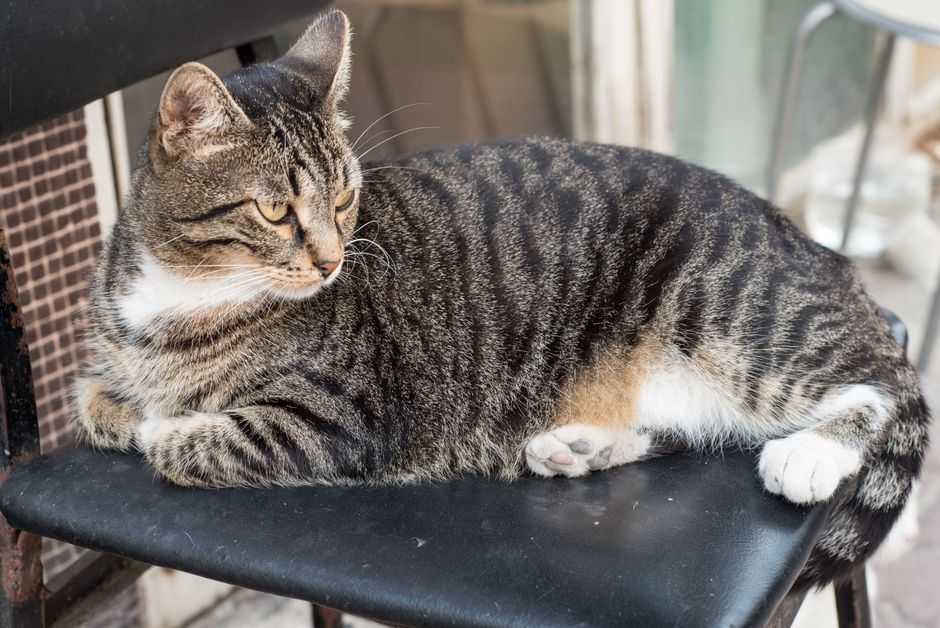
Your cat jumps up on the couch, misses, and you laugh it off. It’s funny the first time. But if that’s become a regular occurrence, if your cat’s belly is swinging low, and you can’t feel her ribs without pressing firmly, that’s not a quirky personality trait. That’s a medical condition. Feline obesity is the most common nutritional disorder in domestic cats, affecting an estimated 59% of cats in the United States according to the Association for Pet Obesity Prevention. And unlike a chubby human who can choose to go for a walk, your cat depends entirely on you to recognize the problem and do something about it.
What “Overweight” Actually Means for a Cat
Pop culture has warped how we see cat weight. Grumpy Cat. Garfield. The round orange tabby that goes viral every other month. We’re conditioned to see a big, round cat as healthy and well-loved. It’s not.
Vets use a Body Condition Score (BCS) on a 1-9 scale. A score of 4-5 is ideal. A score of 6-7 means overweight. A score of 8-9 means obese. At an ideal weight, you should be able to feel your cat’s ribs with light pressure, see a visible waist when looking from above, and notice a slight abdominal tuck from the side. If you can’t feel the ribs without pressing hard, if there’s no waist, if the belly is round and pendulous, your cat is carrying excess weight.
For perspective: an average domestic cat should weigh between 8 and 10 pounds. A cat at 12 pounds is roughly the equivalent of a 5'4" woman weighing around 180 pounds. A 15-pound cat would be the equivalent of that same woman weighing 218 pounds. We’d call that obese in a human. We should call it the same in a cat.
The Health Risks: These Are Serious, Not Cosmetic
Obesity in cats isn’t just about reduced mobility or looking a little round. It’s a gateway to conditions that shorten lives.
Diabetes mellitus is the most direct connection. Obese cats are two to four times more likely to develop Type 2 diabetes than cats at a healthy weight. Excess body fat causes insulin resistance, meaning the pancreas can’t keep blood sugar regulated. Once a cat has diabetes, you’re looking at twice-daily insulin injections, regular glucose monitoring, and serious dietary management for the rest of its life.
Hepatic lipidosis, or fatty liver disease, is particularly dangerous in cats. When an overweight cat stops eating, even for 48 to 72 hours, the body mobilizes fat stores to the liver faster than the liver can process. Liver failure follows. I’ve seen clients bring in cats who stopped eating because of a stressor like moving or a new pet, and three days later they were critically ill. Overweight cats are significantly more vulnerable than lean cats.
Osteoarthritis is another major concern. Carrying extra weight puts chronic stress on joints. Studies show that over 90% of cats over 12 years have some radiographic evidence of arthritis, and excess weight accelerates that damage. Cats mask pain brilliantly. If your cat’s started hiding more than usual, stopped jumping to favorite perches, or is moving stiffly after rest, joint pain from weight-bearing is worth discussing with your vet.
Lower urinary tract disease is also closely linked to obesity. Overweight cats tend to be less active, drink less water, and may develop a sedentary lifestyle that predisposes them to bladder crystals, urinary tract infections, and even dangerous blockages. If you’re seeing concerning signs, take a look at the signs of cat urinary tract infections to know when this warrants urgent attention.
Respiratory and cardiovascular strain, increased anesthetic risk during surgery, higher rates of skin conditions (especially in skin folds), and an increased risk of certain cancers round out the picture. Obese cats live shorter lives. The research on this is consistent.
Why Cats Gain Weight: It’s Not Just About Willpower
Cats are obligate carnivores. Their bodies are designed to eat small, frequent, protein-dense meals. What most indoor cats get instead is a bowl of dry kibble sitting out all day, with a caloric density much higher than their activity level requires.
A typical neutered indoor cat needs roughly 200 to 250 calories per day, sometimes less. Many owners pour out a cup of dry food, which can contain 350 to 400 calories. Multiply that across years, and the math gets bleak.
Neutering reduces metabolic rate. Activity naturally declines with age. Multi-cat households make it nearly impossible to control individual intake. Some cats are genuinely food-motivated beyond what seems reasonable. And honestly, feeding a cat is an act of love for most owners, which makes it emotionally hard to restrict.
The key culprits:
- Free-choice feeding of calorie-dense dry food
- Excess treats (even “small” ones add up fast)
- Sedentary indoor lifestyle with no enrichment
- Post-neutering metabolic changes that aren’t addressed with diet adjustment
- Owner misunderstanding of actual portion sizes
How to Help Your Cat Lose Weight Safely (Step by Step)
Weight loss in cats cannot be rushed. Rapid weight loss triggers hepatic lipidosis. Safe feline weight loss is 0.5 to 2% of body weight per week, maximum.
Step 1: Get a vet visit and a baseline weight. Before changing anything, you need a confirmed current weight and ideally a BCS assessment. Your vet can also rule out underlying issues like hypothyroidism (rare in cats but possible). Use your cat’s annual vet visit to establish this baseline if you haven’t been recently.
Step 2: Calculate actual caloric needs. Ask your vet or use the resting energy requirement formula (though your vet should do this). Don’t guess based on the food bag guidelines. Manufacturers’ feeding instructions are frequently written to maximize sales, not optimize feline health.
Step 3: Transition to scheduled meals. Move away from free-choice feeding. Two to three measured meals daily is ideal. Automatic feeders can help if you’re away from home.
Step 4: Address food type. High-protein, low-carbohydrate wet food is generally better for weight loss in cats than dry kibble. Wet food has higher water content and often produces greater satiety. This doesn’t mean never feed dry food, but the ratio matters.
Step 5: Increase activity. This one gets underestimated. Puzzle feeders make cats work for their food, slowing intake and adding mental stimulation. Wand toys, laser pointers for 10 minutes before meals, window perches, and climbing trees all help. Even getting a cat moving for 15 minutes a day makes a real metabolic difference over months.
Step 6: Track and adjust every 2 to 4 weeks. Weigh your cat monthly at minimum. If loss is faster than 2% of body weight per week, slow down. If there’s no loss after a month of compliance, revisit the caloric target with your vet.
Quick Comparison: Dry Kibble vs. Wet Food for Weight Loss
| Factor | Dry Kibble | Wet Food |
|---|---|---|
| Caloric density | Higher per volume | Lower per volume |
| Water content | ~10% | ~75-80% |
| Protein-to-carb ratio | Often higher carbs | Usually more protein-forward |
| Satiety | Lower for many cats | Often higher |
| Cost | Generally cheaper | Generally more expensive |
| Dental benefit | Minimal (marginal) | Minimal |
| Best use for weight loss | Possible with strict measuring | Generally preferred |
Monitoring Progress and Avoiding Common Mistakes
The most common mistake I see is owners reducing food too aggressively in an effort to speed things up. Cutting calories by more than 20 to 25% at once is genuinely dangerous. Slow and steady isn’t just good advice. It’s medically necessary.
The second mistake is inconsistency among household members. One person meticulously measuring food while someone else slips the cat treats twice a day will produce zero results and a lot of frustration. Every person in the household needs to be on the same page.
Watch for behavioral signs that something’s wrong during a weight loss program. Increased hiding, changes in litter box habits, vomiting more than once or twice a week, or any sign your cat’s stopped eating for more than 24 hours all need a vet call. For vomiting specifically, the guidance at cat vomiting: when to worry is a useful reference for deciding how urgently to act.
PetMD’s veterinary resource library has detailed breed-specific body condition guides if you want additional reference material, since some breeds like Maine Coons or Ragdolls carry weight differently than a typical domestic shorthair.
Helping a cat lose weight is a long game, typically six months to a year for meaningful progress. It requires consistency, patience, and a willingness to adjust when things aren’t working. Your veterinarian is your most important partner here. Get a plan, stick to it, and know that every small change compounds. Your cat can’t read a nutrition label or make a doctor’s appointment. That’s entirely your job, and taking it seriously might genuinely add years to her life.
This article is for general informational purposes only and does not constitute veterinary advice. Pet health symptoms can have many causes and require professional evaluation. Always consult a licensed veterinarian for diagnosis and treatment specific to your pet.
Sources
- Thundershirt Classic Dog Anxiety Jacket
- Midwest Homes Folding Metal Dog Crate
- Zesty Paws Hip and Joint Supplement Chews for Dogs
- EVERLIT 95-Piece Vet-Approved Pet First Aid Kit
- Nutramax Cosequin DS Joint Supplement for Dogs (132ct)
Disclosure: As an Amazon Associate, we earn a small commission from qualifying purchases at no extra cost to you. We only recommend products that genuinely support the topics covered in this article.
- EVERLIT 95-Piece Vet-Approved Pet First Aid Kit (~$32), Vet-approved 95-piece kit for dogs and cats, covers cuts, burns, sprains, and emergencies until you can reach a vet.
- Nutramax Cosequin DS Joint Supplement for Dogs (132ct) (~$36), The #1 veterinarian-recommended joint supplement brand, clinically studied for reducing joint pain in dogs.
Recommended Resources
Disclosure: As an Amazon Associate, we earn a small commission from qualifying purchases at no extra cost to you. We only recommend products that genuinely support the topics covered in this article.
- EVERLIT 95-Piece Vet-Approved Pet First Aid Kit (~$32), Vet-approved 95-piece kit for dogs and cats, covers cuts, burns, sprains, and emergencies until you can reach a vet.
- Nutramax Cosequin DS Joint Supplement for Dogs (132ct) (~$36), The #1 veterinarian-recommended joint supplement brand, clinically studied for reducing joint pain in dogs.