 James Whitfield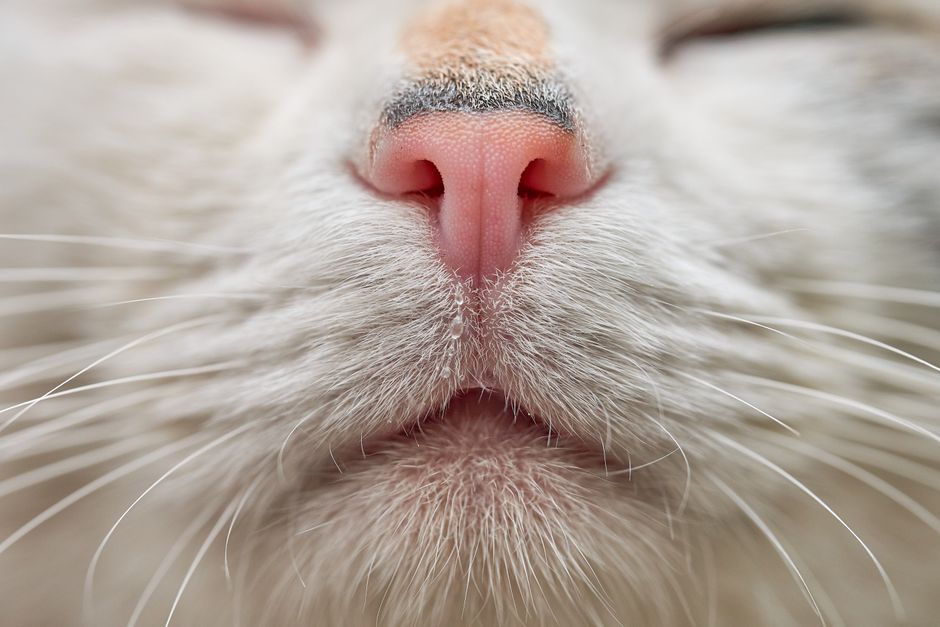
Most people assume a sneezing cat just has “a little cold” that’ll clear up on its own in a few days. Sometimes that’s true. But I’ve seen enough upper respiratory infections turn into weeks-long nightmares, or worse, that I want to give you the real picture of what’s actually happening when your cat sounds like a tiny congested human.
I’ll be honest: when I first started in practice, I underestimated how miserable these infections can make cats. Unlike dogs, cats are obligate nasal breathers. When their nose is stuffed up, they frequently stop eating because they can’t smell their food. A cat that hasn’t eaten in 48 hours is a cat that needs attention, not reassurance.
What’s Actually Causing It
Upper respiratory infection (URI) in cats isn’t one thing. It’s a catch-all term for a cluster of infections that target the nose, throat, sinuses, and sometimes the eyes and mouth. The overwhelming majority of cases, probably around 90%, come down to two pathogens: feline herpesvirus-1 (FHV-1) and feline calicivirus (FCV).
Here’s the part that surprises most cat owners: if your cat has herpesvirus, they have it for life. The virus goes latent in the nervous system between flare-ups, exactly the way human cold sores work. Stress, illness, or a change in environment can wake it up. What surprised me was how often I’d see cats come in for a URI right after their owners had moved, added a new pet, or even just changed the cat’s feeding schedule. The stress connection is real and documented.
Calicivirus is different. It tends to cause more pronounced mouth ulcers and joint pain, yes, joint pain in cats, which shows up as a sudden reluctance to move or jump. It can also mutate into a much more severe systemic form, though that’s relatively rare.
Beyond those two, Bordetella bronchiseptica and Chlamydophila felis account for a smaller share of cases, and Mycoplasma shows up as a co-infection more often than people realize. The American Veterinary Medical Association (AVMA) notes that multi-pathogen infections are common, especially in shelter or multi-cat environments, which is part of why “just a cold” can spiral unexpectedly.
How Sick Is Too Sick to Wait?
This is where I want to be specific, because the internet is full of vague “when in doubt, see a vet” advice that doesn’t actually help you make a decision on a Sunday afternoon.
See a vet within 24 hours if your cat:
- Has stopped eating for more than 24-36 hours
- Has yellow or green discharge from the eyes or nose (clear is usually viral; color means possible secondary bacterial infection)
- Is breathing with its mouth open, or you can hear audible wheezing
- Is lethargic beyond just “quiet”, won’t engage at all, won’t move to comfortable spots
- Has visible ulcers in the mouth or on the tongue
- Is a kitten under 6 months, or a senior cat over 12
If it’s just sneezing, mild clear nasal discharge, and your cat is still eating and drinking, you’ve probably got 48 hours to watch and wait. Keep the environment warm, run a humidifier near where they sleep, and gently wipe discharge from the face with a warm damp cloth. PetMD’s veterinary resource library has a solid breakdown of symptom progression that’s worth bookmarking for reference.
Go to an emergency vet immediately if you see open-mouth breathing, blue-tinged gums, or your cat collapses.
What the Vet Will Actually Do (and Why It Matters)
A lot of owners are frustrated when they bring in a sneezing cat and the vet doesn’t run a bunch of tests. I get it. But here’s the reality: most URIs are diagnosed clinically, meaning by symptoms, not by lab work. Swabbing for specific pathogens is expensive, slow, and rarely changes the initial treatment plan.
Treatment depends on severity. Mild cases often get supportive care recommendations only, maybe an eye ointment if there’s conjunctivitis. Moderate-to-severe cases may get antibiotics, not because antibiotics kill viruses (they don’t), but because secondary bacterial infections pile onto viral URIs constantly. The most commonly prescribed are doxycycline and azithromycin, both well-tolerated in cats. If herpesvirus is suspected, especially with eye involvement, some vets will prescribe famciclovir, the oral antiviral. It’s off-label in cats but the evidence for it is reasonable.
L-lysine supplements were recommended for years to suppress FHV-1 replication. I’ll be honest about where the research landed: mixed at best. A well-designed meta-analysis basically concluded that lysine supplementation in cats isn’t backed by solid evidence. Most university hospitals have quietly moved away from recommending it. If your vet still suggests it, it won’t hurt, just probably won’t do much either.
Nursing a Sick Cat at Home
Getting a congested cat to eat is often the whole battle. Warm wet food to just above room temperature, this intensifies the smell and usually breaks through even significant nasal congestion. Strong-smelling foods help too: tuna-flavored anything, or a tiny amount of low-sodium chicken broth drizzled over kibble.
A cool-mist humidifier in the room where your cat sleeps makes a real difference in comfort. So does steam from a hot shower if you close the cat in the bathroom with you for 10-15 minutes. Sounds fussy, but I’ve had clients report it’s the thing that finally got their cat comfortable enough to eat.
Keep the face clean. Dried discharge crusts around the nose and eyes and makes cats even more miserable. Warm water on a soft cloth, gentle pressure, no scrubbing.
If you don’t already have a basic pet first aid kit, it’s worth keeping one around. Not necessarily for a URI itself, but for all the minor things that come up between vet visits. Something like the EVERLIT 95-Piece Vet-Approved Pet First Aid Kit (around $32) is a reasonable starting point.
The Shelter Cat Problem
I want to flag this specifically because people who adopt from shelters need to know: URI is almost universal in shelter cats. The stress of shelter life, close quarters, and shared air constantly reactivates latent herpesvirus. A cat that seemed fine at adoption can start sneezing within 48 hours of coming home.
This isn’t a reason not to adopt. It’s a reason to isolate the new cat from any resident cats for at least two weeks, watch closely, and have a vet visit scheduled within the first week regardless of whether the cat seems sick. Newly adopted cats should also be vaccinated, if they haven’t been recently, since the FVRCP vaccine covers both herpesvirus and calicivirus.
And yes, even vaccinated cats can get URIs. The vaccines reduce severity significantly, but they’re not sterilizing immunity. Think of it like the flu shot.
FAQ
Can I catch a URI from my cat?
No. Feline herpesvirus and calicivirus are species-specific and pose zero risk to humans. The only URI-associated pathogen with any zoonotic potential is Bordetella, and transmission to immunocompetent adults is extraordinarily rare. You can’t catch your cat’s cold.
How long does a cat URI typically last?
Mild cases usually resolve in 7-14 days with supportive care. If your cat isn’t showing clear improvement by day 10, or gets worse after initially improving, that warrants a vet call. Secondary bacterial infections can extend things significantly, and some herpesvirus flares drag on for three weeks or more.
Should I keep my sick cat away from my other cats?
Yes, at least initially. Both FHV-1 and calicivirus spread through direct contact and shared food bowls or litter boxes. Separate them until the sick cat has been symptom-free for at least 48 hours. Disinfection matters too: calicivirus is particularly hardy and can survive on surfaces for up to a month.
My cat had a URI six months ago and is sneezing again. Is this the same infection?
Probably a reactivation of herpesvirus rather than a brand-new infection. The first outbreak is usually the worst; recurrences tend to be milder and shorter. Stress is the most common trigger. If recurrences are frequent or severe, talk to your vet about whether a low-dose antiviral protocol makes sense.
Can I give my cat anything over the counter for symptoms?
Almost nothing in your medicine cabinet is safe for cats. No Sudafed, no Benadryl without specific veterinary guidance, absolutely no acetaminophen or ibuprofen, which are both toxic to cats. Saline nasal drops (the plain kind with no decongestants) can be used to gently loosen nasal discharge. That’s about the limit of safe OTC options.
Disclosure: As an Amazon Associate, we earn a small commission from qualifying purchases at no extra cost to you. We only recommend products that genuinely support the topics covered in this article.
- EVERLIT 95-Piece Vet-Approved Pet First Aid Kit (~$32), Vet-approved 95-piece kit for dogs and cats, covers cuts, burns, sprains, and emergencies until you can reach a vet.
- Nutramax Cosequin DS Joint Supplement for Dogs (132ct) (~$36), The #1 veterinarian-recommended joint supplement brand, clinically studied for reducing joint pain in dogs.
Photo: Aleksandr Nadyojin via Pexels
Sources
- American Veterinary Medical Association (AVMA)
- PetMD’s veterinary resource library
- EVERLIT 95-Piece Vet-Approved Pet First Aid Kit
- Nutramax Cosequin DS Joint Supplement for Dogs (132ct)
- Aleksandr Nadyojin
Disclosure: As an Amazon Associate, we earn a small commission from qualifying purchases at no extra cost to you. We only recommend products that genuinely support the topics covered in this article.
- EVERLIT 95-Piece Vet-Approved Pet First Aid Kit (~$32), Vet-approved 95-piece kit for dogs and cats, covers cuts, burns, sprains, and emergencies until you can reach a vet.
- Nutramax Cosequin DS Joint Supplement for Dogs (132ct) (~$36), The #1 veterinarian-recommended joint supplement brand, clinically studied for reducing joint pain in dogs.
Recommended Resources
Disclosure: As an Amazon Associate, we earn a small commission from qualifying purchases at no extra cost to you. We only recommend products that genuinely support the topics covered in this article.
- EVERLIT 95-Piece Vet-Approved Pet First Aid Kit (~$32), Vet-approved 95-piece kit for dogs and cats, covers cuts, burns, sprains, and emergencies until you can reach a vet.
- Nutramax Cosequin DS Joint Supplement for Dogs (132ct) (~$36), The #1 veterinarian-recommended joint supplement brand, clinically studied for reducing joint pain in dogs.