 Tom Harris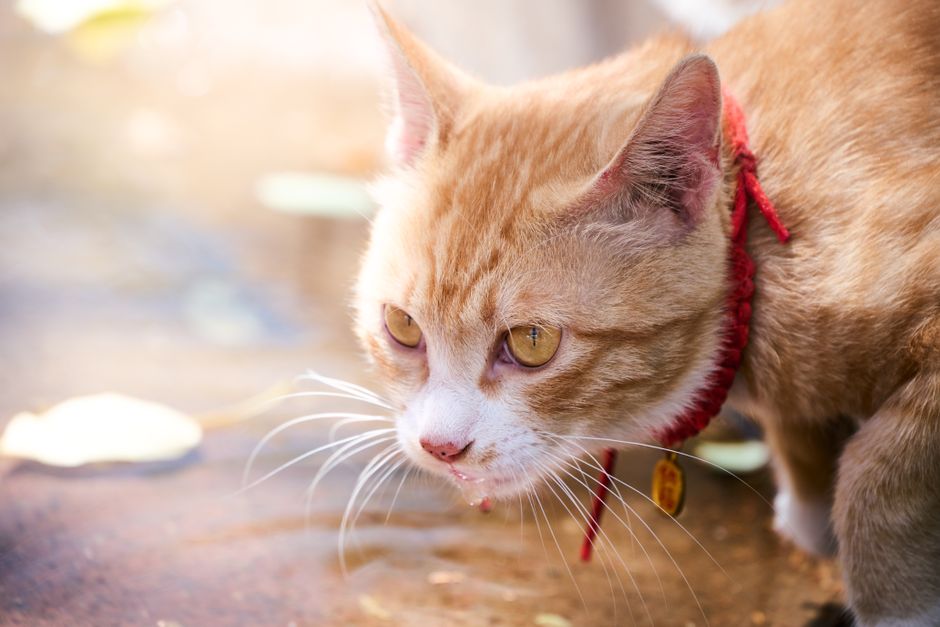
Your cat has been in and out of the litter box five times in the last hour. Each time, she squats, strains, and produces almost nothing. Maybe she cried out once. Maybe you noticed a tiny pink tinge in the box. Your gut is telling you something is wrong, and you should trust that instinct, because what you’re describing is a classic picture of feline lower urinary tract disease (FLUTD), and in some cases it genuinely cannot wait.
Urinary problems are one of the most common reasons cats end up in emergency clinics, and one of the most misunderstood by owners. A lot of people assume it’s a simple infection, like the UTIs humans get, treat it as a minor inconvenience, and wait too long. The reality is messier and, depending on the situation, potentially life-threatening. Let me break down what you actually need to know.
Use this checklist to assess your cat's symptoms and determine the appropriate response timeline.
| Symptom or Finding | Urgency Level | Recommended Action |
|---|---|---|
| Straining with zero urine output for 6+ hours (especially male cats) | EMERGENCY | Immediate vet or emergency clinic-urethral blockage can be fatal within 24-48 hours |
| Vomiting, lethargy, or collapse combined with straining | EMERGENCY | Indicates possible toxin buildup from blockage; do not wait |
| Crying out in pain while attempting to urinate | URGENT | Same-day veterinary visit required |
| Blood visible in urine (pink/red tinge) | URGENT | Schedule appointment within 24 hours; monitor for worsening |
| Frequent small urinations with some output, no other symptoms | PROMPT | Veterinary visit within 1-2 days; track litter box output |
| Urinating outside litter box (new behavior), otherwise normal | NON-URGENT | Schedule routine vet appointment; rule out stress or early FLUTD |
| Key rule for male cats: Any straining without urine production should be treated as an emergency until proven otherwise. | ||
General information for comparison, confirm specifics for your situation.
What’s Actually Going On: FLUTD vs. True UTI
Here’s something that surprises most cat owners: actual bacterial urinary tract infections are surprisingly uncommon in cats compared to dogs or people. PetMD’s veterinary resource library puts it at just 1-3% of urinary problems in cats under 10 years old. In younger and middle-aged cats, you’re more likely dealing with idiopathic cystitis, which is bladder inflammation with no identifiable bacterial cause. Stress, diet, and environment all factor in.
But infections absolutely happen, especially in older cats, cats with diabetes, cats on long-term steroids, or cats born with anatomical problems. Female cats have an extra risk because their urethra is shorter, making it easier for bacteria to travel upward. Male cats face something worse: their urethra is extremely narrow, and even small amounts of inflammation, mucus, or crystalline debris can cause a complete blockage.
FLUTD is an umbrella term covering idiopathic cystitis, urinary stones, urethral plugs, bacterial infections, and urethral strictures. You can’t tell which one just by watching your cat strain. That’s why recognizing the signs matters so much.
The Signs You Need to Know
Some of these are obvious. Some are easy to miss when you’ve got multiple cats sharing one box.
Frequent trips to the litter box with little or no output. This is the hallmark. Your cat isn’t being difficult. She’s trying to urinate and can’t. Even small, repeated squatting with nothing produced should alert you immediately.
Straining or crying during urination. Howling, yowling, or even a low grunt means pain. Cats hide pain well. If your cat is making noise in the litter box, take it seriously.
Blood in the urine. Pink, red, or brownish tinge in the box or on the litter is alarming, but here’s what’s useful to know: a small amount of blood is common with feline cystitis and doesn’t automatically mean infection. It does mean your cat needs evaluation.
Urinating outside the litter box. When cats hurt or feel urgent, they sometimes don’t make it to the box, or they start avoiding it because they associate it with pain. Sudden elimination on cool surfaces like tile or a bathtub is a known pain behavior. Our article on cat not using the litter box causes covers all the reasons this happens, but urinary tract pain ranks near the top.
Excessive licking of the genital area. Cats lick at discomfort. Obsessive grooming of the lower belly or genitals often signals urinary irritation.
Lethargy, vomiting, or a hard abdomen. These are the real warning signs. A quiet cat that won’t eat, vomits repeatedly, and has a firm or swollen belly might have a complete urethral obstruction. That’s an emergency.
The Emergency vs. Wait-Until-Monday Breakdown
This is where people get it wrong most often, and I’ll be blunt.
Go to an emergency vet right now if your cat:
- Is straining repeatedly with absolutely no urine for more than 2-3 hours
- Is male and showing any straining at all (males block faster and it turns fatal faster)
- Is crying out in pain or seems distressed
- Is vomiting alongside urinary symptoms
- Is lethargic, hiding, or acting abnormal
- Has a visibly distended or painful belly
A male cat with a complete blockage can go from distressed to dying within 24-48 hours as potassium levels spike and the heart fails. I’ve watched owners wait a full day thinking their cat was “just constipated.” Don’t be that person.
Call your regular vet first thing in the morning if your cat:
- Made it to the box and produced some urine, even small amounts
- Has blood in the urine but is eating and acting normal otherwise
- Is going frequently and you’ve confirmed some output
- Is female with mild straining but no distress signs
Even these “morning call” cases need a vet visit within 24 hours, not Friday of next week.
How Vets Diagnose and Treat Feline Urinary Issues
When you bring your cat in, your vet isn’t glancing at her and writing an antibiotic prescription. The right workup matters because antibiotics do nothing for idiopathic cystitis, and missing a bacterial infection or stone creates real problems.
Here’s what to expect:
Urinalysis. This is the foundation. Your vet collects urine, often by cystocentesis (a needle directly into the bladder, quick and effective), then evaluates it for pH, blood, protein, crystals, bacteria, and white blood cells. In-clinic results come back fast.
Urine culture and sensitivity. If bacteria are suspected, the sample goes to a lab to identify the exact organism and which antibiotics kill it. This takes 48-72 hours but matters enormously because the wrong antibiotic accomplishes nothing.
X-rays or ultrasound. Stones or masses require imaging to see what you’re dealing with and where it’s located. Some stones won’t show on X-ray and need ultrasound.
Bloodwork. Cats showing signs of systemic illness need a basic chemistry panel to check kidney values and electrolytes, especially potassium if obstruction is suspected.
True bacterial UTIs get treated with antibiotics specific to the culture results, usually 7-14 days. Idiopathic cystitis is handled differently: pain relief, anti-inflammatories, stress reduction, increased water intake, and sometimes prescription diets. Stones may dissolve on special diets (struvite stones) or need surgery (calcium oxalate stones). Obstructions require emergency catheterization and hospitalization.
What You Can Do at Home to Support Recovery (and Help Prevent Recurrence)
Home care won’t cure a UTI or fix an obstruction. But it plays a genuine role in recovery and prevention, especially for cats prone to recurrent FLUTD.
Water intake is the biggest lever. Cats are desert animals with weak thirst drives. Getting more water into them is one of the most effective things you can do for urinary health. Switch to wet food if you haven’t already, or add a pet water fountain. Most cats drink significantly more from moving water.
Stress management matters. Idiopathic cystitis is tightly linked to stress. Multi-cat households, routine changes, new pets, even construction noise outside can trigger flare-ups. Feliway diffusers, vertical space, and consistent feeding schedules all help.
Litter box hygiene. The standard recommendation: one box per cat plus one extra. Scooping daily and full cleaning weekly makes cats more likely to use the box and helps you spot abnormal output early.
Diet. Prescription urinary diets exist for good reason. Cats with recurrent struvite crystals or calcium oxalate stones need vet-recommended diets as part of treatment, not as optional add-ons.
Track your cat after treatment. Recurrence rates for feline idiopathic cystitis run 30-50% in some studies. Knowing your cat’s normal bathroom habits means you’ll catch a relapse fast.
Having a decent pet first aid kit on hand is genuinely useful for cat owners managing chronic conditions. This well-reviewed pet first aid kit on Amazon covers basics and gives you supplies ready while you’re getting to the vet. (This site may earn a commission from qualifying purchases.)
Urinary problems in cats sit in that frustrating space where some cases can legitimately wait until Monday morning, and others need you in the car right now. The key is knowing which is which. Paying close attention to your cat’s litter box habits, acting fast when something looks wrong, and building a relationship with your vet ahead of a crisis, those three things will help you far more than any home remedy. If you’re already seeing your vet regularly, her annual checkup is the perfect time to talk about urinary health proactively. Check out what a cat annual vet visit typically covers so you know what questions to ask.
This article is for general informational purposes only and does not constitute veterinary advice. Pet health symptoms can have many causes and require professional evaluation. Always consult a licensed veterinarian for diagnosis and treatment specific to your pet.
Disclosure: As an Amazon Associate, we earn a small commission from qualifying purchases at no extra cost to you. We only recommend products that genuinely support the topics covered in this article.
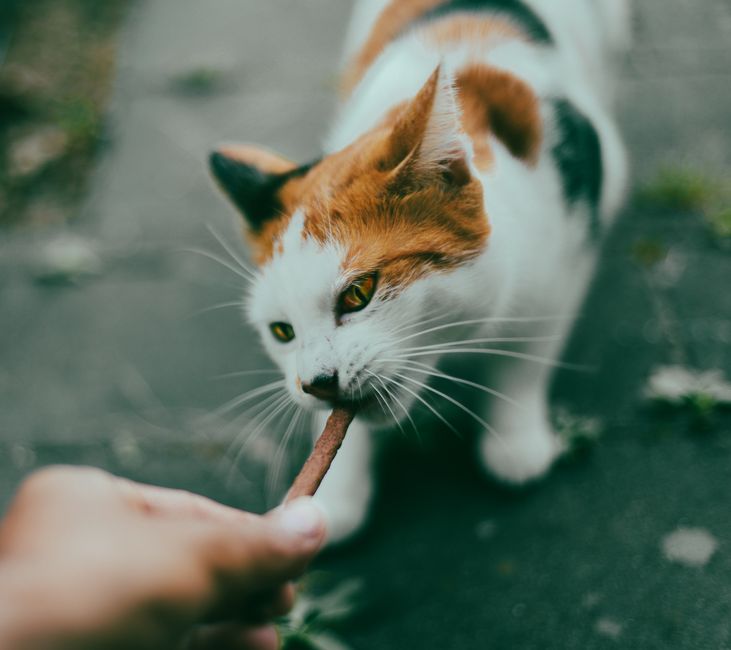
Photo: Felix Maltz via Pexels
Sources
- This well-reviewed pet first aid kit on Amazon
- EVERLIT 95-Piece Vet-Approved Pet First Aid Kit
- Nutramax Cosequin DS Joint Supplement for Dogs (132ct)
- Felix Maltz
Disclosure: As an Amazon Associate, we earn a small commission from qualifying purchases at no extra cost to you. We only recommend products that genuinely support the topics covered in this article.
- EVERLIT 95-Piece Vet-Approved Pet First Aid Kit (~$32), Vet-approved 95-piece kit for dogs and cats, covers cuts, burns, sprains, and emergencies until you can reach a vet.
- Nutramax Cosequin DS Joint Supplement for Dogs (132ct) (~$36), The #1 veterinarian-recommended joint supplement brand, clinically studied for reducing joint pain in dogs.
Recommended Resources
Disclosure: As an Amazon Associate, we earn a small commission from qualifying purchases at no extra cost to you. We only recommend products that genuinely support the topics covered in this article.
- EVERLIT 95-Piece Vet-Approved Pet First Aid Kit (~$32), Vet-approved 95-piece kit for dogs and cats, covers cuts, burns, sprains, and emergencies until you can reach a vet.
- Nutramax Cosequin DS Joint Supplement for Dogs (132ct) (~$36), The #1 veterinarian-recommended joint supplement brand, clinically studied for reducing joint pain in dogs.