 James Whitfield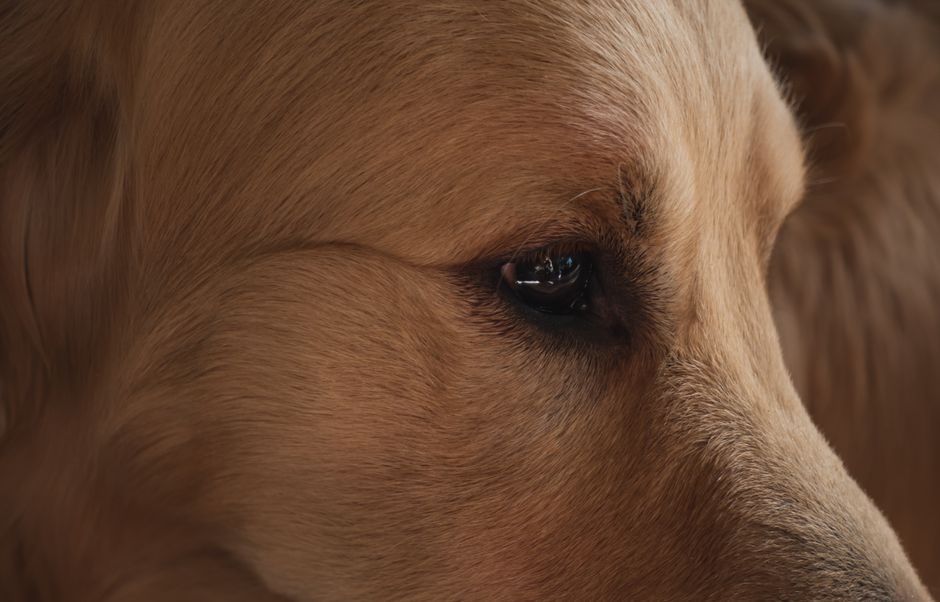
Most people notice it as a cloudiness in one eye. Then the other. You Google “cloudy eyes in dogs” at midnight and end up somewhere between “it’s just nuclear sclerosis, totally normal” and “your dog is going blind and needs $4,000 surgery.” You’re not sure which end of that spectrum you’re looking at, and honestly, that uncertainty is exactly where I want to start.
Cataracts in dogs are one of the most common things I see owners get confused about, partly because the condition looks so similar to another age-related change called nuclear sclerosis, and partly because the treatment conversation gets complicated fast. Let me walk you through what’s actually going on, what your real options are, and how to think about the decision without panicking.
What You’re Actually Looking At (And What It Isn’t)
Here’s the thing that trips people up constantly, and I’ll be honest, it tripped me up early in my career too. Nuclear sclerosis, the normal hardening of the lens that happens in virtually every dog over age seven, looks alarmingly similar to a cataract from across the room. Both create a bluish-gray haze in the eye. But nuclear sclerosis doesn’t significantly impair vision, and it doesn’t require surgery. A true cataract is an opacity in the lens that actually blocks light from reaching the retina. The distinction matters enormously when you’re deciding what to do next.
Your vet can tell the difference with an ophthalmoscope in about two minutes. If you’ve been told it’s a cataract, get that confirmed by a board-certified veterinary ophthalmologist before you do anything else. In my experience, this referral step gets skipped more than it should, and it matters because the ophthalmologist will also check retinal function before recommending surgery. If the retina is already damaged from diabetes or another underlying condition, surgery won’t restore vision even if it goes perfectly.
A few things that cause cataracts in dogs: diabetes mellitus (diabetic cataracts can develop within weeks of a diabetes diagnosis and are notoriously fast-moving), inherited cataracts in breeds like Bichon Frisés, Labrador Retrievers, American Cocker Spaniels, and Poodles, trauma, and certain toxin exposures. PetMD’s veterinary resource library has a solid breakdown of breed predispositions if you want to check where your dog falls.
The Only Proven Treatment: Phacoemulsification Surgery
Helpful resource: FRONTLINE Plus Flea and Tick Treatment for Dogs is a top-rated option for this. (As an Amazon Associate this site earns from qualifying purchases.)
Let me be direct. As of July 2026, there is no eye drop, supplement, or topical medication that has been scientifically proven to reverse or stop canine cataracts. I know you’ve seen the Lanosterol-based eye drop research. That 2015 study in Science generated real excitement, but subsequent controlled trials in dogs have not produced the clear results people hoped for. The drops aren’t clinically available in any validated form yet, and I’d be doing you a disservice to oversell them.
The treatment that works is phacoemulsification. It’s essentially the same procedure used in humans, where an ultrasonic probe breaks up the cloudy lens and removes it, replacing it with an artificial intraocular lens. Success rates are genuinely impressive: a 2020 study in Veterinary Ophthalmology tracked 425 eyes over 12 months and found that roughly 90% of dogs had functional vision post-surgery when the procedure was performed before the cataract reached the “hypermature” stage. That number drops meaningfully if you wait too long.
Cost varies significantly by region, specialist, and whether one or both eyes are done at once, but you’re generally looking at $2,700 to $4,500 per eye at most specialty centers. Both eyes done simultaneously costs more upfront but usually saves money overall compared to two separate anesthetic events.
A real-world example of timing’s impact: A reader named Patricia from outside Columbus, Ohio emailed me last spring about her eight-year-old Cocker Spaniel, Beau. Beau had been diagnosed with early immature cataracts six months prior. Patricia had been weighing the surgery decision and decided to wait. By the time she reached a veterinary ophthalmologist, the cataracts had progressed to hypermature, and lens-induced uveitis (inflammation from the leaking lens proteins) had already damaged the eye’s drainage angle. Beau had surgery on the less-affected eye and recovered well, but the other eye had elevated intraocular pressure. Surgery → partial vision restored in one eye, permanent pressure management needed in the other.
The takeaway: immature or early mature cataracts respond much better than hypermature ones. If surgery is something you’re considering, don’t defer the conversation.
When Surgery Isn’t the Right Call
| Scenario | Success Rate | Key Consideration |
|---|---|---|
| Surgery before hypermature stage | ~90% functional vision at 12 months | Timing is critical; outcomes decline significantly if deferred |
| Surgery at hypermature stage | Lower success rate | Risk of lens-induced uveitis and retinal damage |
| Non-surgical management | N/A | Suitable for dogs with systemic illness, non-functional retina, or good adaptation to vision loss |
I want to be honest here because I’ve seen people pushed toward surgery when it wasn’t in the dog’s best interest.
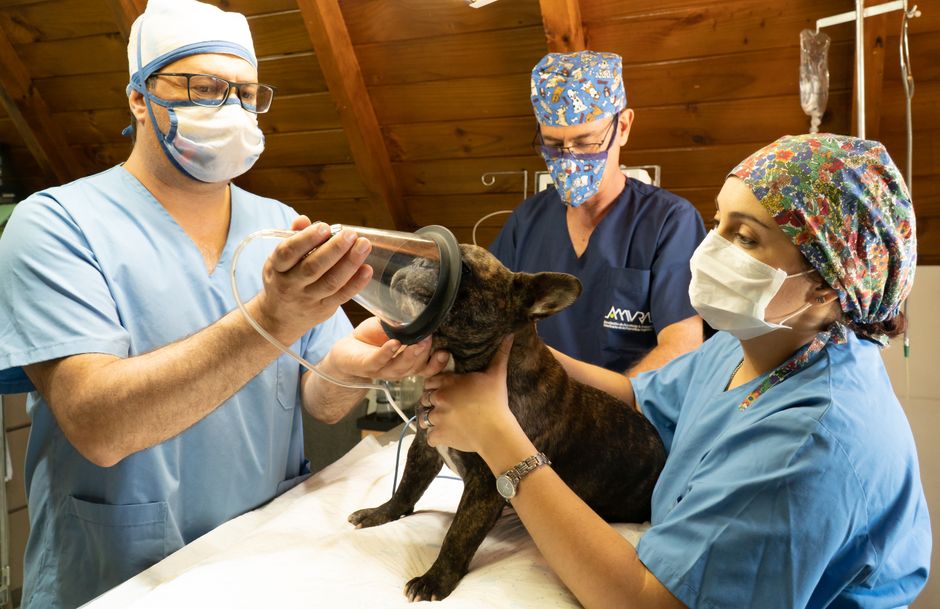
Surgery requires general anesthesia, which carries real risk in dogs with uncontrolled diabetes, significant heart disease, or other systemic illness. The ophthalmologist will want comprehensive bloodwork, a cardiac evaluation in older patients, and crucially, an electroretinogram to confirm the retina can actually respond to light before putting your dog under. If the retina is non-functional, the lens removal doesn’t give vision back.
There are also dogs who adapt remarkably well to vision loss. Dogs navigate primarily by smell and spatial memory. I’ve seen completely blind dogs live full, happy lives with some environmental management: keeping furniture in consistent places, using scent markers near stairs, adding texture to floor transitions. The ASPCA has guidance on managing pets with vision impairment that’s worth reading if you’re going this route.
Medical management scenario: A Cavalier King Charles Spaniel named Maisie, seen at the clinic where I worked until 2023, was diagnosed with bilateral cataracts at age eleven. Her owners elected not to pursue surgery given her cardiac issues (which are common in Cavaliers). We managed the lens-induced uveitis with Prednisolone Acetate 1% eye drops twice daily, monitored intraocular pressure quarterly, and kept her environment consistent. She maintained reasonable quality of life for two more years with zero vision restoration but also no surgical risk.
Preparing for the Ophthalmologist Appointment
You’ll get more out of that visit if you come prepared. Here’s what I tell people to bring and be ready to discuss:
Bring any records of when you first noticed the cloudiness, and note whether it seemed to progress fast (diabetic cataracts can do that). Be upfront about your dog’s overall health, any medications they’re on, and your realistic budget. Ophthalmologists don’t expect everyone to say yes to surgery, and a good one will give you an honest picture of your dog’s candidacy before you commit to anything.
Ask specifically about retinal function testing. Ask about the stage of the cataract (immature, mature, hypermature). Ask what happens if you wait three to six months. And ask whether lens-induced uveitis is already present, because that changes the urgency calculus considerably.
A useful product to have at home while navigating this: a pet-specific eye wash like Vetericyn Plus Eye Wash (around $15-18 on Amazon) for daily cleaning around the eye area, especially if your dog is prone to discharge. It won’t affect the cataract, but it reduces secondary irritation and keeps things clean while you’re in the decision-making window. (Note: the site may earn a commission on that link.)
Sources
- Veterinary Ophthalmology (2020): “Long-term outcomes of phacoemulsification in dogs with cataracts” tracking 425 eyes over 12 months, reporting ~90% functional vision in non-hypermature cases.
- PetMD Veterinary Resource Library: Breed predisposition data and general cataract overview, reviewed by licensed DVMs.
- Donaldson D, et al. (2019): “Lens-induced uveitis in dogs: clinical features and outcomes,” Veterinary Record. Documents inflammation cascade from hypermature cataracts.
- ASPCA Animal Poison Control Center and ASPCA general pet care resources: toxin-related eye damage and managing pets with vision impairment.
- Gelatt KN (Ed.), Veterinary Ophthalmology, 5th Edition: Standard clinical reference for phacoemulsification technique and candidacy criteria in dogs.
This article is for general informational purposes only and does not constitute veterinary advice. Pet health symptoms can have many causes and require professional evaluation. Always consult a licensed veterinarian for diagnosis and treatment specific to your pet.
Recommended Resources
Disclosure: As an Amazon Associate, we earn a small commission from qualifying purchases at no extra cost to you. We only recommend products that genuinely support the topics covered in this article.
- EVERLIT 95-Piece Vet-Approved Pet First Aid Kit (~$32), Vet-approved 95-piece kit for dogs and cats, covers cuts, burns, sprains, and emergencies until you can reach a vet.
- Nutramax Cosequin DS Joint Supplement for Dogs (132ct) (~$36), The #1 veterinarian-recommended joint supplement brand, clinically studied for reducing joint pain in dogs.