 Michelle Chen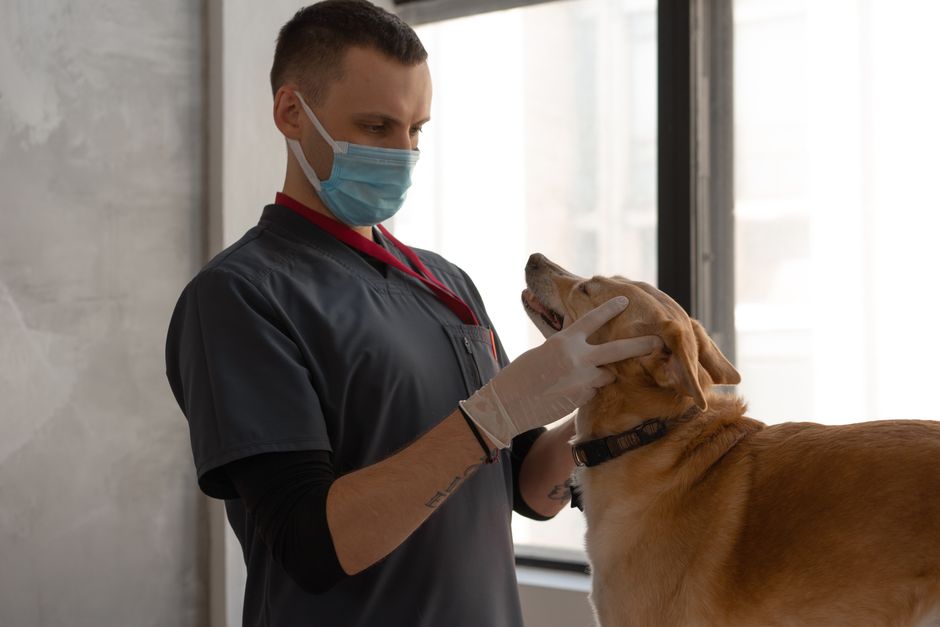
One in three hundred dogs will develop Cushing’s disease at some point in their life. That sounds rare until it’s your dog, and suddenly you’re deep in a rabbit hole at midnight trying to figure out why she’s been drinking out of her water bowl four times before noon.
If you’re here, you’ve probably noticed something’s off. Maybe the pot belly that appeared seemingly overnight. The fur that’s thinning in patches. The dog who used to race you to the door and now just… doesn’t. You’re not imagining it, and you’re right to be looking into it.
Hyperadrenocorticism (which is what Cushing’s disease actually is) happens when your dog’s body produces too much cortisol over time. Cortisol is a stress hormone that, in normal amounts, helps regulate all kinds of body functions. Too much of it for too long, though, and things start to break down in ways that look a lot like normal aging. That’s exactly why Cushing’s gets missed for so long in so many dogs.
- Cushing's disease affects an estimated 100,000 dogs in the U.S. annually, mostly those over 6 years old.
- The three most reported early symptoms are increased thirst, increased urination, and a pot-bellied appearance.
- Pituitary-dependent Cushing's accounts for roughly 80-85% of all cases; the adrenal form is rarer.
- Diagnosis typically requires at least two to three different blood and urine tests, not just a single panel.
- Cushing's is manageable, not curable, most dogs do well on medication but need monitoring every 3-6 months.
What Cushing’s Is Actually Doing to Your Dog
Here’s the thing I try to explain to every owner who comes in with a dog they suspect has Cushing’s: the symptoms look scattered at first because cortisol touches almost every system in the body. It’s not one thing going wrong. It’s everything going a little wrong at once, and the pattern is what gives it away.
The pituitary gland (a small structure at the base of the brain) is responsible for the majority of cases. When a small benign tumor develops there, it sends out too much ACTH, the hormone that tells the adrenal glands to produce cortisol. The adrenals, doing exactly what they’re told, just keep pumping. This is pituitary-dependent Cushing’s, and it accounts for approximately 80-85% of diagnosed cases, according to the American Veterinary Medical Association (AVMA).
The other 15-20% of cases come from a tumor on one of the adrenal glands directly. That tumor just produces cortisol on its own, without waiting for instructions. This form sometimes gets flagged sooner because adrenal tumors occasionally show up on abdominal ultrasound for other reasons. Small distinction, but it matters when your vet is deciding how to treat.
There’s also iatrogenic Cushing’s, which is caused by long-term steroid use (prednisone, dexamethasone, and similar medications). I’ve seen this one catch owners completely off guard, especially when the steroids were prescribed for an unrelated condition like allergies or immune disease. If your dog has been on steroids for months and starts showing these symptoms, that’s a conversation to have with your vet immediately.
The Symptoms, in Order of How Often I See Them
Helpful resource: FRONTLINE Plus Flea and Tick Treatment for Dogs is a top-rated option for this. (As an Amazon Associate this site earns from qualifying purchases.)
Not every dog presents the same way. But after 13 years of seeing Cushing’s cases come through the clinic, there’s a pretty reliable pattern to how things show up.
Increased thirst and urination almost always come first. Most owners notice this before anything else. We’re talking about a dog who suddenly needs water constantly and may be having accidents indoors after years of being reliable. The clinical term is polydipsia (increased drinking) and polyuria (increased urination), and it’s so common in Cushing’s that PetMD’s veterinary resource library lists it as the number-one presenting complaint in affected dogs.
Then comes the pot belly. Cortisol causes fat to redistribute to the abdomen and weakens the abdominal muscles, so the belly actually drops and rounds. People often assume their dog has just gained weight, but you can sometimes see a difference: the ribs are often still palpable and the back is relatively normal, while the belly hangs low. It’s a specific shape.
Hair loss and skin changes are probably the most visually striking. The hair loss tends to be symmetrical, often on the flanks and sides, and the skin underneath can look darker, sometimes almost gray or mottled. Comedones (those tiny blackhead-like bumps) along the belly are actually a pretty telling sign. The skin can also feel thin and papery. I’ve had owners describe it as “her skin doesn’t bounce back the way it used to.”
Other symptoms that show up with some regularity:
- Muscle weakness and reduced exercise tolerance (often misattributed to arthritis)
- Panting excessively, even at rest and without heat
- Recurrent skin or urinary infections (high cortisol suppresses immune function)
- Failure to cycle in unspayed females
- Testicular atrophy in males
- Calcinosis cutis: hard calcium deposits under the skin, which I’ve only seen in more advanced or severe cases
Lethargy and appetite changes are tricky because they go both ways. Some Cushing’s dogs are ravenously hungry; others lose interest in food. The lethargy can look exactly like a normal aging dog slowing down, which is why the average time from symptom onset to Cushing’s diagnosis is reportedly around 1-2 years. Owners aren’t failing to notice. The symptoms genuinely mimic aging.
Which Breeds Are Most at Risk
Honestly, any dog can develop Cushing’s, but there’s a clear breed pattern. Poodles, Dachshunds, Boston Terriers, Boxers, and Beagles are overrepresented in pretty much every study that’s looked at this. A 2023 retrospective from the Journal of Veterinary Internal Medicine found that small and medium breeds account for disproportionately high case numbers, with Miniature Poodles carrying particularly elevated risk.
Age is the other major factor. Most dogs diagnosed with Cushing’s are between 7 and 12 years old. That’s not a coincidence; the pituitary microadenomas that cause most cases tend to develop slowly over years. A dog presenting with these symptoms at 3 years old is far more likely to have something else going on.
Symptom Comparison by Cushing’s Type
This is something I genuinely wish more owners understood before their vet conversation, because the type of Cushing’s affects both the diagnostic approach and what treatment looks like.
| Feature | Pituitary-Dependent | Adrenal-Dependent |
|---|---|---|
| Frequency | ~80-85% of cases | ~15-20% of cases |
| Typical age at diagnosis | 7-12 years | 7-12 years (slightly older) |
| Breed tendency | Small breeds (Poodles, Dachshunds) | Larger breeds more common |
| Both adrenal glands | Enlarged | One normal, one enlarged |
| Pot belly | Very common | Common |
| Skin/coat changes | Very common | Common |
| Primary treatment | Trilostane or mitotane (medication) | Surgery if tumor is accessible |
| Malignancy risk | Low (most pituitary tumors are benign) | ~50% of adrenal tumors are malignant |
That last row matters a lot. If your vet suspects adrenal-dependent Cushing’s, they’ll want abdominal imaging, partly to look at tumor size and partly to check for vascular invasion, which can change the surgical picture significantly.
What to Expect at the Vet
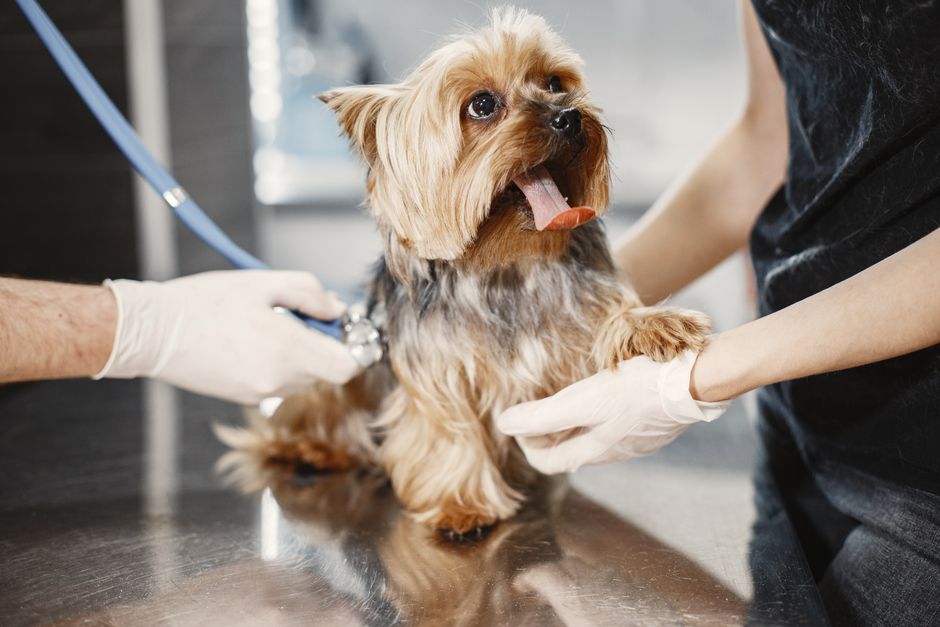
I’m going to be direct here because a lot of the advice online makes this sound simpler than it is: diagnosing Cushing’s takes more than one test. Your vet will probably run a urinalysis and a basic blood panel first (these show changes consistent with Cushing’s but aren’t diagnostic on their own), then move to one of two specific tests.
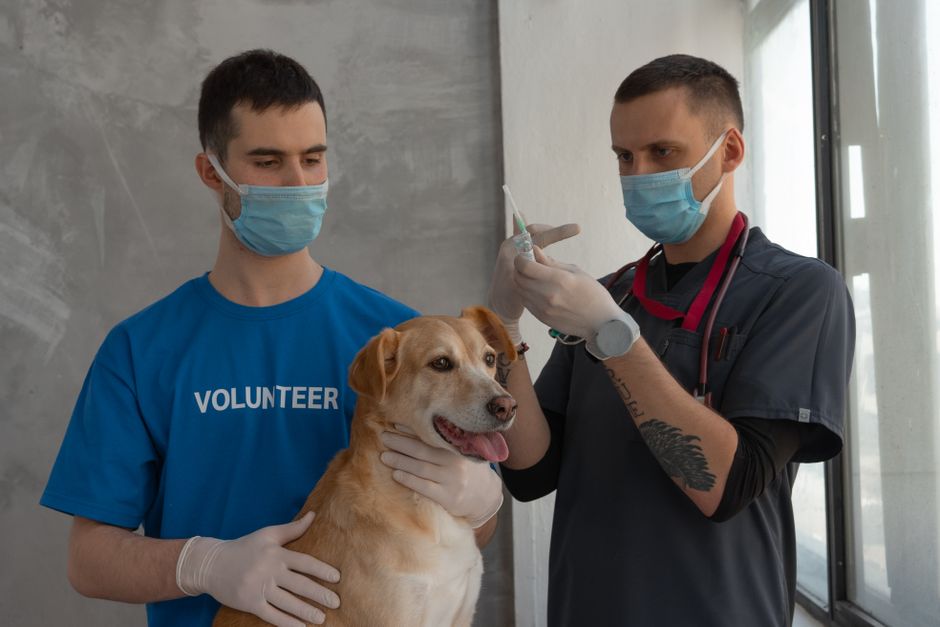
The low-dose dexamethasone suppression test (LDDST) is the most commonly used first-line diagnostic. Your dog gets a small injection of dexamethasone; in a normal dog, this suppresses cortisol production. In a Cushing’s dog, it doesn’t. The test takes 8 hours, and your dog will spend the day at the clinic. (The smell of those waiting exam rooms at hour 7 is something I remember clearly from my early clinic days; there’s a specific institutional quiet to a late afternoon diagnostic day.)
The ACTH stimulation test measures cortisol before and after an injection of synthetic ACTH. It’s faster (about 2 hours) but less sensitive for pituitary-dependent Cushing’s. It is, however, the test used to monitor treatment once medication is started. Your vet will probably use both at different points.
A scenario that plays out regularly: A 9-year-old Beagle comes in with a 6-month history of increased drinking and a new pot belly. Urinalysis shows dilute urine and a urinary tract infection. Blood work shows elevated alkaline phosphatase (ALP), which is almost universally high in Cushing’s dogs. LDDST confirms lack of suppression. Abdominal ultrasound shows bilaterally enlarged adrenal glands, consistent with pituitary-dependent disease. Trilostane started at 2.2 mg/kg daily. ACTH stim recheck at 4 weeks shows cortisol now in target range. Owner reports dog drinking normally again by week 6.
That’s a pretty typical trajectory when everything goes smoothly.
When This Is an Emergency
Most of the time, Cushing’s progresses slowly and you have time to schedule a regular appointment. But there are two situations where you don’t wait.
If your dog is on treatment for Cushing’s (trilostane or mitotane especially) and suddenly becomes weak, wobbly, vomiting, or refuses to eat, that can signal an Addisonian crisis, which happens when cortisol drops too low. This is life-threatening. Go to an emergency clinic.
If an undiagnosed dog suddenly shows neurological signs alongside other Cushing’s symptoms (circling, head pressing, seizures, apparent blindness), the pituitary tumor may have grown large enough to affect brain tissue. This is less common but absolutely warrants immediate emergency evaluation.
Sources
- American Veterinary Medical Association (AVMA): Overview of hyperadrenocorticism prevalence and treatment guidelines in dogs.
- Journal of Veterinary Internal Medicine (2023): Retrospective analysis of breed predisposition and symptom frequency in canine Cushing’s disease.
- PetMD Veterinary Resource Library: Clinical symptom descriptions and owner-reported presenting complaints.
- Feldman, E.C. & Nelson, R.W., Canine and Feline Endocrinology and Reproduction (4th ed.): Standard diagnostic and treatment reference for pituitary-dependent vs. adrenal-dependent disease classification.
- Behrend, E.N. et al., “Diagnosis of Spontaneous Canine Hyperadrenocorticism,” Journal of the American Animal Hospital Association (2013): Diagnostic test sensitivity and specificity data used in clinical practice.
Photo: Mikhail Nilov via Pexels
This article is for general informational purposes only and does not constitute veterinary advice. Pet health symptoms can have many causes and require professional evaluation. Always consult a licensed veterinarian for diagnosis and treatment specific to your pet.
Recommended Resources
Disclosure: As an Amazon Associate, we earn a small commission from qualifying purchases at no extra cost to you. We only recommend products that genuinely support the topics covered in this article.
- EVERLIT 95-Piece Vet-Approved Pet First Aid Kit (~$32), Vet-approved 95-piece kit for dogs and cats, covers cuts, burns, sprains, and emergencies until you can reach a vet.
- Nutramax Cosequin DS Joint Supplement for Dogs (132ct) (~$36), The #1 veterinarian-recommended joint supplement brand, clinically studied for reducing joint pain in dogs.