 Karen Lopez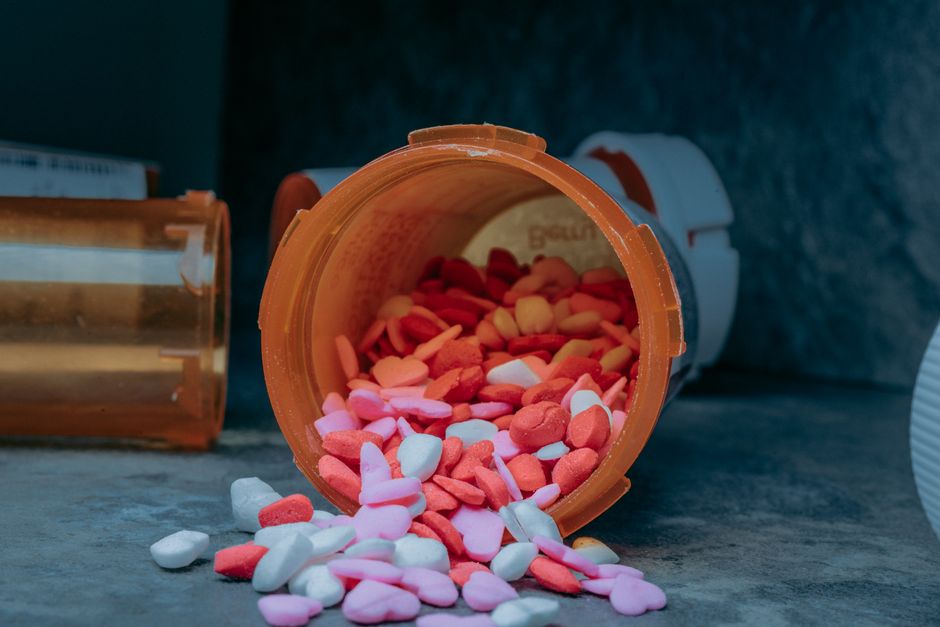
My phone lit up three times last Tuesday with the same text from different clients: “Did you see CVS is filling pet prescriptions now??” And yes, I had. Starting July 21, 2026, CVS Health opened its roughly 9,000 pharmacy locations nationwide to dog and cat prescriptions, filled right at the same counter where you pick up your own blood pressure medication. I’ve been a vet tech for 13 years, and I’ll be honest, my first reaction was something between relief and “okay, let’s think about this carefully.” Because this is genuinely good news for a lot of pet owners, but there are real practical questions you need answered before you show up at the CVS drive-through with your dog’s antibiotic script.
Here’s the short version of what happened: CVS Health announced the expansion on July 21, 2026, and it covers a wide range of medications, including antibiotics, allergy treatments, flea and tick control products, insulin, and pain relievers. According to the CVS Health press release, pet owners can bring in a written prescription from their vet or have the vet contact CVS directly, and the prescriptions qualify for the same services as human ones, meaning automatic refills, prescription syncing, and in some cases home delivery. That last part is significant. If your dog is on a long-term medication like insulin or a daily allergy pill, syncing it with your own monthly CVS pickup could genuinely reduce the mental load of managing pet care.
What most people don’t realize is how directly this addresses a problem the veterinary profession has been grappling with loudly and publicly. At the 2026 AVMA Convention, held July 10 through 14 in Anaheim, sessions specifically examined how cost and logistics are preventing timely pet care. Getting a prescription filled used to mean either buying it through your vet’s in-house pharmacy (sometimes at a significant markup), ordering from an online pet pharmacy and waiting for shipping, or finding a compounding pharmacy willing to handle animal meds. Now you have a third option that’s fast, familiar, and everywhere.
- CVS began filling dog and cat prescriptions at ~9,000 locations nationwide on July 21, 2026.
- Covered meds include antibiotics, insulin, allergy treatments, flea/tick control, and pain relievers.
- Bring a written vet script or have your vet call CVS directly , same process as human prescriptions.
- Pet prescriptions qualify for auto-refills, prescription syncing, and sometimes home delivery.
- CVS is also stocking its Pet Central brand in-store, signaling a long-term push into pet health retail.
What This Means for Your Day-to-Day Pet Care
The most immediate practical upside is same-day access. I’ve had so many clients stuck over a holiday weekend with a dog who needs more metronidazole or a cat who ran out of prednisolone. Calling around to find a 24-hour vet or urgent care that could write and fill a prescription was exhausting and expensive. With CVS locations in most zip codes in the country, including plenty that are open until 9 or 10 PM, that particular nightmare gets a lot shorter.
The prescription syncing option is worth paying attention to if your pet is on anything chronic. Diabetes management in dogs and cats is already complicated. The last thing you need is insulin arriving three days late because you forgot to reorder. Syncing your dog’s Vetsulin refill with your own monthly pickup is the kind of small logistical win that actually matters over time.
One thing I want to flag: CVS filling a prescription doesn’t mean CVS is diagnosing your pet or recommending medications. Your vet still has to write the script. The pharmacist can answer questions about drug interactions and dosing, which is genuinely useful, but they’re working from what the vet ordered. Don’t expect to walk in and describe symptoms and walk out with antibiotics. That’s not how this works, and it shouldn’t be.
How CVS Compares to Your Other Options
Helpful resource: Catit Flower Fountain , Cat Water Fountain is a top-rated option for this. (As an Amazon Associate this site earns from qualifying purchases.)
Let’s be real about the landscape of options, because your choice of pharmacy actually matters for cost and convenience. Here’s a simple comparison of the main channels most pet owners use.
| Pharmacy Option | Typical Fill Time | Auto-Refills | Home Delivery | Notes |
|---|---|---|---|---|
| CVS (as of July 21, 2026) | Same day | Yes | Some locations | ~9,000 locations; vet calls in or written Rx |
| Vet clinic in-house pharmacy | Same day | Varies | Rarely | Convenient but sometimes higher cost |
| Online pet pharmacy (1-800-PetMeds, etc.) | 3-7 days | Yes | Yes | Lower cost often, slower for urgent needs |
| Compounding pharmacy | 3-10 days | Varies | Varies | Necessary for custom doses or unusual species |
For urgent or same-day needs, CVS now competes directly with your vet’s in-house pharmacy. For ongoing medications where cost matters more than speed, online pharmacies may still win on price. This isn’t a one-size-fits-all situation. It’s more options, which is a good thing.
What to Do at the Counter
When you bring a pet prescription to CVS, the process mirrors what you’d do for yourself. You present the written script, or your vet has already called or faxed it in. The pharmacist fills it. You pay. What’s new is just that the medications are for your animal, and CVS has confirmed they’re set up to handle that as of this month.
A few things worth asking the pharmacist when you pick up: whether the medication comes in a formulation your pet will actually take (a pill versus a liquid can make or break compliance with a cat), what the storage requirements are, and whether there are any known interactions with other medications your pet is on. Pharmacists are genuinely good at that last question. Use them.
Also confirm pricing before you assume CVS is cheaper. In-store pricing can vary, and depending on your pet insurance policy, you may or may not be able to submit CVS receipts for reimbursement. Check with your insurer. Most pet insurance companies accept receipts from licensed pharmacies, which CVS absolutely is, but the claims process may look slightly different than your usual vet invoice.
The Bigger Picture for Pet Owners Right Now
CVS is also promoting its in-store Pet Central brand alongside national pet product brands, which tells you this isn’t a one-month trial. This is a calculated, long-term push into the pet health retail space. That’s worth knowing because it means the infrastructure is likely to grow and improve, not shrink.
What most people don’t realize is that access barriers to veterinary care have been building for years, and the 2026 AVMA Convention sessions on cost and logistics were a sign that the profession itself knows something needs to change. CVS entering this space doesn’t replace your vet. It removes one friction point from an already complicated system. And right now, in July 2026, that friction point removal is real and available to you today.
If your pet has an active prescription, it’s worth calling your nearest CVS to confirm they’re already set up to receive it. Most should be as of this week, but rollouts at this scale can have hiccups. Give them your vet’s contact information so they can coordinate directly if needed, and keep a copy of the written script as backup.
Sources
- CVS Health Press Release: Pet Medications Now Available at CVS Pharmacy (July 21, 2026)
- KTLA: Pet owners can now fill prescriptions at CVS Pharmacy (July 21, 2026)
- WWLP: CVS Pharmacy begins offering pet medications nationwide (July 21, 2026)
- dvm360: Guide to 2026 AVMA Convention Sessions (July 2026)
Photo: Lance Reis via Pexels
This article is for general informational purposes only and does not constitute veterinary advice. Pet health symptoms can have many causes and require professional evaluation. Always consult a licensed veterinarian for diagnosis and treatment specific to your pet.
Recommended Resources
Disclosure: As an Amazon Associate, we earn a small commission from qualifying purchases at no extra cost to you. We only recommend products that genuinely support the topics covered in this article.
- EVERLIT 95-Piece Vet-Approved Pet First Aid Kit (~$32), Vet-approved 95-piece kit for dogs and cats, covers cuts, burns, sprains, and emergencies until you can reach a vet.
- Nutramax Cosequin DS Joint Supplement for Dogs (132ct) (~$36), The #1 veterinarian-recommended joint supplement brand, clinically studied for reducing joint pain in dogs.