 Michelle Chen
Most dog owners don’t realize their pet has a dental problem until the smell hits them. You lean in for a cuddle, your dog yawns, and you pull back wondering if something crawled into their mouth and died. That moment of “wow, that’s bad” is actually a turning point, because by the time you’re noticing the odor, periodontal disease has very likely already started. Studies from the American Veterinary Dental College suggest that 80% of dogs show signs of periodontal disease by age three. Three years old. That’s not a senior dog problem. That’s a young dog problem that most people miss entirely.
Use this checklist during monthly mouth inspections to catch problems before they become painful or expensive.
| What to Check | Healthy Sign | Warning Sign | Action Threshold |
|---|---|---|---|
| Gum color | Pink, consistent tone | Red, white, or purple areas | Any color change lasting 2+ days → vet visit |
| Gum texture | Firm, smooth surface | Swollen, bleeding when touched | Bleeding with gentle pressure → vet within 1 week |
| Tartar buildup | Teeth white or minimal yellowing | Brown/yellow crust at gumline | Visible crust on 3+ teeth → schedule cleaning |
| Tooth integrity | All teeth present, no chips | Cracked, loose, or missing teeth | Any loose or fractured tooth → vet within days |
| Breath odor | Mild or neutral smell | Strong, rotten, or metallic odor | Sudden odor change → vet within 2 weeks |
| Eating behavior | Chews on both sides normally | Dropping food, chewing one-sided | Consistent difficulty eating → vet promptly |
| Drooling | Normal for breed | Excessive or bloody saliva | Blood in saliva → same-day vet call |
General information for comparison, confirm specifics for your situation.
Why Dog Dental Health Matters More Than You Think
Here’s what happens inside your dog’s mouth when dental care gets skipped. Bacteria form a soft, sticky film on the teeth called plaque. You’ve got about 24 to 36 hours before that plaque mineralizes into tartar, which is the hard, yellowish-brown crust you can see building up near the gumline. Once it hardens, you can’t brush it off at home. That requires professional scaling, which means a vet visit and cost.
Left alone, tartar becomes a perfect hiding spot for more bacteria to accumulate under the gumline. The gums get inflamed (gingivitis), and eventually the tissue and bone holding the teeth in place begin to break down. This is periodontal disease, and it’s painful. Dogs are masters at hiding pain, so they’ll keep eating even when their mouths hurt. That’s exactly why so many cases go unnoticed until a vet spots it during a routine exam.
Here’s the thing that gets overlooked: dental disease isn’t just a mouth problem. The bacteria involved can enter the bloodstream and affect kidney, liver, and heart tissue. I’ve seen dogs come in for lethargy or weight loss only for the vet to find severely infected teeth as the real cause. The mouth is a window into your dog’s overall health. Treating it like an afterthought costs money and quality of life.
How to Check Your Dog’s Mouth at Home
Helpful resource: Zesty Paws Hip and Joint Supplement Chews for Dogs is a top-rated option for this. (As an Amazon Associate this site earns from qualifying purchases.)
You don’t need a dental degree to check your dog’s mouth. A good light source, a willing (or patient) dog, and a minute or two is all it takes. Make this a weekly habit and you’ll know immediately when something looks off.
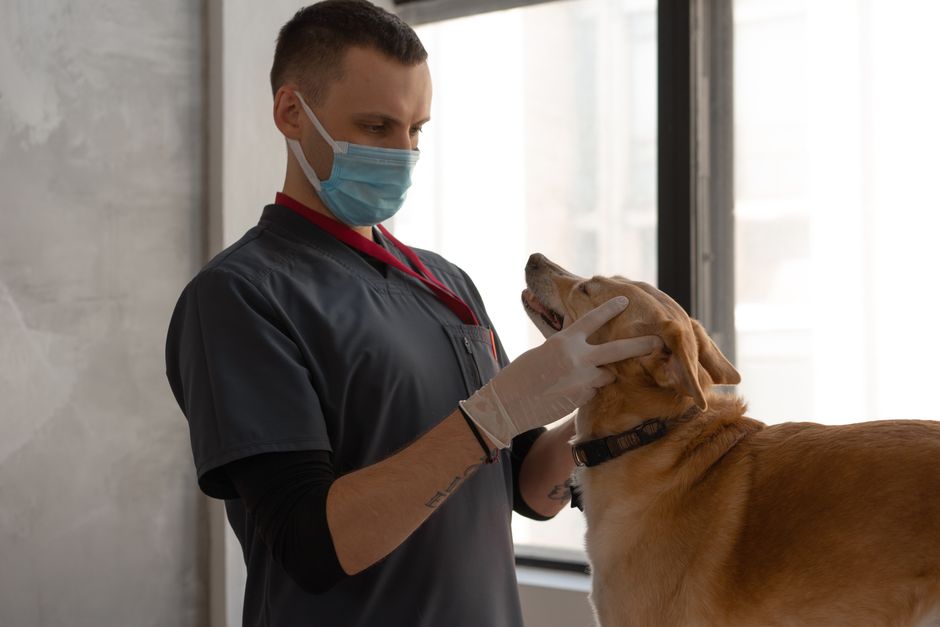
Get your dog comfortable. Lift the upper lips on both sides to expose the back teeth and look at the gumline. Healthy gums are pink and firm, not red, swollen, or bleeding. Teeth should be white to off-white. Brown or yellow buildup near the gumline is tartar. Check the front teeth and, if your dog allows it, the inside surfaces. A mild odor is normal. A truly foul smell, often rotten or fishy, is a red flag.
These signs mean a vet visit this week (not the ER, but don’t delay):
- Visible tartar on multiple teeth
- Red or bleeding gums
- A tooth that looks discolored (gray or brown), which might indicate it’s dead
- Swelling on the face, especially below the eye (this can signal a tooth root abscess)
- Your dog dropping food, pawing at their mouth, or chewing on only one side
- Any loose teeth
A cracked tooth or facial swelling that’s warm to the touch edges into emergency territory if you wait too long. Use your judgment here. If your dog is in obvious pain or won’t eat, same-day vet call.
Building a Home Dental Care Routine
Daily toothbrushing is genuinely the most effective thing you can do between professional cleanings. The mechanical action of bristles against tooth surfaces disrupts plaque before it hardens. Nothing else replicates this as well.
How to brush your dog’s teeth:
Start slow. Spend a few days letting your dog lick dog-safe toothpaste off your finger. Never use human toothpaste. It contains fluoride and often xylitol, which is toxic to dogs. The ASPCA Poison Control Center lists xylitol as one of the most dangerous household substances for pets.
Introduce a finger brush. Once your dog’s comfortable with the paste, use a silicone finger brush to gently rub the outer tooth surfaces. Do this for 20 to 30 seconds at first. Keep it positive and end with praise.
Transition to a soft-bristled toothbrush. Use a dog-specific brush (angled handles help) or a soft children’s toothbrush. Angle the bristles at 45 degrees toward the gumline. Focus on outer surfaces since the tongue naturally cleans inner surfaces.
Work up to a full session. A thorough brush takes 60 to 90 seconds covering all teeth. Most dogs accept this within two to three weeks of consistent training.
Brush daily, or at least every other day. Three times a week is the minimum where research shows real plaque reduction.
If brushing isn’t possible with your dog, dental wipes, water additives, and prescription dental diets are partial alternatives. Look for the Veterinary Oral Health Council (VOHC) seal on dental chews. That seal means the product’s actually been tested. Lots of products make dental claims without any evidence. Chews with the VOHC seal are worth adding to your routine, though they work best alongside brushing, not instead of it. (Disclosure: this site may earn a commission from qualifying purchases.)
Professional Cleanings: What to Expect and When to Schedule One
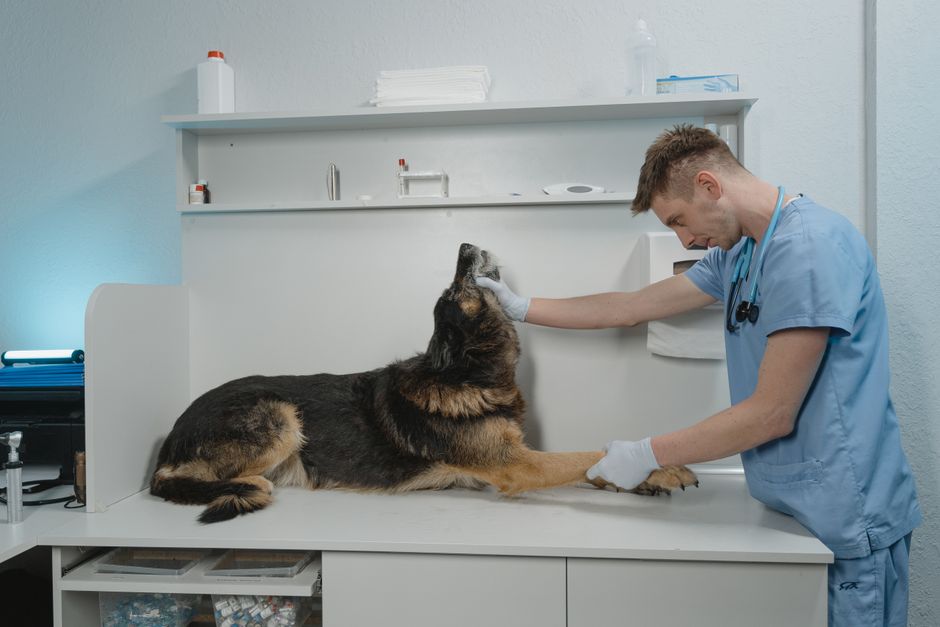
Professional cleanings for dogs happen under general anesthesia. Full stop. I’ve seen ads for “anesthesia-free dental cleanings” at grooming facilities and I understand the appeal, but these can’t clean below the gumline where disease actually lives. They may make teeth look cleaner while infection progresses underneath. The American Animal Hospital Association and most veterinary dental specialists consider them inadequate.
An anesthetic dental cleaning typically includes:
- Pre-anesthetic bloodwork to check organ function
- Full mouth radiographs (dental X-rays), which are essential because most dental disease is below the gumline and invisible to the naked eye
- Ultrasonic scaling above and below the gumline
- Polishing (scaling roughens enamel, so polishing smooths it back out to slow future plaque adhesion)
- Tooth-by-tooth probing to measure pocket depths
- Extractions if necessary, which add cost and recovery time but are sometimes kinder for a severely damaged tooth
How often does your dog need one? That depends on breed, genetics, and home care. Small and toy breeds tend to develop dental disease faster because their teeth are crowded into smaller jaws. A Chihuahua or Yorkshire Terrier may need a cleaning every 12 months starting at age two or three. A large-breed dog with great genetics and daily brushing might go several years between cleanings. Your vet will tell you based on what they see.
Don’t skip cleanings because of anesthesia worry. Modern protocols, pre-anesthetic screening, and attentive monitoring make these procedures safe for most dogs including seniors. Pain from dental disease is a worse risk than a routine anesthetic event.
Nutrition, Chews, and Products That Actually Help
What your dog eats and chews on affects their dental health, though diet alone won’t keep teeth clean without other help.
Dry kibble is often said to be better than wet food, and there is some mechanical action from chewing hard kibble, but it’s modest. Royal Canin and Hill’s both make prescription dental diets with larger kibble designed to create a scrubbing action as the tooth sinks in. These have VOHC approval and work better than standard dry food.
Chews and toys provide genuine benefit. Raw bones are tricky. They can fracture teeth, especially large marrow bones or antlers that don’t flex. If you can’t dent it with your thumbnail, it’s too hard. Softer alternatives like bully sticks, Kongs stuffed with food, and rubber chew toys let dogs satisfy their chewing instinct with less fracture risk. A quality rubber chew toy is a practical daily addition. (Disclosure: this site may earn a commission from qualifying purchases.)
Water additives with antiseptic properties (look for the VOHC seal) can reduce bacterial load, but they’re not a substitute for brushing. PetMD’s veterinary resource library has solid breakdowns of which dental products have evidence if you want to research specific brands.
Breed-Specific Risks and Special Circumstances
Certain dogs need more attention than others. Brachycephalic breeds (bulldogs, pugs, Boston terriers, shih tzus) have teeth packed into shortened jaws, causing overcrowding and creating more surface area for bacteria. These dogs often need professional cleanings earlier and more frequently.
Small breeds as a whole are at higher risk due to genetics and jaw structure, plus they often live longer, giving dental disease more time to accumulate.
Dogs on certain medications or with systemic illnesses like diabetes or kidney disease may be more prone to oral infections. If your dog has any chronic health condition, bring dental health into that specific conversation with your vet.
Rescue dogs and adult adoptees may arrive with unknown dental histories. A baseline dental exam when you first bring them home is smart. I’ve seen dogs adopted at two years old with tartar buildup that made them look eight.
Final Thought
Dental disease is one of the most preventable chronic conditions in dogs, and yet it’s also one of the most consistently undertreated. You don’t have to be perfect about it. Even brushing three times a week and scheduling a cleaning when your vet recommends one puts your dog in dramatically better shape than most pets. Start where you are, build the habit gradually, and your dog’s mouth will thank you.
This article is for general informational purposes only and does not constitute veterinary advice. Pet health symptoms can have many causes and require professional evaluation. Always consult a licensed veterinarian for diagnosis and treatment specific to your pet.
Sources
- Zesty Paws Hip and Joint Supplement Chews for Dogs
- Chews with the VOHC seal
- A quality rubber chew toy
- Rayco First Aid Kit for Dogs and Cats
- Thundershirt Classic Dog Anxiety Jacket
Disclosure: As an Amazon Associate, we earn a small commission from qualifying purchases at no extra cost to you. We only recommend products that genuinely support the topics covered in this article.
- EVERLIT 95-Piece Vet-Approved Pet First Aid Kit (~$32), Vet-approved 95-piece kit for dogs and cats, covers cuts, burns, sprains, and emergencies until you can reach a vet.
- Nutramax Cosequin DS Joint Supplement for Dogs (132ct) (~$36), The #1 veterinarian-recommended joint supplement brand, clinically studied for reducing joint pain in dogs.
- Purina Pro Plan FortiFlora Probiotic for Dogs (30ct) (~$32), The #1 vet-recommended probiotic for dogs, prescribed to manage diarrhea, vomiting, and intestinal upset.
Recommended Resources
Disclosure: As an Amazon Associate, we earn a small commission from qualifying purchases at no extra cost to you. We only recommend products that genuinely support the topics covered in this article.
- EVERLIT 95-Piece Vet-Approved Pet First Aid Kit (~$32), Vet-approved 95-piece kit for dogs and cats, covers cuts, burns, sprains, and emergencies until you can reach a vet.
- Nutramax Cosequin DS Joint Supplement for Dogs (132ct) (~$36), The #1 veterinarian-recommended joint supplement brand, clinically studied for reducing joint pain in dogs.