 Rachel Sanders
Your dog’s been drinking the toilet dry, dragging you outside at 3 a.m., and losing weight despite eating normally. Then the vet says the word “diabetes” and you’re sitting in your car trying to figure out how you’ll give insulin injections twice a day for the rest of his life. I’ve stood in that parking lot with enough terrified pet owners to know exactly what you’re thinking: this is impossible. Here’s what I tell every single one of them: it’s not. It becomes routine faster than you’d expect. But first you need to understand what’s actually happening.
Use this quick-reference table to interpret your dog's glucose readings and know when to act.
| Glucose Reading (mg/dL) | Status | What You Should Do | Timing Context |
|---|---|---|---|
| Below 60 | Hypoglycemia (dangerous) | Give corn syrup or honey on gums immediately; call vet/emergency clinic | Any time |
| 60-80 | Low (caution zone) | Feed a small meal; recheck in 30 min; skip or reduce insulin dose only per vet protocol | Pre-insulin check |
| 80-150 | Ideal fasting range | Proceed with normal insulin and feeding routine | Pre-meal/pre-insulin |
| 150-250 | Acceptable post-meal | No action needed if within 2-4 hours of eating | Post-meal peak |
| 250-400 | Elevated (common early in regulation) | Continue current protocol; note for next vet review | Any time during regulation |
| Above 400 | Poorly controlled | Contact vet within 24-48 hours for dose adjustment discussion | Persistent readings |
| Above 500 with vomiting/lethargy | Possible diabetic ketoacidosis | Emergency vet visit immediately | Any time |
General information for comparison, confirm specifics for your situation.
What Dog Diabetes Actually Is (And Why It’s Not the Same as Human Diabetes)
Canine diabetes is almost always Type 1, meaning the pancreas has basically given up on producing insulin. Your dog’s body can’t move glucose from the bloodstream into cells, so blood sugar climbs while cells starve for energy. That’s why you’re seeing weight loss even with normal eating: his body’s burning fat and muscle instead.
Here’s what catches most people off guard: certain dogs are dramatically more vulnerable. Intact females are twice as likely to develop it because progesterone surges during their heat cycle cause insulin resistance. Spaying a diabetic intact female is often the first recommendation. Samoyeds, Australian Terriers, Miniature Schnauzers, Pugs, and Bichons Frises all show higher rates. Most get it between 7 and 10 years old, though it can happen younger.
Obesity, chronic pancreatitis, and long-term steroid use are major risk factors too. I’ve seen dogs develop diabetes after years on prednisone for allergies, and owners are completely blindsided by it. If your dog’s on long-term corticosteroids, blood glucose monitoring’s worth asking your vet about before symptoms show up.
The Four Pillars of Daily Management
Helpful resource: Purina Pro Plan Veterinary Supplements FortiFlora Probiotic is a top-rated option for this. (As an Amazon Associate this site earns from qualifying purchases.)
Getting diabetes under control requires four things locked in: insulin, diet, exercise, and monitoring. Slack on one and everything gets harder.
Insulin. Most vets start with Vetsulin (porcine insulin zinc suspension) or human NPH insulin, depending on how your dog responds. Your vet picks a starting dose based on weight, then adjusts it over the first few weeks. This adjustment period is completely normal. Don’t panic if the first dose isn’t perfect.
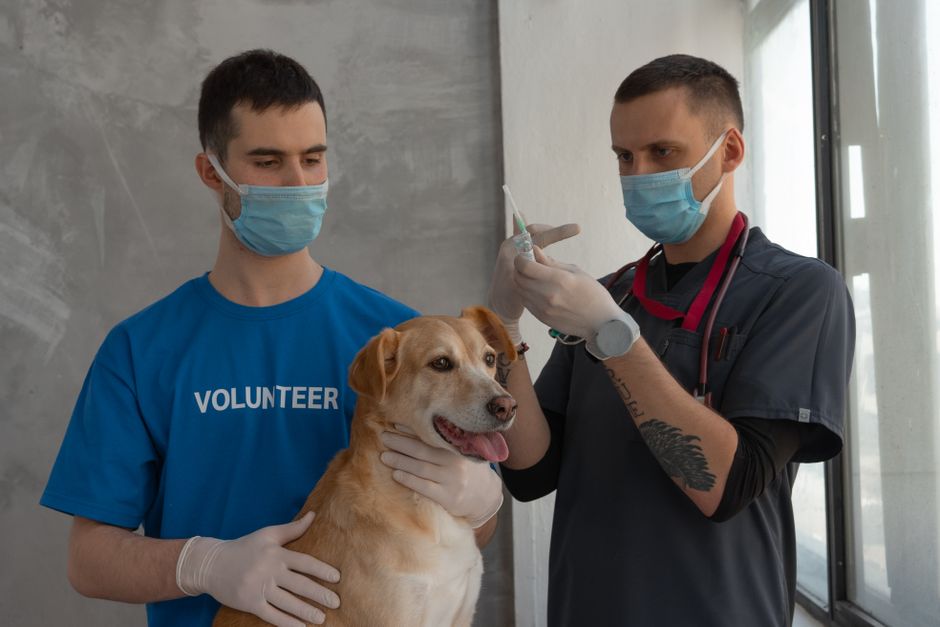
Keep insulin refrigerated and roll it gently between your palms before injecting (never shake it). Most dogs get dosed every 12 hours, timed with meals. The needle goes into loose skin at the neck or side, and it’s small enough that most dogs don’t even notice. I’ve watched owners who swore they couldn’t do this become completely comfortable within a week. Consistency matters more than technique.
Diet. High-fiber, complex carbohydrate diets are standard for diabetic dogs. Fiber slows glucose absorption and flattens out blood sugar spikes after meals. Your vet might prescribe something like Hill’s w/d or Purina Pro Plan Veterinary EN. The real trick isn’t necessarily which food, but that the same food in the same amount gets fed at the same time every single day. Variability breaks everything. No extra treats, no table scraps, no skipped meals. Feed first, then inject. Every time.
Exercise. Consistent, moderate daily movement helps glucose regulation. But wild swings in activity cause problems. A dog who runs five miles Saturday and sits still Sunday creates glucose chaos. Aim for similar walks at similar times daily. This isn’t the moment to be a weekend warrior.
Monitoring. This is where owners struggle most. Your vet will want glucose curves done regularly, where you check blood glucose multiple times over 12 hours to see how insulin’s working. Some clinics do this in-office. You can also do it at home with a glucometer, which I’ll cover in a moment, because home monitoring is genuinely one of the most empowering things you can do.
How to Give an Insulin Injection: Step by Step
How to Keep Your Senior Dog Healthy: Top 7 Tips for Happy Aging Pets · Veterinary Secrets on YouTube
The first injection feels enormous. By the fifteenth, it takes about 45 seconds flat. Here’s the breakdown:
- Pull insulin from the fridge 10-15 minutes early and let it warm slightly. Roll the vial gently between your palms about 10 times. Never shake it.
- Feed your dog his full meal first. Don’t inject a dog who hasn’t eaten. If he refuses food, call your vet before you inject.
- Draw the prescribed dose into the syringe. U-40 syringes go with Vetsulin; U-100 syringes go with NPH. Wrong syringe equals dangerous dosing errors. Confirm which one you need with your vet.
- Get comfortable. Your dog can sit or stand. You don’t need to wrestle him into submission.
- Pinch a tent of loose skin along the neck or between the shoulder blades. Push the needle in at a 45-degree angle into that tent.
- Pull back slightly on the plunger to check you’re not in a blood vessel. If blood comes up, withdraw and find a new spot.
- Push the plunger down smoothly, pull out the needle, and praise your dog with a small approved treat.
- Throw the needle in a sharps container right away.
Rotate injection sites slightly each time to avoid scar tissue. Keep a simple log with time, dose, and whether he ate the full meal. This log matters when your vet’s interpreting glucose curves.
Home Monitoring and Recognizing a Crisis
Most owners don’t realize they can check blood glucose at home. Glucometers like the AlphaTrak 2, which is calibrated for dogs, let you test from a small prick on the ear or paw pad. Your vet can teach you the technique. Home monitoring cuts down on vet visits and catches problems before they spiral. The AVMA supports client education in chronic disease management, and home glucose monitoring genuinely changes outcomes for diabetic dogs.
Normal blood glucose in dogs runs about 80 to 120 mg/dL. A diabetic dog in decent control usually sits higher, often 150 to 250 between meals. You’re watching for the extremes.
Hypoglycemia is the emergency. Below 60 mg/dL, or if your dog shows weakness, trembling, confusion, staggering, or seizures, you’ve got a crisis. Rub corn syrup or glucose gel on his gums immediately and head to the emergency vet. Don’t wait. Don’t try to manage this at home past that first step. Severe low blood sugar can kill in minutes.
Diabetic ketoacidosis (DKA) is the other serious one. Look for vomiting, lethargy, no appetite, sweet or fruity breath, and fast breathing. DKA means hospitalization and IV fluids. Same-day emergency clinic, not a “call Monday” situation.
Knowing the difference between “this can wait” and “this dog needs help now” matters. The ASPCA Poison Control Center has resources on toxins that can complicate diabetes or mimic it, worth bookmarking if you’re managing a diabetic pet.
Diet, Weight, and Realistic Lifestyle Adjustments
Managing a diabetic dog requires honest household changes. Table scraps disappear entirely. If you have multiple dogs, separate feeding’s necessary so your diabetic dog can’t steal the other dog’s food. High-sugar foods, even seemingly “healthy” ones like carrots and sweet potatoes in big amounts, are off-limits.
Your dog doesn’t have to live miserably though. Many do great on high-quality kibble your vet approves, with room for variety within consistent bounds. Low-glycemic vegetables like green beans work as treat substitutes. Some dogs benefit from puzzle feeders to slow their eating and flatten post-meal glucose spikes. Gradual, vet-supervised weight loss actually improves insulin sensitivity significantly if your dog’s carrying extra pounds.
Joint health matters especially in older dogs managing diabetes too. Keeping comfortable mobility makes consistent daily exercise realistic. Ask your vet whether a joint supplement makes sense. (As an affiliate disclosure: this site may earn a commission from product links.)
The Long View: What Good Control Looks Like
A well-managed diabetic dog can live years of real quality. That means glucose curves showing consistent response to insulin, stable weight, normal energy, and no recurring infections. Urinary tract infections are disproportionately common in diabetic dogs because glucose-rich urine feeds bacteria.
Cataracts are extremely common, hitting most diabetic dogs within a year or two of diagnosis. High blood glucose causes sorbitol buildup in the lens, and it progresses fast. Veterinary ophthalmologists do cataract surgery with excellent results, so this isn’t a reason to despair, but expect it and plan for it.
Your dog needs regular checkups, probably every three to four months once stable, including urine glucose tests and periodic blood panels to catch complications early. Your vet relationship becomes a real partnership. Communicate clearly. Bring your home monitoring log to every appointment. Tell them what you’re seeing, not just “he seems off.” Write down the last insulin time, last meal, and any recent behavior changes before you walk in.
The learning curve is steep, and the first few weeks are genuinely hard. But I’ve watched hundreds of owners go from terrified in a parking lot to completely confident managing their dog’s diabetes at home. The disease is serious and deserves your full attention. It’s manageable. Your dog doesn’t know his diagnosis, he just knows how he feels. With consistent care, he’ll feel genuinely well for years.
This article is for general informational purposes only and does not constitute veterinary advice. Pet health symptoms can have many causes and require professional evaluation. Always consult a licensed veterinarian for diagnosis and treatment specific to your pet.
Sources
- Purina Pro Plan Veterinary Supplements FortiFlora Probiotic
- AVMA
- ASPCA Poison Control Center
- Thundershirt Classic Dog Anxiety Jacket
- Zesty Paws Hip and Joint Supplement Chews for Dogs
Disclosure: As an Amazon Associate, we earn a small commission from qualifying purchases at no extra cost to you. We only recommend products that genuinely support the topics covered in this article.
- EVERLIT 95-Piece Vet-Approved Pet First Aid Kit (~$32), Vet-approved 95-piece kit for dogs and cats, covers cuts, burns, sprains, and emergencies until you can reach a vet.
- Nutramax Cosequin DS Joint Supplement for Dogs (132ct) (~$36), The #1 veterinarian-recommended joint supplement brand, clinically studied for reducing joint pain in dogs.
Recommended Resources
Disclosure: As an Amazon Associate, we earn a small commission from qualifying purchases at no extra cost to you. We only recommend products that genuinely support the topics covered in this article.
- EVERLIT 95-Piece Vet-Approved Pet First Aid Kit (~$32), Vet-approved 95-piece kit for dogs and cats, covers cuts, burns, sprains, and emergencies until you can reach a vet.
- Nutramax Cosequin DS Joint Supplement for Dogs (132ct) (~$36), The #1 veterinarian-recommended joint supplement brand, clinically studied for reducing joint pain in dogs.