 James Whitfield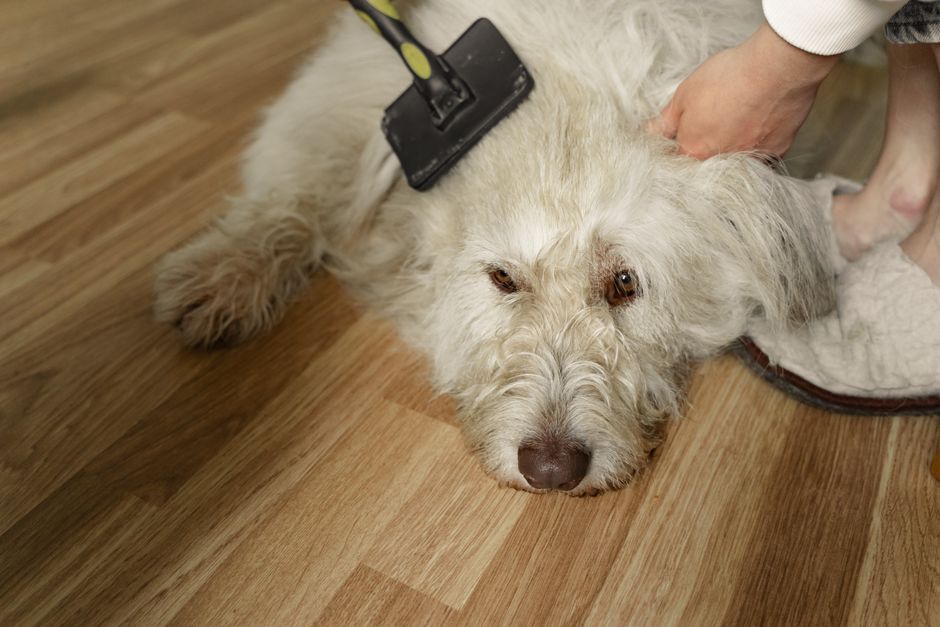
Most people think grooming is about keeping their dog looking nice. That’s almost entirely wrong.
I spent the better part of a decade thinking the same thing, honestly. Dog comes in shaggy, dog leaves fluffy, everyone’s happy. It wasn’t until I started noticing consistent patterns in our clinic patients that I really understood what regular grooming was actually doing for dogs on a health level. The correlation between dogs who got routine grooming and dogs who came in with problems caught early was striking enough that I started paying closer attention.
Here’s what I’ve come to believe after 13 years in small animal practice: grooming is one of the most underrated forms of preventive healthcare for dogs. Not because it’s glamorous, but because it forces regular, systematic contact with almost every surface of a dog’s body.
Skin and Coat Health Go Way Deeper Than Aesthetics
| Breed/Coat Type | Brushing Frequency | Professional Grooming Schedule |
|---|---|---|
| Labrador | Weekly | As needed |
| Standard Poodle | Every other day minimum | Every 6-8 weeks |
| Old English Sheepdog | Every other day minimum | Every 6-8 weeks |
| Floppy-eared breeds (Cocker Spaniel, Basset Hound, Golden Retriever) | Varies | Varies; ear cleaning every 1-2 weeks |
| Brachycephalic breeds (Bulldog, Shih Tzu, Pug) | Varies | Varies; regular eye area grooming needed |
The mechanical act of brushing does something that’s hard to replicate any other way. It distributes sebum (the natural oils your dog’s skin produces) across the coat, which prevents dry, flaky skin and gives that coat the kind of healthy sheen that signals good overall condition. But the more important part is what you find while you’re doing it.
I’ll be honest: the number of times a groomer or an owner doing home brushing has caught something we then confirmed as a real problem is genuinely high. Lumps, sebaceous cysts, early hotspots, tick attachment sites, skin infections hiding under mats. One dog I’m thinking of specifically, a Bernese Mountain Dog named Clifford (yes, really), came in after his owner noticed a small, firm lump while brushing his back leg. That lump was a mast cell tumor, caught at a stage where it was entirely operable. His owner brushed him twice a week without fail. That habit probably extended his life.
Matted fur is its own category of problem, and it’s more serious than it looks. Severe mats can trap moisture against the skin, which creates the warm, dark, damp environment that bacteria and yeast absolutely thrive in. I’ve seen dogs come in with mats so tight they were causing pressure sores underneath. PetMD’s veterinary resource library has good visual breakdowns of what mat-related skin damage looks like if you’re trying to assess your own dog’s situation.
Different coats need different schedules. A Labrador? You can get away with weekly brushing. A standard Poodle or an Old English Sheepdog? You’re looking at every other day minimum, or professional grooming every six to eight weeks.
Ears, Eyes, Nails: The Parts People Skip
Helpful resource: Midwest Homes Folding Metal Dog Crate is a top-rated option for this. (As an Amazon Associate this site earns from qualifying purchases.)
Nail trims are the grooming task I see neglected most consistently, and the consequences are genuinely orthopedic. When nails grow long enough to contact the ground, the dog compensates by shifting weight backward and off the toes. Over time this changes their gait and posture in ways that contribute to joint stress, particularly in the hips and lower back. I’ve seen this most dramatically in older dogs who’d gone years without consistent trims.
The scenario plays out like this: owner notices dog is “walking funny” or reluctant to use stairs. → Vet exam reveals gait abnormality. → Nails are trimmed, physical therapy considered. → Several months of work to get back toward normal mobility. Not every case, but common enough to be a real pattern.
Ear cleaning matters most for floppy-eared breeds. Cocker Spaniels, Basset Hounds, Golden Retrievers. The ear canal in these dogs doesn’t get the airflow it needs to stay dry, and moisture plus warmth is the otitis externa starter kit. A vet-approved ear cleaner used on a schedule (every one to two weeks for high-risk breeds) makes a measurable difference. What surprised me when I looked at our clinic’s records was how many ear infections in these breeds came from owners who simply didn’t know cleaning was a routine care item.
Eye area grooming matters most for brachycephalic breeds (Bulldogs, Shih Tzus, Pugs) and dogs with heavy facial hair. Debris and discharge that accumulates around the eyes can cause irritation and secondary infections. Wiping the eye area gently with a damp cloth during grooming sessions takes about 30 seconds and genuinely helps.
The Dental Grooming Piece Most People Miss
Oral health is technically grooming, and I will defend that classification. The research on the connection between periodontal disease and systemic health in dogs is not mixed: chronic oral infection has real links to cardiac, kidney, and liver disease over time. The American Veterinary Dental College estimates that by age three, most dogs show some degree of periodontal disease.
Home brushing is the gold standard and I’ll be honest, most owners I talk to don’t do it. If that’s you, I’m not judging. But there are intermediate options. Dental chews with the Veterinary Oral Health Council (VOHC) seal actually have evidence behind them. This VOHC-approved dental chew option on Amazon is worth looking at (the site may earn a commission). Enzymatic water additives have mixed evidence but aren’t useless.
A dog that gets even two to three tooth brushings per week shows meaningfully better dental scores than a dog that gets none. That’s not me speculating; that’s what the comparative studies show.
What Grooming Does for Your Ability to Catch Problems Early
This is the part I feel most strongly about, and the part that gets almost no attention in standard grooming articles.
Regular grooming creates a baseline. When you handle your dog systematically and consistently, you know what normal feels like for that specific animal. You know where they have harmless fatty lipomas, you know which ear runs a little dirtier, you know the feel of their coat at a healthy weight. That baseline is irreplaceable.
Early detection scenario: owner brushes dog three times a week, notices new warmth and slight swelling on left rear leg after a hike. → Brings dog in within 48 hours. → Vet identifies early soft tissue injury before it becomes a full tear. → Rest and conservative management, no surgery needed.
Compare that to a dog who only gets examined when something is obviously wrong. You lose the early window for almost everything.
As of July 2026, there’s a growing number of at-home pet health monitoring tools, from coat condition apps to wearable health trackers, but none of them replace the tactile information you get from hands-on grooming. Technology is a supplement, not a substitute.
The investment in a solid pet first aid kit that includes grooming basics (nail clippers, ear cleaner, sterile wipes) gives you the tools to stay on top of this at home. A well-reviewed pet first aid and grooming kit on Amazon runs around $30 to $50 and covers most of what you need (commission may apply). That’s a reasonable entry point.
Sources
- American Veterinary Dental College (AVDC): Guidelines on periodontal disease prevalence and home oral care for dogs.
- Veterinary Oral Health Council (VOHC): Approved product list for dental chews and additives with evidence-based efficacy.
- PetMD Veterinary Resource Library: Clinical descriptions of mat-related skin damage and ear infection risk factors.
- ASPCA Animal Poison Control Center: Background resource on grooming product safety and toxicity screening.
- Gorrel, C. (Veterinary Dentistry for the General Practitioner, 2nd ed.): Reference standard on canine periodontal disease progression and prevention.
This article is for general informational purposes only and does not constitute veterinary advice. Pet health symptoms can have many causes and require professional evaluation. Always consult a licensed veterinarian for diagnosis and treatment specific to your pet.
Recommended Resources
Disclosure: As an Amazon Associate, we earn a small commission from qualifying purchases at no extra cost to you. We only recommend products that genuinely support the topics covered in this article.
- EVERLIT 95-Piece Vet-Approved Pet First Aid Kit (~$32), Vet-approved 95-piece kit for dogs and cats, covers cuts, burns, sprains, and emergencies until you can reach a vet.
- Nutramax Cosequin DS Joint Supplement for Dogs (132ct) (~$36), The #1 veterinarian-recommended joint supplement brand, clinically studied for reducing joint pain in dogs.