 James Whitfield
Your dog can carry heartworm for six months without showing a single sign. A cough. Fatigue on walks. Weight loss. By then, the parasites have already dug into the heart and pulmonary arteries, doing damage that won’t completely heal. Here’s what catches most people off guard: this disease is almost completely preventable. But once it takes hold, treatment is expensive, brutal on your dog’s body, and might not undo everything the worms already broke. Prevention is cheaper. It’s also kinder.
What Heartworm Disease Actually Is (and Why It’s So Serious)
Heartworm disease comes from Dirofilaria immitis, a parasitic roundworm that mosquitoes carry. When an infected mosquito bites a dog, it deposits microscopic larvae called microfilariae. Those larvae spend about two weeks maturing inside the mosquito, then move into the next dog the mosquito feeds on. They migrate through the dog’s tissues and eventually reach the heart and pulmonary arteries, where they mature into adults. That whole process takes roughly six months, which is why the disease sneaks up on you.
Adult heartworms grow up to 12 inches long. A heavily infected dog can carry 250 or more. They live in the pulmonary arteries and right side of the heart, physically blocking blood flow and causing inflammation that scars the vessel walls. The result is heart failure, lung disease, and damage to organs like the liver and kidneys.
You’ll find heartworm in all 50 states, not just down South, though infection rates peak in the Gulf Coast states, the Mississippi River basin, and Atlantic coastal areas. Mosquitoes don’t need tropical heat. They need standing water and temperatures warm enough, and those conditions show up almost everywhere at some point during the year. I worked in a clinic in the upper Midwest and we diagnosed cases every single year.
How Prevention Actually Works
Heartworm preventives don’t kill adult worms living in your dog’s heart. That’s the critical thing to understand. They work retroactively, eliminating larvae your dog was exposed to in the last 30 to 45 days before they can mature any further. Skip a dose, and larvae from that window might survive and keep developing.
Most preventives use a class of drugs called macrocyclic lactones: ivermectin, milbemycin oxime, moxidectin, and selamectin. They all disrupt the nervous system of larvae, killing them before they establish. None are toxic to dogs at the right doses, though certain breeds (Collies, Australian Shepherds, and related herding types carrying the MDR1/ABCB1 gene mutation) can be sensitive to ivermectin at high doses. Heartworm preventives contain much lower doses than problematic levels, but mention it to your vet if you own one of these breeds.
Most preventives are monthly pills or topicals. Proheart 6 and Proheart 12 are injectables the vet administers, giving you six or twelve months of continuous coverage without the monthly pill reminder struggle.
Choosing the Right Preventive: A Practical Comparison
| Product Type | Example Brands | Heartworm | Fleas | Intestinal Parasites | Notes |
|---|---|---|---|---|---|
| Oral monthly (chewable) | Heartgard Plus, Interceptor Plus, Sentinel | Yes | No (Sentinel limits flea reproduction) | Yes (varies by product) | Easiest for most owners |
| Topical monthly | Revolution, Advantage Multi | Yes | Yes | Yes (varies) | Good for dogs that won’t take oral meds |
| Injectable (vet-administered) | Proheart 6, Proheart 12 | Yes | No | No | Best for compliance issues |
| Oral monthly combo | Simparica Trio, Sentinel Spectrum | Yes | Yes | Yes | Broad-spectrum convenience |
Products are everywhere, and the options can feel paralyzing. Here’s what matters when you’re talking to your vet.
| Product Type | Example Brands | Heartworm | Fleas | Intestinal Parasites | Notes |
|---|---|---|---|---|---|
| Oral monthly (chewable) | Heartgard Plus, Interceptor Plus, Sentinel | Yes | No (Sentinel limits flea reproduction) | Yes (varies by product) | Easiest for most owners |
| Topical monthly | Revolution, Advantage Multi | Yes | Yes | Yes (varies) | Good for dogs that won’t take oral meds |
| Injectable (vet-administered) | Proheart 6, Proheart 12 | Yes | No | No | Best for compliance issues |
| Oral monthly combo | Simparica Trio, Sentinel Spectrum | Yes | Yes | Yes | Broad-spectrum convenience |
Your choice depends on your dog’s lifestyle, how many parasites are in your area, whether you need flea and tick coverage too, and whether you’ll actually remember monthly dosing. These products don’t always require a prescription everywhere, but they all require a current heartworm test first. Giving prevention to a dog with existing adult worms can cause a serious, potentially fatal reaction.
For owners looking for reliable supply, Heartgard Plus chewables are available on Amazon with a vet prescription. (This site may earn a commission from qualifying purchases.) But start any preventive only after talking to your vet.
The Annual Heartworm Test: Why You Actually Need It Every Year
Your vet wants annual heartworm tests even if your dog’s been on prevention the whole time. Lots of owners balk at this. It feels like waste if you’ve been careful. Here’s why it actually matters.
No preventive works 100% of the time, in every situation. Dogs spit out chewables and you miss it. A topical washes off before it’s fully absorbed. You were late on a dose during a chaotic month. The test catches prevention failures before they become serious infections.
Testing is also required before starting prevention on any dog with an unknown history, which matters a lot for rescues and adoptions. The standard test is an antigen test, which detects proteins from adult female worms. It’s a quick in-clinic blood draw that takes about eight minutes. A separate microfilaria test (looking for larvae in the bloodstream) might also run. Neither hurts and both are reliable when done right.
The American Heartworm Society recommends annual testing. AAHA hospital accreditation standards include heartworm screening as part of preventive care, so you know the veterinary profession takes this seriously. If your clinic is AAHA-accredited, this testing is built into their wellness visit structure by design.
Step-by-Step: Starting Your Dog on Heartworm Prevention
If your dog’s never been on prevention or you don’t know their history, here’s how it works.
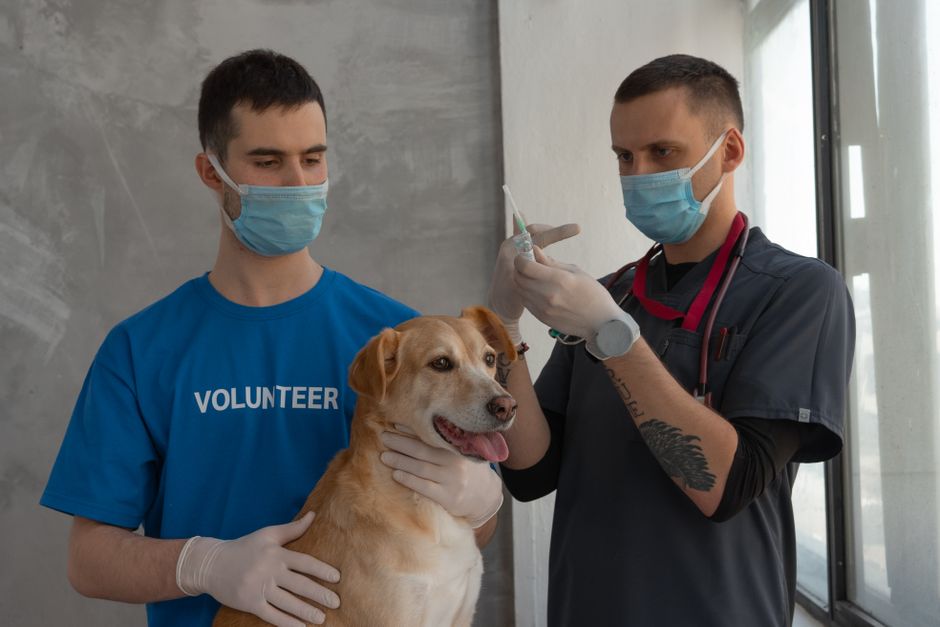
Step 1: Schedule a wellness visit. Your vet needs to examine your dog and run a heartworm antigen test before any preventive prescription. This isn’t optional. Results come back the same day at most clinics.
Step 2: Confirm the test is negative. If it’s positive, everything changes (read the FAQ below). If it’s negative, you’re cleared to start.
Step 3: Choose a product with your vet. Tell your vet what your dog does. Swimming? Dog park? Living in a flea-heavy area? Will you forget a monthly pill? All of this shapes the recommendation.
Step 4: Set a recurring reminder. Pick the same date each month and set a phone alarm. Some people tie it to their own routine, like the first of the month or when they pay a bill. With injectables like Proheart 12, you return to the clinic once yearly.
Step 5: Watch for reactions in the first few doses. Serious reactions are rare, but in the first day or two after starting prevention, watch for vomiting, lethargy, loss of coordination, or facial swelling. Call your vet or an emergency clinic right away if you see any of these.
Step 6: Keep records. Write down the product name, lot number, and date for each dose. If there’s ever a product issue or your dog tests positive later, this matters.
What Happens If Prevention Fails: Recognizing and Responding to Heartworm Infection
Even with solid compliance, a positive test happens sometimes. It’s awful when it does. It’s not a death sentence though, especially if caught early.
Heartworm disease is staged 1 through 4. Stage 1 dogs show no symptoms. Stage 4 dogs have “caval syndrome,” a life-threatening emergency requiring surgery to physically remove worms from the heart. Most dogs diagnosed through routine testing land in stages 1 or 2, with much better outcomes.
Treatment uses melarsomine dihydrochloride (Immiticide), given as a series of muscle injections. It’s intensive and strict: activity restriction for two months or longer, because dying worms break apart and can cause pulmonary embolism if too many release during exercise. Dogs have died during heartworm treatment from activity their owners didn’t think twice about.
There’s also the “slow kill” method, using high-dose ivermectin-based prevention over 18-24 months to gradually reduce worm load. The American Heartworm Society doesn’t generally recommend this because adult worms stay alive, damaging tissues longer. It’s sometimes used when a dog can’t safely undergo melarsomine treatment due to age or other illness. Your vet will tell you which protocol fits.
If you ever suspect poisoning or have questions about drug interactions, the ASPCA Poison Control Center has a 24-hour hotline with toxicologists on staff.
Heartworm prevention is one of the simplest, most impactful things you can do for your dog’s health. A monthly chewable or annual injection protects against a disease that costs a fortune to treat and leaves lasting damage to the heart and lungs. This isn’t fear-mongering. It’s giving your dog the best chance at a long, healthy life. Talk to your vet, get the test, set up prevention. That’s the whole game.
This article is for general informational purposes only and does not constitute veterinary advice. Pet health symptoms can have many causes and require professional evaluation. Always consult a licensed veterinarian for diagnosis and treatment specific to your pet.
Sources
- Heartgard Plus chewables are available on Amazon
- ASPCA Poison Control Center
- Midwest Homes Folding Metal Dog Crate
- Purina Pro Plan Veterinary Supplements FortiFlora Probiotic
- Catit Flower Fountain, Cat Water Fountain
Disclosure: As an Amazon Associate, we earn a small commission from qualifying purchases at no extra cost to you. We only recommend products that genuinely support the topics covered in this article.
- EVERLIT 95-Piece Vet-Approved Pet First Aid Kit (~$32), Vet-approved 95-piece kit for dogs and cats, covers cuts, burns, sprains, and emergencies until you can reach a vet.
- Nutramax Cosequin DS Joint Supplement for Dogs (132ct) (~$36), The #1 veterinarian-recommended joint supplement brand, clinically studied for reducing joint pain in dogs.
- PetArmor Plus Flea & Tick Prevention, Small Dogs (6 doses) (~$32), Same active ingredient as Frontline Plus at a lower price, waterproof topical flea and tick prevention.
- PetArmor Plus Flea & Tick Prevention, Medium Dogs (6 doses) (~$32), Vet-quality flea and tick prevention for dogs 23-44 lbs at a fraction of the prescription price, 6-month supply.
Recommended Resources
Disclosure: As an Amazon Associate, we earn a small commission from qualifying purchases at no extra cost to you. We only recommend products that genuinely support the topics covered in this article.
- EVERLIT 95-Piece Vet-Approved Pet First Aid Kit (~$32), Vet-approved 95-piece kit for dogs and cats, covers cuts, burns, sprains, and emergencies until you can reach a vet.
- Nutramax Cosequin DS Joint Supplement for Dogs (132ct) (~$36), The #1 veterinarian-recommended joint supplement brand, clinically studied for reducing joint pain in dogs.
- PetArmor Plus Flea & Tick Prevention, Small Dogs (6 doses) (~$32), Same active ingredient as Frontline Plus at a lower price, waterproof topical flea and tick prevention.
- PetArmor Plus Flea & Tick Prevention, Medium Dogs (6 doses) (~$32), Vet-quality flea and tick prevention for dogs 23–44 lbs at a fraction of the prescription price, 6-month supply.