 Michelle Chen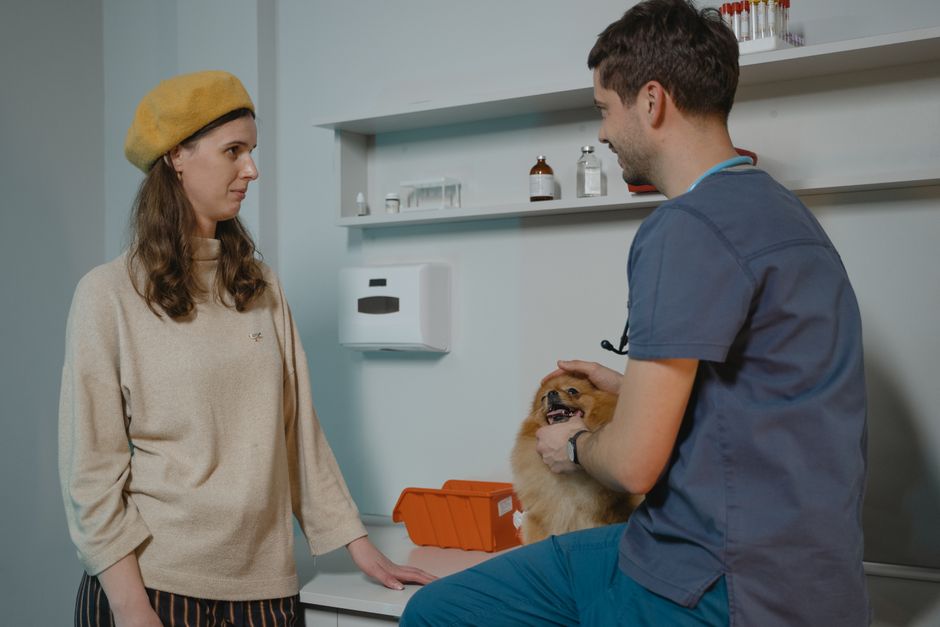
One in five dogs will develop hip dysplasia at some point in their life. That’s not a worst-case estimate from a breed-specific rescue group; that’s a figure drawn from decades of orthopedic screening data compiled by the Orthopedic Foundation for Animals (OFA), which has been evaluating canine hip radiographs since 1966. If you have a large-breed dog, especially a German Shepherd, Labrador, or Golden Retriever, that number climbs significantly higher. Some studies put the rate in certain Golden Retriever lines above 70%.
You’re probably reading this because your dog just got a diagnosis, or your vet mentioned they’re “watching the hips,” or your dog has started bunny-hopping up the stairs and you’re putting the pieces together. Wherever you are in this process, I want you to know: hip dysplasia is not a death sentence, and in most cases it’s very manageable. I’ve worked with hundreds of dogs in various stages of this condition, and the outcomes I’ve seen range from completely normal quality of life with conservative management to full athletic recovery after surgery. What makes the difference almost every time is how early owners catch it and how consistently they follow through on a treatment plan.
Here’s what I tell people who are freshly diagnosed and overwhelmed: take a breath, because you have real options, and we’re going to go through all of them.
- Hip dysplasia affects roughly 1 in 5 dogs; large breeds like Labradors face rates above 50% in some lines.
- Most dogs, especially older ones, are managed conservatively (weight, exercise, meds, supplements) without surgery.
- Surgery is most effective when performed before age 18 months; triple pelvic osteotomy (TPO) is curative in young dogs.
- NSAIDs like Galliprant or Carprofen reduce pain significantly; gabapentin is often added for nerve-related discomfort.
- Weight is the single most impactful variable you control at home; even 10–15% weight loss measurably reduces lameness.
What’s Actually Happening in the Joint
Hip dysplasia isn’t one problem, it’s a cascade. The ball (femoral head) and socket (acetabulum) don’t fit together properly, which causes abnormal movement, which causes inflammation, which causes cartilage breakdown, which causes arthritis. By the time most owners notice symptoms, there’s already some degree of osteoarthritis present. The OFA’s 2023 data showed that of all dogs submitted for hip evaluation, about 15.6% were rated dysplastic, with German Shepherds coming in at a striking 20.5%.
What you see on the outside, the reluctance to jump, the swaying gait, the stiffness after rest, is a dog working hard to compensate for a joint that’s grinding instead of gliding. Younger dogs often show looseness and pain from that instability. Older dogs have often developed enough secondary bone remodeling that the looseness actually decreases, but the arthritis that replaced it is its own problem. Same disease, different phase, somewhat different treatment approach. It matters, because a 6-month-old with loose hips and a 9-year-old Labrador with end-stage arthritis are not the same patient.
The Conservative Route (Most Dogs End Up Here)
Helpful resource: Nylabone Power Chew Durable Dog Chew Toys is a top-rated option for this. (As an Amazon Associate this site earns from qualifying purchases.)
Honestly, the majority of dogs with hip dysplasia are managed without surgery, and many of them do really well. The catch is that “conservative management” sounds passive, like you’re just waiting. It’s not. It’s an active, multi-pronged program that requires consistency.
Weight management is the single most powerful tool you have. A landmark study published in the Journal of the American Veterinary Medical Association followed 48 pairs of Labrador littermates over 14 years, with one dog in each pair fed 25% less than its sibling. The calorie-restricted dogs showed significantly lower rates of hip dysplasia and developed osteoarthritis more than two years later on average. Two years. At home, that means keeping your dog lean enough that you can easily feel (not see) the ribs, and that when you look down at them from above, there’s a visible waist. Most of the dysplastic dogs I see in clinic are overweight. That’s not me judging the owners; kibble bags routinely overestimate portion sizes by 20-30%, and those treats add up fast.
Exercise modification matters almost as much. You want to maintain muscle mass without loading the joint excessively. Swimming and gentle leash walking are ideal. High-impact stuff like fetch, running on hard surfaces, and especially jumping should be significantly reduced or eliminated. I’ve seen dogs go from barely walking to trotting comfortably on trails after six weeks of structured, low-impact conditioning. The muscle mass around the hip provides mechanical support that partially compensates for the poor joint conformation.
Pain management is where things get more technical. Current options as of mid-2026:
| Medication | Type | Typical Monthly Cost | Notes |
|---|---|---|---|
| Carprofen (Rimadyl) | NSAID | $20–$50 | Requires liver monitoring; very effective |
| Meloxicam (Metacam) | NSAID | $25–$55 | Liquid form; easy dosing for smaller dogs |
| Grapiprant (Galliprant) | Piprant (novel NSAID) | $60–$110 | Gentler on kidneys/GI; good for long-term use |
| Gabapentin | Nerve pain adjunct | $10–$30 | Often combined with NSAIDs; generic is cheap |
| Adequan (polysulfated GAG) | Injectable joint protectant | $80–$150/initial series | Given by vet or at home; evidence-backed |
| Librela (bedinvetmab) | Monthly monoclonal antibody injection | $90–$170/injection | Newer; strong efficacy data in arthritic pain |
I want to flag Librela specifically because it’s changed some of my most challenging cases. It’s a monthly injection that targets nerve growth factor, which is a key driver of chronic joint pain, and it doesn’t carry the kidney/liver risks of long-term NSAID use. For older dogs who can’t tolerate NSAIDs well, it’s been a genuine shift in what we can offer.
Supplements are a mixed bag and I’ll be straight with you: the research quality varies a lot. Omega-3 fatty acids (specifically EPA and DHA from fish oil) have the most consistent evidence for reducing joint inflammation. A dose of about 75-100mg of EPA+DHA per kilogram of body weight daily is the range most veterinary internal medicine specialists cite. Glucosamine and chondroitin are widely used and I do recommend them, but the evidence is more modest than the marketing suggests. They’re low-risk, reasonably affordable, and worth trying for 8-12 weeks to see if you notice a response.
For a decent baseline joint supplement, Cosequin DS (double-strength glucosamine/chondroitin) is the one I most often suggest to clients. (Disclosure: this site may earn a commission on purchases made through links.) It’s not magic, but it’s among the better-studied options, and the price point is reasonable.
The Surgical Options
Surgery is most impactful in young dogs, before significant arthritis has developed. If your puppy has been diagnosed with hip dysplasia before 18 months of age (and ideally before 10 months for some procedures), this conversation is worth having seriously with a board-certified veterinary surgeon.
The main surgical options:
Triple Pelvic Osteotomy (TPO): The pelvis is cut in three places and rotated to improve socket coverage of the femoral head. Works best in dogs under 10 months with minimal arthritis. In the right candidate, outcomes are excellent; most dogs return to full function. The window for this is narrow though.
Juvenile Pubic Symphysiodesis (JPS): A minimally invasive procedure done in puppies between 14-20 weeks old, which fuses part of the pelvis to redirect normal bone growth. It’s done early enough that most owners don’t even know their puppy is a candidate yet. The OFA recommends routine hip palpation at puppy wellness visits specifically to catch this window.
Total Hip Replacement (THR): Exactly what it sounds like. The ball and socket are replaced with prosthetic implants. This is the most effective procedure for dogs of any age with moderate-to-severe dysplasia, but it’s also the most expensive and requires a specialist. Current costs at referral hospitals range from roughly $4,500 to $7,000 per hip, and most dysplastic dogs need both done eventually. The outcomes, though, are genuinely remarkable. I’ve seen 8-year-old Labs with end-stage arthritis who were barely getting up go back to hiking with their owners within 6 months.
Femoral Head and Neck Ostectomy (FHO): The femoral head is removed entirely, and the dog’s body forms a “false joint” from scar tissue. This is the lowest-cost surgical option and appropriate for smaller dogs (generally under 50 lbs) or dogs where THR isn’t financially feasible. Outcomes in large dogs are more variable; pain relief is usually good but function isn’t always what you’d get with THR.
A few worked examples that reflect what I’ve actually seen play out:
Young German Shepherd, diagnosed at 7 months with moderate hip laxity → TPO performed at 9 months → returned to full agility training by 14 months; no NSAID use 3 years later.
10-year-old Labrador, bilateral severe dysplasia, couldn’t rise without help → Librela injections started monthly + Gabapentin added + strict weight management (lost 9 lbs over 4 months) → owner reported 60% improvement in daily function; chose conservative management over surgery given age and anesthetic risk.
5-year-old Rottweiler, progressive lameness, failed 18 months of conservative care → left THR performed → returned to normal gait within 4 months; right hip scheduled following year.
Hydrotherapy and Physical Rehabilitation
This section is shorter because I think it often gets overlooked in the “big” treatment articles, but it shouldn’t be. Canine physical rehabilitation has grown into a legitimate specialty over the past decade, and certified canine rehabilitation practitioners (CCRPs) can design programs that build the specific muscle groups that support the hip joint. Underwater treadmill therapy is particularly effective because the buoyancy reduces joint loading while the resistance builds strength.
I’ve had clients who drove 45 minutes twice a week to a rehab facility and attributed most of their dog’s improvement to that more than anything else. It’s not available everywhere, but the AAHA hospital accreditation standards now include guidance on rehabilitation services, which means more hospitals are adding it. If you’re curious about what a session involves, PetMD’s veterinary resource library has a solid overview of what canine hydrotherapy looks like in practice.
Watching for the Signs That Mean It’s Time to Call Your Vet Sooner
Most hip dysplasia management happens at a measured pace, but a few things warrant calling your vet that same day rather than waiting for your next scheduled recheck:
- Your dog suddenly can’t bear weight on a hind leg that was previously managing
- You notice a rapid, significant increase in muscle loss over the hindquarters (called muscle atrophy, and it can accelerate quickly)
- Your dog cries out when touched in the hip area or when rising
- Any medication change that results in vomiting, loss of appetite, or visible behavior change
The first time I saw acute muscle atrophy happen fast, I almost missed it. It was a client’s Golden who’d been stable on Carprofen for two years; they mentioned in passing at a routine visit that she seemed to be “getting skinnier in the back.” The hindquarter muscle loss turned out to be significant and was signaling that her pain management had become insufficient. We caught it, adjusted the protocol, and added rehab. But it was a reminder that stable doesn’t mean unchanging.
Sources
- Orthopedic Foundation for Animals (OFA): Canine hip dysplasia statistics and breed-specific prevalence data, continuously updated screening database
- Kealy RD et al. (2000): “Effects of diet restriction on life span and age-related changes in dogs,” JAVMA; the 48-pair Labrador littermate study on caloric restriction and musculoskeletal disease
- PetMD Veterinary Resource Library: Clinical overviews of canine orthopedic conditions, including hip dysplasia diagnosis and treatment summaries
- American Animal Hospital Association (AAHA): Hospital accreditation standards including pain management and rehabilitation guidelines for small animal practice
- Enomoto M et al. (2022): “Bedinvetmab, a canine monoclonal antibody targeting nerve growth factor, in dogs with osteoarthritis,” Veterinary Anaesthesia and Analgesia; Phase 3 clinical data supporting Librela use
Photo: Tima Miroshnichenko via Pexels
This article is for general informational purposes only and does not constitute veterinary advice. Pet health symptoms can have many causes and require professional evaluation. Always consult a licensed veterinarian for diagnosis and treatment specific to your pet.
Recommended Resources
Disclosure: As an Amazon Associate, we earn a small commission from qualifying purchases at no extra cost to you. We only recommend products that genuinely support the topics covered in this article.
- EVERLIT 95-Piece Vet-Approved Pet First Aid Kit (~$32), Vet-approved 95-piece kit for dogs and cats, covers cuts, burns, sprains, and emergencies until you can reach a vet.
- Nutramax Cosequin DS Joint Supplement for Dogs (132ct) (~$36), The #1 veterinarian-recommended joint supplement brand, clinically studied for reducing joint pain in dogs.