 Michelle Chen
Your dog has been licking or scratching one spot obsessively, and now there’s a raw, wet, angry-looking patch of skin that seems to have appeared out of nowhere. You might be wondering if this is serious, whether you need to rush to the vet, or if there’s something you can do at home right now. I’ve had this conversation a hundred times in the exam room, and I want to give you the same honest rundown I give those clients.
Hot spots, technically called acute moist dermatitis, are one of the most common skin issues we see in dogs, especially in summer. They spread fast. A spot the size of a quarter in the morning can double by afternoon, so the timing of your response genuinely matters.
What a Hot Spot Actually Is (And Why It Got There)
The short version: a hot spot is a localized bacterial skin infection that takes hold when something triggers your dog to lick, chew, or scratch one area repeatedly. The moisture from that constant attention creates the perfect environment for bacteria, usually Staphylococcus pseudintermedius, to multiply. The itch-scratch cycle becomes self-reinforcing and the lesion spreads outward under the fur, which is why people are often shocked by how large it looks once the hair is clipped away.
What triggers the whole thing in the first place is often the more important question. Fleas are the single most common culprit I see, specifically flea allergy dermatitis. Even one or two flea bites can send an allergic dog into a full scratching spiral. Other common triggers include contact allergies, ear infections (dogs scratch at their ears and then the neck or head), anal gland issues, boredom-related licking, and moisture trapped in thick coats after swimming or a bath. Golden Retrievers, Labs, German Shepherds, and Rottweilers are overrepresented, but honestly any breed can get them.
If your dog gets recurring hot spots, the trigger is the real problem. Treating the lesion without finding the source is like mopping the floor with the faucet still running.
What You Can Do At Home Right Now
Helpful resource: FRONTLINE Plus Flea and Tick Treatment for Dogs is a top-rated option for this. (As an Amazon Associate this site earns from qualifying purchases.)
Here’s the honest breakdown of what’s appropriate for home care versus what needs veterinary attention.
A small, early-stage hot spot on a dog who is generally comfortable? You can start treatment at home. A large lesion, one on the face or near the eye, one that’s been present more than 24 to 48 hours without improvement, or a dog who’s miserable and won’t stop traumatizing the area? That needs a vet visit, likely today.
For early home management, the steps are:
Clip the hair around the lesion. This is non-negotiable. Hot spots hide under the fur and stay moist because of it. Use small grooming scissors or a quiet electric clipper if your dog tolerates it. You want at least a half-inch margin of clipped skin around the visible lesion. I know it’s uncomfortable to do, but it’s the single most impactful thing you can do before anything else.
Clean the area gently. Use a mild antiseptic solution. Chlorhexidine 2% (you can find products like Vetericyn Hot Spot Spray or a basic chlorhexidine solution at most pet stores) is a solid choice. Avoid hydrogen peroxide, which damages healthy tissue, and avoid alcohol, which is painful and counterproductive. Pat the area dry after cleaning. Moisture is the enemy.
Apply a topical treatment. A hydrocortisone spray (1%) can help reduce inflammation and relieve itch while the site starts to dry out. Gold Bond Medicated Powder (the original formula) is an old-school recommendation I still stand by for helping keep the area dry, though it’s not appropriate for deep or severely infected lesions.
Prevent your dog from accessing it. An Elizabethan collar (the classic cone) or an inflatable recovery collar works here. I prefer inflatable ones for comfort, though dogs find creative ways around them with certain body locations. Without preventing continued licking, nothing else you do will work.
Keep the area clean and dry twice daily, and watch for signs that it’s improving: the redness should decrease, the weeping should slow, and your dog should seem less focused on it within 24 to 48 hours.
A well-stocked pet first aid kit that includes chlorhexidine wipes, gloves, and gauze can make this whole process a lot easier to handle quickly. (The site may earn a commission on purchases made through these links.)
When the Vet Has to Handle It
This is the part I want to be direct about. Hot spots that have been developing for more than a couple of days, that cover an area larger than roughly two inches, or that are clearly infected deep into the skin (you’ll see pronounced swelling, a foul smell, or the dog showing pain when you touch around the area) are not home-treatment territory.
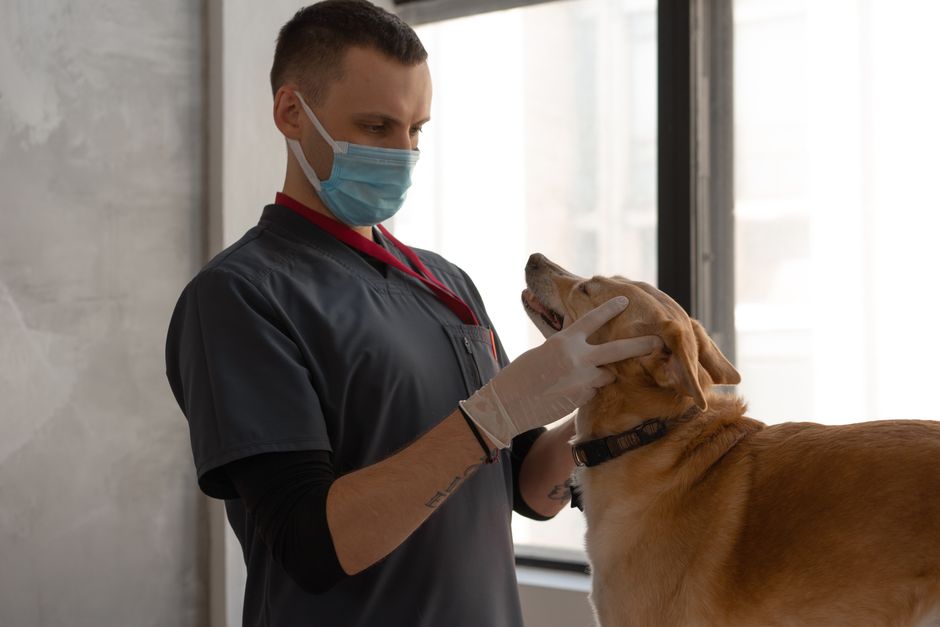
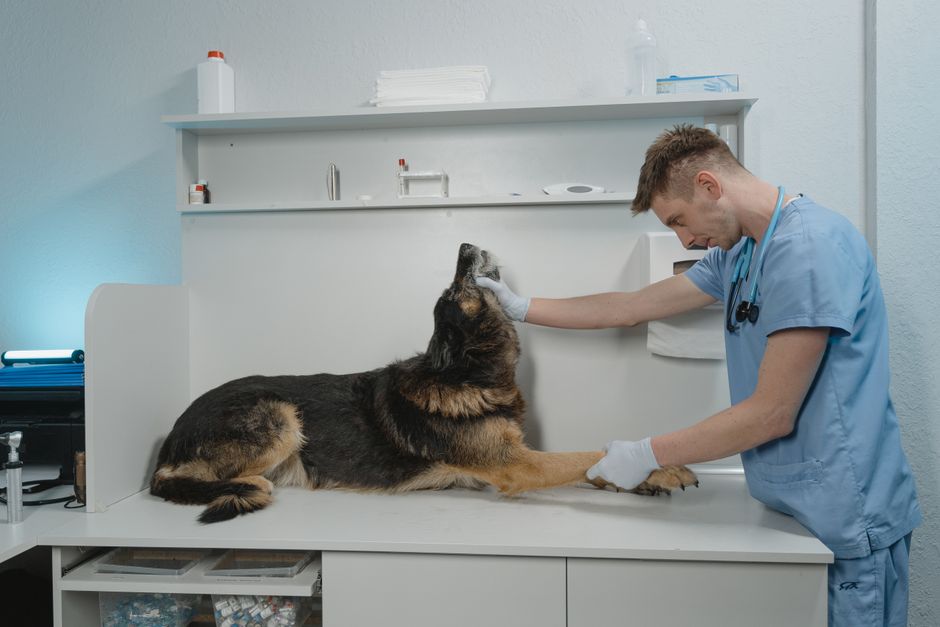
Your vet will clip and clean the area more thoroughly than is comfortable to do at home, often while sedating the dog lightly if needed. They’ll prescribe a short course of oral antibiotics, typically cephalexin or amoxicillin-clavulanate, and often a short course of steroids to break the itch cycle. Without antibiotics, a bacterial hot spot that has progressed beyond the superficial skin layer will not fully resolve. Topicals alone aren’t enough at that stage.
Don’t let anyone sell you on the idea that hot spots are always simple. I’ve seen dogs come in two weeks after an owner tried to manage a hot spot with coconut oil and essential oils (please don’t do this) with infections that had extended into the deeper tissue and required hospitalization. The ASPCA Poison Control Center is also worth keeping in your contacts in case your dog licks up anything you apply topically, since some things marketed as “natural” are genuinely toxic to dogs.
Preventing the Next One
Once the immediate problem is resolved, prevention is where I’d put your energy.
If you’re not on a year-round, veterinarian-recommended flea prevention, start there. Flea allergy dermatitis is the leading driver of hot spots and it’s almost entirely preventable. Products like Simparica Trio or NexGard are highly effective and significantly reduce the risk. This isn’t something to skip in warmer months.
For dogs who swim or have thick coats, thoroughly drying them after any water exposure matters more than most owners realize. Moisture trapped at the skin level in a dense coat is how a lot of summertime hot spots start.
For dogs with recurrent hot spots despite good flea control, an allergy workup with your vet is worth doing. Food allergies and environmental allergies are both treatable, and the ongoing cost of repeated vet visits for hot spots often exceeds the cost of figuring out the underlying cause.
Frequently Asked Questions
Can hot spots heal on their own without treatment?
Small, very early-stage hot spots occasionally resolve with just hair clipping and keeping the area dry, but most will not heal without some form of treatment. The bacterial infection driving the lesion tends to spread without intervention, so waiting more than 24 to 48 hours without signs of improvement isn’t a good strategy.
Is a hot spot contagious to other dogs or to people?
No. The bacteria involved in hot spots are part of normal canine skin flora and are not transmitted between dogs or to humans in normal circumstances. You don’t need to isolate your dog from other pets.
How long does a hot spot take to heal?
With appropriate treatment, most hot spots start looking noticeably better within three to five days. Complete skin healing typically takes two to three weeks. The fur growing back takes longer, sometimes two to three months depending on the dog.
My dog keeps getting hot spots in the same spot. Why?
Recurring hot spots in the same location almost always signal an underlying trigger that hasn’t been identified. Common location-specific causes include ear infections (neck or head), anal gland problems (base of the tail), and orthopedic pain (dogs lick at joints that hurt). If it keeps happening, it’s worth a more thorough diagnostic conversation with your vet rather than just treating each episode.
Should I cover a hot spot with a bandage?
Generally, no. Hot spots need air exposure to dry out and heal. Covering them traps moisture and makes the infection worse. The goal is to keep the area clean, dry, and protected from the dog’s mouth, not to wrap it.
This article is for general informational purposes only and does not constitute veterinary advice. Pet health symptoms can have many causes and require professional evaluation. Always consult a licensed veterinarian for diagnosis and treatment specific to your pet.
Sources
- FRONTLINE Plus Flea and Tick Treatment for Dogs
- pet first aid kit
- ASPCA Poison Control Center
- PetSafe Easy Walk No-Pull Dog Harness
- Purina Pro Plan Veterinary Supplements FortiFlora Probiotic
Disclosure: As an Amazon Associate, we earn a small commission from qualifying purchases at no extra cost to you. We only recommend products that genuinely support the topics covered in this article.
- EVERLIT 95-Piece Vet-Approved Pet First Aid Kit (~$32), Vet-approved 95-piece kit for dogs and cats, covers cuts, burns, sprains, and emergencies until you can reach a vet.
- Nutramax Cosequin DS Joint Supplement for Dogs (132ct) (~$36), The #1 veterinarian-recommended joint supplement brand, clinically studied for reducing joint pain in dogs.
Recommended Resources
Disclosure: As an Amazon Associate, we earn a small commission from qualifying purchases at no extra cost to you. We only recommend products that genuinely support the topics covered in this article.
- EVERLIT 95-Piece Vet-Approved Pet First Aid Kit (~$32), Vet-approved 95-piece kit for dogs and cats, covers cuts, burns, sprains, and emergencies until you can reach a vet.
- Nutramax Cosequin DS Joint Supplement for Dogs (132ct) (~$36), The #1 veterinarian-recommended joint supplement brand, clinically studied for reducing joint pain in dogs.