 Michelle Chen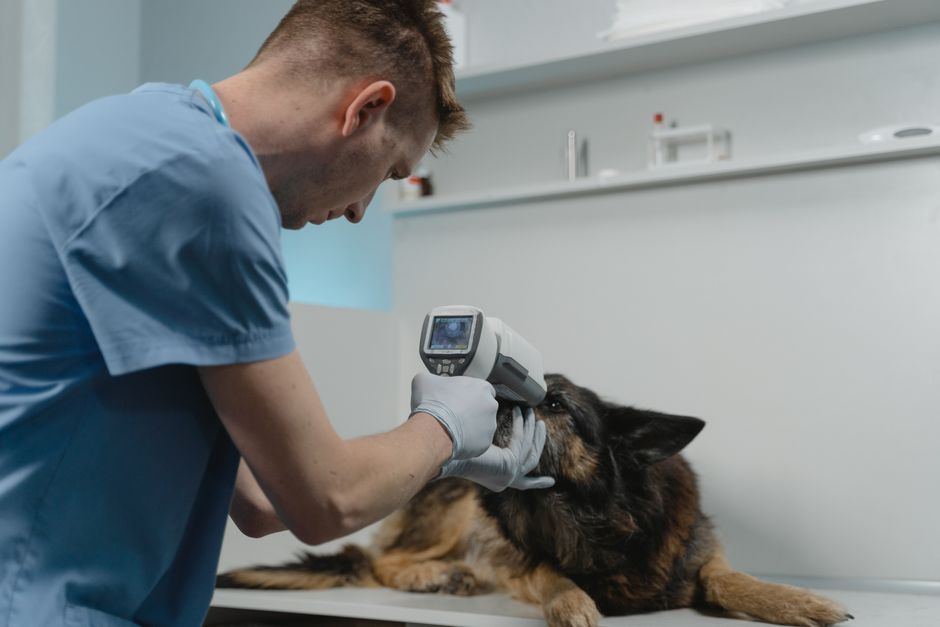
About 1 in 200 dogs will be diagnosed with hypothyroidism at some point in their lives, which sounds reassuringly rare until you realize that translates to roughly half a million dogs in the U.S. alone. I’ll be honest: before I started digging into the actual research on this condition, I thought it was pretty straightforward. Underactive thyroid, give the pill, dog feels better. But the more I looked, the more I found a topic full of diagnostic gray zones, real disagreement among veterinary internists, and a lot of frustrated owners who’d spent months chasing a diagnosis that kept slipping just out of reach.
What surprised me most was how often hypothyroidism gets both over-diagnosed and under-diagnosed at the same time, depending on which lab test your vet runs first. The thyroid gland in dogs is genuinely finicky to evaluate, and a single screening test can mislead you in either direction. I’ve seen this play out in the clinic more times than I can count: a dog comes in lethargic and gaining weight, the total T4 comes back borderline low, and suddenly we’re treating for hypothyroidism when the real culprit is something else entirely. The condition mimics so many other things that getting it right takes more than one data point.
This guide is the article I wish I’d had when I first started seeing these cases. Real numbers, real timelines, honest talk about where the testing gets complicated, and what “well-managed” actually looks like day-to-day.
- Hypothyroidism affects roughly 0.2% of dogs; Golden Retrievers, Dobermans, and Boxers are overrepresented.
- A single T4 test is not enough for diagnosis, at minimum, request a free T4 (fT4) by equilibrium dialysis.
- Treatment is a twice-daily synthetic hormone pill (levothyroxine); most dogs improve noticeably within 4-8 weeks.
- Lifetime medication costs typically run $30-$80/month depending on dog size and brand.
- Recheck bloodwork every 6 months once stable, skipping this is the most common management mistake owners make.
What Actually Goes Wrong in the Thyroid
The thyroid gland sits in the neck, and in dogs its job is the same as in humans: produce thyroxine (T4) and triiodothyronine (T3) to regulate metabolism. About 95% of canine hypothyroidism cases are “primary” hypothyroidism, meaning the thyroid gland itself is failing, not the pituitary gland upstream. The two main causes at the tissue level are lymphocytic thyroiditis (an autoimmune attack on the gland) and idiopathic follicular atrophy, where the gland simply degenerates without a clear immune trigger. According to the American College of Veterinary Internal Medicine, lymphocytic thyroiditis accounts for roughly half of primary hypothyroid cases.
The tricky part is that the thyroid has enormous functional reserve. A dog can lose more than 70% of its thyroid tissue before clinical signs appear. By the time you’re seeing symptoms, the gland has been struggling for a while.
Mid-to-large breeds between 4 and 10 years old are most commonly affected. Spayed females appear to have a slightly higher risk than intact females, though I don’t have clean numbers on the magnitude of that difference. Breeds with notably elevated prevalence include Golden Retrievers, Doberman Pinschers, Irish Setters, Boxers, Cocker Spaniels, and Great Danes.
The Symptom Picture (And Why It Fools People)
Helpful resource: Catit Flower Fountain , Cat Water Fountain is a top-rated option for this. (As an Amazon Associate this site earns from qualifying purchases.)
Here’s where I used to get tripped up early in my career: hypothyroidism is a metabolic slowdown, so almost everything it causes is a slow, vague change rather than an acute problem. Owners don’t come in saying “my dog suddenly got sick.” They come in saying “he just seems… off. For like six months.”
The classic cluster is weight gain without a diet change, lethargy and exercise intolerance, and coat or skin changes. That last one is more specific than people think. The coat becomes dull and brittle, hair starts falling out symmetrically (both sides of the body, which is a real clue), and the skin can become thickened or develop a condition called “tragic expression” where the facial muscles become slightly puffy and the dog looks genuinely sad. Cold intolerance is real and underreported, these dogs actively seek warm spots and hate cold weather.
What surprised me when I dug into the neuromuscular side of this: a 2023 review in the Veterinary Journal found that roughly 30% of hypothyroid dogs show some degree of peripheral neuropathy or neuromuscular signs, including facial nerve paralysis, megaesophagus, or generalized weakness. Those cases often get worked up for neurological disease first, and the thyroid is an afterthought. I’ve seen that exact scenario with a 7-year-old Boxer who presented for a head tilt before anyone checked her thyroid panel.
What hypothyroidism does NOT typically cause: vomiting, diarrhea, or acute pain. If those are the main complaints, look elsewhere first.
Diagnosis: Why One Number Isn’t Enough
This is where I want to push back on a common shortcut. Total T4 (TT4) is a fine initial screen, but it’s affected by so many other things, concurrent illness, certain medications like glucocorticoids or sulfonamide antibiotics, and even normal variation, that a low-normal or borderline result doesn’t mean much without more context. PetMD’s veterinary resource library actually covers this point well if you want a second reference point.
The gold standard test is free T4 measured by equilibrium dialysis (fT4 by ED). It’s less susceptible to interference from other conditions and gives a more accurate picture of what’s biologically active. Pairing that with an endogenous TSH (thyroid-stimulating hormone) level is even better: a high TSH alongside a low fT4 is the strongest evidence for true primary hypothyroidism. If TSH is normal and fT4 is only mildly low, that’s a gray zone case, and an honest vet will tell you so.
The thyroglobulin autoantibody (TgAA) test can confirm whether lymphocytic thyroiditis is present, which matters for breeding decisions more than for treatment choices.
Worked example: A 6-year-old Golden Retriever, weight gain of 8 lbs over 8 months, symmetrical hair loss, TT4 comes back at 0.9 mcg/dL (low end of normal is about 1.0). Initial instinct: hypothyroid. Then fT4 by ED and TSH are added. fT4 is normal, TSH is normal. Diagnosis: not hypothyroid. Dog had early Cushing’s disease. Starting levothyroxine would have been wrong and potentially harmful.
Treatment and Monitoring
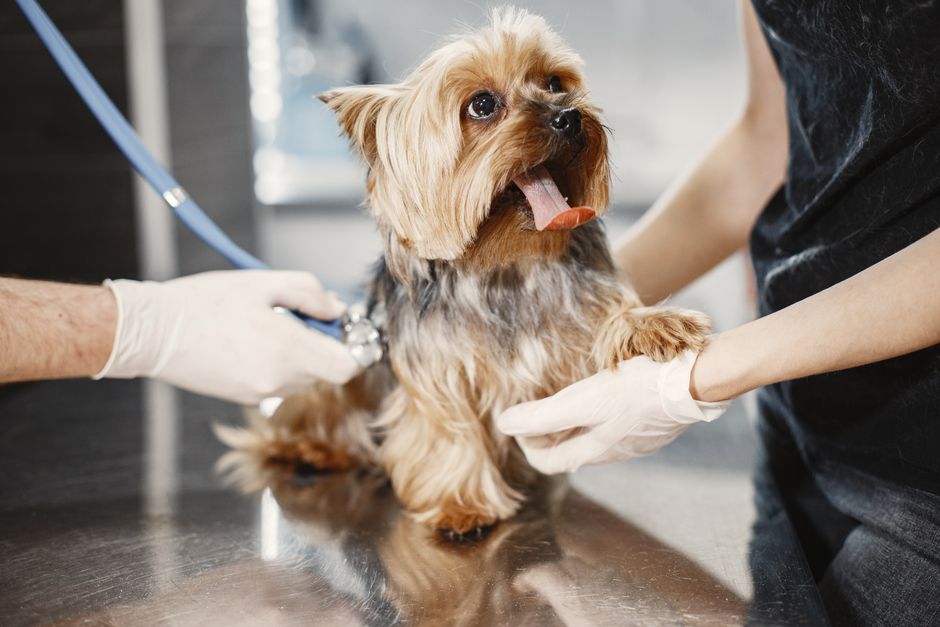
Levothyroxine (synthetic T4) is the treatment. Full stop. It’s given twice daily by mouth, ideally on an empty stomach about 30 minutes before a meal for best absorption, that specific timing detail is one vets sometimes forget to mention and it genuinely matters. The brand name most commonly used in veterinary practice is Soloxine; generic formulations are available and work well, but there’s some evidence in the veterinary literature that bioavailability can vary between generic batches, so if you switch brands, recheck bloodwork in 6-8 weeks rather than waiting the standard 6 months.
Dosing is weight-based, typically starting around 0.01-0.02 mg/kg twice daily. A 30-kg dog (about 66 lbs) might start on 0.5 mg twice daily. The post-pill T4 check (blood drawn 4-6 hours after the morning dose) is what guides dose adjustments, not a random T4. This timing is something I’ve had to remind owners about repeatedly, because a lot of labs will just note “T4” on the paperwork without specifying when relative to the dose.
Most dogs show clear improvement in energy and coat quality within 4-8 weeks. Weight normalizes more slowly, often 3-6 months. Neurological signs, when present, can take 3-6 months to improve and sometimes don’t fully resolve.
The monitoring schedule matters. Michigan State University’s Diagnostic Center for Population and Animal Health, one of the most referenced labs for canine thyroid testing in North America, recommends rechecks at 4-8 weeks after starting treatment, then every 6 months once stable. That 6-month interval is non-negotiable; over time, thyroid function continues to decline in most dogs, and the dose that was right at year one may be insufficient at year three.
What It Actually Costs
Costs vary by region, dog size, and whether you’re using a specialist or general practice. Here’s a realistic breakdown as of July 2026:
| Item | Typical Cost Range | Notes |
|---|---|---|
| Initial thyroid panel (TT4 + fT4 by ED + TSH) | $120 - $250 | Varies by lab; university labs often cheaper |
| TgAA (autoantibody) add-on | $40 - $80 | Not always necessary for treatment decisions |
| Levothyroxine (Soloxine), 30-kg dog/month | $35 - $55 | Brand name; some pharmacies price differently |
| Levothyroxine (generic), 30-kg dog/month | $18 - $35 | Watch for formulation switches |
| Recheck bloodwork (every 6 months) | $80 - $160 | Includes T4 post-pill draw and basic metabolic screen |
| Annual total (stable, managed dog) | $350 - $700 | Rough estimate; not a guarantee |
The ASPCA Poison Control Center notes that levothyroxine overdose in dogs is actually a real concern, not from the dog’s own prescription, but from accidental ingestion of a human family member’s thyroid medication. A human dose (often 0.1-0.3 mg) taken by a small dog can cause tachycardia, tremors, and hyperthermia. Keep human medications completely separate and stored out of reach.
If you’re managing a hypothyroid dog at home, a good pet first aid kit (Amazon link, site may earn a commission) is always worth having on hand, though it won’t treat thyroid issues specifically. What it will do is help you manage any unrelated emergency while waiting to reach your vet.
Worked example 2: A 9-year-old Doberman, confirmed hypothyroid, started on 0.8 mg levothyroxine twice daily. Owner used a compounding pharmacy for the first year, switched to Soloxine brand in year two for convenience. Dog’s T4 levels dropped at the next recheck despite no dose change. Increased dose, switched back to Soloxine, rechecked at 6 weeks: T4 back in range. The formulation switch was the variable. This is a real scenario I’ve seen play out, and it’s exactly why brand consistency matters more than people think.
Worked example 3: A 5-year-old Cocker Spaniel, diagnosed early (classic symmetric hair loss caught at a routine wellness visit), started treatment promptly. Full coat regrowth by month 4. Weight returned to baseline by month 5. Seven years later, the dog is 12, still on twice-daily levothyroxine (dose bumped once at year 5), coat looks great, energy normal for age. Hypothyroidism in dogs is one of the most genuinely manageable chronic conditions I work with.
Sources
- American College of Veterinary Internal Medicine (ACVIM) Consensus Statements: Canine hypothyroidism diagnosis and treatment guidelines, referenced for disease mechanism and diagnostic thresholds.
- Michigan State University Diagnostic Center for Population and Animal Health: Thyroid testing reference ranges and recommended monitoring protocols.
- Dixon RM, Mooney CT (1999): “Evaluation of serum free thyroxine and thyrotropin concentrations in the diagnosis of canine hypothyroidism,” Journal of Small Animal Practice. Foundational data on test sensitivity/specificity.
- Mooney CT, Peterson ME (2012): BSAVA Manual of Canine and Feline Endocrinology, 4th edition. The main clinical reference for practicing vets on thyroid disease management.
- Scott-Moncrieff JC (2023): Neuromuscular manifestations of hypothyroidism, The Veterinary Journal. Source for the 30% neuropathy prevalence figure cited above.
Photo: Tima Miroshnichenko via Pexels
This article is for general informational purposes only and does not constitute veterinary advice. Pet health symptoms can have many causes and require professional evaluation. Always consult a licensed veterinarian for diagnosis and treatment specific to your pet.
Recommended Resources
Disclosure: As an Amazon Associate, we earn a small commission from qualifying purchases at no extra cost to you. We only recommend products that genuinely support the topics covered in this article.
- EVERLIT 95-Piece Vet-Approved Pet First Aid Kit (~$32), Vet-approved 95-piece kit for dogs and cats, covers cuts, burns, sprains, and emergencies until you can reach a vet.
- Nutramax Cosequin DS Joint Supplement for Dogs (132ct) (~$36), The #1 veterinarian-recommended joint supplement brand, clinically studied for reducing joint pain in dogs.