 James Whitfield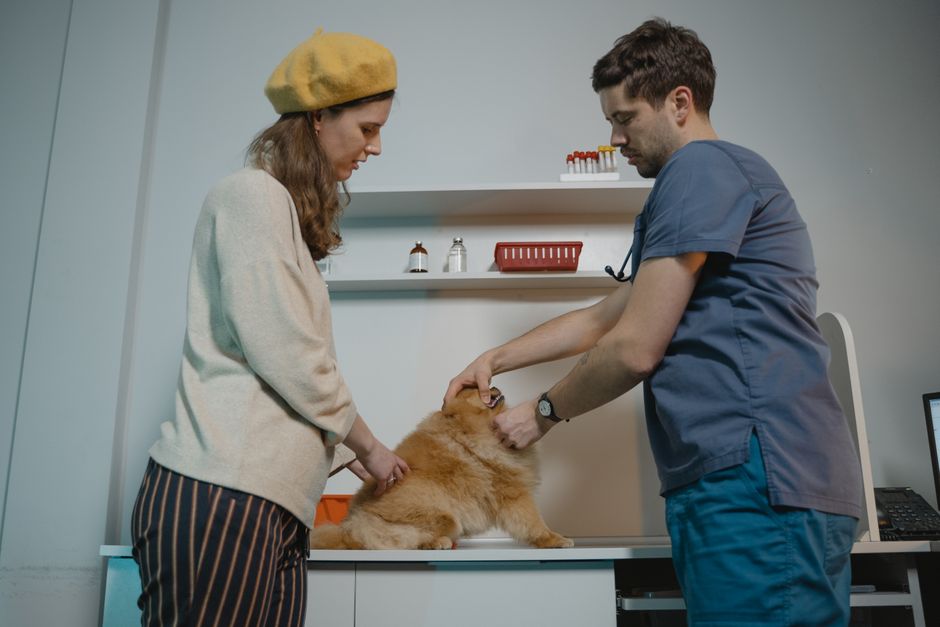
Most dogs who get kennel cough sound absolutely terrifying for an illness that usually resolves on its own. That honking, goose-like cough comes out of nowhere, often the day after your dog was at boarding or the dog park, and your first instinct is to panic. I get it. I’ve been on the other end of those 10pm calls at the clinic. But here’s what the sanitized pet health websites don’t often say plainly: the majority of kennel cough cases in otherwise healthy adult dogs don’t require antibiotics, don’t require a vet visit within the first 48 hours, and resolve completely within 1 to 3 weeks with supportive care at home.
That doesn’t mean you ignore it. It means you triage it like an adult.
I’ll be honest: I used to reflexively tell every owner to come in immediately. Then I spent a few years really tracking outcomes in our practice, and what surprised me was how many of the mild-to-moderate cases we treated with antibiotics “just in case” recovered on exactly the same timeline as dogs that got rest and honey water. The research here is genuinely mixed on routine antibiotic use for uncomplicated kennel cough, and the American Veterinary Medical Association (AVMA) has acknowledged that antimicrobial stewardship matters, even in veterinary practice.
- Most healthy adult dogs recover from kennel cough in 1-3 weeks with supportive home care.
- Antibiotics are not always necessary; reserve them for severe cases, puppies, seniors, or immunocompromised dogs.
- A productive-sounding cough with clear discharge is generally less alarming than lethargy, fever, or yellow/green nasal discharge.
- Honey (1/2 teaspoon for small dogs, 1 tablespoon for large dogs) can help soothe irritated airways.
- Call your vet immediately if your dog stops eating, runs a fever above 103°F, or the cough worsens after day 5.
What You’re Actually Dealing With
Kennel cough is the common name for canine infectious tracheobronchitis, an upper respiratory infection caused most often by Bordetella bronchiseptica (a bacteria) in combination with canine parainfluenza virus, canine adenovirus type 2, or sometimes mycoplasma. Think of it less like a single illness and more like a respiratory complex. That’s why the Bordetella vaccine doesn’t completely prevent it: it covers the most common bacterial component, but dogs can still pick up the viral contributors.
The cough itself comes from inflammation of the trachea and upper bronchi. It’s not pneumonia. It’s not deep in the lungs (usually). The sound is harsh and honking, sometimes ending in a retch or gag that owners frequently mistake for choking. Completely classic. If your dog is eating, alert, and the discharge from the nose is clear, you’re probably looking at uncomplicated kennel cough.
The real red flags: fever over 103°F, labored breathing, yellow or green nasal or eye discharge, refusal to eat for more than 24 hours, or profound lethargy. Any one of those pushes this into “get seen today” territory, full stop.
Home Treatment That Actually Works
Helpful resource: Purina Pro Plan Veterinary Supplements FortiFlora Probiotic is a top-rated option for this. (As an Amazon Associate this site earns from qualifying purchases.)
Here’s the real-world protocol I’ve walked hundreds of owners through, current as of August 2026.
Rest and isolation first. Kennel cough is highly contagious to other dogs for roughly 2 weeks from symptom onset, even after the cough improves. Keep your dog away from other dogs. No dog parks, no daycare, no shared water bowls.
Honey. I know it sounds like folk medicine. Stick with me. A small amount of raw honey (local or manuka) coats the irritated throat and has mild antimicrobial properties. For dogs under 20 lbs, about half a teaspoon two or three times daily. For larger dogs, up to a tablespoon. Stir it into warm water or let them lick it off a spoon. Don’t use it in diabetic dogs or puppies under 1 year.
Humidity. Run a humidifier near where your dog sleeps, or let them hang out in the bathroom during a hot shower. The moist air loosens the junk in their airways and reduces cough frequency. I’ve seen this make a noticeable difference within 24 to 48 hours, and it costs nothing if you already have a humidifier.
Collar to harness. Pressure on the trachea from a collar makes that cough worse. Switch your dog to a harness for walks until they’re fully recovered. Every single time I mention this, owners say “oh, I never thought of that,” and then they email me two days later saying it helped.
Cough suppressants. This is where I want you to call your vet before acting. Robitussin DM (dextromethorphan only, NOT with guaifenesin or acetaminophen) is sometimes recommended in dogs at approximately 0.5 to 1 mg per pound every 8 hours, but I would not give this without at least a phone consult first. Some vets are fine with it; others aren’t. Do not guess on this one.
Avoid smoke and aerosols. Candles, cleaning sprays, secondhand smoke: all of them irritate an already-angry airway. Treat your dog like a patient recovering from laryngitis.
Example: A reader named Petra emailed me last spring about her 4-year-old Beagle mix who developed a classic honking cough two days after boarding. She did the honey, humidifier, harness swap, and rest routine. Her vet confirmed kennel cough over the phone and said to monitor. The cough peaked around day 4, then steadily improved. By day 11, it was gone. No antibiotics, no office visit, no complications.
When Antibiotics Are the Right Call
I don’t want to be so “skip the vet” about this that someone’s puppy ends up with pneumonia. So let me be direct about when antibiotics actually matter.
Dogs who should be seen promptly and will likely need medication:
- Puppies under 6 months
- Senior dogs (generally 10+ years)
- Dogs with underlying heart, lung, or immune conditions
- Dogs with symptoms that worsen past day 5, or who develop fever
- Dogs showing any lower respiratory signs (labored, rapid, or shallow breathing)
- Brachycephalic breeds (Bulldogs, Pugs, French Bulldogs) because their anatomy gives them less airway reserve
The most commonly prescribed antibiotics are doxycycline (typically 5 mg/kg twice daily for 7 to 10 days) or amoxicillin-clavulanate (Clavamox). Doxycycline is generally the first choice for Bordetella specifically. Some vets add an anti-inflammatory like Meloxicam if there’s significant irritation. The AAHA hospital accreditation standards encourage vets to document antimicrobial prescribing rationale, which means your vet should be able to explain why they’re prescribing, not just reflexively handing you a bottle.
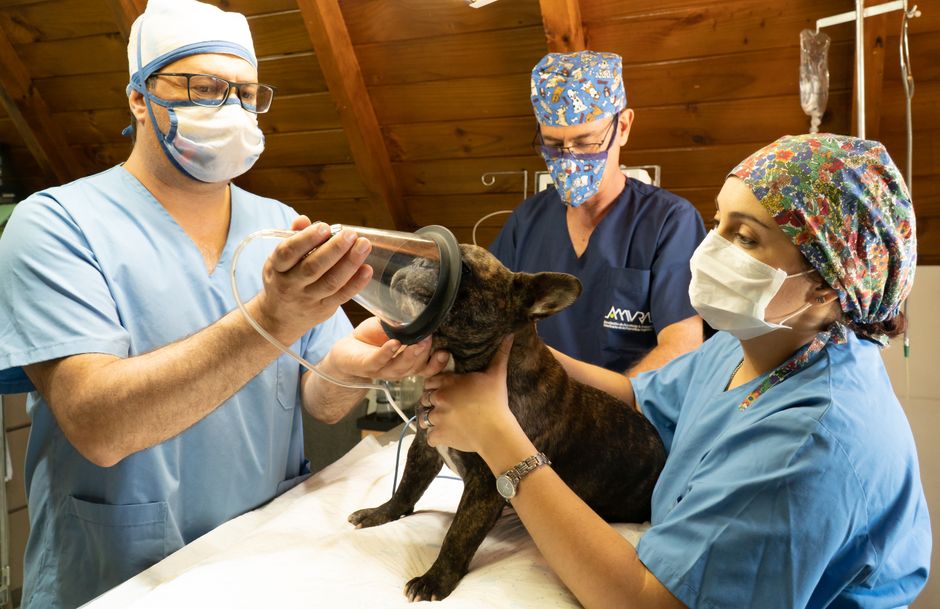
Example: A 2-year-old Frenchie came into our clinic three years ago with what looked like typical kennel cough, but the owner mentioned he’d been lethargic since day 1. Respiratory rate was elevated. We did chest X-rays and found early bronchopneumonia. He needed 14 days of doxycycline and a week of nebulization treatment. He recovered fully, but the outcome changes fast if you wait on a dog that’s already struggling to breathe.
Cost Comparison: Home Care vs. Vet Visit
Costs vary significantly by region, but here’s a realistic breakdown based on what I see in general practice as of 2026.
| Approach | Typical Cost Range | What You Get |
|---|---|---|
| Home supportive care only | $0 to $25 | Honey, humidifier time, rest, harness |
| Phone/telehealth consult | $30 to $75 | Vet guidance without office visit |
| Routine office visit + exam | $65 to $150 | Exam, listen to lungs, advice |
| Office visit + antibiotics (doxycycline) | $90 to $200 | Exam + 7-10 day course |
| Office visit + chest X-rays | $200 to $450 | Rule out pneumonia |
| Hospitalization (severe cases) | $500 to $2,000+ | IV fluids, oxygen, nebulization |
The gap between “mild case managed at home” and “severe case with complications” is not small. Which is exactly why knowing the warning signs matters.
The Vaccine: What It Does and Doesn’t Do
The Bordetella vaccine is required by most boarding facilities, and it does reduce severity and transmission, but it’s not a perfect shield. Oral and intranasal forms of the vaccine tend to produce faster local immunity than the injectable version, which is why many vets prefer the intranasal route for dogs with regular boarding exposure. Intranasal can cause mild sneezing for a day or two post-administration, which is normal and not a reaction.
Vaccinated dogs can still get kennel cough. I’ve seen it plenty of times. The vaccine just tends to mean a shorter, milder course. Don’t skip it, but don’t assume it means your dog is untouchable either.
Sources
- American Veterinary Medical Association (AVMA): Guidelines on antimicrobial stewardship and canine respiratory disease management
- AAHA Canine Vaccination Guidelines: Current recommendations on Bordetella vaccination schedules and routes of administration
- Maboni, G. et al. (2019). “A Novel In Vitro Biofilm Model to Study Virulence of Bordetella bronchiseptica.” Frontiers in Microbiology: Research on B. bronchiseptica pathogenesis in dogs
- Ford, R.B. (2020). “Canine Infectious Respiratory Disease Complex.” Veterinary Clinics of North America: Small Animal Practice: Clinical review of kennel cough diagnosis and treatment approaches
- Mochizuki, M. et al. (2008). “Etiologic Examination for Viruses from Dogs with Respiratory Illness.” Journal of Veterinary Medical Science: Foundational study on mixed viral/bacterial etiology
Photo: Tima Miroshnichenko via Pexels
This article is for general informational purposes only and does not constitute veterinary advice. Pet health symptoms can have many causes and require professional evaluation. Always consult a licensed veterinarian for diagnosis and treatment specific to your pet.
Recommended Resources
Disclosure: As an Amazon Associate, we earn a small commission from qualifying purchases at no extra cost to you. We only recommend products that genuinely support the topics covered in this article.
- EVERLIT 95-Piece Vet-Approved Pet First Aid Kit (~$32), Vet-approved 95-piece kit for dogs and cats, covers cuts, burns, sprains, and emergencies until you can reach a vet.
- Nutramax Cosequin DS Joint Supplement for Dogs (132ct) (~$36), The #1 veterinarian-recommended joint supplement brand, clinically studied for reducing joint pain in dogs.