 Karen Lopez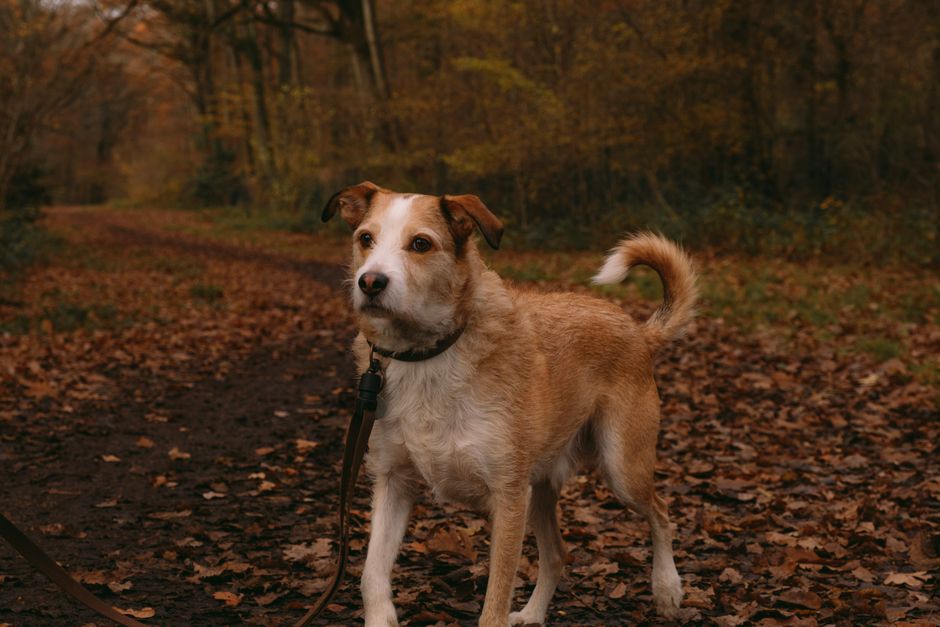
You glance over at your dog and something stops you cold: he’s holding one front leg up off the ground, refusing to put weight on it. Five minutes ago he was fine. Now you’re standing in your kitchen at 9 PM on a Sunday wondering if you need to find an emergency vet or if this can wait until morning. That moment of uncertainty is exactly why I’m writing this.
Limping is one of the most common reasons dogs come through our clinic doors, and it covers an enormous range of situations, from a grass seed stuck between the toes to a fractured bone to the slow, creeping onset of hip dysplasia. Knowing how to read what you’re seeing makes a real difference, both for your dog’s wellbeing and for your wallet.
What’s Actually Causing the Limp: The Big Categories
Limping always means one thing: your dog is trying to protect a painful or mechanically compromised area. But “painful” could mean a hundred different things. Let me break them down into the groups I see most often.
Trauma and acute injury are the obvious culprits when a limp comes on suddenly. Sprains, muscle strains, cracked nails, cuts on the paw pads, bee stings, and fractures all fall here. A dog that was fine, then ran hard, then came up lame has almost certainly strained something. A dog that yelped sharply and then wouldn’t bear weight at all needs to be seen promptly.
Joint disease hits middle-aged and older dogs hard. Osteoarthritis is incredibly common, affecting roughly 1 in 5 dogs over the age of one according to some estimates, with that number climbing sharply in dogs over seven. You’ll typically see a gradual onset: a little stiffness after rest, some reluctance to jump into the car, and eventually a noticeable limp that’s worse in cold or damp weather.
Developmental conditions affect young, growing dogs. Hip dysplasia, elbow dysplasia, osteochondrosis (OCD, where cartilage develops abnormally), and panosteitis, which is a painful bone inflammation that tends to cycle through different legs in large-breed puppies between about 5 and 18 months, are all worth knowing about. Panosteitis gets called “growing pains” sometimes. It’s more annoying than dangerous, but it does need a vet diagnosis to rule out the more serious conditions.
Infections and immune-related causes are less common but can sneak up on you. Lyme disease causes joint pain and lameness, often with fever and lethargy. Bone infections (osteomyelitis) are serious. Immune-mediated polyarthritis, where the dog’s own immune system attacks the joints, can cause shifting-leg lameness that confuses everyone, including experienced vets.
Neurological issues can mimic lameness perfectly. A dog with a slipped disc or spinal cord problem may look like they have a leg problem when the real issue is higher up. If you notice your dog’s knuckling under, dragging a paw, or seeming weak rather than painful, neurological involvement is possible and warrants urgent attention.
How to Do a Basic At-Home Assessment
Before you panic or before you wait too long, spend 5-10 minutes doing a calm, systematic check. Here’s how I’d walk through it:
Watch your dog move first. Don’t touch anything yet. Have someone walk the dog slowly away from you and back. Which leg? Is it a toe-touch lameness (just touching the ground lightly) or a full non-weight-bearing limp? Does it stay consistent or shift?
Check the paw. Look between every toe. Feel gently for swelling, heat, or anything embedded, a thorn, splinter, piece of glass, or a swollen, cracked nail. Grass seeds are sneaky and can work their way in quickly, especially between toes three and four.
Run your hand gently up the leg. Start at the paw and work your way up. You’re feeling for swelling, heat, or a spot that makes the dog flinch or pull away. Go slowly and watch the dog’s face.
Compare both legs. Is one knee visibly swollen compared to the other? Is one shoulder muscle wasted? Asymmetry tells you a lot.
Check for other symptoms. Fever, lethargy, loss of appetite, or swollen lymph nodes alongside lameness changes the picture significantly.
Note the circumstances. When did it start? Was there a specific incident? Has this happened before? Your vet will ask all of this.
This isn’t a replacement for a professional exam. But it helps you give your vet a much more useful history, and it helps you figure out whether you need to move fast.
Emergency vs. Can-Wait: A Practical Guide
This is the question I get asked most. Here’s a straightforward breakdown:
| Situation | Action |
|---|---|
| Dog completely non-weight-bearing, leg visibly deformed or at an odd angle | Emergency vet. Now. |
| Yelped sharply and won’t use the leg at all | Same-day or emergency vet visit |
| Swelling, heat, open wound on the leg | Same-day vet visit |
| Sudden severe limp in a large breed dog with a “gunshot”-sound pop (possible cruciate tear) | Same-day vet visit |
| Limp accompanied by fever, lethargy, or not eating | Same-day vet visit |
| Mild limp, still bearing some weight, no swelling, no wound, otherwise acting normally | Monitor for 24-48 hours, then call your vet if not improving |
| Obvious stiffness that eases after warming up, older dog, recurring pattern | Schedule a routine vet appointment, not urgent but don’t put it off |
| Young large-breed puppy with shifting lameness | Schedule vet visit within a few days |
The cruciate ligament situation deserves a moment. The cranial cruciate ligament (CCL) in dogs is the equivalent of the ACL in humans, and it tears more commonly than people realize, especially in Labrador Retrievers, Rottweilers, and Boxers. A complete tear is almost always a non-weight-bearing lameness that requires surgery. A partial tear can come and go and be deceptively subtle. If your dog had a sudden onset limp that seems to be improving but not fully resolving over a week or two, have the knee specifically evaluated.
Treatment: What Actually Helps
Treatment depends entirely on cause, but here’s what you’ll encounter most often.
For acute soft tissue injuries (sprains, strains), the standard approach is rest, meaning actual rest with leash walks only and no stairs, jumping, or rough play for at least 2 weeks. Your vet may prescribe an NSAID like carprofen or meloxicam for a short course. Do not give your dog ibuprofen or acetaminophen. Both are toxic to dogs. Even “dog-safe” NSAIDs should only be used under veterinary supervision because they carry real risks for dogs with kidney or liver issues.
For osteoarthritis, management isn’t one thing. NSAIDs are often part of the picture, but so are joint supplements. Omega-3 fatty acids have decent evidence behind them. Glucosamine and chondroitin have more mixed research but are widely used and low-risk. Weight management is genuinely one of the most powerful interventions available, because every extra pound puts significantly more force through already-compromised joints. PetMD’s veterinary resource library has solid overviews of the evidence on various supplements if you want to read further. Physical rehabilitation, including underwater treadmill therapy and targeted exercises, has also become much more mainstream and can be remarkably effective.
For fractures and ligament tears, surgery is often necessary. This isn’t a situation for home management.
For developmental conditions like hip dysplasia, the approach depends on severity and the dog’s age. Conservative management (pain control, controlled exercise, weight management, physical therapy) works for some dogs. Others need surgical intervention. This is a real conversation to have with an orthopedic specialist or at minimum a vet who sees these cases regularly. AAHA hospital accreditation standards require accredited hospitals to meet specific diagnostic and treatment benchmarks, so an AAHA-accredited practice is a reasonable place to start if you want to ensure quality care.
For paw injuries, having a good pet first aid kit at home makes a real difference. You can flush wounds, apply a temporary bandage, and keep things clean until you’re seen.
The Conversation With Your Vet: How to Be a Great Historian
Vets work with what you tell them. The better your history, the more efficient the diagnosis. When you call or walk in, lead with:
- Which leg, and since when
- Whether the onset was sudden or gradual
- Whether there was any witnessed event (fall, run, jump, yelp)
- Whether it’s consistent or shifts between legs
- Whether it’s better or worse after rest vs. after activity
- Any other symptoms you’ve noticed
- The dog’s age, breed, and weight
- Any supplements or medications already being given
That last one matters more than people realize. In my experience, a fair number of owners are already giving their dogs something, whether it’s fish oil, a joint chew, or even leftover pain meds from a previous prescription, and that’s important information for dosing and safety decisions.
Watching your dog struggle to walk is genuinely hard. The good news is that most limping in dogs is treatable, and many causes respond very well when caught and addressed early. Trust your gut: if something looks seriously wrong, don’t wait. If it looks minor, give it 24-48 hours of real rest and keep a close eye on things. And when you do talk to your vet, bring the details. You know your dog better than anyone, and that knowledge is genuinely useful in the exam room.
Sources
- PetMD’s veterinary resource library
- AAHA hospital accreditation standards
- EVERLIT 95-Piece Vet-Approved Pet First Aid Kit
- Nutramax Cosequin DS Joint Supplement for Dogs (132ct)
- Mathias Reding
Disclosure: As an Amazon Associate, we earn a small commission from qualifying purchases at no extra cost to you. We only recommend products that genuinely support the topics covered in this article.
- EVERLIT 95-Piece Vet-Approved Pet First Aid Kit (~$32). Vet-approved 95-piece kit for dogs and cats, covers cuts, burns, sprains, and emergencies until you can reach a vet.
- Nutramax Cosequin DS Joint Supplement for Dogs (132ct) (~$36). The #1 veterinarian-recommended joint supplement brand, clinically studied for reducing joint pain in dogs.
Photo: Mathias Reding via Pexels
This article is for general informational purposes only and does not constitute veterinary advice. Pet health symptoms can have many causes and require professional evaluation. Always consult a licensed veterinarian for diagnosis and treatment specific to your pet.
Recommended Resources
Disclosure: As an Amazon Associate, we earn a small commission from qualifying purchases at no extra cost to you. We only recommend products that genuinely support the topics covered in this article.
- EVERLIT 95-Piece Vet-Approved Pet First Aid Kit (~$32), Vet-approved 95-piece kit for dogs and cats, covers cuts, burns, sprains, and emergencies until you can reach a vet.
- Nutramax Cosequin DS Joint Supplement for Dogs (132ct) (~$36), The #1 veterinarian-recommended joint supplement brand, clinically studied for reducing joint pain in dogs.