 James Whitfield
Your dog’s breath smells like something died under the couch, your vet just mentioned “Stage 2 periodontal disease,” and now you’re staring at an estimate that starts with a number that made you quietly close the folder. You’re not alone. Dental cleanings are one of the most common procedures I see clients sticker-shocked by, mostly because nobody explained what they were actually paying for ahead of time. Let’s fix that.
What You’re Actually Paying For (And Why It Costs More Than Your Own Cleaning)
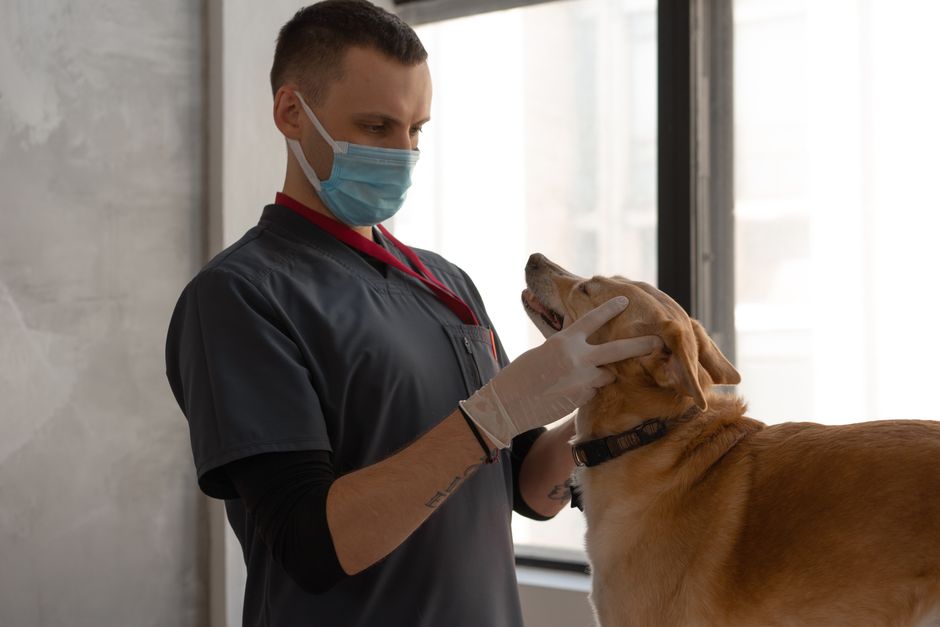
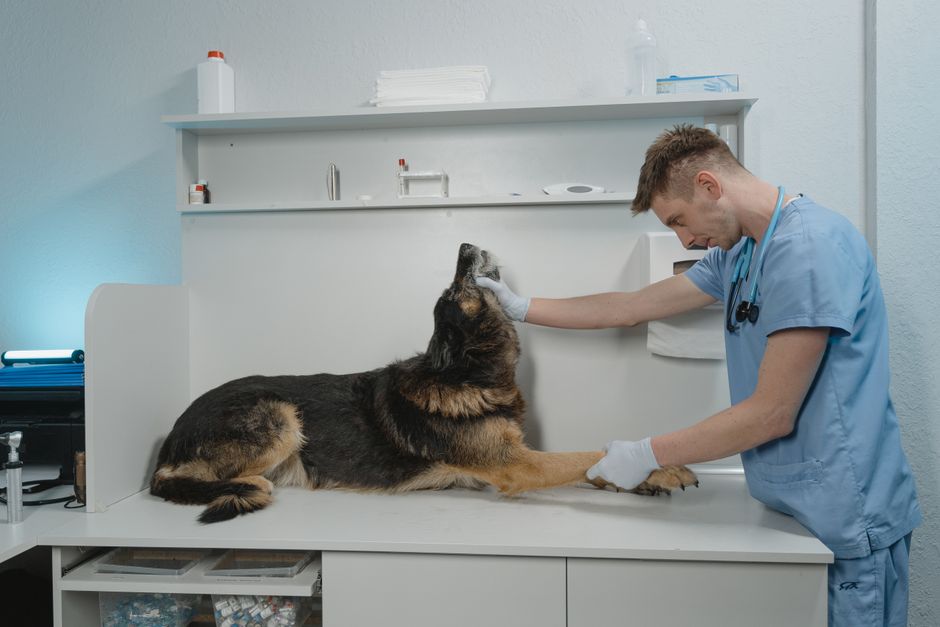
Here’s the thing most people don’t realize until they’re already at the front desk: your dog’s dental cleaning is a surgical procedure. Not metaphorically. Your dog goes under general anesthesia, has vitals monitored the entire time, and gets a cleaning that includes probing each tooth individually, scaling above and below the gumline, polishing, and a full oral exam with charting. That’s not what happens in the chair at your dentist’s office.
General anesthesia alone drives the cost significantly. A licensed veterinary technician (often the person monitoring anesthesia) is present the entire time, watching oxygen levels, heart rate, blood pressure, and respiratory rate. Pre-anesthetic bloodwork, which most practices strongly recommend or require for adult and senior dogs, checks kidney and liver function to confirm the animal can safely metabolize anesthetic drugs. That bloodwork isn’t a upsell. It’s how we catch problems before they become tragedies on the table.
When you see a range quoted anywhere from around $300 to well over $1,000, the spread is real, and there are legitimate reasons for it. Geographic location matters enormously. A practice in a high cost-of-living metro area has higher overhead than a rural clinic. The size of your dog matters too, because larger dogs require more anesthetic drugs, more time, and sometimes different equipment. A Chihuahua and a Great Dane are not the same dental procedure, even if both just need a cleaning.
The American Veterinary Medical Association (AVMA) has long emphasized that anesthesia-free dental cleanings, which some grooming salons and mobile services offer, are not a safe or effective alternative. They look like a cleaning from the outside, but they only address visible surface tartar, ignore everything below the gumline where disease actually starts, and stress the animal significantly in the process. If you’ve been tempted by the lower price tag on those services, skip them entirely.
What Drives the Cost Up: Extractions, X-Rays, and Add-Ons
A “routine cleaning” estimate is genuinely just the starting point. What happens once your vet opens your dog’s mouth and gets a proper look is where costs can shift substantially, and I want you to understand why that’s not a bait-and-switch.
Dental radiographs (x-rays) are the single most important diagnostic tool in veterinary dentistry. According to PetMD’s veterinary resource library, studies suggest that without dental x-rays, vets miss a significant percentage of pathology that’s invisible to the naked eye. Root fractures, tooth resorption, bone loss, and abscesses hide below the gumline. Many practices include full-mouth radiographs in their base estimate now, which is actually a sign of a thorough practice. If a quote seems unusually low, ask specifically whether radiographs are included.
Extractions are the other major variable. A simple extraction of a loose, single-rooted tooth is very different from a surgical extraction of a fractured carnassial tooth, which has three roots and requires sectioning, bone removal, and suturing. Extraction fees are typically per tooth, and they vary based on complexity. A dog coming in with advanced periodontal disease in multiple teeth can have the estimate climb substantially from the cleaning base price alone. I’ve seen clients genuinely blindsided by this. The honest answer is that your vet often can’t give you a final number until they’re actually in there with full visualization and x-rays.
Ask your vet to walk you through the estimate in tiers: what’s included in the base, what’s likely to be added based on their exam findings, and what’s possible but less certain. A good practice will do this without you having to ask twice.
How to Compare Estimates Without Getting It Wrong
| Line Item | What to Ask |
|---|---|
| Pre-anesthetic bloodwork | Included, optional, or required? What panel? |
| IV catheter and fluids | Included? (Should be standard for any anesthesia.) |
| Anesthesia monitoring | Who monitors? Tech or automated only? |
| Dental radiographs | Full mouth, or just problem areas? Included or per image? |
| Scaling and polishing | Above and below gumline? Both included? |
| Extractions | Per tooth? Flat fee? Simple vs. surgical rate? |
| Post-operative pain medication | Included or billed separately? |
| Fluoride treatment or sealant | Optional add-on? |
If you’re getting quotes from multiple clinics, you need to compare apples to apples. Here’s a simple breakdown of what to look for:
| Line Item | What to Ask |
|---|---|
| Pre-anesthetic bloodwork | Included, optional, or required? What panel? |
| IV catheter and fluids | Included? (Should be standard for any anesthesia.) |
| Anesthesia monitoring | Who monitors? Tech or automated only? |
| Dental radiographs | Full mouth, or just problem areas? Included or per image? |
| Scaling and polishing | Above and below gumline? Both included? |
| Extractions | Per tooth? Flat fee? Simple vs. surgical rate? |
| Post-operative pain medication | Included or billed separately? |
| Fluoride treatment or sealant | Optional add-on? |
IV fluids and catheter placement during anesthesia should be non-negotiable. Some low-cost clinics omit them to lower the estimate. Fluids help maintain blood pressure during anesthesia and allow immediate IV access if there’s an emergency. It’s not an optional luxury.
Also ask about how the practice handles post-procedure communication. Will someone call you when your dog is out of anesthesia? Will you get a written dental chart showing which teeth were assessed and what was done? That documentation matters for tracking dental health over time.
Keeping Costs Down Long-Term: Home Care That Actually Works
The most effective way to reduce lifetime dental costs is to reduce the buildup of plaque that leads to periodontal disease. And the single most effective home care method is daily toothbrushing. Not weekly. Daily. Plaque starts mineralizing into tartar within 24 to 72 hours, so brushing every few days doesn’t fully interrupt that cycle.
Here’s how to actually make it happen, especially if your dog currently hates it.
Start with your finger. Before you ever introduce a brush, spend a week just gently rubbing your finger along your dog’s outer gumline after a meal when they’re calm and a little sleepy.
Add enzymatic toothpaste next. Put a small amount on your finger. Products like Virbac C.E.T. paste do some of the work even without perfect brushing technique. Never use human toothpaste. Xylitol and fluoride are toxic to dogs.
Introduce a soft-bristled pet toothbrush or finger brush. Angle the bristles at about 45 degrees toward the gumline. Focus on the outer surfaces of the back upper teeth first. That’s where tartar accumulates fastest.
Keep sessions under two minutes. End on a positive note every single time. A small treat or a brief play session immediately after creates a positive association that compounds over weeks.
Dental chews can be a useful supplement, though not a replacement for brushing. Look for products that carry the Veterinary Oral Health Council (VOHC) seal, which means they’ve been tested and shown to reduce plaque or tartar. VOHC-accepted dental chews are worth keeping on hand as part of a daily routine.
Water additives exist too, and some carry VOHC acceptance. They’re not magic, but for a dog who won’t tolerate brushing at all, they provide at least some ongoing enzymatic activity. Ask your vet which ones they’ve seen results with.
Pet Insurance and Payment Options: What to Know Before You Need It
If your dog is young and currently healthy, this is exactly the right time to think about dental coverage. Most pet insurance plans with dental benefits only cover dental illness (periodontal disease, tooth fractures) if the condition develops after the policy’s waiting period, and only if the dog had a clean dental exam on record. Pre-existing conditions, including existing periodontal disease, are typically excluded.
Read the fine print on dental coverage carefully. Some plans cover “dental illness” but not routine cleanings. Some cover cleanings only as part of a wellness add-on rider. The definitions matter.
If you’re already facing a large dental estimate without insurance, ask the clinic whether they work with CareCredit or Scratchpay, which are healthcare financing services that allow you to split costs into monthly payments. Many practices also offer in-house payment plans, though policies vary widely. It never hurts to have that conversation directly and early, before the procedure, not at checkout.
Some areas have low-cost veterinary clinics through humane societies or veterinary school teaching hospitals. Teaching hospitals, staffed by supervised veterinary students and residents, often charge significantly less than private practice while maintaining high standards of care. The procedure takes longer, but the quality is typically excellent.
Dental disease is the most common condition I see go unaddressed until it becomes genuinely painful and expensive. The dogs can’t tell you their teeth hurt. They just stop playing tug, get a little quieter, eat a little slower, and their owners often chalk it up to aging. Sometimes it is. Sometimes it’s a mouth full of problems that could have been managed earlier for a fraction of the cost and none of the suffering. The investment in a cleaning now, and in daily brushing starting tonight, is almost always worth it.
This article is for general informational purposes only and does not constitute veterinary advice. Pet health symptoms can have many causes and require professional evaluation. Always consult a licensed veterinarian for diagnosis and treatment specific to your pet.
Sources
- American Veterinary Medical Association (AVMA)
- PetMD’s veterinary resource library
- VOHC-accepted dental chews
- Rayco First Aid Kit for Dogs and Cats
- Arm & Hammer Dog Dental Spray, No Brush Needed
Disclosure: As an Amazon Associate, we earn a small commission from qualifying purchases at no extra cost to you. We only recommend products that genuinely support the topics covered in this article.
- EVERLIT 95-Piece Vet-Approved Pet First Aid Kit (~$32), Vet-approved 95-piece kit for dogs and cats, covers cuts, burns, sprains, and emergencies until you can reach a vet.
- Nutramax Cosequin DS Joint Supplement for Dogs (132ct) (~$36), The #1 veterinarian-recommended joint supplement brand, clinically studied for reducing joint pain in dogs.
- Renogy 200W Solar Starter Kit + 30A Charge Controller (~$169), Complete beginner solar kit, 200W monocrystalline panel, charge controller, and mounting hardware included.
- Renogy 2×100W Monocrystalline Solar Panels (~$99), Expandable 200W panel set from the most trusted DIY solar brand, used widely in off-grid and home backup systems.
Recommended Resources
Disclosure: As an Amazon Associate, we earn a small commission from qualifying purchases at no extra cost to you. We only recommend products that genuinely support the topics covered in this article.
- EVERLIT 95-Piece Vet-Approved Pet First Aid Kit (~$32), Vet-approved 95-piece kit for dogs and cats, covers cuts, burns, sprains, and emergencies until you can reach a vet.
- Nutramax Cosequin DS Joint Supplement for Dogs (132ct) (~$36), The #1 veterinarian-recommended joint supplement brand, clinically studied for reducing joint pain in dogs.