 Karen Lopez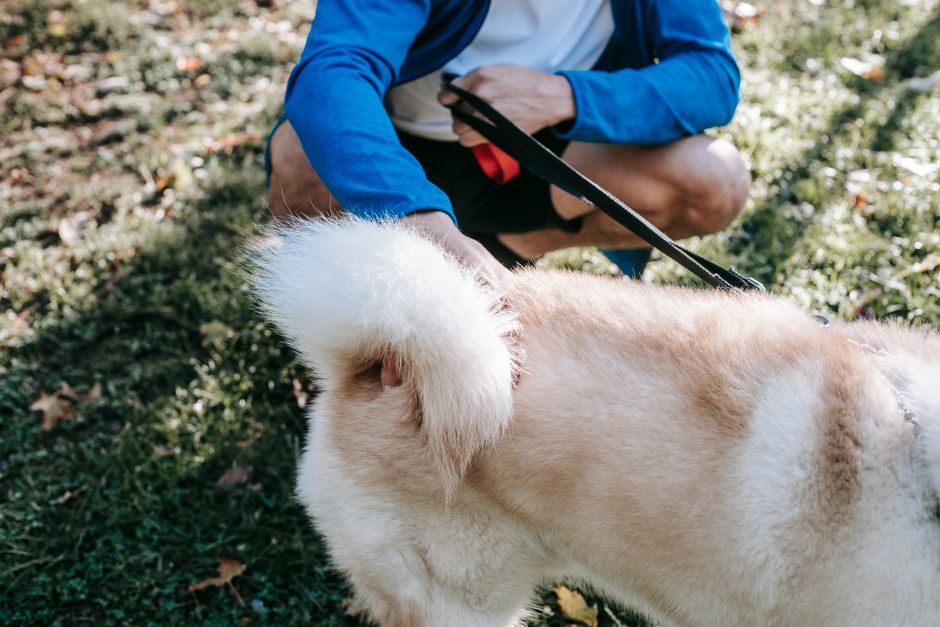
Most dog owners hear “we’d like to run a urinalysis” and think: quick dip-stick test, two minutes, done. I thought the same thing when I first started in practice. Then I realized how much information is actually hiding in a single urine sample, and how often it catches something serious before your dog shows any signs at all. A dog can have a urinary tract infection, early kidney disease, diabetes, or even certain cancers and still look completely fine at home. That’s what makes this test quietly one of the most powerful tools in veterinary medicine. Understanding what it’s measuring puts you in a much better position to ask the right questions.
What a Urinalysis Actually Tests For
A complete urinalysis isn’t one test. It’s three separate evaluations run on the same sample.
The first is physical assessment: color, clarity, and odor. Normal dog urine ranges from pale yellow to amber depending on concentration. Bright orange, red, or murky brown is a red flag. Cloudy urine usually means white blood cells, bacteria, or crystals are present.
Second comes the chemical dipstick evaluation. That’s the strip your vet dips into the sample that changes color in different segments. It checks glucose, protein, blood, ketones, bilirubin, and pH. Each tells a different story. Glucose in urine matters because healthy kidneys filter it back into the bloodstream. If it’s spilling into urine, that can point to diabetes or a kidney threshold problem. Protein is trickier. The research here is genuinely mixed on what a single finding means without context, which is why vets often repeat the test or run a urine protein:creatinine ratio before drawing conclusions.
The third part is the sediment exam. This is where a lot of the important stuff lives. The lab (or your vet’s in-house analyzer) spins the sample and looks at what settles under a microscope: red blood cells, white blood cells, bacteria, epithelial cells, casts, and crystals. Casts are cylindrical structures formed in the kidney tubules. Finding them tells you something is happening at the kidney level, not just the bladder. That distinction matters enormously.
How the Sample is Collected (And Why It Matters More Than You’d Think)
| Collection Method | Contamination Risk | Stress Level | Best Use Case |
|---|---|---|---|
| Free-catch | High | Low | Routine screening, owner convenience |
| Catheterization | Moderate | Moderate | When free-catch unavailable |
| Cystocentesis | Minimal (sterile) | Low | Confirming UTI, culture results, clinical uncertainty |
Here’s something that genuinely catches people off guard: the collection method changes how results are interpreted.
Free-catch is what most owners do at home, letting urine fall into a clean container mid-stream (skip the first and last bit). It’s practical, but contamination from the environment, skin, and fur is common, especially in females. That contamination can make a sample look like it has bacteria or blood when it doesn’t.
Catheterization collects urine directly from the bladder via a sterile catheter. It’s cleaner than free-catch but still carries a small contamination risk, and it’s more stressful for the dog.
Cystocentesis is the gold standard. Your vet uses a small needle, guided by ultrasound or palpation, to collect urine straight from the bladder. It sounds alarming if you’ve never heard of it, but most dogs tolerate it well, and the sample is sterile. If your vet is trying to confirm a urinary tract infection and decide whether to prescribe antibiotics, a cystocentesis sample gives you the most reliable culture result.
I’ve seen more than a few dogs treated for UTIs based on contaminated free-catch samples that didn’t actually have infections. If your vet recommends a “cysto,” it’s not overkill.
How to Collect a Sample at Home (Step-by-Step)
If your vet asks you to bring in a sample, here’s how to do it properly.
- Use a clean container. A sterile urine cup from your vet’s office is ideal. A clean Tupperware container works in a pinch, but rinse it with distilled water, not tap water (tap has minerals that can mess with the sediment exam).
- Collect the mid-stream portion. Let your dog start urinating, then slide the container into the stream. Avoid the first and last few seconds.
- Get it to the clinic fast. Urine degrades quickly. Crystals form, bacteria multiply, and cells break down. Aim for under two hours. If that’s impossible, refrigerate the sample and get it in within four hours. Don’t freeze it.
- Label it clearly. Your dog’s name, time of collection, and collection method. Your vet will want all three.
- Note anything unusual. If you saw straining, blood-tinged puddles, or frequent small amounts, write it down and tell the front desk when you drop off the sample. That clinical history changes how the lab interprets findings.
Reading the Results: What the Numbers Mean
Specific gravity measures how concentrated the urine is, and it confuses a lot of owners. Dogs should be able to produce fairly concentrated urine (generally 1.025 or above signals healthy kidney concentrating ability). Dilute urine, especially consistently dilute, can signal kidney disease, Cushing’s disease, diabetes insipidus, or just a dog who drinks a lot. Context matters: a dog who drank a liter of water before the test will have dilute urine for reasons that have nothing to do with disease.
Protein in urine deserves its own paragraph. A tiny amount can be normal. Persistent, significant protein is not. The urine protein:creatinine (UPC) ratio is the follow-up test that quantifies how much protein is actually leaking through the kidneys. Glomerulonephritis and protein-losing nephropathy are conditions your vet may bring up if this number is elevated.
When Results Should Make You Act Fast
Most urinalysis findings don’t require a midnight ER visit. Some do.
Call your vet the same day (or go to an emergency clinic after hours) if you see frank blood in the urine (red, not just trace pink), your dog is straining and producing nothing, your dog is lethargic alongside abnormal urine results, or your vet’s results show bacteria combined with signs of systemic illness like fever or not eating.
The ASPCA Poison Control Center is worth mentioning because certain toxins, including grapes, raisins, and some medications, cause acute kidney injury that shows up in the urinalysis before bloodwork even catches up. If there’s any chance of exposure to a kidney toxin, don’t wait.
For dogs with chronic findings that need monitoring, glucose, protein, or dilute urine, your vet may recommend picking up some dipsticks you can use between appointments. Helpful for tracking trends, though they don’t replace the full sediment exam.
A urinalysis is one of those tests that looks simple from the outside and turns out to be quietly sophisticated once you understand what’s being measured. The more you know about what your vet is looking at and why, the better partner you can be in your dog’s care. If something in your dog’s results has you confused, write down your specific questions before the appointment. Ask what the number means, what the next step is if it stays elevated, and what signs at home should prompt a call. A good vet wants you asking those questions.
Sources
- EVERLIT 95-Piece Vet-Approved Pet First Aid Kit
- Nutramax Cosequin DS Joint Supplement for Dogs (132ct)
- here is genuinely mixed on what a single finding means without context
- don’t require a midnight ER visit
- that need monitoring
Disclosure: As an Amazon Associate, we earn a small commission from qualifying purchases at no extra cost to you. We only recommend products that genuinely support the topics covered in this article.
- EVERLIT 95-Piece Vet-Approved Pet First Aid Kit (~$32). Vet-approved 95-piece kit for dogs and cats, covers cuts, burns, sprains, and emergencies until you can reach a vet.
- Nutramax Cosequin DS Joint Supplement for Dogs (132ct) (~$36). The #1 veterinarian-recommended joint supplement brand, clinically studied for reducing joint pain in dogs.
This article is for general informational purposes only and does not constitute veterinary advice. Pet health symptoms can have many causes and require professional evaluation. Always consult a licensed veterinarian for diagnosis and treatment specific to your pet.
Recommended Resources
Disclosure: As an Amazon Associate, we earn a small commission from qualifying purchases at no extra cost to you. We only recommend products that genuinely support the topics covered in this article.
- EVERLIT 95-Piece Vet-Approved Pet First Aid Kit (~$32), Vet-approved 95-piece kit for dogs and cats, covers cuts, burns, sprains, and emergencies until you can reach a vet.
- Nutramax Cosequin DS Joint Supplement for Dogs (132ct) (~$36), The #1 veterinarian-recommended joint supplement brand, clinically studied for reducing joint pain in dogs.