 Michelle Chen
Most puppies come home around 8 weeks old, and within the first 48 hours, at least three people have probably told you something different about vaccines. Your breeder said one thing. Your neighbor said another. Someone in a Facebook group swore their vet does it completely differently. And now you’re staring at a piece of paper from your first vet visit wondering what any of it actually means.
You’re not confused because you’re not paying attention. You’re confused because the vaccine schedule genuinely has moving parts, and most handouts do a poor job explaining the why behind the timing.
Here’s what I tell people who come in with that exact look on their face: the first year is a series, not a single event. Think of it less like getting a shot and more like building a wall, one layer at a time. Each appointment adds to something the previous one started.
Why Puppies Need So Many Visits (And No, It’s Not Just About Money)
Newborn puppies get some immune protection from their mother’s milk, specifically from the first milk called colostrum. This is called maternal immunity, and it’s genuinely protective. The problem is that it fades, and it doesn’t fade on the same schedule in every puppy. Some puppies lose maternal antibodies at 6 weeks. Some hold onto them until 14 or 16 weeks. And here’s the frustrating part: those maternal antibodies don’t just protect the puppy from disease. They also block vaccines from working properly.
So when you vaccinate an 8-week-old puppy, there’s a real chance the vaccine doesn’t “take” as well as you’d want it to, because the maternal antibodies are still hanging around and neutralizing the vaccine before the immune system can respond to it. This is why your vet doesn’t just give one shot and call it done. The series of vaccines given every 3 to 4 weeks is a strategy to catch that window when maternal immunity has dropped low enough for the vaccine to work.
The American Veterinary Medical Association (AVMA) refers to this as the “susceptibility window” and recommends continuing the puppy series until at least 16 weeks of age for exactly this reason. Miss that window and you’ve got a puppy who got poked twice but may not actually be protected.
That’s the real reason for multiple visits. Not revenue. Not habit. Biology.
The First Year Schedule, Broken Down by Age
| Age | Vaccine(s) | Notes |
|---|---|---|
| 6-8 weeks | DA2PP (DHPP/DA2PPC) | Usually given by breeder; covers distemper, adenovirus, parainfluenza, parvovirus; leptospirosis may be added depending on region |
| 9-11 weeks | DA2PP booster; Bordetella (optional); Leptospirosis (optional) | First vet visit if breeder started series; bordetella recommended if puppy will attend classes, dog parks, boarding, or grooming |
| 12-16 weeks | DA2PP booster; Rabies; Leptospirosis booster (if started); Bordetella booster (if given intranasally) | Rabies typically not before 12 weeks; most states require by 16 weeks |
| 14-16 weeks | Final DA2PP in puppy series | Critical booster; lands after maternal immunity has waned to ensure series efficacy |
Helpful resource: Midwest Homes Folding Metal Dog Crate is a top-rated option for this. (As an Amazon Associate this site earns from qualifying purchases.)
I want to give you an actual schedule here, not just “ask your vet.” That said, your vet will customize this based on your location, your puppy’s risk factors, and what vaccines your breeder already gave. Think of this as the standard framework most small animal practices use.
6 to 8 weeks
This is usually the breeder’s territory. If your puppy came from a responsible breeder, they likely gave the first DA2PP (also written as DHPP or DA2PPC) at around 6 weeks. This combo vaccine covers distemper, adenovirus (hepatitis), parainfluenza, and parvovirus. Sometimes leptospirosis is added here depending on the region. If you got your puppy from a shelter, this likely happened before adoption.
9 to 11 weeks
Your first vet visit if the breeder already started the series, or the first DA2PP if they didn’t. This is also when some vets start the bordetella vaccine (kennel cough), especially if you’re planning puppy classes, dog parks, boarding, or grooming. Leptospirosis may be introduced here too, though not every practice does it this early.
12 to 16 weeks
Another DA2PP booster. Rabies vaccine is given here, typically not before 12 weeks (most states require it by 16 weeks, and many require it by 12 weeks). If leptospirosis was started at the previous visit, the second dose in that series comes now. Bordetella booster if given intranasally at the last visit.
14 to 16 weeks
Final DA2PP in the puppy series. This is the visit most people treat as optional because their puppy “already had shots,” and honestly, it’s the one I’d fight you on skipping. This last booster is most likely to land in that sweet spot after maternal immunity has fully waned. Without it, you can’t be confident the series actually worked.
A few things worth flagging. Lyme disease vaccine is recommended in tick-endemic areas (most of the Northeast, upper Midwest, parts of the Pacific Northwest). If you live in or travel to those regions, ask your vet about adding it, typically starting at 9 to 12 weeks with a booster 2 to 4 weeks later. Influenza vaccine (H3N2 and H3N8) is also available but generally recommended only for dogs with significant social exposure, kennels, dog shows, that sort of thing.
Core vs. Non-Core: The Distinction That Actually Matters
The Ultimate Guide for First-Time Cat Owners · MAINE COON JUNGLE on YouTube
Not every vaccine is the same, and knowing the difference between core and non-core vaccines helps you have a smarter conversation with your vet instead of just nodding along.
Core vaccines are the ones every dog should get, full stop, regardless of lifestyle. That list is: distemper, parvovirus, adenovirus (the hepatitis component), and rabies. Parvovirus alone kills thousands of dogs every year, and it’s highly contagious, environmentally stable, and notoriously hard to eliminate once it’s in an area. PetMD’s veterinary resource library describes parvo as one of the most serious infectious diseases in dogs. That’s not an exaggeration. I’ve sat with families in our clinic lobby who lost puppies to it. It’s preventable. The vaccine matters.
Non-core vaccines are lifestyle-dependent. Bordetella, leptospirosis, Lyme, and canine influenza all fall into this category. Non-core doesn’t mean unimportant. It means the risk-benefit calculation depends on your dog’s actual life. A dog who never leaves the backyard has a very different exposure profile than one who goes to daycare three times a week or hikes with you in rural Wisconsin.
My honest opinion: most dogs should get bordetella and leptospirosis. Lepto is water-borne and spread by wildlife, including suburban wildlife. You don’t have to live on a farm. If your dog walks near puddles, streams, or anywhere that raccoons, deer, or rats pass through, lepto exposure is a real possibility. Ask your vet specifically about lepto prevalence in your county.
What to Bring to Every Appointment
The single most useful thing you can do before your first puppy vet visit: get whatever paperwork came with your puppy and bring it. All of it. The vaccine records from the breeder or shelter tell your vet exactly what’s been given, what brand was used, and when. This prevents duplicate vaccines and helps your vet build an accurate schedule going forward.
If you don’t have records, don’t panic. It doesn’t mean you start from scratch. Your vet can make a reasonable judgment call based on your puppy’s age, source, and history. It just means the schedule might get adjusted to be conservative.
One thing I see people skip: writing down questions before the appointment. You’ll think of three things in the waiting room and forget all of them the moment your puppy starts crying. Bring a list. Ask about the 3-year rabies vs. 1-year rabies debate for your state (this is a legal question as much as a medical one). Ask about when your puppy will be fully protected and whether it’s safe to take them to the dog park before the series is done. Most vets recommend waiting one to two weeks after the final booster.
A Note on Vaccine Reactions and What’s Normal
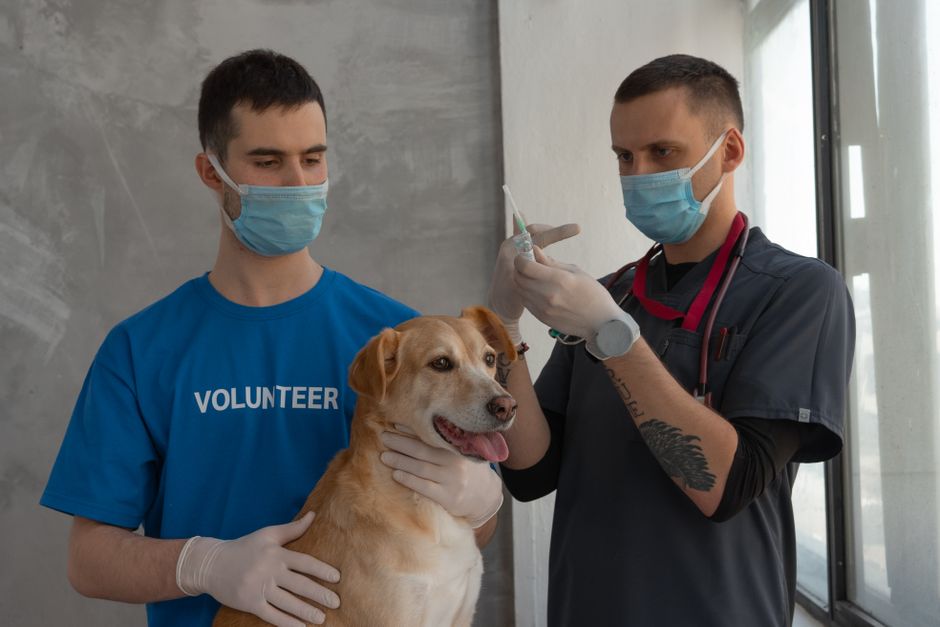
Most puppies feel a little off for 12 to 24 hours after vaccines. Mild lethargy, soreness at the injection site, a slight reduction in appetite. Normal. Nothing to panic about.
What you do want to watch for: facial swelling, hives, vomiting, collapse, difficulty breathing, or extreme weakness within an hour or two of the vaccine. These signs suggest an allergic reaction, and that’s a true emergency. Call your vet or go straight to an emergency clinic. Anaphylaxis after vaccines is rare but real, and it tends to happen fast.
If your dog has a moderate reaction (hives, slight swelling but acting okay), your vet will likely recommend pre-treating with Benadryl before future vaccines. The dose matters, so let your vet give you the specific number rather than guessing by weight.
The first year of puppy vaccines is one of those things that feels overwhelming until you understand the reasoning, and then it makes complete sense. You’re not going through a bureaucratic checklist. You’re catching a window in your puppy’s immune development that closes at 16 weeks and doesn’t open again. Getting the timing right is worth the extra trips to the clinic, the copays, the Tuesday afternoon you had to rearrange. Your puppy is going to live 10 to 15 years. This is four months of appointments, and it matters more than any other four months of veterinary care they’ll ever receive.
This article is for general informational purposes only and does not constitute veterinary advice. Pet health symptoms can have many causes and require professional evaluation. Always consult a licensed veterinarian for diagnosis and treatment specific to your pet.
Sources
- American Veterinary Medical Association (AVMA)
- Midwest Homes Folding Metal Dog Crate
- PetMD’s veterinary resource library
- Arm & Hammer Dog Dental Spray, No Brush Needed
- PetSafe Easy Walk No-Pull Dog Harness
Disclosure: As an Amazon Associate, we earn a small commission from qualifying purchases at no extra cost to you. We only recommend products that genuinely support the topics covered in this article.
- EVERLIT 95-Piece Vet-Approved Pet First Aid Kit (~$32), Vet-approved 95-piece kit for dogs and cats, covers cuts, burns, sprains, and emergencies until you can reach a vet.
- Nutramax Cosequin DS Joint Supplement for Dogs (132ct) (~$36), The #1 veterinarian-recommended joint supplement brand, clinically studied for reducing joint pain in dogs.
- Certified Pet First Aid Kit with Guide Book (~$22), Certified pet first aid kit with step-by-step instructions, an essential item for every pet owner.
Recommended Resources
Disclosure: As an Amazon Associate, we earn a small commission from qualifying purchases at no extra cost to you. We only recommend products that genuinely support the topics covered in this article.
- EVERLIT 95-Piece Vet-Approved Pet First Aid Kit (~$32), Vet-approved 95-piece kit for dogs and cats, covers cuts, burns, sprains, and emergencies until you can reach a vet.
- Nutramax Cosequin DS Joint Supplement for Dogs (132ct) (~$36), The #1 veterinarian-recommended joint supplement brand, clinically studied for reducing joint pain in dogs.
- Certified Pet First Aid Kit with Guide Book (~$22), Certified pet first aid kit with step-by-step instructions, an essential item for every pet owner.
- Purina Pro Plan FortiFlora Probiotic for Dogs (30ct) (~$32), The #1 vet-recommended probiotic for dogs, prescribed to manage diarrhea, vomiting, and intestinal upset.