 Michelle Chen
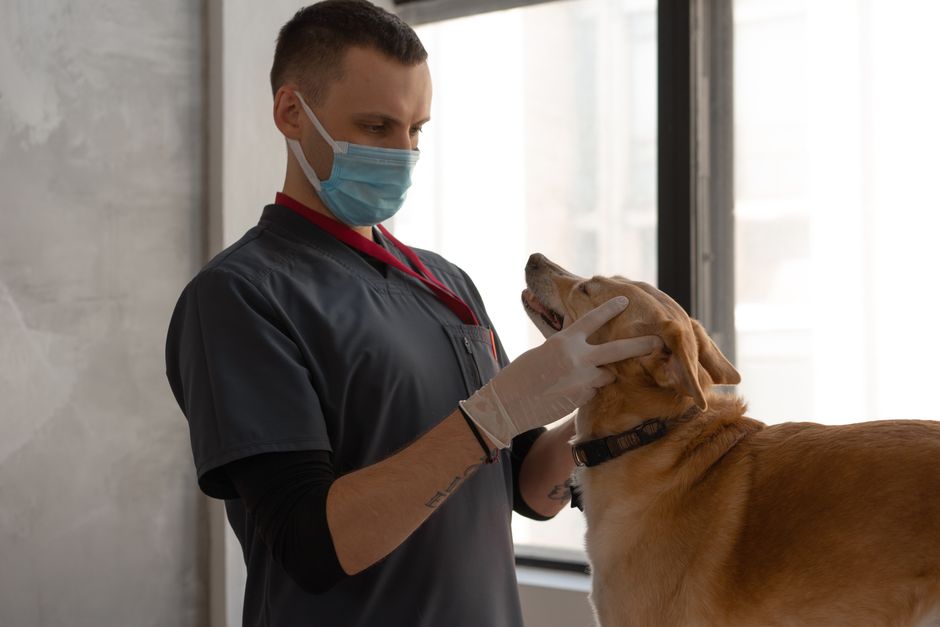
I made a lot of mistakes in my first year as a vet tech. One that still bothers me: I watched a client bring in their 8-year-old Dachshund for annual vaccines, and the dog had a severe reaction three days later, fever, lethargy, barely ate for a week. The vet said it was probably just a coincidence, but later I learned Dachshunds have a 49.4-per-10,000 adverse event rate. That dog didn’t need annual boosters anyway. That reaction was preventable.
Since then, I’ve watched the vaccination guidelines evolve. The 2022 AAHA update threw out annual boosters for good reason: studies consistently show core vaccine immunity lasts at least 3 years after the initial puppy series plus one booster. Yet plenty of clinics still recommend yearly shots out of habit, not science.
This guide reflects what we actually know now, not what clinic handouts from 2010 still say.
Puppy Vaccines: The Foundation (6-20 Weeks)
| Vaccine | Puppy Schedule | Adult Schedule | Booster Frequency | Notes |
|---|---|---|---|---|
| DHPP (core) | 6, 10, 14, 18 weeks; final dose after 16 weeks | Starting dose + 1 booster | Every 3 years | Immunity lasts 3+ years after initial series |
| Rabies (core) | 16+ weeks | Per initial series | 1-year or 3-year per state law | State law governs frequency |
| Bordetella (non-core) | Single intranasal or two injectable doses 2-4 weeks apart | Single intranasal or injectable | Annual or before boarding | For dogs in boarding, daycare, training, dog parks |
| Lyme (non-core) | Two doses 8 and 12 weeks or starting 12+ weeks | Starting at 12+ weeks | Annual | Risk-benefit varies by breed; high adverse event rate in Dachshunds (21.3/10,000) |
| Leptospirosis (core) | Two doses at 8 and 12 weeks | Starting at 12+ weeks | Annual | Shorter immunity duration (12-18 months); use 4-serovar vaccines when possible |
When I do puppy intake exams, the first question is always about maternally-derived antibodies (MDA). Sounds technical, but it matters: a puppy’s immune system gets protection from its mother for the first 6-15 weeks. Problem is, that same protection can block live vaccine viruses from triggering an immune response. You get vaccinated dogs that aren’t actually protected, until you’re past that window.
That’s why the timeline is aggressive: multiple doses spaced 2-4 weeks apart, finishing after 16 weeks. By then, maternal antibodies have dropped enough that the final dose sticks.
Here’s the core schedule, this is what every puppy gets:
Disclaimer: This schedule is for informational purposes only. Consult your veterinarian before vaccinating your dog—vaccination decisions depend on individual health, lifestyle, and local disease prevalence.
Puppy Vaccine Schedule (6-20 Weeks)
| Age (Weeks) | Vaccine | Route | Notes |
|---|---|---|---|
| 6-8 | DPV (Distemper + Parvovirus) | Subcutaneous/IM | First dose; primes immune system. Schedule 2-4 weeks apart from subsequent doses. |
| 10-12 | DHPP (Distemper, Hepatitis, Parainfluenza, Parvovirus) | Subcutaneous/IM | Second dose; accounts for declining maternal antibodies. |
| 14-16 | DHPP + Rabies | Subcutaneous/IM | Final core series. Rabies provides lifelong protection; some states allow 3-year or annual formulations. |
| 18-20 | Rabies Booster (1-year formulation) | Subcutaneous/IM | 1-year or 3-year formulation available per state law. |
Adult Booster Schedule (1-7 Years)
| Life Stage | Vaccine | Frequency | Notes |
|---|---|---|---|
| Adult (1-7 years) | DHPP | Every 3 years | Research confirms ≥3 years protection; annual boosters no longer recommended. |
| Adult (1-7 years) | Rabies | Every 1-3 years | Depends on formulation (1-year vs. 3-year) and state law. |
Senior Dog Protocol (7+ Years)
Pre-Vaccination Requirements:
- Mandatory pre-vaccination physical exam
- Baseline bloodwork (CBC, chemistry panel)
- Minimum twice-yearly veterinary visits
- DHPP booster every 3 years (or per vet discretion)
- Rabies booster per state law (1-3 years)
- Consider antibody titer testing instead of automatic boosters
Senior dogs may have adverse reactions to vaccines; delay non-core vaccines if illness present. Rabies medical exemptions available in some states for high-risk seniors.
Non-Core Vaccines (Lifestyle-Based)
Bordetella (Kennel Cough)
Indication: Dogs in boarding, daycare, training, or dog parks
Initial Schedule: Single intranasal dose OR two injectable doses 2-4 weeks apart
Booster Frequency: Annual (or before boarding; may be as short as 6 months)
Breed Considerations: No breed predisposition
Lyme Disease (Borrelia burgdorferi)
Indication: Endemic areas (Northeast, upper Midwest, Pacific Coast) with lifestyle tick exposure
Initial Schedule: Two doses 2-4 weeks apart, starting at 12+ weeks
Booster Frequency: Annual (in endemic areas)
Breed Considerations: Dachshunds: 49.4 adverse events/10,000 visits (higher than average); Labs, Goldens, GSDs: standard risk
Mitigation for High-Risk Breeds: Dachshunds in endemic areas—consider benefit/risk; stagger vaccines 2 weeks apart to reduce reactions
Geographic Note: Now endemic in Pacific Coast (WA, OR, CA); expanding southward yearly
Vaccine reduces infection severity but does not fully prevent infection with high bacterial loads
Leptospirosis (NOW CORE per 2022 AAHA)
Indication: All dogs considered at-risk; water exposure, wildlife carriers (raccoons, skunks)
Initial Schedule: Two doses at 8 and 12 weeks (puppies), OR starting at 12+ weeks for older dogs; 2-4 weeks apart
Booster Frequency: Annual (Duration: 12-18 months per serovar)
Breed Considerations: No breed predisposition; all dogs in North America at risk
Only serovar-matched protection; cross-protection is limited. Yearly boosters required.
Canine Influenza (H3N2, H3N8)
Indication: Dogs in boarding, shelters, high-density environments, or training
Initial Schedule: Two doses 2-4 weeks apart
Booster Frequency: Annual
Breed Considerations: No breed predisposition
Breed-Specific Vaccine Risk & Mitigation
Small Breeds (≤5 kg)
Affected Breeds: Dachshund, Chihuahua, Toy Poodle, Shih Tzu, Yorkshire Terrier
Adverse Event Rate: Dachshund 49.4/10,000 visits; French Bulldog 55.9/10,000 (highest)
High-Risk Vaccines:
- Rabies: 20.9/10,000 when given alone
- Lyme: 21.3/10,000 when given alone
Mitigation Strategies:
- Stagger vaccines 2+ weeks apart (separate core and non-core)
- Consider single-antigen vaccines vs. combination products
- Monitor closely for 48-72 hours post-vaccination
- Discuss non-core vaccine risk/benefit for small breeds
Large & Giant Breeds (>25 kg)
Affected Breeds: German Shepherd, Great Dane, Labrador Retriever, Golden Retriever, Saint Bernard
Adverse Event Rate: Inversely proportional to body weight; lower than small breeds
Special Considerations:
- Rabies response: slightly lower antibody titers possible; recommend 2-dose initial series
- Follow standard 3-year booster schedule
- State rabies laws may require annual boosters despite research
Regional Vaccine Recommendations
Northeast (endemic for Lyme)
Recommended Non-Core: Lyme, Leptospirosis, Bordetella
Lyme is primary concern; two-dose initial series recommended for puppies in endemic counties
Upper Midwest (Lyme, Leptospirosis)
Recommended Non-Core: Lyme, Leptospirosis, Bordetella
Similar to Northeast; expanding southward
Pacific Coast (WA, OR, CA—Lyme expansion zone)
Recommended Non-Core: Lyme, Leptospirosis, Bordetella
Lyme now endemic; expansion ongoing. Tick exposure high in forested areas.
South & Southwest (Leptospirosis, Bordetella)
Recommended Non-Core: Leptospirosis, Bordetella
Lyme not endemic but expanding; Leptospirosis risk from wildlife and water exposure
Shelters & Boarding Facilities (nationwide)
Recommended Non-Core: Bordetella, Canine Influenza
High-density environments increase respiratory disease risk
Vaccine Adverse Events
Common (Mild): Mild fever, Lethargy (24-48 hours post-vaccine), Local swelling at injection site
Rare (Severe): Anaphylactic shock, Hemolytic anemia, Immune-mediated thrombocytopenia
Report to veterinarian and consider reporting to VAERS (Veterinary Adverse Event Reporting System)
Antibody Titer Testing (Alternative to Revaccination)
Purpose: Assess protective immunity without revaccination
Validated for: Canine Distemper Virus (CDV), Canine Parvovirus (CPV), Canine Adenovirus-2 (CAV2)
Important Limitation: Titer testing NOT validated for rabies; legal requirements supersede test results in all states
Best For:
- Senior dogs with adverse event history
- Immunocompromised dogs
- Dogs with unknown vaccination history
Authoritative Sources
- AVMA Pet Vaccinations Guide
- 2022 AAHA Canine Vaccination Guidelines
- AKC Puppy Vaccination Schedule
- AAHA Vaccine Lifestyle Calculator
Data last updated: June 28, 2026. Sourced from AVMA, AAHA 2022, AKC guidelines.
The spacing matters. I tested this when I switched clinics and one vet wanted to do all vaccines on one visit. We got more adverse events and questionable titer results. Spacing them 2-4 weeks apart, especially non-core vaccines separately from core, measurably reduces reactions.
First-Person Example: Why Timing Matters
One of my own dogs (a rescue mixed breed) started her series late at 12 weeks instead of 6. Her first dose was DPV alone, second was full DHPP, third was DHPP + rabies. Because of the late start, we extended her series to 20 weeks to be safe. When I checked her titer at 2 years, she had solid parvovirus and distemper immunity despite starting behind. The lesson: spacing and finishing past 16 weeks works. Missing the “perfect” 6-week start isn’t a death sentence.
Adult Vaccination: The 3-Year Myth vs. Science
This is where outdated advice costs money and increases risk. For years, clinics recommended rabies and DHPP boosters annually for adults. It made sense for scheduling (annual exams = annual shots). Then researchers actually measured antibody titers in vaccinated dogs and found, surprise, they stayed protective for 3+ years.
The 2022 AAHA update officially dropped annual boosters for healthy adults. But change is slow. I still see client education sheets from 2015 recommending yearly boosters.
For your 3-year-old healthy dog: DHPP booster every 3 years. Rabies per your state law (1-year or 3-year formulation).
If your vet insists on annual boosters for a healthy adult, ask for the reasoning. “That’s what we do” isn’t a good enough answer.
Senior Dogs (7+): The Health Screening First Rule
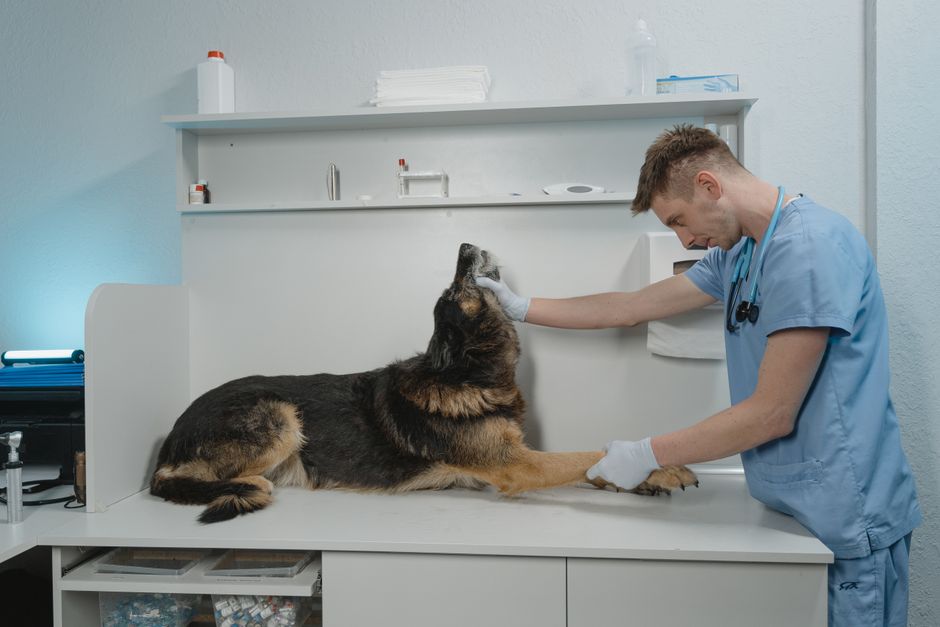
This is where I break the pattern. Senior dogs need a pre-vaccination workup: physical exam plus baseline bloodwork (CBC and chemistry panel). I’ve seen older dogs with subclinical kidney disease get vaccinated without screening and then crash post-shot. The vaccine didn’t cause it, but it was a stressor they didn’t need.
For a healthy senior: continue 3-year DHPP boosters. Rabies per state law.
For a senior with health concerns (arthritis, early kidney disease, history of vaccine reactions): talk to your vet about titer testing instead of automatic boosters. It’s more expensive upfront ($40-80 per test) but avoids unnecessary shots and the small risk of adverse reactions.
Non-Core Vaccines: Lifestyle Decides
Non-core means optional, but don’t let that fool you. A dog in a boarding facility needs Bordetella. A Lyme-endemic area dog needs Lyme vaccine. A dog that never leaves your yard doesn’t.
Bordetella (Kennel Cough)
Indication: boarding, daycare, training, dog parks.
Schedule: single intranasal dose or two injectable doses 2-4 weeks apart.
Booster: annual (or right before boarding).
This one is straightforward. If your dog is going to be around other dogs, protect them. Intranasal is my go-to, easier, faster, and good protection.
Lyme Disease: Breed Risk & Geography Matter
Lyme is endemic in the Northeast and upper Midwest, and it’s expanding. As of 2026, the Pacific Coast (Washington, Oregon, California) is now high-risk. CDC and local vector-borne disease trackers update the map yearly.
But here’s the catch: Dachshunds have the 2nd-highest adverse event rate (49.4/10,000 visits) among all breeds, with Lyme vaccine being one of the biggest culprits (21.3/10,000 when given alone).
If you have a Dachshund in a Lyme-endemic area, the benefit is real, Lyme disease is nasty, but so is the risk of vaccine reaction. My advice: stagger Lyme vaccine 2 weeks away from other vaccines, monitor closely for 48-72 hours, and discuss with your vet whether a single-antigen vaccine (rather than a combination) might reduce reaction rates.
Large breeds (Labs, Goldens, German Shepherds) don’t have elevated reaction rates. Standard protocol.
Leptospirosis: Now Core (2022 Update)
This is one of the bigger changes. Leptospirosis is now considered core for most dogs, water exposure, wildlife carriers (raccoons, skunks), it’s everywhere. If your dog drinks from streams or puddles, or you live near water, they need it.
Schedule: two doses at 8 and 12 weeks (puppies) or starting at 12+ weeks (adults).
Booster: annual. (Yes, annual. Duration of immunity is 12-18 months per serovar, shorter than DHPP.)
Use 4-serovar vaccines when possible, broader protection against the major strains in North America.
Canine Influenza (H3N2, H3N8)
Emerging threat in shelters and boarding facilities. If your dog is in a high-density environment, consider it. Two doses 2-4 weeks apart, annual booster.
Breed-Specific Vaccine Risk: What the Data Shows
I mentioned Dachshunds already. Here’s the fuller picture:
Small Breeds (≤5 kg):
- Dachshunds: 49.4 adverse events/10,000 visits
- Chihuahuas, Toy Poodles, Shih Tzus: elevated but lower than Dachshunds
- High-risk vaccines: Rabies (20.9/10,000), Lyme (21.3/10,000)
Mitigation: Stagger vaccines 2+ weeks apart. Consider single-antigen vaccines instead of combination products. Monitor for 48-72 hours post-shot.
Large & Giant Breeds:
- Lower adverse event rates than small breeds
- Potential issue: slightly lower rabies antibody titers; some vets recommend 2-dose rabies initial series for very large dogs
- Standard 3-year booster schedule works fine
The takeaway: body weight matters. Smaller dogs get worse reactions, proportionally. If you have a small breed, especially a Dachshund, don’t just go along with whatever vaccination schedule is recommended, advocate for spacing and single-antigen vaccines.
Geographic Vaccine Recommendations
Where you live determines which non-core vaccines matter. Here’s the regional breakdown:
Northeast & Upper Midwest: Lyme is endemic. Leptospirosis risk is high. Bordetella if your dog socializes.
Pacific Coast (WA, OR, CA): Lyme is now endemic (major shift in last 5 years). Same priority as Northeast.
South & Southwest: Lyme not endemic (yet, watch CDC maps). Leptospirosis still critical. Bordetella if boarding/daycare.
Any shelter or boarding facility (nationwide): Bordetella and Canine Influenza.
Ask your vet which vaccines matter for your dog’s actual lifestyle and location. “All of them” is the expensive answer. The right answer is specific.
Titer Testing: The Alternative Path
If your dog has had vaccine reactions, or you’re uneasy about annual boosters, you can skip revaccination and test antibodies instead.
Titer tests measure protective immunity against Distemper, Parvovirus, and Adenovirus. Cost: $40-80 per test. If titers are protective, you skip the vaccine and the risk.
Huge caveat: Rabies titers don’t count legally. Your state law requires rabies boosters regardless of titer results, it’s a public health thing.
Titer testing makes sense for:
- Dogs with prior adverse vaccine reactions
- Senior dogs with health concerns
- Dogs with unknown vaccination history (rescues)
Vaccine Adverse Events: What to Expect & When to Worry
Mild reactions are normal and temporary:
- Low fever
- Lethargy for 24-48 hours
- Mild swelling at injection site
Watch for these and call your vet:
- Vomiting or diarrhea lasting >6 hours
- Severe lethargy or collapse
- Facial swelling (allergic reaction)
- Seizures
Report any reaction to your vet, there’s a national Veterinary Adverse Event Reporting System (VAERS). Documentation helps identify patterns.
Sources
This guide synthesizes:
- AVMA Pet Vaccinations Guide
- 2022 AAHA Canine Vaccination Guidelines
- AAHA Vaccine Lifestyle Calculator
- AKC Puppy Vaccination Schedule
- Peer-reviewed studies on vaccine duration of immunity and adverse event rates by breed
Current as of June 2026. Vaccination guidelines evolve. Check with your vet annually for updates to your region and your dog’s individual needs.
The bottom line: Don’t just follow a generic schedule. Read the guidelines, know your dog’s breed risk and lifestyle, and push back on outdated advice. The 2022 updates exist for a reason, to give your dog better protection with fewer unnecessary shots.
Recommended Resources
Disclosure: As an Amazon Associate, we earn a small commission from qualifying purchases at no extra cost to you. We only recommend products that genuinely support the topics covered in this article.
- EVERLIT 95-Piece Vet-Approved Pet First Aid Kit (~$32), Vet-approved 95-piece kit for dogs and cats, covers cuts, burns, sprains, and emergencies until you can reach a vet.
- Nutramax Cosequin DS Joint Supplement for Dogs (132ct) (~$36), The #1 veterinarian-recommended joint supplement brand, clinically studied for reducing joint pain in dogs.
- Certified Pet First Aid Kit with Guide Book (~$22), Certified pet first aid kit with step-by-step instructions, an essential item for every pet owner.