 Rachel Sanders
You’ve just brought home an eight-week-old puppy. She’s small, she’s perfect, and she’s sneezing directly into your coffee. Your breeder handed you a crinkled sheet of paper listing something called “DHPP” and mentioned she’d had her “first shots.” Now you’re staring at that paper wondering what any of it means, when she needs more, and whether you’re already behind. You’re not. But the next few months matter more than most new owners realize, and getting the timing wrong can leave real gaps in protection during the window when puppies are most vulnerable.
Why the Puppy Window Matters So Much
Maternal antibodies. That’s the concept that trips up a lot of well-meaning pet owners. When a puppy is born and nurses, she receives antibodies from her mother’s colostrum, and those antibodies protect her early in life. That’s wonderful. The problem is they also interfere with vaccines, essentially neutralizing the vaccine before the puppy’s own immune system gets a chance to respond.
Here’s where it gets tricky: maternal antibody levels vary between individual puppies, even in the same litter. We don’t always know when those antibodies have dropped low enough for a vaccine to fully work. That’s why veterinarians give a series of vaccines, typically every 3 to 4 weeks, between 6 and 16 weeks of age. You’re not repeating the same shot because the first one failed. You’re casting a wide net to make sure at least one or two doses land during the window when the puppy’s immune system is ready to respond.
Miss that window, skip doses, or wait too long between them, and you can end up with a dog who received three vaccines but was never fully protected. This is one of the most misunderstood concepts among first-time puppy owners. The schedule isn’t arbitrary. It’s built around real immunology.
Core Vaccines vs. Lifestyle Vaccines: What’s the Difference
Not every vaccine is appropriate for every dog, and understanding the distinction helps you have a much more productive conversation at your vet appointment.
Core vaccines are recommended for virtually all dogs regardless of lifestyle, because the diseases they prevent are either highly contagious, potentially fatal, or transmissible to humans. The American Animal Hospital Association (AAHA) considers the following core:
- Distemper, Parvovirus, Adenovirus (Hepatitis), and Parainfluenza, combined into a single injection typically called DHPP or DA2PP
- Rabies, required by law in most U.S. states
Parvovirus alone is worth taking seriously. It can survive in soil for over a year. An unvaccinated puppy can contract it from a contaminated park, a sidewalk, even the bottom of your shoe. It causes severe hemorrhagic diarrhea, rapid dehydration, and has a mortality rate that can reach 91% in untreated cases according to data referenced in PetMD’s veterinary resource library.
Non-core vaccines are given based on a dog’s individual risk factors, geographic location, and lifestyle. Common examples include:
- Bordetella (kennel cough): Recommended for any dog who visits groomers, dog parks, boarding facilities, or training classes. Many kennels require it.
- Leptospirosis: Recommended for dogs with outdoor exposure, particularly near standing water or wildlife. This one is also a zoonotic disease, meaning it can spread to people.
- Lyme disease: Relevant in tick-heavy regions like the Northeast and upper Midwest.
- Canine influenza (H3N2 and H3N8): Increasingly recommended for social dogs, especially after outbreaks.
Your vet should be asking you questions about where your dog lives, how they exercise, and whether they encounter other dogs. If they’re just assuming every dog gets the same package, push back gently and ask which of these apply to your specific situation.
The Standard Puppy and Adult Vaccination Schedule
| Age | Vaccine(s) |
|---|---|
| 6 to 8 weeks | DHPP (first dose); Bordetella (if applicable) |
| 10 to 12 weeks | DHPP (second dose); Leptospirosis (first dose if applicable); Lyme (first dose if applicable) |
| 14 to 16 weeks | DHPP (third dose); Rabies (first dose); Leptospirosis (second dose if applicable); Lyme (second dose if applicable) |
| 12 to 16 months | DHPP booster; Rabies booster (timing depends on local law and product used); any applicable non-core boosters |
| Adult (every 1 to 3 years) | DHPP (titer testing or booster); Rabies per local law; annual non-core vaccines as indicated |
This is the practical reference you can actually use. Keep in mind these are general guidelines. Your individual vet may adjust timing based on your puppy’s health history, the products they stock, or regional disease prevalence.
| Age | Vaccine(s) |
|---|---|
| 6 to 8 weeks | DHPP (first dose); Bordetella (if applicable) |
| 10 to 12 weeks | DHPP (second dose); Leptospirosis (first dose if applicable); Lyme (first dose if applicable) |
| 14 to 16 weeks | DHPP (third dose); Rabies (first dose); Leptospirosis (second dose if applicable); Lyme (second dose if applicable) |
| 12 to 16 months | DHPP booster; Rabies booster (timing depends on local law and product used); any applicable non-core boosters |
| Adult (every 1 to 3 years) | DHPP (titer testing or booster); Rabies per local law; annual non-core vaccines as indicated |
That 12 to 16 month visit? Most people skip it. Their puppy “completed the series” at 16 weeks and they feel done. But that one-year booster is actually critical for solidifying long-term immunity. Don’t skip it.
For adult dogs, titer testing is worth knowing about. A titer test measures the level of antibodies in your dog’s blood for specific diseases like parvovirus and distemper. If levels are high enough, many vets will agree that re-vaccination isn’t necessary that year. It’s not the right choice for every dog or every situation, and it won’t satisfy legal rabies requirements, but it’s a legitimate conversation to have, particularly for dogs with histories of vaccine reactions.
Step-by-Step: How to Prepare for Your Puppy’s First Vaccine Appointment
Walking in prepared makes the whole visit go better for you, your dog, and honestly, the clinic staff too.
Gather records before you go. Contact your breeder, shelter, or rescue for any vaccines already given. Bring the actual paperwork, not a verbal summary. If a vaccine was given but you don’t have documentation, assume it may need to be repeated.
Don’t skip the fasting, but do skip the chaos. Your puppy doesn’t need to be fasted for routine vaccines, but don’t feed a huge meal right before the car ride if your dog tends toward motion sickness. Arrive calm. Leave extra time so you’re not rushing.
Write down your questions ahead of time. Ask specifically about Bordetella and leptospirosis based on your dog’s lifestyle. Ask when the next appointment should be scheduled before you leave. Ask what side effects are normal and which would warrant a call.
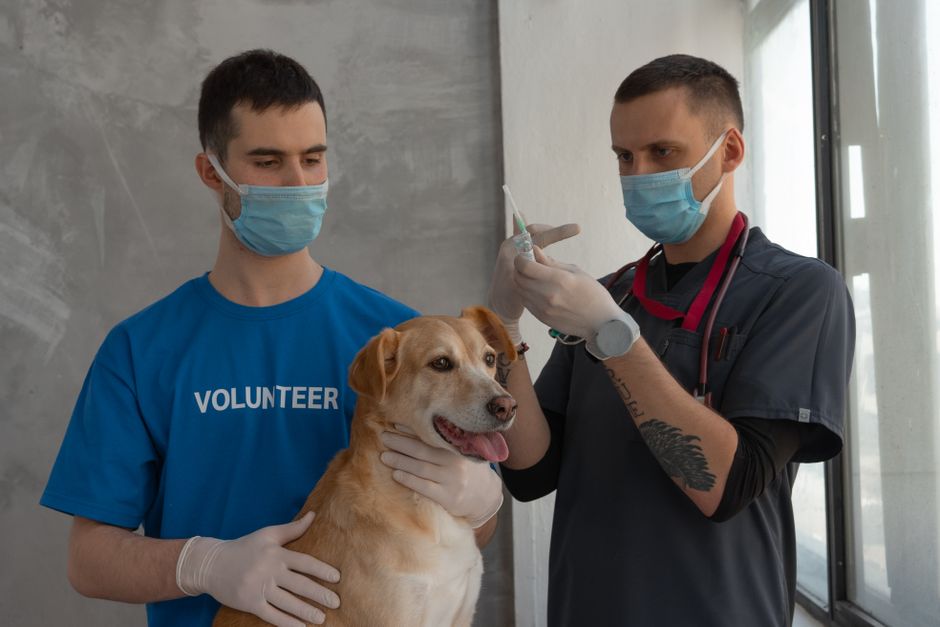
Know what normal post-vaccine behavior looks like. Mild lethargy and soreness at the injection site for 24 to 48 hours is normal. A low-grade fever is possible. These are signs the immune system is responding, not signs something went wrong.
Know the red flags. Facial swelling, hives, vomiting within an hour of vaccination, difficulty breathing, or collapse are signs of an anaphylactic reaction. This is rare but it’s a real emergency. If you see any of these, go back to the clinic immediately or go to the nearest emergency vet. Don’t wait.
Keep a personal vaccination log. Get copies of everything. Your vet’s system can crash, clinics close, and you may move. A simple folder or a photo on your phone of each record is enough.
Having a basic pet first aid kit on hand at home is worth doing around this time anyway, especially with a new puppy. It won’t help with vaccine reactions specifically, since those need veterinary care, but it sets you up well for the general chaos of puppyhood.
Adult Dog Vaccines: What Changes and What Doesn’t
If you’ve adopted an adult dog with incomplete or unknown vaccine history, you’re essentially starting fresh. Most vets will give a full DHPP and rabies vaccine and then a booster three to four weeks later for DHPP, following an accelerated schedule similar to the puppy protocol.
For dogs with complete histories, the shift is toward less frequent vaccination for some core antigens. Research over the past two decades has demonstrated that immunity from DHPP vaccines often lasts three years or more in adult dogs. Many practices now offer a three-year DHPP product after the initial series and one-year booster are complete.
Rabies vaccination frequency is determined by state and local law, not just biology. Some jurisdictions require annual rabies vaccines. Others accept three-year products after the initial dose. Look up your local requirements or ask your vet directly. This isn’t optional in most places.
Here’s something I’ll be direct about: if your dog has had a significant vaccine reaction in the past, tell every new vet you see. Pre-treating with diphenhydramine (Benadryl) before vaccines is sometimes recommended for dogs with reaction histories, but this needs to be done under veterinary supervision. Don’t self-medicate based on what you read online.
For senior dogs, the conversation around vaccines becomes more nuanced. Some geriatric dogs with serious chronic illnesses may be candidates for reduced vaccine schedules. Titer testing becomes more appealing here. Work with your vet to weigh immunity maintenance against the dog’s overall health status. There’s no universal right answer.
Getting vaccinations right isn’t about blindly following a generic checklist. It’s about understanding the reasoning behind the schedule, being honest with your vet about your dog’s actual lifestyle, and staying consistent through adulthood, not just the puppy months. The science behind canine vaccines is solid, and the diseases they prevent are genuinely awful. Your dog can’t advocate for herself. That’s what you’re there for.
This article is for general informational purposes only and does not constitute veterinary advice. Pet health symptoms can have many causes and require professional evaluation. Always consult a licensed veterinarian for diagnosis and treatment specific to your pet.
Sources
- pet first aid kit
- Midwest Homes Folding Metal Dog Crate
- Nylabone Power Chew Durable Dog Chew Toys
- PetSafe Easy Walk No-Pull Dog Harness
- freestocks.org
Disclosure: As an Amazon Associate, we earn a small commission from qualifying purchases at no extra cost to you. We only recommend products that genuinely support the topics covered in this article.
- EVERLIT 95-Piece Vet-Approved Pet First Aid Kit (~$32), Vet-approved 95-piece kit for dogs and cats, covers cuts, burns, sprains, and emergencies until you can reach a vet.
- Nutramax Cosequin DS Joint Supplement for Dogs (132ct) (~$36), The #1 veterinarian-recommended joint supplement brand, clinically studied for reducing joint pain in dogs.
- Certified Pet First Aid Kit with Guide Book (~$22), Certified pet first aid kit with step-by-step instructions, an essential item for every pet owner.
Recommended Resources
Disclosure: As an Amazon Associate, we earn a small commission from qualifying purchases at no extra cost to you. We only recommend products that genuinely support the topics covered in this article.
- EVERLIT 95-Piece Vet-Approved Pet First Aid Kit (~$32), Vet-approved 95-piece kit for dogs and cats, covers cuts, burns, sprains, and emergencies until you can reach a vet.
- Nutramax Cosequin DS Joint Supplement for Dogs (132ct) (~$36), The #1 veterinarian-recommended joint supplement brand, clinically studied for reducing joint pain in dogs.
- Certified Pet First Aid Kit with Guide Book (~$22), Certified pet first aid kit with step-by-step instructions, an essential item for every pet owner.