 Tom Harris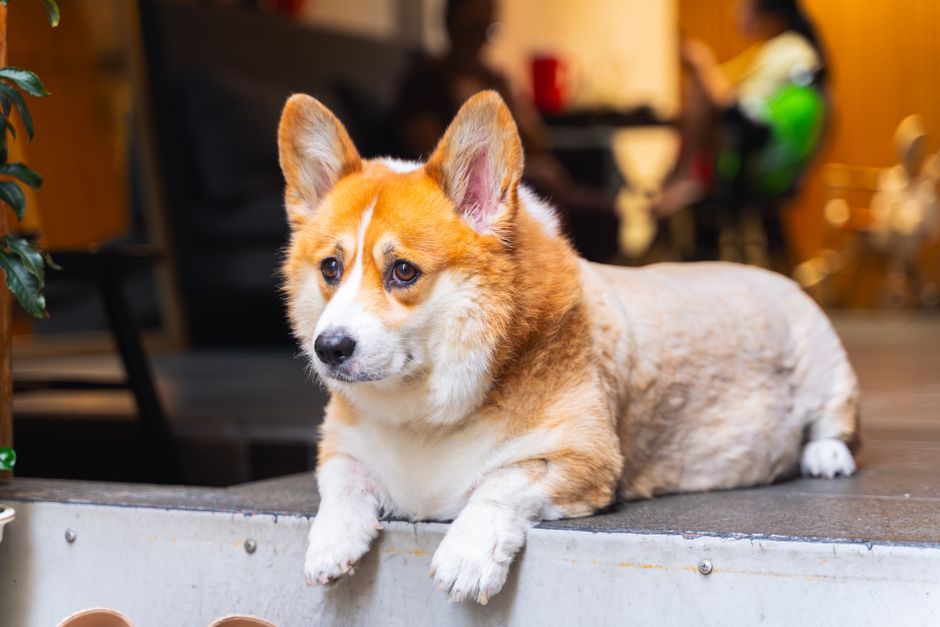
Your dog’s ribs should be easy to feel but not easy to see. Run your fingers along his side right now. If you’re pressing through more than a thin layer of fat before you feel bone, your dog is likely overweight. If you can’t feel them at all, he may be obese. It sounds harsh, but here’s the reality: the Association for Pet Obesity Prevention estimates that over 55% of dogs in the United States are overweight or obese. That means the chunky, round-bellied dog you’re picturing is actually the norm in most American households. And that norm is quietly shortening dogs’ lives.
Why Dog Weight Actually Matters (More Than You Think)
Excess weight isn’t just a cosmetic issue. In dogs, carrying extra body fat directly links to a shorter lifespan, earlier arthritis, increased diabetes risk, breathing difficulties, heart disease, and certain cancers. A landmark Purina study that followed Labrador Retrievers for their entire lives found that dogs kept lean lived a median of 1.8 years longer than their heavier littermates. For a breed that already has a relatively short lifespan, that’s enormous.
I’ve seen it in the clinic many times. A 9-year-old Beagle comes in struggling to walk because her joints are already badly arthritic, and the owner can’t quite connect the dots between the extra treats given over years and what’s happening now. The weight didn’t cause the arthritis on its own, but it almost certainly accelerated it. Every pound of excess weight on a dog puts roughly four to five pounds of additional pressure on joints. A 10-pound Dachshund who’s actually supposed to weigh 8 pounds is, mechanically speaking, working much harder than you’d think.
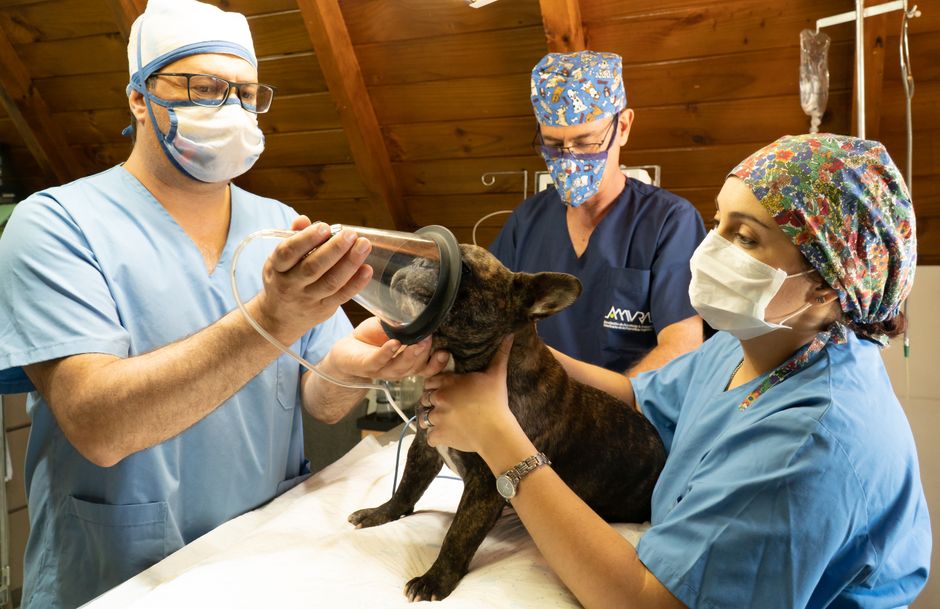
Overweight dogs are also at higher anesthetic risk during surgeries and dental cleanings, which matters when you think about how many procedures a dog might need over a lifetime. If you’ve ever wondered why your vet keeps mentioning your dog’s weight, this is why. It’s not a judgment call. It’s a clinical one.
How to Know If Your Dog Is Overweight
| Condition | Key Signs | Clinical Impact |
|---|---|---|
| Overweight (BCS 6-7) | Ribs hard to feel, no visible waist, minimal abdominal tuck | Increased joint stress, elevated disease risk |
| Obese (BCS 8-9) | Ribs cannot be felt, no waist definition, sagging belly | Significantly shortened lifespan, anesthetic complications, accelerated arthritis |
| Ideal Weight (BCS 5) | Ribs easily felt with thin fat layer, visible waist, abdominal tuck present | Optimal longevity and quality of life |
The scale isn’t the only tool here, and honestly it’s not even the most useful one. Two dogs can weigh the same and have very different body compositions. What vets use is called a Body Condition Score, or BCS. Most clinics use a scale from 1 to 9, where 1 is emaciated, 5 is ideal, and 9 is severely obese. A score of 6 or 7 means the dog is overweight. An 8 or 9 is obese territory.
Here’s how to do a basic assessment at home.
Rib check: Place both thumbs on your dog’s spine and spread your fingers out over the rib cage. You should feel individual ribs without pressing hard. There should be a thin layer of fat over them, like touching the back of your hand. If it feels more like pressing through your palm, there’s too much fat.
Waist check: Look down at your dog from above. You should see a visible narrowing behind the ribs, creating an hourglass shape. A straight or oval outline means extra weight.
Abdominal tuck: View your dog from the side. The belly should tuck upward between the rib cage and hind legs. A sagging belly or a belly that hangs level with the chest is a sign of excess weight.
Different breeds have different ideal body types. A Greyhound’s ribs are normally visible and that’s healthy. A Labrador should have no visible ribs but easily palpable ones. If you’re unsure, bring your dog in and ask your vet to officially score the BCS. It takes 60 seconds, and a regular annual exam is a perfect opportunity to track it over time.
What’s Actually Causing the Weight Gain
Before you start cutting calories, you need to figure out why your dog is gaining. The honest answer is usually overfeeding and under-exercising, but not always.
Overfeeding: The feeding guidelines on commercial dog food bags are notoriously generous. They’re written to sell food, and most healthy adult dogs need 10 to 25% fewer calories than those guidelines suggest. Treats are also a sneaky source of excess calories. A single medium Milk-Bone for a small dog can account for 10% of their daily calorie allowance.
Wrong food type: Foods marketed as “premium” or “high protein” aren’t always lower calorie. Some grain-free diets are actually calorie-dense. Read the label.
Medical causes: Hypothyroidism in dogs can cause weight gain even when calorie intake is normal. Dogs with hypothyroidism often also show lethargy, hair loss, and cold intolerance. Cushing’s disease is another hormonal condition that causes fat redistribution and a pot-bellied appearance. If your dog is gaining weight despite normal eating habits and activity, ask your vet about bloodwork to check thyroid levels and rule out metabolic disease before assuming it’s purely a diet problem.
Spay/neuter status: Spayed and neutered dogs have lower metabolic rates. They generally need 20 to 30% fewer calories than intact dogs of the same size. Many owners don’t adjust feeding after the surgery and the pounds creep on.
Age: Senior dogs move less and their metabolism slows. What worked at age 3 won’t maintain a healthy weight at age 9 without adjustment.
A Step-by-Step Plan for Helping Your Dog Lose Weight
This is the part most guides skip over or make vague. Here’s a concrete approach that actually works.
Step 1: Get a baseline. Weigh your dog accurately and have your vet assign a BCS score. Ask what your dog’s ideal weight should be. This number is your target.
Step 2: Calculate calories, not cups. Look up the caloric content of your dog’s current food (in kcal per cup). Then use a simple formula: for weight loss, most adult dogs need roughly 60% of their Resting Energy Requirement (RER) for their ideal weight, not their current weight. The RER formula is 70 x (ideal body weight in kg)^0.75. This math is worth doing or asking your vet to help with, because it makes the feeding amount concrete.
Step 3: Measure every meal. Put the measuring cup away and use a food scale. Scoops are wildly inaccurate. Studies have found that pet owners overfill measuring cups by 20 to 80%.
Step 4: Account for treats. Treats should make up no more than 10% of daily calories. If your dog gets training treats, use their actual kibble for most of it, or switch to very low-calorie options like plain baby carrots or green beans.
Step 5: Consider a prescription weight loss food. Veterinary weight loss diets like Hill’s Prescription Diet r/d or Royal Canin Satiety are formulated to provide a higher volume of food with fewer calories and more fiber, so the dog feels full. This matters because a hungry dog is a miserable dog, and a miserable dog makes for a miserable household.
Step 6: Increase activity gradually. Don’t suddenly start running a sedentary, overweight dog five miles a day. That’s how you cause injury. Start with an extra 10 to 15 minutes of walking per day and build from there. Swimming is excellent for overweight dogs, especially those with joint issues, because it’s low-impact.
Step 7: Weigh monthly and adjust. A safe weight loss rate for dogs is 1 to 2% of body weight per week. A 50-pound dog losing half a pound per week is right on track. Faster than that and you risk muscle loss. If your dog isn’t losing after 4 to 6 weeks of strict adherence to the plan, go back to your vet. It might be time for bloodwork.
If a dog is also showing signs of limping or reluctance to exercise, get that evaluated before ramping up activity. Pain will tank any weight loss program because a dog in pain won’t want to move.
Nutrition Labels and Food Comparison
Not all dog food is equal, and comparing options can feel overwhelming. Here’s a basic comparison framework.
| Food Type | Typical Calorie Density | Satiety | Best For |
|---|---|---|---|
| Standard adult dry kibble | 300-400 kcal/cup | Moderate | Maintenance |
| High-protein/grain-free kibble | 380-500 kcal/cup | Moderate | Active dogs |
| Weight management kibble (OTC) | 250-320 kcal/cup | Moderate-high | Mild overweight |
| Prescription weight loss food | 220-280 kcal/cup | High (high fiber) | Significant weight loss |
| Fresh food delivery (e.g., The Farmer’s Dog) | Varies widely | High | Dogs who won’t eat kibble |
| Wet food only | 80-150 kcal per 5.5 oz can | High (water content) | Dogs needing satiety |
When switching foods, do it gradually over 7 to 10 days to avoid digestive upset. Mix 25% new food with 75% old food for a few days, then go 50/50, and so on.
You might also consider a quality joint supplement if your overweight dog is already showing stiffness, since weight loss alone takes time and joints need support in the meantime. Always check with your vet before starting any supplement.
Weight management is one of the few things you can do for your dog that has a measurable, meaningful impact on both how long they live and how good those years feel. It’s not glamorous. It involves saying no to the begging face and actually measuring food every single day. But I’ve watched dogs go from barely being able to get up off the floor to trotting around a yard again after losing 15% of their body weight. The change is real and it’s worth the effort. Your dog can’t make these choices for himself. You’re the one who can.
Sources
- EVERLIT 95-Piece Vet-Approved Pet First Aid Kit
- Nutramax Cosequin DS Joint Supplement for Dogs (132ct)
- Son Tuyen Dinh
- that followed Labrador Retrievers for their entire lives found that dogs kept le
As an Amazon Associate, we earn a small commission from qualifying purchases at no extra cost to you. We only recommend products that genuinely support the topics covered in this article.
- EVERLIT 95-Piece Vet-Approved Pet First Aid Kit (~$32): Vet-approved 95-piece kit for dogs and cats, covers cuts, burns, sprains, and emergencies until you can reach a vet.
- Nutramax Cosequin DS Joint Supplement for Dogs (132ct) (~$36): The #1 veterinarian-recommended joint supplement brand, clinically studied for reducing joint pain in dogs.
Photo: Son Tuyen Dinh via Pexels
This article is for general informational purposes only and does not constitute veterinary advice. Pet health symptoms can have many causes and require professional evaluation. Always consult a licensed veterinarian for diagnosis and treatment specific to your pet.
Recommended Resources
Disclosure: As an Amazon Associate, we earn a small commission from qualifying purchases at no extra cost to you. We only recommend products that genuinely support the topics covered in this article.
- EVERLIT 95-Piece Vet-Approved Pet First Aid Kit (~$32), Vet-approved 95-piece kit for dogs and cats, covers cuts, burns, sprains, and emergencies until you can reach a vet.
- Nutramax Cosequin DS Joint Supplement for Dogs (132ct) (~$36), The #1 veterinarian-recommended joint supplement brand, clinically studied for reducing joint pain in dogs.