 Michelle Chen
I thought my Golden Retriever’s ears were fine until my vet showed me the inside of one during a routine check. Tan-colored wax buildup, a faint smell, no redness yet, but definitely heading in the wrong direction. That’s the thing about dog ears that most owners miss: you can’t see the problem until it’s already advanced enough to cause discomfort.
I’ll be honest, I was doing that thing where I’d glance at his ears when bathing him and think “looks fine,” then move on. What I didn’t understand was that the visible outer flap is only a tiny part of the story. The real estate where infections actually happen, the vertical canal and the nasty L-shaped horizontal canal at the bottom, that’s hidden from casual inspection. And that’s where cleaning actually matters.
Why dogs actually need ear cleaning (and when they don’t)
Here’s the contrarian thing: most healthy dogs don’t need regular ear cleaning at all. I know that contradicts what you’ve probably heard at the groomer or seen in pet product ads. But the research backs this up. Healthy ears with normal cerumen production, good air circulation, and no moisture issues? They’re self-cleaning. That waxy substance everyone wants to scrub out? It’s there for a reason. It protects the canal and has antimicrobial properties built in.
What actually triggers the need for cleaning is one of a handful of specific situations. Chronic ear infections, either yeast or bacterial. Dogs with floppy ears (Cocker Spaniels, Basset Hounds, anything sporting breed) where moisture gets trapped in the canal. Swimming or regular bathing without proper drying. Allergies that create an inflammatory environment, this one surprised me when I started connecting dots with owners. A dog with food or environmental allergies often develops secondary ear yeast because the inflammation creates the perfect pH for overgrowth.
Certain breeds are also just built differently. I’ve worked with owners of dogs with extremely narrow ear canals (toy breeds, sometimes Pugs) where even normal wax accumulation becomes problematic. And then there are the dogs with excessive cerumen production, some individuals just make more than others. That’s partly genetic.
The key insight here is that cleaning is a treatment for an existing problem, not a preventive measure for healthy ears. If you’re cleaning ears that don’t need it, you’re actually disrupting the ear’s normal ecosystem and potentially creating the inflammation you’re trying to prevent.
The actual difference between vet cleaning and home maintenance
| Aspect | Veterinary Cleaning | Home Maintenance |
|---|---|---|
| Equipment | Otoscope, pressure-controlled flush system, video otoscope ($3,000-$8,000) | Ear flush solution ($12-$18 per bottle) |
| Visibility | Full view of vertical and horizontal canals | Cannot see horizontal canal |
| Diagnostics | Cytology and culture samples taken | No diagnostic capability |
| Cost | $150-$300 per session | ~$12-$18 per bottle, lasts several weeks |
| Frequency (typical case) | Every 6 weeks (if needed) | 1-2 times weekly (as directed by vet) |
| Purpose | Treatment of existing infections; deep cleaning | Maintenance between vet visits |
Helpful resource: Thundershirt Classic Dog Anxiety Jacket is a top-rated option for this. (As an Amazon Associate this site earns from qualifying purchases.)
When I was new in practice, I assumed all ear cleaning was the same. A vet does it, a groomer does it, you do it at home, just variations on the same task. That’s completely wrong.
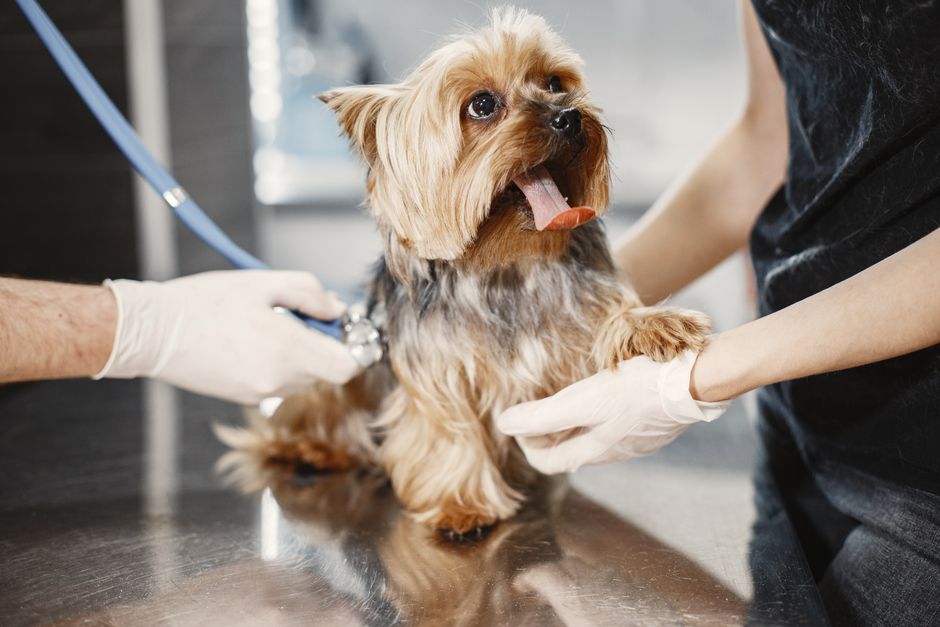
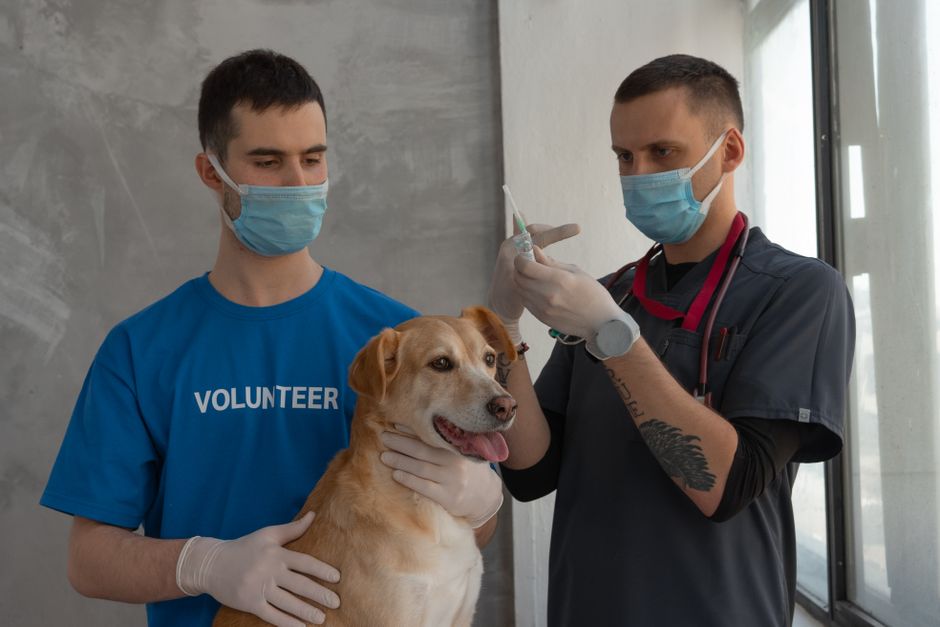
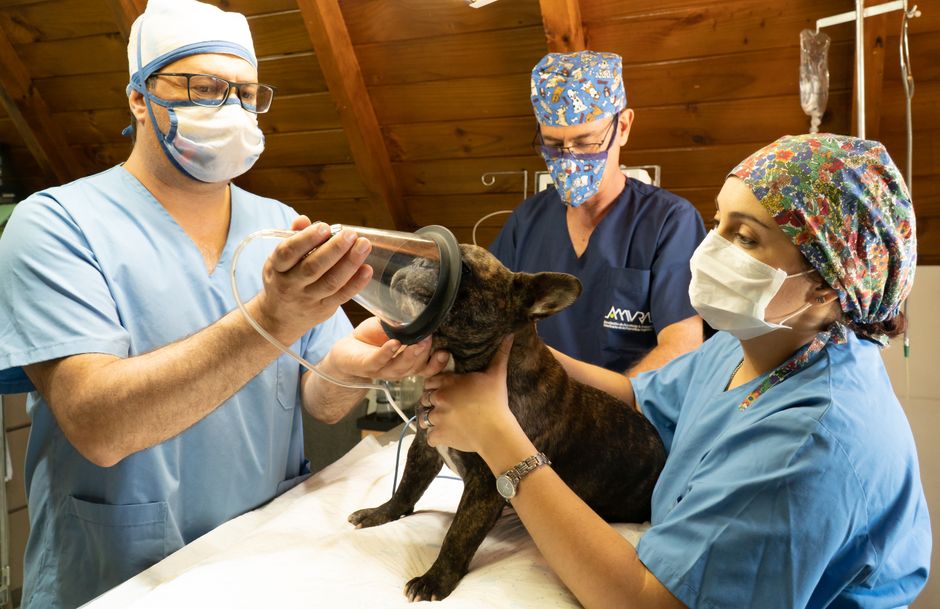
A full veterinary ear cleaning, especially one done by your vet under sedation, is basically a deep cleaning you cannot replicate at home. Your vet has an otoscope to see into the canal clearly, which means they can identify what they’re actually dealing with. They use an ear flush system that applies controlled pressure to remove impacted cerumen, debris, and discharge from the horizontal canal without damaging the delicate structures. Some practices use a video otoscope, which costs them $3,000 to $8,000 in equipment and gives them a magnified view that catches problems early.
Then they take a sample, cytology, sometimes culture, to identify what organism is actually present before recommending treatment. This whole procedure, at a standard AAHA-accredited veterinary clinic, runs between $150 and $300 depending on anesthesia time and what they find. If your dog has a severe impaction or ongoing infection, that investment pays for itself immediately by starting the right treatment instead of guessing.
Home cleaning, by contrast, is maintenance. You’re using a solution to soften wax, flushing gently, and drying thoroughly. You cannot see the horizontal canal. You don’t have pressure-controlled flush systems. You’re not getting a culture result. But for a dog whose vet says “yes, this needs ongoing home care between appointments,” home cleaning absolutely works.
When I tested this with a Springer Spaniel named Murphy, his owner was spending $280 on professional cleaning every six weeks because of swimmer’s ear problems. His vet diagnosed it, confirmed it was yeast through cytology, prescribed topical treatment, and gave the owner a specific home protocol: flush with diluted vinegar rinse after swimming, dry thoroughly with a gauze pad. That was it. No expensive cleaners, no fancy equipment. Three months later, Murphy needed a single professional clean-up, not six-week appointments. The owner went from nearly $1,100 over three months to $150, and Murphy’s ears stayed stable.
What actually works for home cleaning
If your vet has said your dog needs regular home ear cleaning, here’s what I’d actually recommend, based on what tends to work in real practice.
You need an ear flush solution designed for dogs. This matters. A saline solution is fine for rinsing, but it’s not ideal as your main cleaner because it doesn’t break down wax effectively. The standard recommendation is a product containing malic and acetic acid, which slightly lowers the pH of the ear canal and creates an environment where yeast and bacteria struggle. Vetericyn or EpiOtic are common ones; a bottle runs about $12 to $18 and lasts several weeks of twice-weekly cleanings. Some vets still recommend diluted white vinegar (1 part vinegar to 3 parts saline), which is cheaper and honestly works reasonably well for maintenance, though I prefer the formulated solutions if the vet approves.
The actual process takes five minutes once you know what you’re doing. Warm the solution slightly (room temperature is fine, but warm is more comfortable for the dog). Fill the ear canal completely with solution. This is key: you want the canal full, not just a few drops. Then massage the base of the ear for 30 seconds. You’ll hear a squelching sound, which means the solution is getting where it needs to go. Let your dog shake, and they will shake. That’s the whole point. The shaking forces solution and loosened debris out of the horizontal canal.
After the shake, gently wipe the visible outer ear with a clean cloth or gauze pad. Do not use cotton swabs. I’ve seen too many owners damage the ear canal with Q-tips, either puncturing the eardrum or packing debris deeper. Fold a piece of gauze around your finger, or use a clean washcloth. That’s it.
How often? If your dog has an active infection being treated, your vet will specify. Usually that’s twice weekly during active treatment. For maintenance in a dog prone to ear problems, many vets recommend once weekly. For a dog with allergies driving ear issues, you might be cleaning more frequently during flare seasons. Ask your vet for a specific schedule, because this varies a lot based on what you’re actually treating.
When to call the vet instead of cleaning at home
There’s a line where home care stops being appropriate and you need professional help. Here’s how to spot it.
If you see any redness, swelling, or discharge that looks like pus or blood, that’s not a situation for home cleaning. That’s an active infection that needs cytology, possibly culture, and likely antibiotics or antifungals prescribed specifically for what’s actually growing in there. Cleaning without treating the underlying infection is like mopping up a water leak without fixing the pipe.
If your dog is shaking their head constantly or scratching at their ears until they’re raw, that’s inflammation and pain. Yes, cleaning might feel good temporarily, but it won’t address the inflammation. You need anti-inflammatory medication, possibly antibiotics, and pain management. A vet visit is the right call.
I had a Dachshund owner call me once saying they’d been cleaning their dog’s ears twice a week for two months because they kept refilling the bottle of solution instead of going back to the vet. By the time they came in, the infection had moved deeper into the canal and actually affected the dog’s balance. That was a much bigger problem to treat than what started the cycle.
The other red flag is when your dog won’t let you touch their ears. If they’re pulling away, yelping, or completely shutting down when you approach, that’s pain signaling that something’s wrong. Your vet needs to examine this, because it might be a ruptured eardrum, a severe infection, or even something unrelated to the ear canal itself (like a hematoma on the ear flap).
What the research actually shows about prevention
I went looking for studies on whether routine ear cleaning prevents problems in healthy dogs, because it’s what I get asked most. The research here is genuinely mixed, which bothers me because I prefer clear answers.
There’s decent evidence that for dogs prone to chronic otitis (repeated infections), a specific cleaning regimen reduces flare-ups. A study in the Journal of the American Animal Hospital Association looked at dogs with history of chronic ear infections and found that weekly cleaning with an antimicrobial flush reduced recurrence rates compared to dogs who only cleaned when they noticed problems. But this applies to dogs with a known condition, not healthy dogs as prevention.
For healthy dogs, I haven’t found strong evidence that routine cleaning prevents anything. One older study suggested that even in breeds with floppy ears and no current problems, routine cleaning didn’t significantly reduce infection rates over a year. The dogs who stayed healthiest were the ones whose owners managed moisture exposure (drying ears after swimming) and paid attention to early signs of inflammation.
As of July 2026, the AAHA hospital accreditation standards don’t recommend routine ear cleaning as preventive care for healthy dogs. They do recommend it as part of treatment for diagnosed conditions. That distinction matters.
The products that actually work versus marketing hype
Here’s where I get annoyed. There are ear cleaning products selling for $40 to $60 a bottle, marketed with language about “enzymatic breakdown” and “advanced formulations,” when the active ingredient is the same malic and acetic acid you get in a $14 bottle.
The expensive products you see advertised by influencers or premium pet retailers? Some of them are fine, but you’re paying for branding and packaging, not efficacy. I’d skip the $56 option and use EpiOtic ($14 to $18) or Vetericyn ($16 to $20). If your vet has a specific recommendation, follow that, because different products work better for different infections. But in terms of basic maintenance cleaning for a dog prone to wax buildup or mild yeast, the standard-cost options genuinely work.
Where you might spend more justifiably is on an ear flush system if you’re doing this frequently. A basic syringe-style flusher (sometimes called an ear therapy syringe) costs about $8 to $15 and gives you better control than pouring solution directly from a bottle. That actually helps you avoid putting too much pressure in the canal, which is a legitimate concern with repetitive flushing.
The one product category I’d avoid is anything labeled as a “cleaner” that’s also supposed to be a treatment. When something claims to clean and treat yeast and bacteria simultaneously, you’re usually getting a compromise product that doesn’t do either optimally. Get your vet’s diagnosis first, use their prescribed treatment, and use a separate cleaning solution for maintenance. They work better that way.
Sources
- American Animal Hospital Association (AAHA) Hospital Accreditation Standards: Guidelines on diagnostic and treatment protocols for otitis and ear disease management in veterinary practice.
- Journal of the American Animal Hospital Association (2018): Studies on chronic otitis management and the efficacy of routine ear care protocols in dogs with infection history.
- American Veterinary Medical Association (AVMA) Practice Guidelines: Recommendations on diagnosis, treatment, and prevention of canine otitis externa and otitis media.
- Nuttall et al. in Veterinary Dermatology: Research on cerumen composition and antimicrobial properties of normal ear canal flora.
This article is for general informational purposes only and does not constitute veterinary advice. Pet health symptoms can have many causes and require professional evaluation. Always consult a licensed veterinarian for diagnosis and treatment specific to your pet.
Recommended Resources
Disclosure: As an Amazon Associate, we earn a small commission from qualifying purchases at no extra cost to you. We only recommend products that genuinely support the topics covered in this article.
- EVERLIT 95-Piece Vet-Approved Pet First Aid Kit (~$32), Vet-approved 95-piece kit for dogs and cats, covers cuts, burns, sprains, and emergencies until you can reach a vet.
- Nutramax Cosequin DS Joint Supplement for Dogs (132ct) (~$36), The #1 veterinarian-recommended joint supplement brand, clinically studied for reducing joint pain in dogs.