 Dr. Amanda Foster
Your small dog has been slowing down a little. Maybe they used to meet you at the door and now they’re still on the couch when you get home. Or you’ve noticed a cough that shows up after excitement, or they seem to tire faster on walks than they did six months ago. You’ve been telling yourself it’s probably just age. You might be wondering if you’re being paranoid.
You’re not being paranoid. And the fact that you’re paying attention might genuinely matter.
Small breed dogs have a complicated relationship with their hearts. Cavalier King Charles Spaniels, Dachshunds, Chihuahuas, Poodles, Shih Tzus, Maltese – these dogs are disproportionately affected by a condition called Myxomatous Mitral Valve Disease (MMVD), which accounts for roughly 75% of all heart disease cases in dogs. It’s the number one cardiac condition in veterinary practice, and in small breeds, it tends to show up earlier and progress faster than it does in larger dogs. The American College of Veterinary Internal Medicine updated its MMVD consensus guidelines in 2019, and one thing those guidelines made very clear: early detection changes outcomes.
Here’s what I tell people when they come in worried about their dog’s heart: the signs you can spot at home are real, they’re specific, and knowing them is worth your time.
What’s Actually Happening in That Little Heart
Before symptoms, there’s a process. MMVD starts when the mitral valve, the valve between the left atrium and left ventricle, begins to degenerate. The valve leaflets get thickened and irregular, they stop closing cleanly, and blood starts leaking backward with each heartbeat instead of moving forward efficiently. This is called mitral regurgitation.
For a while, the heart compensates. It works harder, enlarges slightly, and manages. Your dog feels fine. There’s no cough, no slowing down, nothing obvious. This is Stage B in the AAHA/ACVIM classification system, and it can last months or years. You wouldn’t know without a stethoscope.
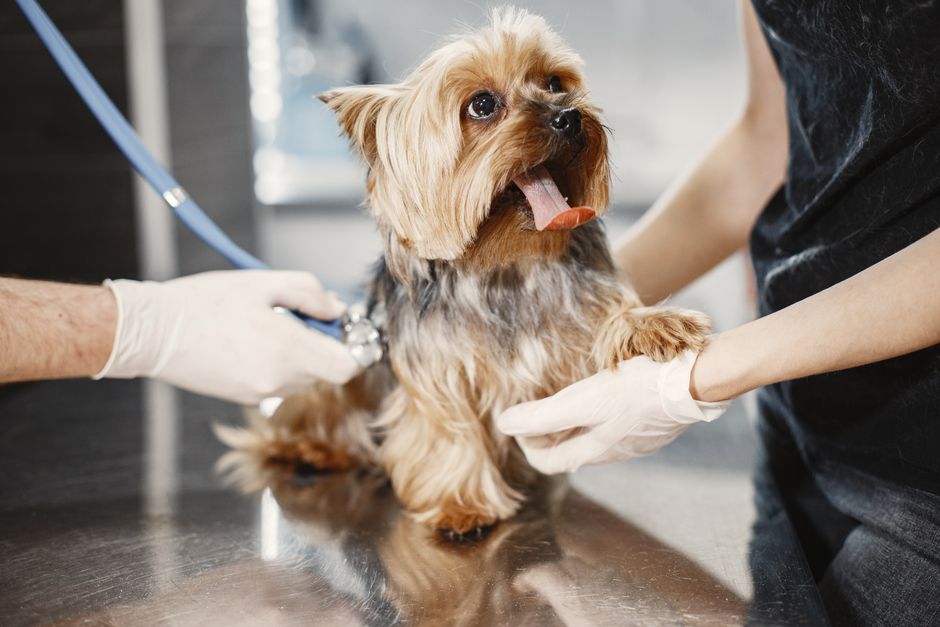
Then comes the point where compensation starts to fail. The heart can’t keep up. Fluid builds up in the lungs (pulmonary edema) or the chest cavity. This is Stage C, and this is where symptoms become visible. The good news: a vet with a stethoscope can hear the murmur long before you’d ever see anything wrong. Which is why annual wellness exams for small breeds aren’t optional in my opinion. They’re the whole strategy.
The Signs You Can Actually Observe at Home
A soft, intermittent cough. This is often the first thing owners notice and the first thing they dismiss. I can’t tell you how many times I’ve heard “oh, she does that little cough but she’s always done it.” Pay attention to when it happens. A cardiac cough tends to show up after lying down, after excitement, or at night. It’s often soft and low, sometimes sounds like they’re trying to clear something from their throat. People sometimes confuse it with reverse sneezing, which is common in small breeds and usually harmless. The difference: reverse sneezing is short, snorty, and stops quickly. A cardiac cough tends to linger a little and often happens in patterns.
Exercise intolerance is probably the one I watch most closely. If your dog used to walk a full mile and now needs to stop halfway, or used to play fetch for ten minutes and now loses interest after two, that shift means something. It’s subtle enough that owners rationalize it constantly. “She’s just getting older.” Maybe. But exercise intolerance in a previously energetic dog is worth a conversation with your vet, not a shrug.
Faster resting respiratory rate. This one is actually something you can monitor at home, and I genuinely think more people should. Count your dog’s breaths per minute while they’re completely relaxed and sleeping. Normal is between 15 and 30. Anything consistently above 30, or a sudden jump from their baseline, is a red flag. There are free apps like Cardalis and Cardiakin that let you log this over time. If you have a small breed with a known murmur, tracking their resting respiratory rate is one of the most useful things you can do between vet visits.
Behavioral shifts, too. Restlessness at night, reluctance to lie flat, preferring to sleep propped up or sitting upright – these can indicate discomfort from fluid buildup. Your dog isn’t going to tell you their chest feels tight. But they will start sleeping differently.
Fainting or collapse (syncope) is a more serious sign that warrants same-day emergency care, not a scheduled appointment. This happens when the heart can’t maintain adequate output during exertion. It’s scary to watch. If it happens once, your dog needs to be seen immediately.
Grayish or bluish gums (cyanosis) are an emergency, full stop. Normal gums are pink. If you’re ever in doubt, press on the gum with your finger and release: the color should return within two seconds. If gums look pale, gray, or blue, call an emergency clinic right now. The ASPCA Poison Control Center’s guidance on emergency symptoms consistently lists mucous membrane color changes as a critical warning sign that something is systemically wrong.
A pot-bellied appearance can be a late sign in some dogs, indicating fluid accumulation in the abdomen (ascites). By the time you’re seeing this, the disease has progressed significantly. It’s worth knowing, but if you’re reading this article hoping to catch things early, this isn’t what you’re watching for.
The Murmur Conversation: What Grades Actually Mean
Your vet says your dog has a grade 2 out of 6 murmur. Now you’re home, googling furiously. Here’s what I tell people: the grade tells you about sound intensity, not disease severity. A grade 2 murmur is soft, heard only in a quiet room with a stethoscope directly on the right spot. A grade 5 is loud enough to feel as a vibration when you put your hand on the chest. The grade gives the vet useful information about tracking progression over time, but it doesn’t map directly onto how sick your dog is or how fast things will get worse.
What matters more is whether the heart has started to compensate structurally. That’s assessed through chest X-rays (looking at heart size) and echocardiography (ultrasound of the heart). The 2019 ACVIM MMVD guidelines recommend starting medication, specifically pimobendan (Vetmedin), once the heart has enlarged to certain measurements even if the dog still has zero symptoms. This changed the standard of care significantly. Dogs in early Stage B2, still feeling completely normal, now have evidence-based reasons to start treatment.
This is why a murmur diagnosis isn’t just “we found a murmur, come back in a year.” It should prompt a conversation about whether echocardiography is indicated, and when to recheck.
Breeds Where You Should Be Proactive, Not Reactive
Some dogs deserve extra vigilance, and I’d rather just say it plainly.
Cavalier King Charles Spaniels are the most affected breed. By age 10, nearly all of them have MMVD. Many develop it much earlier. The Cavalier Health organization has been pushing for responsible breeding protocols since the 1990s, and the Mitral Valve Disease Breeding Protocol recommends only breeding Cavaliers whose parents were certified murmur-free at a certain age. Responsible breeders follow this. If you have a Cavalier, annual cardiac exams with a cardiologist aren’t overkill. They’re appropriate.
Dachshunds, Miniature Schnauzers, Cocker Spaniels, Pomeranians, Shih Tzus, Chihuahuas, and Maltese all have elevated prevalence. If your dog is one of these breeds and over age 5, and you haven’t talked about cardiac screening with your vet, bring it up at your next visit.
How to Talk to Your Vet About This
Walk in and say: “I’ve noticed X and Y. I want to make sure we’re not missing something cardiac.” That’s it. Don’t preface it with “I know this is probably nothing” because that’s not useful information. You’ve observed changes. Your vet wants to hear what you’ve observed, specifically and without apology.
If your vet detects a murmur, PetMD’s veterinary resource library notes that follow-up diagnostics including chest radiographs and echocardiography are the standard next steps for staging, and it’s completely appropriate to ask whether a referral to a board-certified veterinary cardiologist makes sense for your dog. Primary care vets do a fantastic job managing cardiac patients, but if you’re deciding whether to start medications like pimobendan or if you want precise measurements of cardiac dimensions, a cardiologist’s echocardiogram is the gold standard.
Keep a simple log at home: resting respiratory rates, when coughing occurs, any changes in exercise tolerance or sleeping position. Bring it with you. Vets genuinely appreciate objective, time-stamped observations. It makes your appointment more productive.
The cough you’re hearing, the slowing down you’ve noticed, the gut feeling that something’s a little off. These aren’t nothing. Small breed dogs are prone to heart disease in a way that other dogs simply aren’t, and catching it before symptoms become severe genuinely changes what’s possible. You know your dog. Trust what you’re seeing, write it down, and say something at your next appointment.
Sources
- ASPCA Poison Control Center’s
- PetMD’s veterinary resource library
- Arm & Hammer Dog Dental Spray, No Brush Needed
- Catit Flower Fountain, Cat Water Fountain
- Purina Pro Plan Veterinary Supplements FortiFlora Probiotic
Disclosure: As an Amazon Associate, we earn a small commission from qualifying purchases at no extra cost to you. We only recommend products that genuinely support the topics covered in this article.
- EVERLIT 95-Piece Vet-Approved Pet First Aid Kit (~$32), Vet-approved 95-piece kit for dogs and cats, covers cuts, burns, sprains, and emergencies until you can reach a vet.
- Nutramax Cosequin DS Joint Supplement for Dogs (132ct) (~$36), The #1 veterinarian-recommended joint supplement brand, clinically studied for reducing joint pain in dogs.
Recommended Resources
Disclosure: As an Amazon Associate, we earn a small commission from qualifying purchases at no extra cost to you. We only recommend products that genuinely support the topics covered in this article.
- EVERLIT 95-Piece Vet-Approved Pet First Aid Kit (~$32), Vet-approved 95-piece kit for dogs and cats, covers cuts, burns, sprains, and emergencies until you can reach a vet.
- Nutramax Cosequin DS Joint Supplement for Dogs (132ct) (~$36), The #1 veterinarian-recommended joint supplement brand, clinically studied for reducing joint pain in dogs.