 Rachel Sanders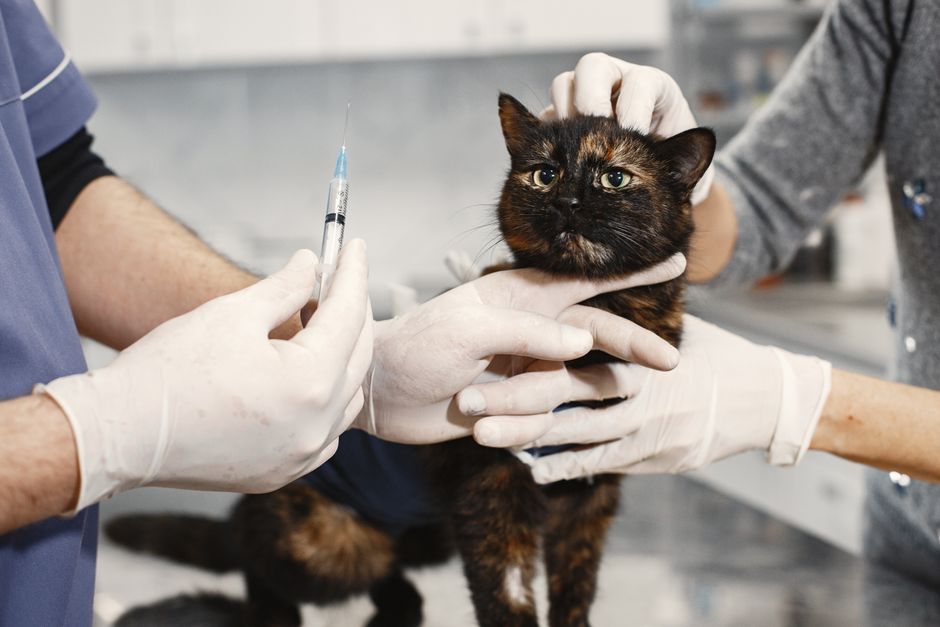
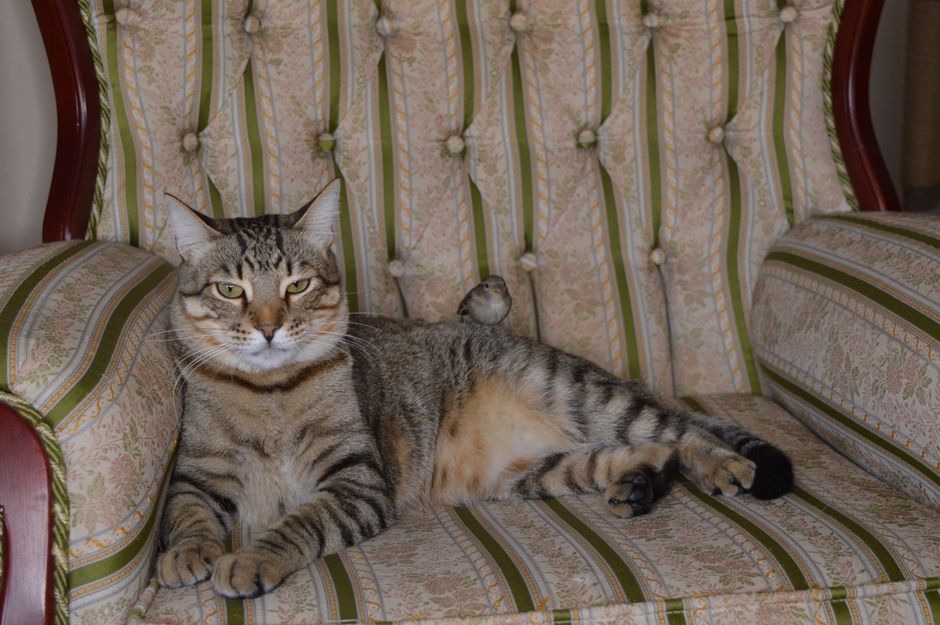
A cat came into our clinic one Tuesday with a history that made my stomach drop a little. He was a 3-year-old indoor/outdoor tabby named Marty, sweet as anything, and his owner had just adopted a second cat from a rescue that turned out to be FeLV-positive. The rescue hadn’t tested. Now she was sitting in our exam room asking me if Marty was going to be okay.
That conversation happens more often than it should. Feline leukemia virus (FeLV) is one of the most common infectious diseases in cats, and it’s also one of the most preventable. Yet I still see cats come in unvaccinated, untested, and sharing food bowls with cats whose status nobody knows. So let’s talk about what actually protects your cat, what’s overhyped, and when you genuinely need to worry.
What FeLV Actually Is (and Why It’s Not a Death Sentence Anymore)
FeLV is a retrovirus, which means it inserts its genetic material into the host’s cells. It spreads through prolonged, direct contact: shared food and water bowls, mutual grooming, bite wounds, and from a mother cat to her kittens. It does NOT spread through casual proximity or brief contact. You can’t get it. Your dog can’t get it.
Here’s the thing most people don’t realize: a FeLV diagnosis in 2026 is not what it was in 1995. Many cats live for years after a positive test with good quality of life, especially if they’re kept strictly indoors, fed well, and seen regularly by a vet. The virus causes immunosuppression, anemia, and raises cancer risk, so cats do need attentive care. But “FeLV-positive” no longer automatically means “six months to live.”
That said, prevention is still the move. A preventable disease you didn’t prevent is a regret you carry for a long time.
The Vaccine: Good, But Not the Whole Story
Helpful resource: Rayco First Aid Kit for Dogs and Cats is a top-rated option for this. (As an Amazon Associate this site earns from qualifying purchases.)
There’s a FeLV vaccine, and it works reasonably well. It’s not perfect. The AAHA vaccine guidelines classify it as a “non-core” vaccine, meaning it’s recommended based on lifestyle risk rather than universally for all cats. But I’d argue that designation leads some owners to skip it when they shouldn’t.
My honest take: if your cat goes outside at all, even occasionally, or if you have a multi-cat household where one cat has outdoor access, your cat should be vaccinated. Period. “He mostly stays inside” is not the same as “he never goes outside,” and one escape or one new cat introduction can change everything.
Kittens get two doses three to four weeks apart, then a booster a year later, then typically every two years depending on their risk level. The vaccine is most effective when given before any exposure, which is why I push hard for early vaccination in kittens who might ever go outside.
One caveat worth knowing: the vaccine does not protect 100% of cats. Studies suggest protection rates somewhere in the 70-80% range against sustained infection. That’s good, not perfect. Which is why vaccination is one layer of protection, not the only layer.
Testing: This Is the Part People Skip
Before you introduce any new cat into your home, test them. Before you vaccinate (because a cat who’s already infected doesn’t benefit from the vaccine). Before you assume anything.
FeLV testing is cheap. A basic combo test at most clinics runs somewhere between $40 and $80 depending on your area, and it also checks for FIV at the same time. Rescues and shelters should be testing before adoption, but as Marty’s owner learned, not everyone does. Ask for documentation. If they can’t show you a test result, get your own done.
There’s also a complication with FeLV testing that most people don’t know about, and it matters. A cat can test positive for FeLV early after exposure but then clear the virus on their own. This is called “regressive infection,” and it’s actually more common than previously thought. AAHA currently recommends confirming any positive test with a second test (ideally a different type, like an IFA or PCR) done several weeks later, especially if the cat seems otherwise healthy. Don’t euthanize a cat based on one positive snap test result. I’ve seen owners make that heartbreaking choice only to find out from their vet afterward that confirmatory testing would’ve been the right next step.
Managing a Multi-Cat Household
This is where prevention gets complicated fast, because it’s not just about one cat anymore.
If you bring in a new cat and they test positive, the safest approach for your existing cats is complete separation. FeLV-positive and FeLV-negative cats can sometimes coexist, but it requires sustained, careful management and ongoing testing of the negative cats. That’s a big ask. Some people do it successfully; others find it’s not realistic for their household. There’s no shame in either answer, but go in with open eyes.
What does work: keeping the FeLV-positive cat as a solo pet or in a household with only other FeLV-positive cats. Many rescues specialize in exactly this, which I think is genuinely one of the better outcomes in feline rescue work.
For multi-cat households with any outdoor cats, I’d recommend reading through PetMD’s veterinary resource library on FeLV, which has good plain-language breakdowns of transmission risk. And talk to your vet about testing frequency. At minimum, test any new addition before integration. If you have outdoor cats, annual testing is reasonable.
Practical Stuff That Actually Reduces Risk
A few things that matter more than people think:
Keep wounds clean and treated. Bite wounds are a major transmission route, and outdoor cats get into fights. If your cat comes home with a bite, see your vet. Bite abscesses are both painful and a transmission risk. This is also a good reason to keep cats indoors if you can manage it, not just for FeLV but for their overall safety.
Don’t share bowls between cats of unknown status. This sounds obvious but it’s easy to be casual about at a multi-cat home. Communal water fountains are fine once everyone’s been tested and cleared, but during a new introduction period, keep everything separate.
If you’re considering a pet first aid kit for your cat household, they’re worth having around for wound management, especially if you have outdoor cats. (Affiliate disclosure: this site may earn a commission on purchases through that link.)
Marty, for the record, tested negative. His owner vaccinated him immediately and kept him inside from that point on. The new cat, who was FeLV-positive, went to a rescue that specializes in FeLV cats and reportedly is doing well. It worked out, but it so easily could have gone differently. A test and a vaccine before that second cat came home would have saved a lot of fear. That’s the whole point.
This article is for general informational purposes only and does not constitute veterinary advice. Pet health symptoms can have many causes and require professional evaluation. Always consult a licensed veterinarian for diagnosis and treatment specific to your pet.
Sources
- Rayco First Aid Kit for Dogs and Cats
- PetMD’s veterinary resource library
- pet first aid kit
- Thundershirt Classic Dog Anxiety Jacket
- Nylabone Power Chew Durable Dog Chew Toys
Disclosure: As an Amazon Associate, we earn a small commission from qualifying purchases at no extra cost to you. We only recommend products that genuinely support the topics covered in this article.
- EVERLIT 95-Piece Vet-Approved Pet First Aid Kit (~$32), Vet-approved 95-piece kit for dogs and cats, covers cuts, burns, sprains, and emergencies until you can reach a vet.
- Nutramax Cosequin DS Joint Supplement for Dogs (132ct) (~$36), The #1 veterinarian-recommended joint supplement brand, clinically studied for reducing joint pain in dogs.
Recommended Resources
Disclosure: As an Amazon Associate, we earn a small commission from qualifying purchases at no extra cost to you. We only recommend products that genuinely support the topics covered in this article.
- EVERLIT 95-Piece Vet-Approved Pet First Aid Kit (~$32), Vet-approved 95-piece kit for dogs and cats, covers cuts, burns, sprains, and emergencies until you can reach a vet.
- Nutramax Cosequin DS Joint Supplement for Dogs (132ct) (~$36), The #1 veterinarian-recommended joint supplement brand, clinically studied for reducing joint pain in dogs.