 Rachel Sanders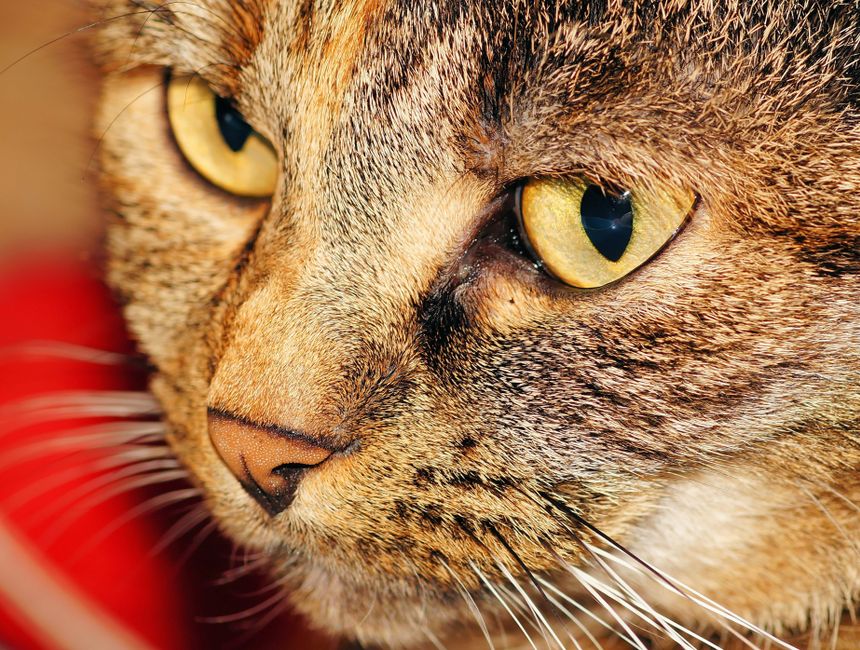
Most of what you’ll read about FIV cats online is either panic-inducing or suspiciously breezy. “Death sentence” on one end, “totally fine, no worries!” on the other. Neither is accurate, and both fail the cats.
FIV stands for feline immunodeficiency virus. It’s a lentivirus, the same class as HIV in humans, which is why people freak out when they first hear the name. That comparison is where the similarity ends. FIV doesn’t kill cats quickly. Many FIV-positive cats live completely normal lifespans and die of something entirely unrelated. I’ve watched cats in our clinic come in as scrawny, beat-up strays who tested positive, get adopted, and still be going strong at 15. The virus matters, but it’s not a countdown timer.
What it does do is gradually compromise the immune system over years, making the cat more vulnerable to secondary infections that a healthy cat would shrug off. How fast that progresses varies enormously between individuals.
- FIV-positive cats often live normal lifespans; the virus itself rarely causes direct death.
- FIV transmits almost exclusively through deep bite wounds, not casual contact like shared food bowls.
- FIV cats and FIV-negative cats can coexist safely in the same household if there's no fighting.
- Annual vet visits (twice yearly is better) catch secondary infections before they spiral.
- There is no cure, but consistent care keeps most FIV cats stable for years.
How FIV Actually Spreads
Here’s where a lot of well-meaning rescue volunteers get it wrong, including me, early in my career. I used to tell adopters that FIV cats had to be the only pet in the house. I repeated it confidently for probably two years before I dug into the actual transmission data and felt genuinely embarrassed.
FIV spreads almost entirely through deep puncture bites, the kind that happen when two cats are genuinely fighting, not the casual swat-and-retreat of a normal territorial squabble. Casual contact, shared water bowls, mutual grooming, even sleeping together, carries negligible transmission risk. The virus doesn’t survive long outside the body, and saliva contact during play or grooming doesn’t deliver enough viral load to infect.
The population most at risk: intact outdoor males. They fight. They bite hard and deep. That’s why FIV prevalence in feral colonies runs higher than in indoor cats. In owned pets kept indoors with compatible housemates who aren’t drawing blood on each other, the risk of transmission is genuinely low.
The ASPCA and the UC Davis Koret Shelter Medicine Program have both stated that FIV-positive and FIV-negative cats can be safely housed together if they’re non-aggressive. That guidance has been out for years. Shelters that still automatically euthanize FIV-positive cats are operating on outdated policy, not current science.
The Testing Rabbit Hole
Helpful resource: FRONTLINE Plus Flea and Tick Treatment for Dogs is a top-rated option for this. (As an Amazon Associate this site earns from qualifying purchases.)
Diagnosis is messier than most people realize, and this is something the standard pet-adoption pamphlet glosses straight over.
The snap test your vet runs in-clinic detects antibodies, not the virus itself. In adult cats, a positive result is meaningful. In kittens under six months old, it can be a false positive because the kitten may be carrying maternal antibodies from an FIV-positive mother but not actually be infected. Those kittens need to be retested after six months. I’ve seen kittens get euthanized or refused adoption based on snap test positives that would have cleared up on retest. It’s one of the more preventable tragedies I’ve come across.
A positive snap test in an adult cat warrants a confirmatory Western blot or PCR test if there’s any doubt. These cost somewhere between $60 and $150 depending on your lab and location (as of August 2026). Worth running before making any major decisions about a cat’s future.
One more wrinkle: cats that received the old FIV vaccine (Fel-O-Vax FIV, discontinued but given to cats that are still alive today) will test positive on the snap test forever, even if they never had FIV. If you’re adopting an older cat whose history is unknown, this is worth asking about.
What an FIV Cat Actually Needs
Honestly, the management isn’t dramatically different from any other cat. The gap shows up in the details.
Indoor living. This is non-negotiable. Not because FIV cats will infect every cat in the neighborhood (see above), but because outdoor life means exposure to pathogens they’re less equipped to fight. An upper respiratory infection that a healthy outdoor cat might shake in a week can turn into a two-week course of Clavamox and a $400 vet bill in an FIV cat with reduced immune function.
Vet visits. Twice yearly instead of once. I know that costs money. But FIV cats can look totally fine while something is quietly brewing. Twice-yearly bloodwork catches things early, and early treatment is almost always cheaper and more effective than crisis management.
Diet. High-quality protein. No raw diets. This is one point where I’ll push back on the raw-feeding community: immunocompromised cats are at real risk from Salmonella and Toxoplasma in raw meat. The risk isn’t theoretical. PETMD’s veterinary resource library notes this specifically for FIV and FeLV cats. Stick with cooked or commercially processed food.
Dental care. FIV cats are prone to stomatitis, a painful and aggressive gum condition that can make eating miserable. Routine dental cleanings and even daily tooth brushing (yes, really) make a meaningful difference. These cat dental chews from Virbac (C.E.T.) aren’t a substitute for professional cleaning, but they do help between visits. (Disclosure: this site may earn a commission on purchases.)
Stress reduction. The immune system takes a hit from chronic stress, and that’s amplified in a cat whose immune response is already compromised. A stable routine, vertical space, and not having to compete for resources (food bowls, litter boxes, resting spots) matters more for an FIV cat than it does for a healthy one.
What the Timeline Usually Looks Like
| Phase | Timing | What You’ll See |
|---|---|---|
| Acute infection | Weeks 1-4 post-exposure | Often nothing visible; occasional mild fever, swollen lymph nodes |
| Asymptomatic carrier phase | Months to years (often 5-10+ years) | Cat appears completely normal |
| Progressive immune decline | Variable; not all cats reach this | Recurrent infections, weight loss, dental disease, neurological signs |
| Terminal AIDS-like stage | Some cats never reach this | Severe immunosuppression, cancer, organ failure |
The asymptomatic phase is long. Most pet owners who adopt an FIV cat will spend the majority of that cat’s life in the middle column of that table, dealing with a cat that seems totally normal. That’s not denial, it’s just the actual disease progression.
Real Examples
A reader, Diane from Portland, adopted a 4-year-old FIV-positive cat named Bo in early 2024. She had two other cats. Her vet confirmed the others were non-aggressive, and Bo had been neutered. She followed twice-yearly vet visits, switched everyone to a high-quality wet food, and added a third litter box. Two years later, all three cats are healthy. Bo’s bloodwork has been stable throughout. Zero transmission events. → This is the typical outcome when housing decisions are made thoughtfully.
Contrast: a different scenario I saw in clinic, a family with an FIV-positive male cat who was also intact and living with another intact male. Both were indoor-outdoor. The fighting was regular. The FIV-negative cat tested positive 18 months later. → Intact males who fight are exactly the risk population the transmission data describes.
One more: a 7-year-old FIV cat came in last spring with a third bout of upper respiratory infection in six months. Owner was feeding a boutique raw diet and skipping annual checkups. We switched to a cooked high-protein food, scheduled six-month rechecks, and added a daily lysine supplement. → Twelve months later, zero URI episodes.
Sources
- UC Davis Koret Shelter Medicine Program: Guidance on FIV transmission risk and cohousing policy
- ASPCA Animal Poison Control Center: Broader ASPCA animal health resources including FIV guidance
- PetMD Veterinary Resource Library: FIV cat dietary and management recommendations, including raw diet risk
- Cornell Feline Health Center: Comprehensive FIV disease progression overview and testing guidelines
- Yamamoto JK et al. (1988): Original characterization of FIV, establishing it as a distinct lentivirus from HIV
FIV cats are not broken cats. They’re cats with a condition that requires slightly more attention than average, and they repay that attention the same way any cat does: by being completely indifferent to your feelings while somehow making your life better.
Photo: Pixabay via Pexels
This article is for general informational purposes only and does not constitute veterinary advice. Pet health symptoms can have many causes and require professional evaluation. Always consult a licensed veterinarian for diagnosis and treatment specific to your pet.
Recommended Resources
Disclosure: As an Amazon Associate, we earn a small commission from qualifying purchases at no extra cost to you. We only recommend products that genuinely support the topics covered in this article.
- EVERLIT 95-Piece Vet-Approved Pet First Aid Kit (~$32), Vet-approved 95-piece kit for dogs and cats, covers cuts, burns, sprains, and emergencies until you can reach a vet.
- Nutramax Cosequin DS Joint Supplement for Dogs (132ct) (~$36), The #1 veterinarian-recommended joint supplement brand, clinically studied for reducing joint pain in dogs.