 James Whitfield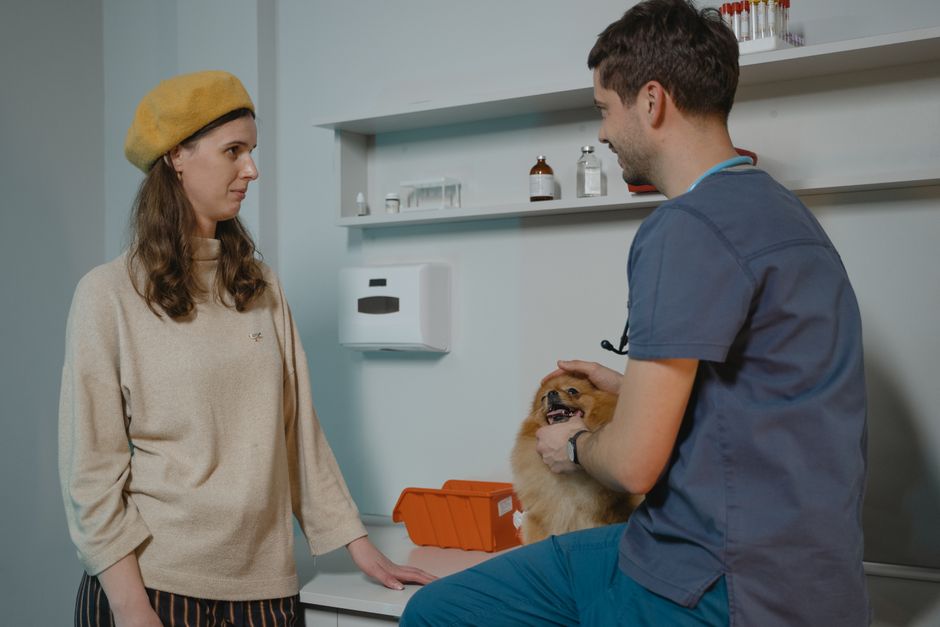
Most pet owners I talk to assume gabapentin is just a “nerve pain drug” their vet throws at older dogs who seem stiff. That framing is so incomplete it can actually lead people to under-use or misuse a medication that, in the right context, is genuinely remarkable.
I’ll be honest: when I first encountered gabapentin in clinical practice about a decade ago, I thought of it as a niche drug for seizure management. That was my mental box for it. Then I started seeing it used pre-surgically, for situational anxiety, for neuropathic pain after spinal injuries, and as part of multimodal pain protocols for dogs with cancer. My box got a lot bigger.
So let me tell you what I’ve actually learned after 13 years of watching this drug work (and occasionally not work) in real dogs.
What Gabapentin Actually Does
Gabapentin was originally developed as an anticonvulsant. It works by binding to calcium channels in the nervous system, which dampens the release of certain neurotransmitters involved in pain signaling and abnormal electrical activity in the brain. That dual mechanism, anticonvulsant and analgesic, is what makes it so versatile.
What surprised me when I went deep on the pharmacology is how different dogs process gabapentin compared to humans. Dogs metabolize it faster. A dose that might keep a human comfortable for 8 hours may wear off in 4-6 hours in a dog, which is exactly why vets sometimes prescribe it two or three times daily. If your dog is on once-daily gabapentin for chronic pain and it doesn’t seem to be helping much, that dosing frequency might be worth a conversation with your vet.
The drug is primarily cleared by the kidneys, which matters if your dog has any degree of renal compromise. In those patients, the dose typically gets lowered, not just as a precaution but because gabapentin can accumulate and cause excessive sedation.
What Vets Actually Use It For
Helpful resource: Rayco First Aid Kit for Dogs and Cats is a top-rated option for this. (As an Amazon Associate this site earns from qualifying purchases.)
Here’s where it gets interesting, because the list is longer than most owners realize.
Chronic pain, especially neuropathic pain, is probably the most common use. Dogs with degenerative joint disease, intervertebral disc disease (IVDD), or spinal cord injuries often have a nerve pain component that NSAIDs like Carprofen or Galliprant don’t fully address. Gabapentin fills that gap. I’ve seen it make a meaningful difference in dogs who were on adequate NSAID dosing and still seemed uncomfortable.
Seizure management is the original use, and gabapentin is still used as an add-on medication for dogs with epilepsy who aren’t fully controlled on phenobarbital or potassium bromide alone.
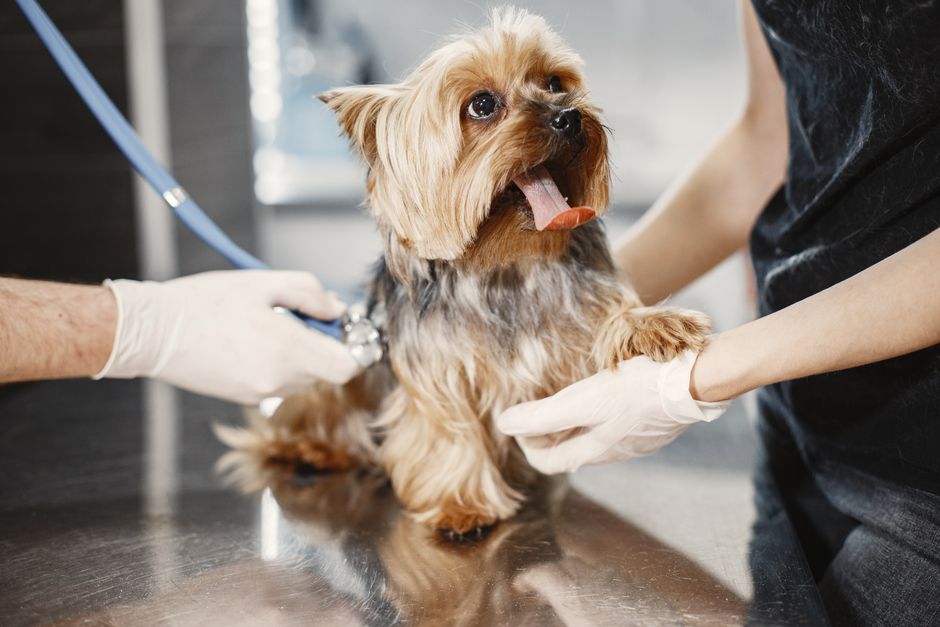
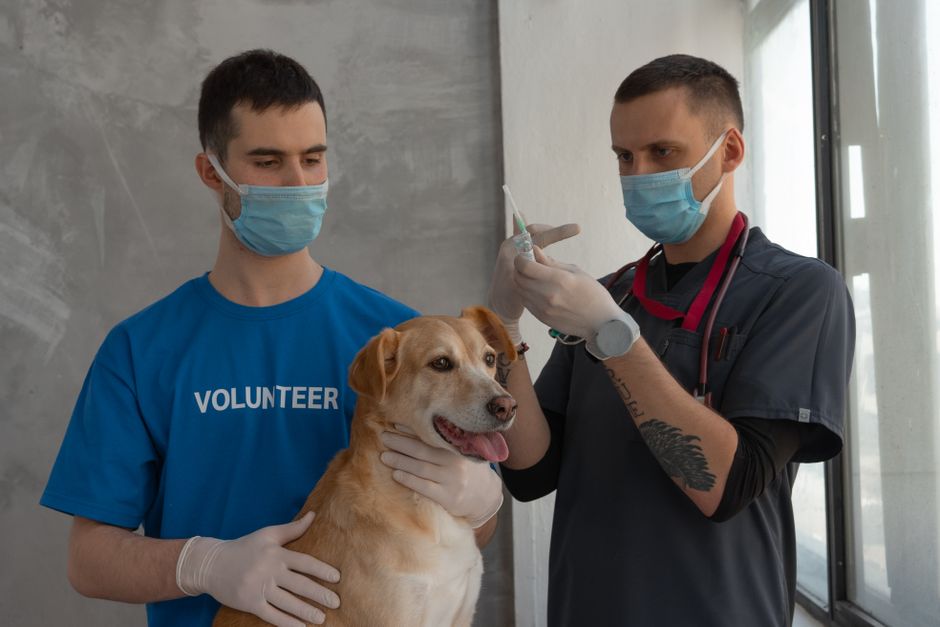
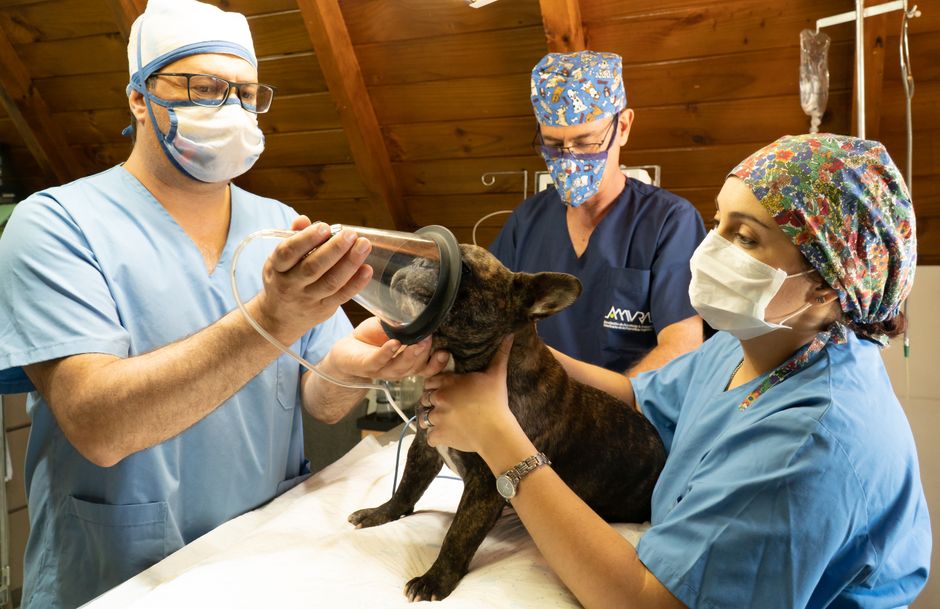
Pre-surgical sedation and anxiety reduction is a growing use, and honestly one of the most interesting ones. The American Veterinary Medical Association (AVMA) has discussed gabapentin as part of fear-free and low-stress handling protocols, because giving a dog 100-300mg about two hours before a stressful vet visit can genuinely take the edge off. Not sedate them. Just… take the edge off. I’ve watched it transform a dog’s experience at the clinic.
Situational anxiety more broadly, including thunderstorms and fireworks, is another application. It’s not the same as a dedicated anxiolytic, and it won’t work for every dog, but for dogs with mild to moderate situational anxiety, it can help.
A few real-world examples from my time in practice:
Scenario 1: A 9-year-old Labrador with confirmed IVDD, already on Meloxicam, still vocalizing at night. Vet added gabapentin at 10mg/kg twice daily. Owner reported noticeably better sleep behavior within one week, and the dog stopped avoiding stairs within three weeks.
Scenario 2: A 4-year-old Border Collie with severe thunderstorm phobia, not responding well to trazodone alone. Gabapentin added at 100mg two hours before predicted storms. Owner described it as “60-70% improvement” in panic behaviors over several storm events.
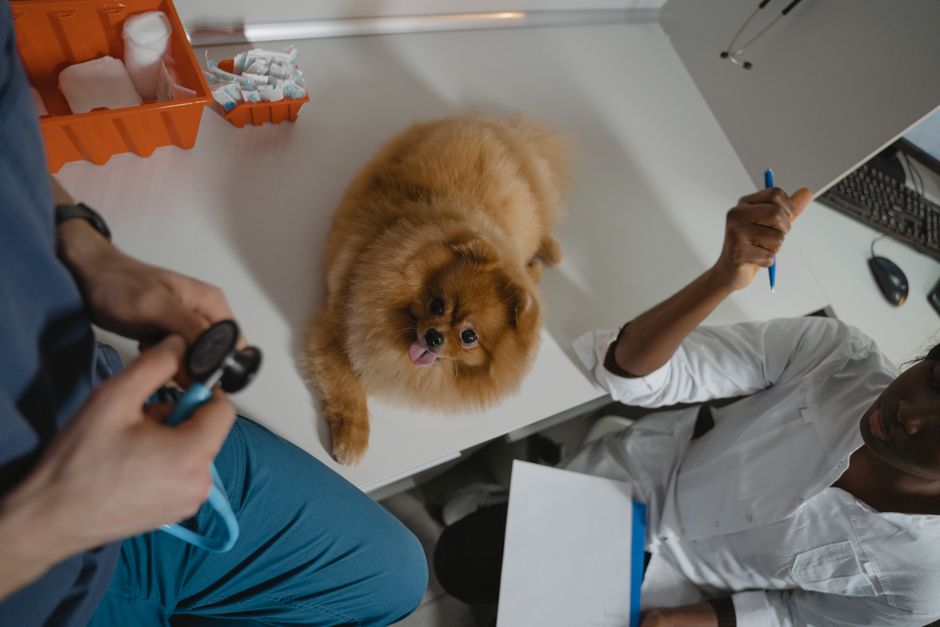
Scenario 3: A 7-year-old mixed breed scheduled for a dental extraction, historically extremely difficult to handle at the clinic. Pre-visit gabapentin given at home two hours prior. Staff noted she was significantly calmer for pre-anesthetic bloodwork and IV placement.
The Dosing Reality (And Why It’s Complicated)
| Use Case | Typical Dose | Frequency | Notes |
|---|---|---|---|
| Chronic/neuropathic pain | 5-10 mg/kg | 2-3 times daily | Often combined with NSAIDs |
| Seizure management | Higher doses | As prescribed | Add-on to other anticonvulsants |
| Pre-surgical anxiety | 50-300 mg (size-dependent) | Single dose, 2 hours pre-visit | One-time use |
| Situational anxiety | 100-300 mg | As needed before event | For storms, fireworks, etc. |
I’m going to be straightforward here: there’s no universally agreed-upon dosing standard for gabapentin in dogs. The research is genuinely mixed, and the dose varies depending on what you’re treating.
For pain, most vets land somewhere between 5-10mg/kg given two to three times daily. For seizures, doses can go higher. For anxiety or pre-medication, a one-time dose in the 50-300mg range (depending on dog size) is common.
The formulation matters more than most people realize. Liquid gabapentin made for humans, like the brand Neurontin oral solution, often contains xylitol, which is toxic to dogs. This is not a minor caveat. It’s a genuine danger. Always confirm with your vet or pharmacist that the formulation prescribed is xylitol-free. Capsules or tablets compounded specifically for veterinary use are generally the safer route. PetMD’s veterinary resource library covers this specifically, and it’s worth reading if your dog is being switched from capsules to liquid for any reason.
As of June 2026, compounded veterinary gabapentin is widely available through most veterinary compounding pharmacies, and the cost is generally reasonable, often $20-50 per month for an average-sized dog depending on dose and frequency.
Side Effects Worth Knowing
Sedation is the big one. It’s usually mild and often fades after a week or two as the dog adjusts. Some owners actually mistake this initial sedation for the drug “not working” and stop it too soon. Give it 10-14 days before drawing conclusions.
Ataxia, that wobbly, uncoordinated gait, can happen especially at higher doses or in smaller dogs. If your dog suddenly looks drunk after starting gabapentin, call your vet. It’s usually a dose adjustment issue, not a reason to panic.
GI upset (nausea, soft stool) is less common than with NSAIDs but does happen. Giving it with a small amount of food usually helps.
The one thing I want to be clear about: don’t stop gabapentin abruptly, especially if it’s been used long-term for seizures. Tapering is important. Your vet should guide this, but if you’re ever in a situation where you’ve run out of medication unexpectedly, call the clinic. Most will work with you.
Is It Right for Your Dog?
The honest answer is: maybe. Gabapentin isn’t magic, and I’ve seen it underwhelm for certain pain types, particularly pure inflammatory pain where an NSAID is really the right tool. The research on gabapentin for canine osteoarthritis specifically is more mixed than the enthusiasm around it sometimes suggests. Some dogs respond beautifully; others show minimal change.
What I’ve found is that it tends to work best as part of a multimodal approach: combined with an NSAID, with appropriate weight management, with physical therapy if that’s accessible. Using it as the only intervention for a dog with moderate to severe arthritis is probably setting yourself up for disappointment.
Anyone who’s owned a senior German Shepherd or a Dachshund with spinal issues knows that pain management is rarely simple. Gabapentin is one solid tool in a bigger toolkit.
Sources
- American Veterinary Medical Association (AVMA): Resources on fear-free handling protocols and gabapentin use in veterinary practice
- PetMD Veterinary Resource Library: Detailed information on gabapentin formulations, xylitol toxicity risks in liquid preparations, and dosing ranges for dogs
- KuKanich, B. & Cohen, R.L. (2011). “Pharmacokinetics of oral gabapentin in greyhound dogs.” The Veterinary Journal: Key study showing faster clearance in dogs compared to humans, informing dosing frequency decisions
- Aghighi, S.A. et al. (2012). “Assessment of the effects of adjunctive gabapentin on postoperative pain after intervertebral disc surgery in dogs.” Veterinary Anaesthesia and Analgesia: One of the more-cited clinical studies on gabapentin’s role in canine surgical pain management
- Plumb, D.C. Plumb’s Veterinary Drug Handbook (current edition): The standard clinical reference for veterinary pharmaceutical dosing, including gabapentin protocols
This article is for general informational purposes only and does not constitute veterinary advice. Pet health symptoms can have many causes and require professional evaluation. Always consult a licensed veterinarian for diagnosis and treatment specific to your pet.
Recommended Resources
Disclosure: As an Amazon Associate, we earn a small commission from qualifying purchases at no extra cost to you. We only recommend products that genuinely support the topics covered in this article.
- EVERLIT 95-Piece Vet-Approved Pet First Aid Kit (~$32), Vet-approved 95-piece kit for dogs and cats, covers cuts, burns, sprains, and emergencies until you can reach a vet.
- Nutramax Cosequin DS Joint Supplement for Dogs (132ct) (~$36), The #1 veterinarian-recommended joint supplement brand, clinically studied for reducing joint pain in dogs.