 Tom Harris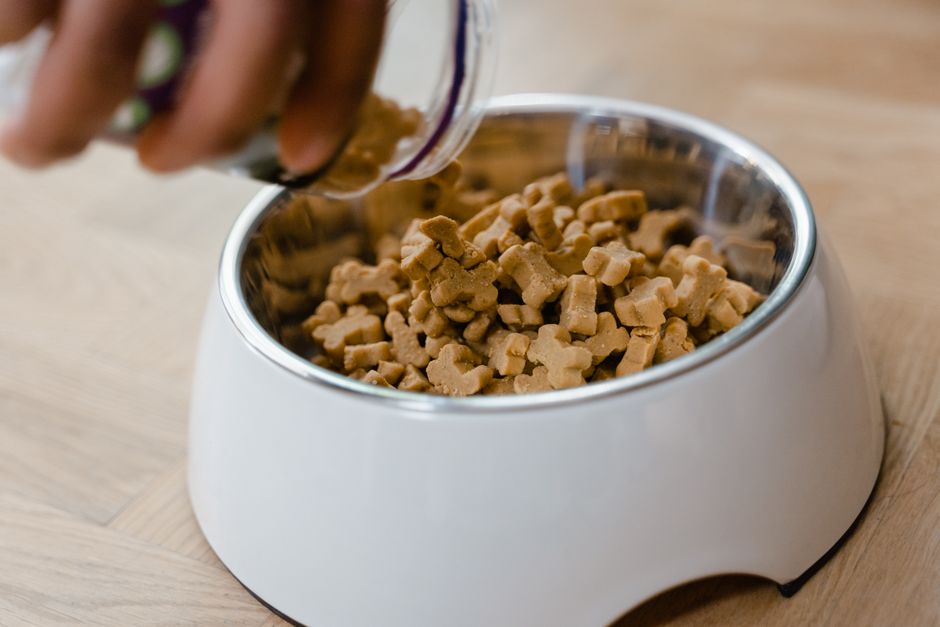
Picture this: you’re standing in the pet food aisle, holding two bags of dog food. One screams “GRAIN FREE” in bold letters, with a wolf running through tall grass. The other is a quieter bag, whole grains listed third on the ingredient panel. You’ve heard grain-free is better. More natural. More ancestral. But you’ve also heard something about heart disease. You put both bags back and leave with the same bag you always buy, still not sure what to believe. I’ve had this exact conversation with clients more times than I can count, and I’ll be honest: the answer is messier than either camp wants to admit.
The Grain-Free Boom and the DCM Wake-Up Call
Grain-free dog food exploded around 2010, riding the wave of the human paleo and gluten-free movements. The pitch made intuitive sense: wolves don’t eat wheat, so why should your dog? By 2018, grain-free diets made up roughly 44% of new pet food product launches. Then the FDA dropped a bombshell.
In July 2018, the FDA announced it was investigating a potential link between grain-free diets and dilated cardiomyopathy, a serious heart condition abbreviated as DCM. The agency had received an unusual spike in DCM reports, and a disproportionate number of the affected dogs were eating grain-free foods, particularly those high in peas, lentils, chickpeas, and potatoes. Breeds not genetically predisposed to DCM, like Golden Retrievers and Labrador Retrievers, were developing it. That was the red flag.
What surprised me when I dug into this was how genuinely unclear the whole thing still is. The FDA released multiple updates between 2018 and 2022, and here’s where it gets complicated: they never identified a single confirmed causative mechanism. The research is actually mixed. Some cardiologists believe the issue may be related to taurine deficiency or how the body absorbs it. Others point to specific ingredients disrupting nutrient metabolism. Some researchers have questioned the data methodology entirely, arguing the case numbers were small relative to how many dogs eat grain-free food without any problems. The FDA’s last public update acknowledged the investigation is ongoing and that a definitive causal link has not been established.
So we’re left with a real signal that raised legitimate concern, a plausible biological hypothesis, and no clean resolution. That’s what we actually know.
What Grains Actually Do in Dog Food (And What They Don’t)
Here’s what most people misunderstand: grains in dog food aren’t filler by default. The word “filler” implies zero nutritional value, and that’s simply not true for whole grains.
Brown rice, oatmeal, barley, and quinoa provide digestible carbohydrates for energy. They also supply fiber for gut movement and B vitamins plus trace minerals. Dogs, unlike cats, are metabolic omnivores. They have multiple copies of the AMY2B gene, which codes for amylase, an enzyme specifically for digesting starch. Wolves have two copies. Domestic dogs can have up to 30. That’s not a coincidence. Dogs co-evolved with humans for thousands of years, eating food scraps, and their digestive systems adapted accordingly.
That said, not all grains are equal. Corn syrup and low-quality corn fragments as the primary carbohydrate source aren’t great. But whole grain oats as the fourth ingredient in a diet with quality animal protein at the top? That’s a very different thing. Context matters enormously here.
What grain-free diets substitute for those grains is where things get interesting. Peas, lentils, and chickpeas are legumes, not vegetables, and they behave differently metabolically. They’re high in phytates, which can bind to certain minerals and reduce their absorption. They contain compounds that may interfere with taurine synthesis in some dogs. None of this means legumes are toxic, but it does mean “grain-free” doesn’t automatically equal “better.”
The Gluten Sensitivity Question: Real for Some Dogs, Overstated for Many
I want to address this directly because it’s a common reason people switch to grain-free: they believe their dog has a grain allergy or gluten intolerance.
True gluten intolerance in dogs is documented but rare. The one confirmed breed-specific condition is gluten-sensitive enteropathy in Irish Setters, and there’s emerging evidence for it in Border Terriers. For most dogs, grain allergies account for a small fraction of food allergies overall. Proteins, specifically beef, chicken, dairy, and eggs, are the most common dietary allergens in dogs. If your dog has chronic itching, ear infections, or gastrointestinal upset, the culprit is far more likely to be an animal protein than wheat or corn.
In my experience, when clients switch to grain-free and see improvement, it’s often because they’ve also inadvertently switched the protein source. The dog wasn’t reacting to the grain. They were reacting to the chicken in their old food, and the new grain-free bag happened to use salmon or duck. That’s an important distinction for your vet to help you sort out, especially if you’re dealing with a dog with a genuine allergy history.
If you genuinely suspect food allergies, the gold standard is a strict hydrolyzed protein or novel protein elimination diet for 8 to 12 weeks, under veterinary guidance. A random switch to grain-free off the shelf won’t give you the clean data you need.
How to Actually Choose a Dog Food: A Practical Framework
Here’s a simple way to think through any dog food decision, grain-inclusive or grain-free:
Step 1: Check for an AAFCO nutritional adequacy statement. Look for the phrase “formulated to meet the nutritional levels established by AAFCO” or “complete and balanced” on the label. If that’s not there, keep walking.
Step 2: Identify the first three ingredients. A named animal protein (chicken, lamb, salmon, not “meat meal” with no species named) should be at or near the top. This tells you where most of the protein is actually coming from.
Step 3: Assess the carbohydrate source. Is it whole grains like brown rice or oatmeal? Or is it primarily peas, lentils, and potatoes? Neither is automatically disqualifying, but knowing which category you’re in matters, especially given the DCM discussion.
Step 4: Look up the manufacturer. Does the company have a board-certified veterinary nutritionist on staff? Do they publish feeding trials? Do they have a history of recalls? The FDA’s pet food recall database is publicly searchable and worth five minutes of your time.
Step 5: Match the food to your dog’s life stage and breed. A large-breed puppy has fundamentally different calcium-to-phosphorus requirements than a senior small-breed dog. Life stage specific formulas exist for good reason.
Step 6: Transition slowly. Any food switch should happen over 7 to 10 days, mixing increasing amounts of the new food with the old. A sudden switch is one of the most common causes of the gastrointestinal upset people mistakenly blame on the new food itself.
Grain-Free vs. Grain-Inclusive: A Direct Comparison
| Factor | Grain-Free | Grain-Inclusive |
|---|---|---|
| DCM concern | Under active FDA investigation | No elevated association identified |
| Digestibility | Varies; legume-based carbs can be harder to digest | Whole grains generally well-tolerated by most dogs |
| Allergy management | May help if grain allergy confirmed; often unnecessary | Fine for dogs without documented grain sensitivities |
| Protein quality | Depends entirely on the brand, not grain status | Depends entirely on the brand, not grain status |
| Marketing vs. evidence | Strong marketing, weaker evidence base overall | Less trendy, but more research-backed history |
| Cost | Typically higher | Typically lower to moderate |
The takeaway is that neither category wins automatically. Brand quality and ingredient sourcing matter more than the grain-free label itself.
When to Actually Talk to Your Vet (And How to Make That Conversation Count)
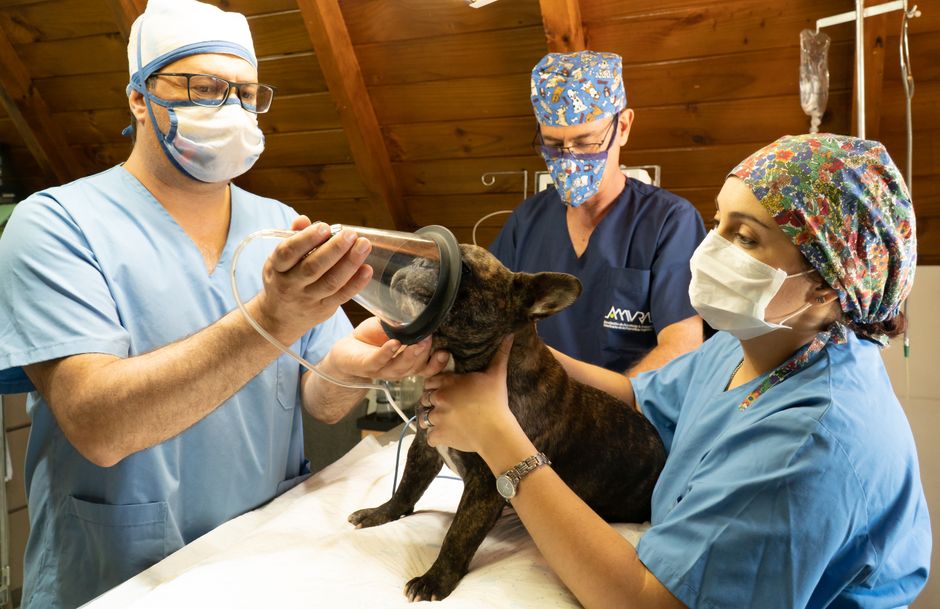
The American Veterinary Medical Association recommends consulting your veterinarian before making significant dietary changes, particularly for dogs with existing health conditions. I’d add: even if your dog seems healthy, a food discussion at your annual wellness visit is time well spent.
But I also know that “just ask your vet” can feel like a non-answer. Go in with specifics. Tell them the brand and formula you’re currently feeding, the primary reason you’re considering switching (suspected allergy, weight management, heart health concern), and any symptoms you’ve noticed. Ask specifically whether your dog’s breed has any known nutritional predispositions. Golden Retrievers, for example, are now being studied more closely in the context of the DCM question.
If your dog is already on a grain-free diet and you’re worried, don’t panic and don’t necessarily switch overnight. Ask your vet about a cardiac screening if your dog is a breed in the higher-risk category, or if they’re showing any symptoms like exercise intolerance, coughing, or a bloated abdomen. The ASPCA Poison Control Center is another resource worth bookmarking, particularly their guidance on toxic foods and household hazards.
Thirteen years in small animal practice has taught me that the best dog food is almost never the one with the best packaging. It’s the one that fits your specific dog’s age, health history, and metabolic needs, chosen with real information rather than marketing copy. Grain-free isn’t a villain, and grains aren’t a cop-out. The more useful question is always: what’s actually in the bag, who made it, and does it suit this particular dog? Start there, loop in your vet, and ignore the wolf on the label.
Sources
- EVERLIT 95-Piece Vet-Approved Pet First Aid Kit
- Nutramax Cosequin DS Joint Supplement for Dogs (132ct)
- MART PRODUCTION
- is actually mixed
- methodology entirely
As an Amazon Associate, we earn a small commission from qualifying purchases at no extra cost to you. We only recommend products that genuinely support the topics covered in this article.
- EVERLIT 95-Piece Vet-Approved Pet First Aid Kit (~$32). Covers cuts, burns, sprains, and emergencies until you can reach a vet.
- Nutramax Cosequin DS Joint Supplement for Dogs (132ct) (~$36). The #1 veterinarian-recommended joint supplement brand, clinically studied for reducing joint pain in dogs.
This article is for general informational purposes only and does not constitute veterinary advice. Pet health symptoms can have many causes and require professional evaluation. Always consult a licensed veterinarian for diagnosis and treatment specific to your pet.
Photo: MART PRODUCTION via Pexels
Recommended Resources
Disclosure: As an Amazon Associate, we earn a small commission from qualifying purchases at no extra cost to you. We only recommend products that genuinely support the topics covered in this article.
- EVERLIT 95-Piece Vet-Approved Pet First Aid Kit (~$32), Vet-approved 95-piece kit for dogs and cats, covers cuts, burns, sprains, and emergencies until you can reach a vet.
- Nutramax Cosequin DS Joint Supplement for Dogs (132ct) (~$36), The #1 veterinarian-recommended joint supplement brand, clinically studied for reducing joint pain in dogs.