 Karen Lopez
Most coverage of H5N1 in pets is stuck in 2024, still framing this as a wild-bird problem that barely touches household cats. That framing is now dangerously out of date. In May 2026, the CDC published an MMWR report documenting serologic evidence that an asymptomatic veterinary professional in Los Angeles County contracted H5N1 from an infected domestic cat, with exposure traced to December 2024 through January 2025. That’s the first documented signal of cat-to-human transmission. Full stop.
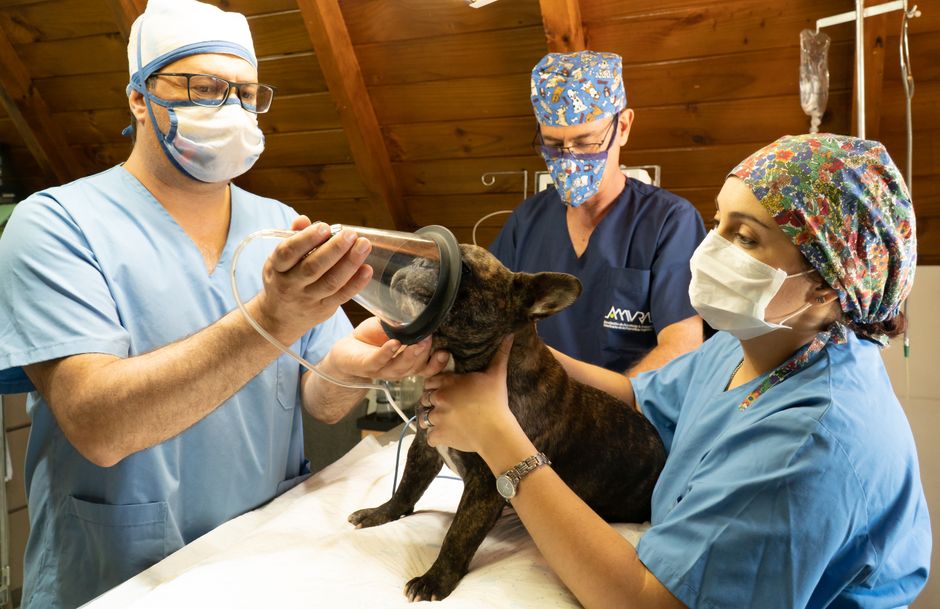
The AVMA Convention in Anaheim, running July 10–14, 2026, just wrapped up a dedicated panel on detecting and managing feline H5N1, covering clinical signs, PPE protocols, and occupational risk for vet staff. Infectious disease panels at AVMA don’t get scheduled unless the profession considers something urgent. This one was urgent. If you own a cat, you need to understand what’s changed, what the real risks are, and what you can actually do about it before your next vet visit.
- H5N1 kills 50–70% of infected cats, making cats one of the most severely affected domestic mammal species.
- A May 2026 CDC MMWR report confirmed the first serologic evidence of cat-to-human H5N1 transmission in Los Angeles County.
- Cats have tested H5N1-positive in 18 U.S. states as of mid-2026.
- Stopping raw poultry and raw dairy is the single most effective household risk-reduction step you can take today.
- Dogs appear less susceptible to the current strain, but that can change as the virus evolves.
Why Cats Are Getting Hit So Hard
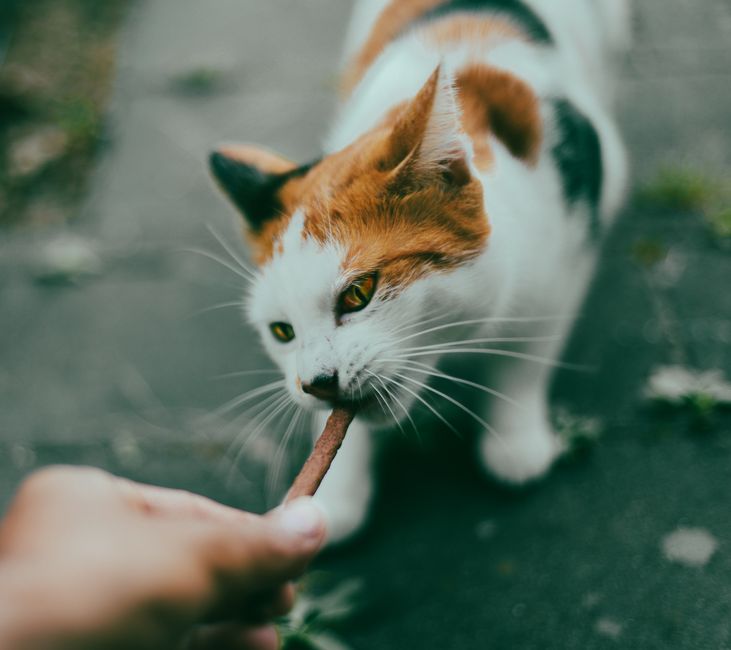
Cats are obligate predators who hunt birds. They eat raw meat. They groom extensively. All of that makes them a near-perfect bridge host for a virus circulating in wild and domestic poultry. The reported mortality rate for H5N1-infected cats sits at 50–70%, which is genuinely shocking compared to most respiratory viruses we deal with in small animal practice. For context, untreated feline panleukopenia runs about 25–90% mortality depending on age, and we consider that a catastrophic disease. H5N1 in cats is in that same territory.
The AVMA has been tracking confirmed feline cases across 18 U.S. states, and the geographic spread keeps widening. Outdoor cats and cats in multi-cat households carry the most risk, but indoor cats are not exempt, because the exposure route isn’t just a cat catching a bird in the yard.
Raw Pet Food Is a Real and Active Exposure Route
Helpful resource: Zesty Paws Hip and Joint Supplement Chews for Dogs is a top-rated option for this. (As an Amazon Associate this site earns from qualifying purchases.)
This is the part that isn’t getting nearly enough attention. Raw and freeze-dried raw pet foods, particularly those containing poultry, represent a confirmed transmission pathway from infected flocks to household cats. The FDA issued a safety notice in September 2025 about RAWR raw cat food. Go Raw / Quest Cat Food had recalls in 2026 tied to both low thiamine and H5N1 contamination concerns. These aren’t theoretical risks; they’re documented events with real product names and dates.
Vethelpdirect.com put it plainly in a June 29, 2026 article: stopping raw poultry and raw dairy is the single most effective household risk-reduction step an owner can take. That’s not a vague suggestion. It’s a ranked recommendation, and I agree with it. If you’re currently feeding a raw or freeze-dried raw diet, check the brand against current FDA recall notices and seriously consider switching to a commercially prepared cooked diet until the situation stabilizes.
What H5N1 Looks Like in a Cat (and When to Call)
Most owners won’t recognize early H5N1 in a cat because the signs overlap with a dozen other conditions. Here’s a breakdown of what the clinical picture typically includes, ranked roughly by how alarming each sign should be to you:
| Clinical Sign | Urgency Level | Notes |
|---|---|---|
| Sudden neurological symptoms (seizures, head tilt, circling) | Emergency. Call now. | Neurological involvement signals severe disease progression |
| Difficulty breathing, open-mouth breathing | Emergency. Call now. | Respiratory distress can deteriorate fast |
| High fever, extreme lethargy, not eating | Same day or next morning | Combined signs warrant urgent evaluation |
| Conjunctivitis, nasal discharge | Monitor closely | Can be early signs; document onset and any exposure history |
| Mild lethargy, slight appetite change | Watch for 24 hours | If no improvement or worsening, call your vet |
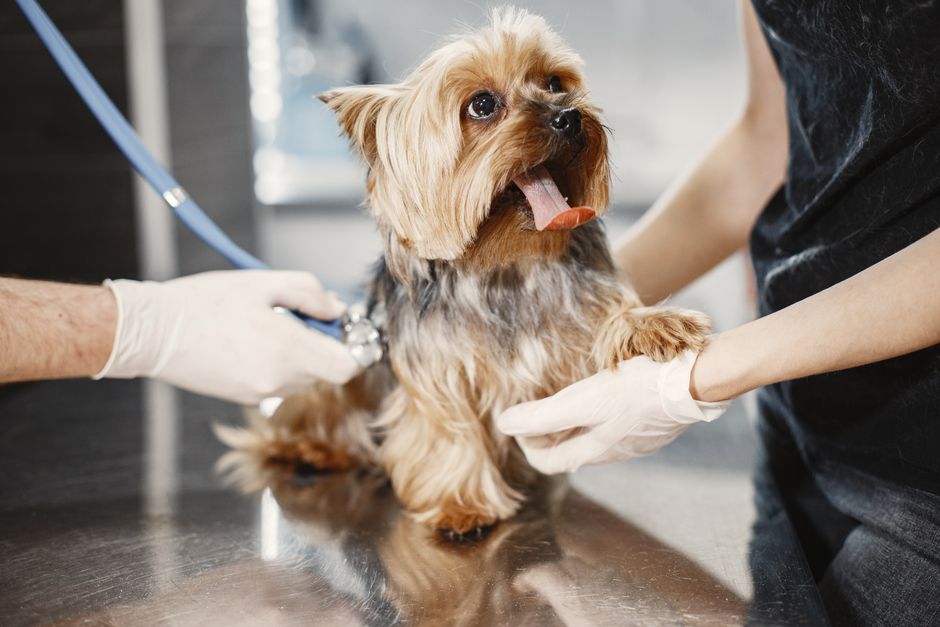
If your cat has potential exposure (recent outdoor access, raw poultry diet, contact with sick birds or poultry) and develops any respiratory or neurological signs, tell your vet that context immediately when you call. Don’t lead with “she seems a little off.” Lead with “she’s been eating raw chicken-based food and now she has a fever and won’t stand up right.” That information changes how the clinic prepares for your arrival.
The Human Risk Picture: What the CDC Data Actually Says
The Los Angeles case documented in the CDC’s May 2026 MMWR is worth reading carefully. The infected individual was a veterinary professional with no other identified H5N1 exposure. They remained asymptomatic. The transmission was detected only through serology, meaning a blood antibody test, not because anyone got sick. That’s actually important context: the confirmed human case count in this specific scenario is one, and the person didn’t develop clinical illness.
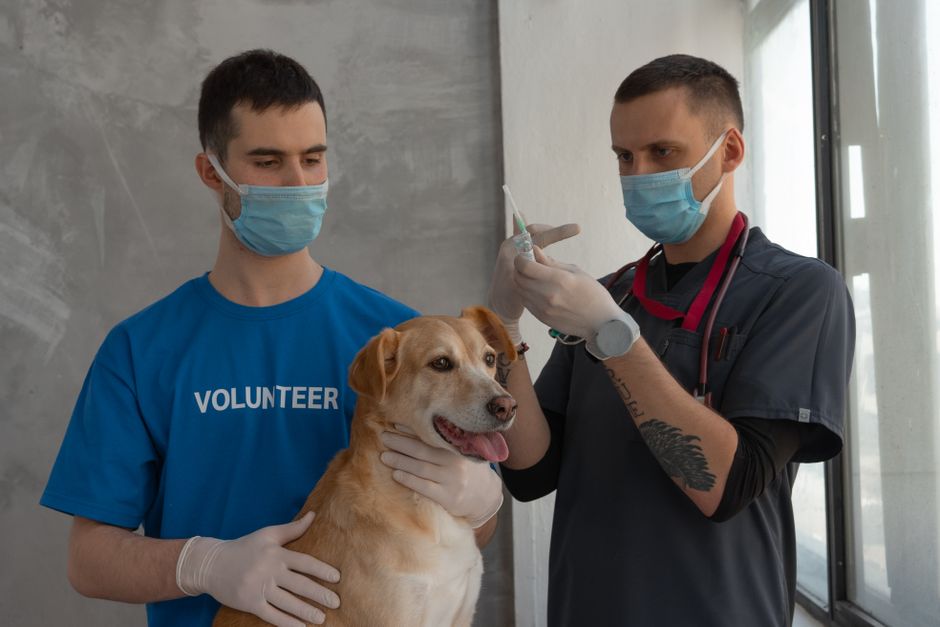
That does not mean the risk is trivial. It means we caught something through careful surveillance that would otherwise have been invisible. Asymptomatic transmission is harder to track, not safer to ignore. The AVMA and CDC are both recommending that anyone handling a cat suspected of H5N1 infection use appropriate PPE, including gloves, eye protection, and an N95 or equivalent respirator. This applies at home too, not just in clinical settings.
Dogs appear less susceptible to the current strain than cats, based on available data. That’s reassuring for multi-pet households but not a guarantee. The virus is still evolving.
Talking to Your Vet Without Wasting Anyone’s Time
Your vet is about to start seeing a lot of questions about H5N1. You can make that conversation more productive by coming in with specifics. Has your cat been outdoors in the last 30 days? Has it hunted birds or had contact with wild birds, waterfowl, or backyard poultry? Is it currently on a raw or freeze-dried raw diet, and if so, what brand? Has that brand appeared in any recent recalls?
If the answer to any of those is yes and your cat is symptomatic, say so up front. Clinics need to know before you walk in so they can set up appropriate isolation and PPE. Showing up and mentioning raw poultry exposure in the exam room after the tech has already handled your cat isn’t ideal for anyone.
If your cat is healthy right now, the proactive steps are straightforward: transition off raw poultry-based diets, keep the cat indoors if feasible, and check your brand against the FDA’s current recall database. Those three things cost you nothing except the habit change.
The cat-to-human transmission signal in that May 2026 CDC report is a line being crossed, not a line being approached. Treating it as background noise would be a mistake.
Sources
- CDC MMWR: Serologic Evidence of H5N1 Infection in Vet Professional Exposed to Infected Cat (May 7, 2026)
- dvm360: 2026 AVMA Convention Sessions , H5N1 in Cats Panel (July 13, 2026)
- AVMA: Avian Influenza A (H5N1) in Cats (Updated 2026)
- Vet Help Direct: How Much of a Risk Are Cats in Spreading Bird Flu? (June 29, 2026)
- ASPCA: Bird Flu and Cats , What You Need to Know (2026)
Photo: Gustavo Fring via Pexels
This article is for general informational purposes only and does not constitute veterinary advice. Pet health symptoms can have many causes and require professional evaluation. Always consult a licensed veterinarian for diagnosis and treatment specific to your pet.
Recommended Resources
Disclosure: As an Amazon Associate, we earn a small commission from qualifying purchases at no extra cost to you. We only recommend products that genuinely support the topics covered in this article.
- EVERLIT 95-Piece Vet-Approved Pet First Aid Kit (~$32), Vet-approved 95-piece kit for dogs and cats, covers cuts, burns, sprains, and emergencies until you can reach a vet.
- Nutramax Cosequin DS Joint Supplement for Dogs (132ct) (~$36), The #1 veterinarian-recommended joint supplement brand, clinically studied for reducing joint pain in dogs.