 Rachel Sanders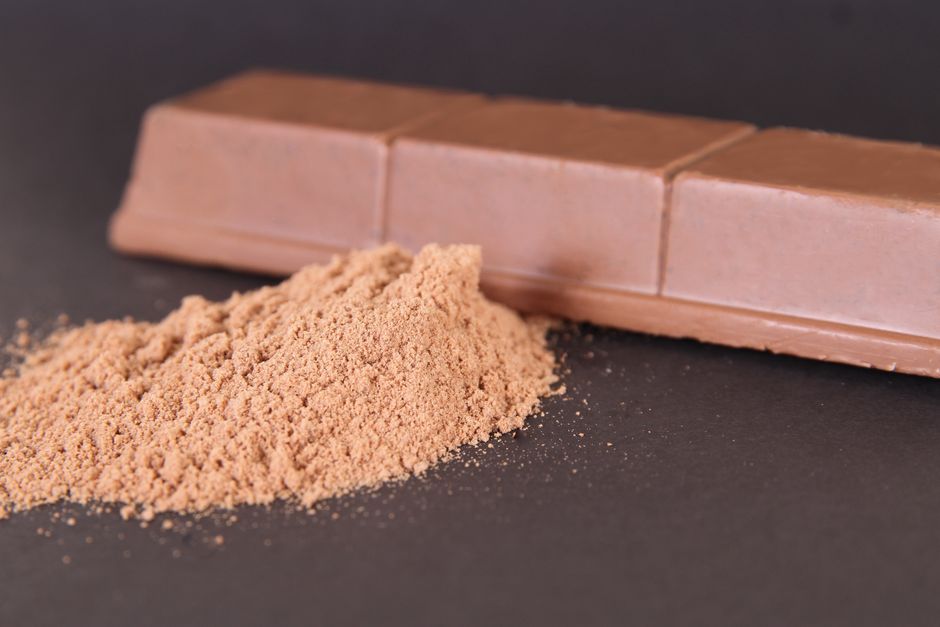
Every week, at least one dog owner in our clinic’s waiting room has the same look: phone in hand, Googling furiously, trying to figure out if what their dog just ate is going to kill them. Chocolate is the most common reason for that look. And most of what they’ve already read before arriving is either too vague to be useful (“even small amounts can be dangerous!”) or too dismissive (“a little bit won’t hurt”). Both miss the point.
The actual answer is dose-dependent, weight-dependent, and type-of-chocolate-dependent. Once you understand those three variables, you can make a real call instead of a panicked guess.
Why Not All Chocolate Is the Same Threat
This is where most articles fail. They treat “chocolate” as a single substance with a single danger level. It’s not. The toxic compound in chocolate is theobromine (with a smaller contribution from caffeine), and the concentration of theobromine varies wildly depending on the type.
Baker’s chocolate sits at the top of the danger scale, running roughly 390 mg of theobromine per ounce. Dark chocolate comes in around 150-160 mg per ounce. Milk chocolate is significantly lower, around 44-58 mg per ounce. White chocolate is negligible, barely 0.25 mg per ounce, so while it can cause GI upset from the fat and sugar, it’s not a true theobromine poisoning risk.
Cocoa powder is the one that surprises people. It runs between 400-737 mg per ounce, which means it can actually be more dangerous per ounce than baker’s chocolate. A dog that got into a half-cup of cocoa powder while someone was baking is in a very different situation than one who stole a milk chocolate Easter egg off the table.
The Numbers That Actually Matter
Helpful resource: Purina Pro Plan Veterinary Supplements FortiFlora Probiotic is a top-rated option for this. (As an Amazon Associate this site earns from qualifying purchases.)
Theobromine toxicity in dogs is measured in milligrams per kilogram of body weight. Here’s where it gets specific:
| Dose (mg/kg body weight) | Expected Effects |
|---|---|
| 20 mg/kg | Mild GI signs: vomiting, diarrhea, restlessness |
| 40-50 mg/kg | Moderate: muscle tremors, tachycardia, hyperexcitability |
| 60 mg/kg | Severe: seizures possible |
| 100+ mg/kg | Potentially lethal |
So a 10-pound (4.5 kg) dog would need to ingest roughly 180 mg of theobromine to hit that mild-toxicity threshold. That’s about 3.6 ounces of milk chocolate, or less than a quarter ounce of baker’s chocolate. A 70-pound Labrador is a different story entirely.
This is why “even a small amount can be dangerous” is simultaneously true and not useful. Small relative to what?
Three scenarios I’ve seen play out, with real math:
12-pound Shih Tzu eats one standard Hershey bar (1.55 oz, milk chocolate, roughly 70 mg theobromine total) → Dog is at about 15 mg/kg → Likely GI upset, maybe vomiting, no cardiac or neurological signs → Monitored at home, vomited once, recovered fine.
8-pound Chihuahua eats a single square of 85% dark chocolate (about 0.5 oz, approximately 77 mg theobromine) → That’s roughly 21 mg/kg → We’re at the low end of the mild toxicity zone → Called the ASPCA Poison Control Center, induced vomiting at home with vet guidance, watched for 12 hours.
45-pound mixed breed gets into a baking cabinet and eats 4 oz of cocoa powder (roughly 2,280 mg theobromine) → That’s over 112 mg/kg → Emergency visit immediately, IV fluids, activated charcoal, hospitalized overnight → Survived, but it was a serious case.
What to Do in the First 30 Minutes
Speed matters here. Theobromine is absorbed within 1-2 hours, so if you’re going to induce vomiting, earlier is dramatically more effective. After the chocolate has moved past the stomach, the window closes.
Step one: figure out the math. How much does your dog weigh? What type of chocolate? Roughly how much did they eat? If you have the packaging, check the cocoa percentage. A “70% dark chocolate bar” has very different math than a “milk chocolate coating.”
Step two: call someone who can help you run the numbers. The ASPCA Animal Poison Control Center (888-426-4435) charges a consultation fee currently around $95, but they’ll walk you through exactly whether your specific dog and specific dose warrants a trip. Your vet’s emergency line is free. Pet Poison Helpline is the other major option. Do not just Google a “chocolate toxicity calculator” and trust it without verifying against a real professional, because those tools vary in quality.
Step three: if the exposure was within the last hour and the dose is potentially significant, your vet may direct you to induce vomiting at home with 3% hydrogen peroxide. The standard dose is 1 ml per pound of body weight, max 45 ml total, given orally. I want to be honest: I’ve seen this work well and I’ve seen it fail. It’s not pleasant for the dog. It also shouldn’t be done if the dog is already showing neurological symptoms or is having trouble breathing. Do not use salt, ipecac syrup, or any other home remedy someone on Facebook suggested.
If you don’t reach anyone and you know the dose is in potentially dangerous territory, go to an emergency vet. Don’t wait.
Symptoms to Watch For
If the dose was borderline and you’re monitoring at home, you’re looking for vomiting, diarrhea, restlessness, and excessive thirst or urination in the first couple of hours. Those are the mild signs.
Things that mean you stop monitoring and start driving: muscle tremors, a racing heart you can feel when you put your hand on their chest, unusual agitation that doesn’t settle, seizures. The cardiac effects of theobromine are what make severe poisoning genuinely dangerous, and the American Veterinary Medical Association (AVMA) notes that severe cases require supportive care including cardiac monitoring that simply can’t be replicated at home.
One thing I didn’t fully appreciate early in my career: theobromine has a relatively long half-life in dogs, around 17-18 hours. That means symptoms can persist or worsen over a day even after the dog looks like they’ve stabilized. I’ve had owners call back the next morning confused because their dog seemed fine at bedtime and is now trembling. If there was a meaningful exposure, don’t declare victory after four hours.
Breeds and Individual Factors
Size is the biggest variable, but not the only one. Dogs with pre-existing heart conditions are at higher risk from theobromine’s cardiac effects even at lower doses. Older dogs and puppies metabolize things differently than healthy adult dogs. If your dog is on any medication that affects liver enzymes, that changes the equation too, which is genuinely one of those situations where talking to your vet beats any calculator.
Anyone who’s owned a Labrador or a Beagle knows these dogs will eat everything. Labs specifically have a known tendency toward dietary indiscretion (the polite phrase we use in the clinic), and it’s not a coincidence that they’re overrepresented in chocolate ingestion cases. Know your dog. If you have a counter-surfer, keeping chocolate in a closed cabinet rather than on the counter is not overprotective.
As of July 2026, the most reliable tool I’d point someone toward for a quick initial estimate is the Merck Veterinary Manual’s toxicology guidelines, cross-referenced with a call to poison control. Not a random website. Not Reddit.
Sources
- Merck Veterinary Manual, Theobromine Toxicity: Primary reference for theobromine mg/kg dose thresholds and expected clinical signs by dose level.
- ASPCA Animal Poison Control Center: Clinical guidance resource for real-time toxicity assessment; 888-426-4435.
- American Veterinary Medical Association (AVMA): Veterinary standards and guidance on toxic substance management in companion animals.
- Stidworthy MF, et al. “Chocolate poisoning in dogs.” Veterinary Record (1997): One of the earlier systematic reviews of clinical presentations and outcomes in confirmed chocolate ingestion cases.
- Pet Poison Helpline: Clinical toxicology service for veterinary professionals and pet owners; includes dose-specific risk assessment.
This article is for general informational purposes only and does not constitute veterinary advice. Pet health symptoms can have many causes and require professional evaluation. Always consult a licensed veterinarian for diagnosis and treatment specific to your pet.
Recommended Resources
Disclosure: As an Amazon Associate, we earn a small commission from qualifying purchases at no extra cost to you. We only recommend products that genuinely support the topics covered in this article.
- EVERLIT 95-Piece Vet-Approved Pet First Aid Kit (~$32), Vet-approved 95-piece kit for dogs and cats, covers cuts, burns, sprains, and emergencies until you can reach a vet.
- Nutramax Cosequin DS Joint Supplement for Dogs (132ct) (~$36), The #1 veterinarian-recommended joint supplement brand, clinically studied for reducing joint pain in dogs.