 James Whitfield
You budget carefully for your dog’s food, toys, and the occasional emergency. Then the reminder card arrives for the annual checkup and you realize you have no idea what it’s actually going to cost. You’ve heard numbers ranging from $50 to $400 for what people vaguely call a “routine visit,” and the spread is so wide it’s almost useless. Here’s what most coverage on this topic gets wrong: they throw out a national average, call it a day, and leave you no better equipped to predict your own bill. Let’s fix that.
What a “Routine Checkup” Actually Includes
The confusion about cost starts here. “Routine checkup” means different things at different clinics, and the base exam fee is just the starting point.
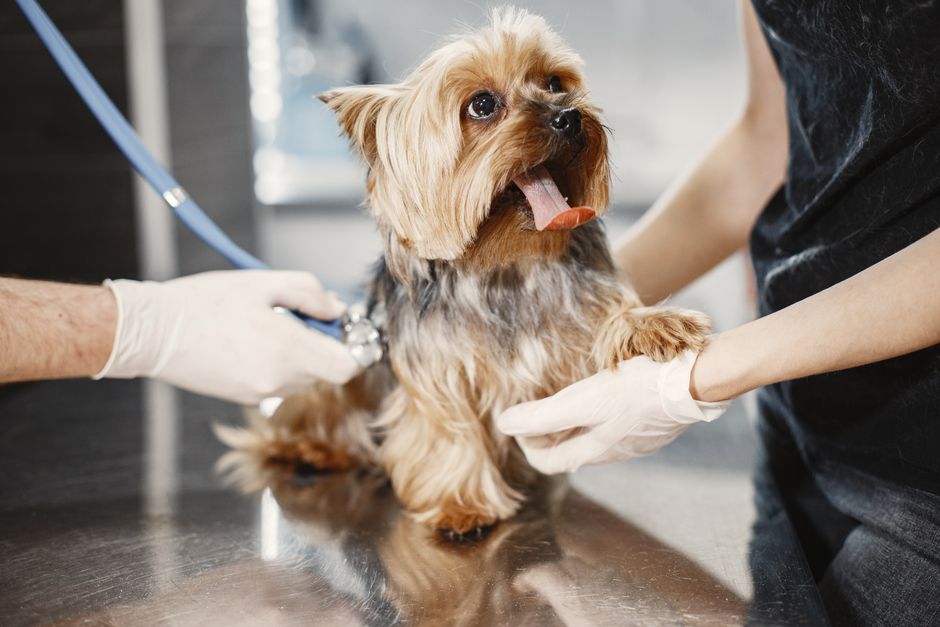
A standard annual wellness exam covers a physical nose-to-tail assessment: weight, temperature, heart and lung auscultation, lymph node palpation, ear and eye check, dental scoring, and skin condition. The vet is buying a few minutes of focused attention on your dog’s body. That base exam fee typically runs between $45 and $100 at most general practice clinics, though specialty hospitals and urban clinics in high cost-of-living areas regularly charge $75 to $150 for the exam alone.
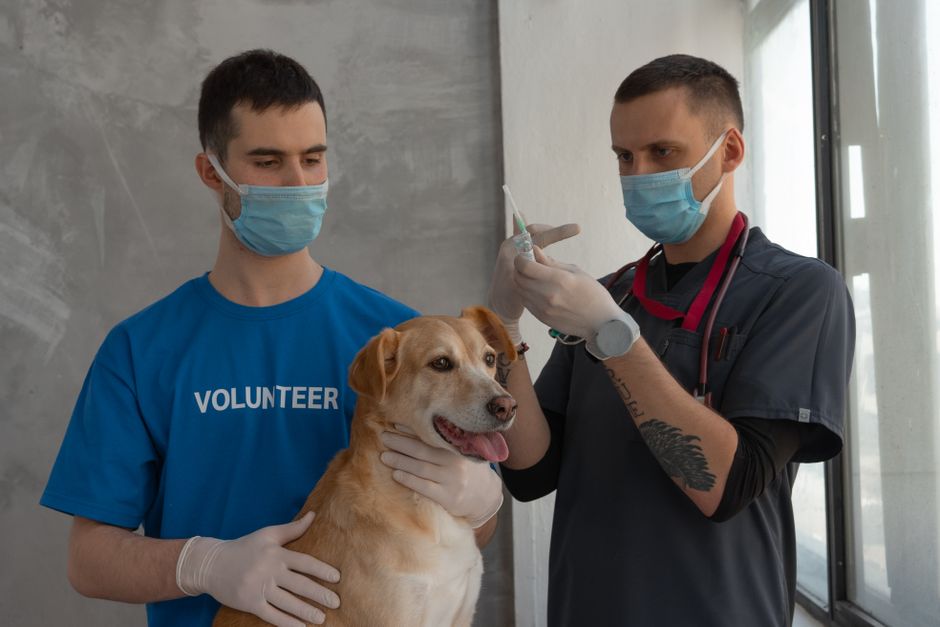
What inflates the bill is everything that gets added to that visit. Core vaccines (rabies, distemper-parvovirus combo, often called DA2PP or DHPP), a heartworm test, fecal parasite screening, and flea/tick prevention refills are all separate line items. A bordetella vaccine if your dog goes to boarding or dog parks. Leptospirosis if you’re in a high-risk area. If your vet recommends bloodwork, which many do starting at age 7 or so for early disease screening, add another $80 to $200 depending on the panel.
None of those additions are unnecessary. But you should know upfront that the $55 exam fee on the clinic’s website is not your total bill.
The Real Price Range, By Situation
| Dog Life Stage | Typical Annual Cost Range | Key Factors |
|---|---|---|
| Young adult (ages 2-6), healthy | $100-$250 | Annual physical, heartworm test, 1-2 vaccines |
| Puppy (under 1 year) | $300-$600 | Multiple visits, vaccine series, possible spay/neuter |
| Senior (age 7+) | $250-$450 | Wellness visit plus bloodwork, urinalysis, blood pressure screening |
| Chronic conditions | Varies widely | Not a routine visit; case-dependent |
Here’s a more honest breakdown of what you’re likely to spend, sorted by dog life stage.
Young adult dog (ages 2-6), healthy, vaccines current: If your dog is on schedule and just needs the annual physical and a heartworm test, you’re looking at roughly $100 to $200 total. Add one or two vaccines and you might hit $200 to $250.
Puppy (under 1 year): Puppy series visits are the most expensive period per year because they require multiple visits and several rounds of vaccines spaced weeks apart. Budget $300 to $600 across the full puppy series, including the final spay/neuter if you’re doing that. Each individual visit might be $100 to $200, but there are several of them.
Senior dog (age 7+): Most vets will recommend bloodwork, urinalysis, and possibly blood pressure screening at this stage. The wellness visit starts to look more like a mini-diagnostic workup. Total cost often lands between $250 and $450 annually, sometimes higher if early problems are found and need follow-up.
Dog with known chronic conditions: This isn’t really a “routine” visit anymore. Costs vary too widely to generalize.
Geography matters more than people realize. A wellness exam in rural Kansas costs less than the same exam in Seattle or Boston, not because the care is inferior but because overhead, rent, and regional wage costs differ. I’ve seen clients move from a small town to a major metro and double their annual vet spend without changing anything about their dog’s health.
What Drives the Cost Up (and What You Can Control)
Some line items are genuinely non-negotiable. Rabies vaccination is legally required in most U.S. states. Heartworm testing is necessary if you’re buying prevention. Fecal exams matter because some intestinal parasites are zoonotic, meaning they can infect your family.
Other items are worth a conversation, not a rubber stamp.
Vaccines: Ask your vet which vaccines are “core” for your dog’s lifestyle versus which are lifestyle-dependent. A dog who never boards, never visits dog parks, and lives in a low-risk area may not need bordetella every year. AAHA (American Animal Hospital Association) guidelines support triennial vaccination for some core vaccines after the initial series. Ask explicitly: “Which of these does my dog actually need this year based on their lifestyle?”
Bloodwork: For dogs under 7 with no symptoms and no risk factors, baseline bloodwork is valuable but not always urgent. If cost is a barrier, ask whether it can be deferred until the next visit. A reasonable vet won’t be offended by this question.
Flea and tick prevention: You will almost certainly be offered a product at the visit. The clinic markup is real. Products like NexGard, Simparica, or Bravecto are often 15 to 30% cheaper through reputable online pharmacies with a valid prescription. Check with your vet first before purchasing elsewhere to confirm the product is appropriate for your dog’s weight and health status.
Having a well-stocked pet first aid kit at home also means fewer urgent or after-hours calls, which is where vet costs escalate fast. A solid pet first aid kit (affiliate link; this site may earn a commission) won’t replace a vet, but it handles the 2 a.m. minor cuts and splinter moments that otherwise become expensive panic calls.
Step-by-Step: How to Prepare for the Visit and Manage the Bill
Doing a little work before you walk in can save real money and improve the quality of the visit.
Call ahead and ask for an itemized estimate. Most clinics will give you a verbal estimate of what a standard wellness visit includes and what vaccines are due based on your dog’s records. You won’t get an exact number, but you’ll get a range.
Bring records. If you’ve switched vets or adopted recently, bring whatever vaccine history you have. Missing records mean re-vaccinating, which means extra cost and unnecessary doses.
Write down your questions before you go. Vet appointments move fast. A written list ensures you don’t forget to ask about the limp you noticed twice last month or the new lump near the shoulder.
Ask for the “estimate before treatment” conversation. Before any add-on is performed, you’re entitled to know the cost. A good clinic will present options and prices before proceeding, not after.
Ask about payment options. CareCredit and Scratchpay are both widely accepted. Some clinics offer in-house wellness plans that bundle the annual visit and routine care into a monthly payment. These can be good deals, but read the fine print on what happens if you cancel mid-year or switch vets.
Consider pet insurance before you need it. Wellness add-ons to pet insurance plans can offset routine care costs, though they rarely save you money outright. Accident and illness coverage is where pet insurance earns its keep.
Low-Cost Options That Are Actually Worth Considering
Not everyone can absorb a $250 vet bill without planning. There are legitimate options that don’t mean compromising your dog’s care.
Veterinary schools: Teaching hospitals affiliated with vet schools offer exams and procedures at reduced rates. Appointments take longer because students are involved, but faculty supervise everything. Care quality is often excellent. The ASPCA maintains resources to help locate low-cost veterinary care, and the ASPCA’s Animal Poison Control Center also offers guidance on non-emergency situations while you’re navigating cost questions.
Low-cost vaccine clinics: Large retailers like PetSmart and Petco host vaccine clinics through partnerships with companies like Vetco or ShotVet. These are legitimately useful for keeping vaccines current at lower cost. They’re not a substitute for a full physical exam by a veterinarian who knows your dog, but they’re better than letting vaccines lapse because you can’t afford a full clinic visit right now.
Humane societies and rescue organizations: Many run low-cost or subsidized wellness clinics, particularly for community members facing financial hardship. It’s worth a call.
The clients who end up with the highest vet bills long-term are the ones who deferred routine care for too long. Catching a dental disease at stage 2 costs far less than treating it at stage 4. A $180 annual visit that catches a heart murmur early is not the same as a $2,000 workup two years later.
The goal isn’t to spend as little as possible on your dog’s health. It’s to spend wisely, understand what you’re paying for, and not get blindsided by a bill that was entirely predictable. A little preparation before the visit, a willingness to ask direct questions about cost and priority, and a basic understanding of what “routine” actually includes puts you in control of the conversation. Your vet wants to help your dog. Your job is to make sure you can afford to keep showing up.
Sources
- Check with your vet first before purchasing elsewhere
- A solid pet first aid kit
- ASPCA’s Animal Poison Control Center
- EVERLIT 95-Piece Vet-Approved Pet First Aid Kit
- Nutramax Cosequin DS Joint Supplement for Dogs (132ct)
Disclosure: As an Amazon Associate, we earn a small commission from qualifying purchases at no extra cost to you. We only recommend products that genuinely support the topics covered in this article.
- EVERLIT 95-Piece Vet-Approved Pet First Aid Kit (~$32), Vet-approved 95-piece kit for dogs and cats, covers cuts, burns, sprains, and emergencies until you can reach a vet.
- Nutramax Cosequin DS Joint Supplement for Dogs (132ct) (~$36), The #1 veterinarian-recommended joint supplement brand, clinically studied for reducing joint pain in dogs.
- Thundershirt Classic Dog Anxiety Jacket, top-rated option for anxiety relief during vet visits and travel.
Photo: Mikhail Nilov via Pexels
This article is for general informational purposes only and does not constitute veterinary advice. Pet health symptoms can have many causes and require professional evaluation. Always consult a licensed veterinarian for diagnosis and treatment specific to your pet.
Recommended Resources
Disclosure: As an Amazon Associate, we earn a small commission from qualifying purchases at no extra cost to you. We only recommend products that genuinely support the topics covered in this article.
- EVERLIT 95-Piece Vet-Approved Pet First Aid Kit (~$32), Vet-approved 95-piece kit for dogs and cats, covers cuts, burns, sprains, and emergencies until you can reach a vet.
- Nutramax Cosequin DS Joint Supplement for Dogs (132ct) (~$36), The #1 veterinarian-recommended joint supplement brand, clinically studied for reducing joint pain in dogs.