 Karen Lopez
Most dog owners wait until something’s obviously wrong to call the vet. Here’s a fact that should change that thinking: dogs can lose 75% of their kidney function without showing a single symptom. By the time your dog seems off, the disease has often been quietly progressing for months or years. Routine wellness visits aren’t just about vaccines and a quick heart listen. They’re your best shot at catching the invisible stuff early, when you actually have treatment options.
The General Schedule: What Most Dogs Actually Need
| Life Stage | Frequency | Key Focus |
|---|---|---|
| Puppies (birth to 1 year) | Every 3-4 weeks until 16 weeks, then at 6 months and 1 year | Vaccines, deworming, spay/neuter consultation, baseline establishment |
| Adult dogs (1-7 years) | Once a year minimum | Physical exam, core vaccines, heartworm testing, fecal screening |
| Senior dogs (7+ years) | Twice a year | Physical exam, bloodwork panels (kidney, liver, thyroid monitoring) |
The honest answer? Visit frequency isn’t one-size-fits-all. It depends on age, breed, health history, and what your dog actually does. But here’s a framework that works for most dogs:
Puppies (birth to 1 year): Every 3 to 4 weeks from about 6 weeks until 16 weeks for vaccines and deworming. Then a visit around 6 months for spay or neuter consultation, and a full exam at 1 year. That’s 4 to 6 vet visits in year one alone. I know that sounds excessive, but the first year is when you establish a baseline, catch developmental issues early, and figure out what parasite prevention actually makes sense for your dog’s situation.
Adult dogs (1 to 7 years, roughly): Once a year minimum. This means a physical exam, core vaccines on the right schedule (not everything is annual), heartworm testing, and fecal screening. Some vets recommend bloodwork starting at age 3 or 4 if you have a breed prone to specific problems. Dobermans and dilated cardiomyopathy. Cavalier King Charles Spaniels and heart disease.
Senior dogs (7 and older, though giant breeds age faster): Twice a year. Most pet owners push back on this one, but the math is real. A dog ages 5 to 7 times faster than a human, which means a lot changes in 12 months. Twice-yearly visits with senior bloodwork panels let your vet track kidney values, liver enzymes, and thyroid function over time instead of just taking a single snapshot.
Why Annual Isn’t Always Enough (And When It Is)
Helpful resource: Rayco First Aid Kit for Dogs and Cats is a top-rated option for this. (As an Amazon Associate this site earns from qualifying purchases.)
Annual visits work fine for healthy adult dogs with no chronic conditions. Your 4-year-old mixed breed eating well, maintaining weight, exercising normally, and not on medications? Yearly visits are genuinely appropriate.
But it changes fast. Dogs with diabetes, Cushing’s disease, chronic allergies, epilepsy, or joint problems often need visits every 3 to 6 months, sometimes more depending on how controlled their condition is. It’s not about the vet wanting more appointments. It’s about safety. A dog on phenobarbital for seizures needs regular liver enzyme monitoring because the drug damages the liver at higher doses. Miss that window and you’re looking at serious organ damage.
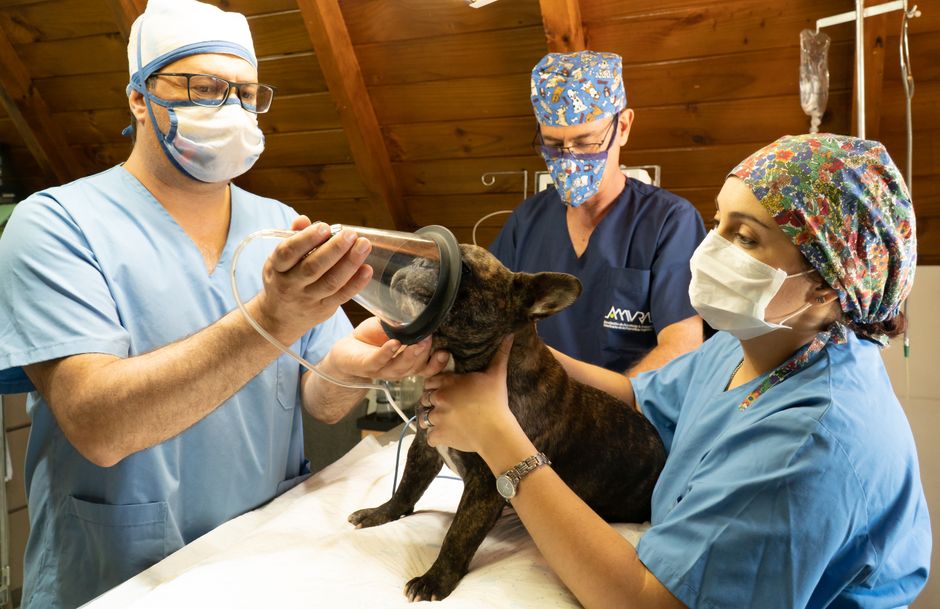
Breed matters too. French Bulldogs and Bulldogs have higher rates of respiratory and orthopedic issues. Large and giant breeds are more prone to bloat and joint problems. Your vet should factor breed risk into how often they want to see your dog. If they’re not, it’s worth asking directly.
Vaccines: Understanding What’s Actually Due and When
Vaccine schedules confuse a lot of dog owners because not everything is due every year. Understanding core versus non-core vaccines lets you have a smarter conversation with your vet.
Core vaccines (recommended for all dogs, per the American Veterinary Medical Association (AVMA)):
- Rabies: Required by law in most states. Given at 12 to 16 weeks, then at 1 year, then either annually or every 3 years depending on your state’s law and the specific vaccine used.
- Distemper/Parvovirus/Adenovirus combo (DHPP or DA2PP): Puppy series, booster at 1 year, then every 3 years for adult dogs after that. Not annual.
Non-core vaccines are based on lifestyle risk:
- Bordetella (kennel cough): If your dog does daycare, boarding, dog parks, or training classes. Often annual or every 6 months depending on the facility.
- Leptospirosis: Recommended in areas with wildlife or standing water. Annual.
- Lyme: Recommended in tick-endemic areas. Annual after the initial two-dose series.
- Canine Influenza: For dogs with high social exposure. Annual.
The goal isn’t to over-vaccinate. It’s to vaccinate based on actual risk. Your vet can also use titer testing to check immunity levels for some vaccines if you want more precision.
A Practical Guide: How to Track Your Dog’s Vet Schedule
Here’s a simple system I give to clients who want to stay organized. It’s straightforward but makes a real difference in not missing things.
Step 1: Start a pet health folder. Physical or digital. Keep every vet record, vaccine certificate, and lab result in one place. You’ll need this if you board your dog, move, or switch vets.
Step 2: Map out the year in January. Look at when vaccines are due, when heartworm and flea prevention need renewing, and whether your dog is due for a dental cleaning. Dental disease affects over 80% of dogs over age 3, and most owners don’t notice until there’s obvious tartar or bad breath. Supporting dental health at home with vet-recommended dental chews (site may earn a commission) is a useful habit between professional cleanings.
Step 3: Know your dog’s “baseline normal.” Before you call the vet, you need to know what’s normal for your specific dog. What’s their resting respiratory rate? Count breaths for 15 seconds and multiply by 4. Healthy adult dogs breathe 15 to 30 times per minute at rest. What do they normally eat in a day? What’s their typical energy level on a walk? These baselines help you notice changes early.
Step 4: Prepare for the appointment. Write down any changes you’ve noticed recently. Appetite, water intake, bathroom habits, sleep patterns, limping, scratching. Vets have limited time, and showing up with specific observations gets you much more out of the visit.
Step 5: Ask what’s next before you leave. Make sure you know when the next visit should be, what to watch for at home, and whether any follow-up tests are pending. AAHA-accredited hospitals often have structured wellness protocols with clear follow-up guidance. It’s worth asking if your clinic follows AAHA hospital accreditation standards to understand their level of care.
The “Can This Wait?” Decision Guide
I hear this question constantly: “I noticed something, but is it vet-worthy?” Here’s how to think it through.
| Symptom or Situation | What to Do |
|---|---|
| Vomiting once, ate normally after, acting fine | Monitor at home for 24 hours |
| Vomiting 3+ times in a day, or blood in vomit | Call your vet today |
| Soft stool one time, normal energy | Monitor |
| Bloody diarrhea or severe lethargy with diarrhea | Emergency vet now |
| Limping after exercise, no swelling, bearing weight | Rest for 24 hours, then call if not improved |
| Non-weight-bearing limp, swelling, obvious pain | Same-day vet visit |
| Increased thirst and urination over several days | Schedule within the week |
| Not eating for 24 hours (adult dog) | Call vet if it continues to day 2 |
| Not eating for 12 hours (puppy under 6 months) | Call vet today |
| Distended belly + unproductive retching | Emergency vet immediately, possible bloat |
| Eye discharge, squinting | Same-day if possible |
| Seizure lasting more than 5 minutes | Emergency vet now |
This isn’t a replacement for vet assessment. It’s a triage tool. When you’re unsure, call your vet’s office. Most clinics have staff who can help you decide over the phone whether to come in.
What About Cost and Practical Barriers?
Vet care isn’t cheap, and access isn’t equal for everyone. That’s a conversation worth having. But skipping routine visits to save money often costs more when a condition gets caught late. That’s not a guilt trip. It’s how disease works.
There are some practical options to know about:
Pet insurance: Most useful when you buy it while the dog is young and healthy, before conditions become “pre-existing.” Worth researching if you have a puppy or newly adopted adult dog.
Wellness plans: Many clinics offer in-house plans that bundle exams, vaccines, and basic labs at a monthly cost. Not insurance, but helpful for budgeting predictable costs.
Veterinary schools: Teaching hospitals affiliated with vet schools often offer lower-cost services. Licensed vets supervise the students, and they’re monitored closely. It’s a real option.
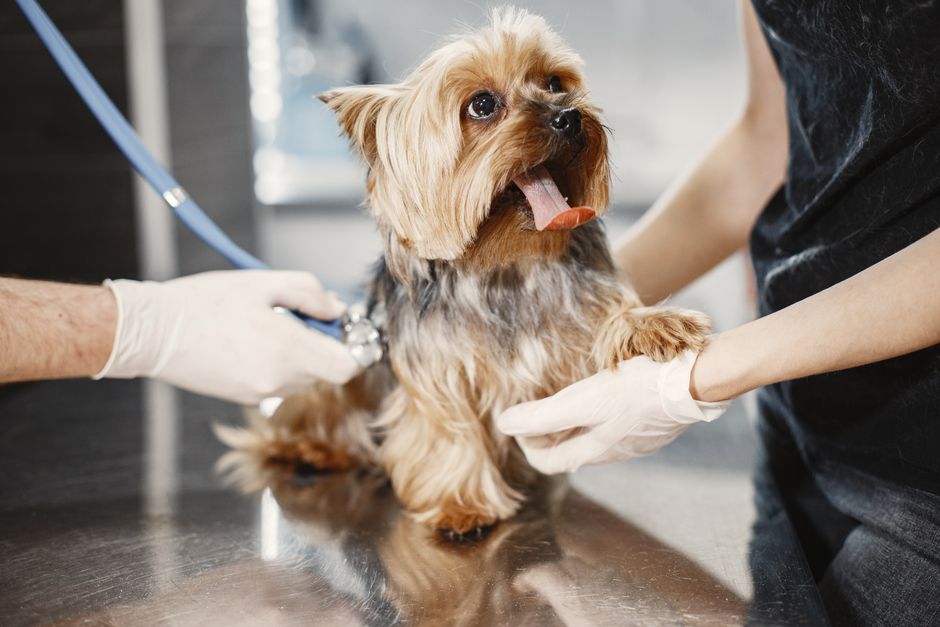
Prioritize the annual exam even if you skip add-ons. If money is tight, the physical exam itself is the most valuable part of a wellness visit. A good vet can catch a lot with their hands, eyes, and stethoscope before any bloodwork happens.
For older dogs showing joint stiffness, supporting them at home with vet-approved joint supplements (site may earn a commission) can help between visits. Always confirm with your vet before starting supplements, especially if your dog takes other medications.
The relationship between you, your dog, and your vet works best when it’s consistent and proactive. You know your dog better than anyone else. Your vet has the training to interpret what you’re seeing. Those two things together are genuinely powerful for keeping your dog healthy as long as possible. Don’t wait for something to go wrong.
This article is for general informational purposes only and does not constitute veterinary advice. Pet health symptoms can have many causes and require professional evaluation. Always consult a licensed veterinarian for diagnosis and treatment specific to your pet.
Sources
- Rayco First Aid Kit for Dogs and Cats
- American Veterinary Medical Association (AVMA)
- dental chews
- AAHA hospital accreditation standards
- joint supplements
Disclosure: As an Amazon Associate, we earn a small commission from qualifying purchases at no extra cost to you. We only recommend products that genuinely support the topics covered in this article.
- EVERLIT 95-Piece Vet-Approved Pet First Aid Kit (~$32), Vet-approved 95-piece kit for dogs and cats, covers cuts, burns, sprains, and emergencies until you can reach a vet.
- Nutramax Cosequin DS Joint Supplement for Dogs (132ct) (~$36), The #1 veterinarian-recommended joint supplement brand, clinically studied for reducing joint pain in dogs.
- Certified Pet First Aid Kit with Guide Book (~$22), Certified pet first aid kit with step-by-step instructions, an essential item for every pet owner.
Recommended Resources
Disclosure: As an Amazon Associate, we earn a small commission from qualifying purchases at no extra cost to you. We only recommend products that genuinely support the topics covered in this article.
- EVERLIT 95-Piece Vet-Approved Pet First Aid Kit (~$32), Vet-approved 95-piece kit for dogs and cats, covers cuts, burns, sprains, and emergencies until you can reach a vet.
- Nutramax Cosequin DS Joint Supplement for Dogs (132ct) (~$36), The #1 veterinarian-recommended joint supplement brand, clinically studied for reducing joint pain in dogs.
- Certified Pet First Aid Kit with Guide Book (~$22), Certified pet first aid kit with step-by-step instructions, an essential item for every pet owner.