 James Whitfield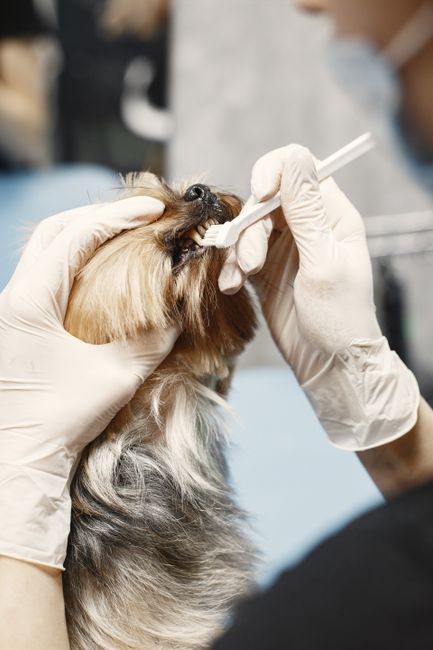
Most dogs don’t love having a toothbrush shoved in their mouth. You already knew that, or you wouldn’t be here. Maybe your dog snaps and backs away the second they see the brush. Maybe you’ve tried twice, given up, and felt guilty about it ever since. That guilt is real, and it’s also completely unnecessary, let’s just fix this instead.
Thirteen years of prepping animals for procedures has taught me one thing: the dogs who seem impossible to brush have almost always just been rushed. The process matters more than the product. A lot more.
Why Most Attempts Fail (And It’s Not Your Dog’s Fault)
Here’s what I tell people when they come in embarrassed that their dog won’t cooperate: you probably tried to brush too soon. Like, within the first week of trying. Dogs need a desensitization period before a brush ever goes in their mouth, and most people skip it entirely because the packaging makes it look simple.
The other big mistake is using human toothpaste or unflavored dog toothpaste. Dogs don’t spit, which means fluoride is genuinely dangerous for them, the ASPCA Poison Control Center lists it as a toxin, but beyond safety, flavor is your biggest recruitment tool here. Enzymatic toothpastes like Virbac C.E.T. in poultry or vanilla mint are popular because dogs actually like them. Think of the toothpaste as the bribe that makes the whole thing work.
And honestly? The brush shape matters too. A standard toothbrush is awkward for a lot of dogs. Finger brushes (the soft silicone kind that fit over your index finger) work better for dogs in early training. Less threatening. More control. The Vet’s Best Finger Toothbrush costs about $8. (This site may earn a commission on purchases.)
The Actual Desensitization Process
This is where most guides breeze past the details. I won’t.
Spread this over two to three weeks minimum. Rushing it is the single most common reason dogs never get comfortable.
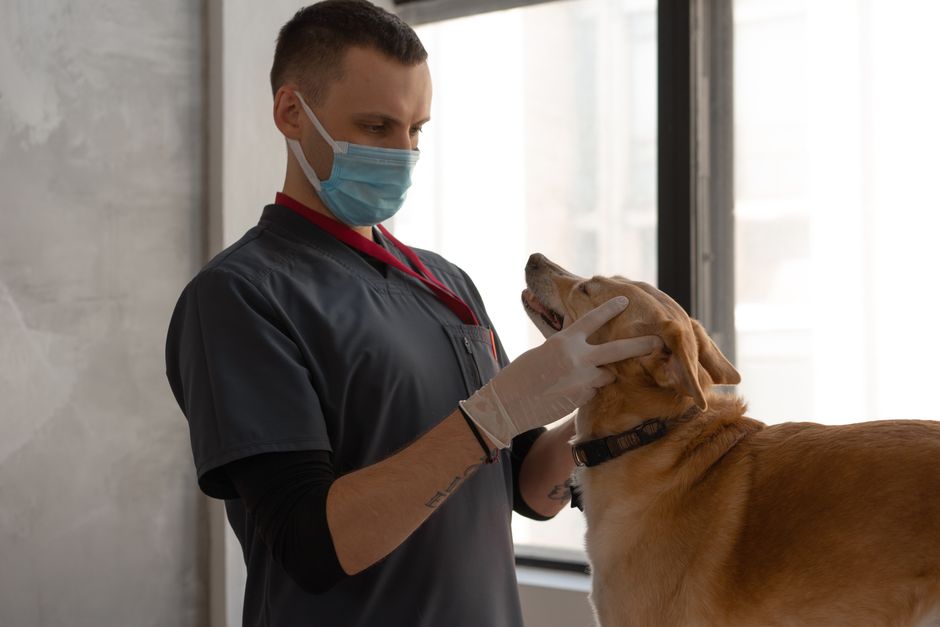
Week one is just about getting your dog used to your hands near their mouth. Not opening it, not brushing. Just touching. While your dog is calm (not post-zoomies, not right before dinner), sit on the floor with them if you can. Gently run a finger along their lips. Stop. Give a treat. That’s 30 to 60 seconds, twice a day. If they walk away, you went too fast. Back up.
Week two, you start lifting the lip and touching the teeth briefly with your finger. Still no brush. Let them sniff and lick the toothpaste off your finger first. The goal right now is: toothpaste equals good thing. Same short sessions, same calm energy.
Week three, introduce the brush. Let them sniff it, lick the toothpaste off the bristles. Don’t put it in their mouth yet. Let them see it as a treat-delivery device. Then, for the last few days of the week, gently touch the brush to the front teeth for one or two seconds. Stop. Treat. Done.
By week four, you’re brushing. Start with ten seconds on the upper front teeth. Build from there.
I know this sounds agonizingly slow. It works. The dogs I’ve seen owners fail with consistently are the ones who tried to get to a full mouth brush in day three.
What to Do If Your Dog Is Still Having None of It
| Product | Type | Cost | VOHC Approved | Notes |
|---|---|---|---|---|
| Vet’s Best Finger Toothbrush | Soft silicone finger brush | ~$8 | No | Recommended for early training; less threatening than standard brush |
| Virbac C.E.T. Enzymatic Toothpaste | Dog toothpaste (poultry/vanilla mint) | Included with brush or separate | Yes | Flavored; dogs tolerate better than unflavored |
| Virbac C.E.T. Dental Chews | Enzymatic chew supplement | Varies | Yes | Tested and approved by Veterinary Oral Health Council |
| Greenies Dental Chews | Enzymatic chew supplement | $20-$30/month | Yes | Size-dependent pricing; tested and approved by Veterinary Oral Health Council |
Some dogs are genuinely reactive about their mouths. Maybe there’s dental pain you don’t know about yet. Worth a vet visit before you keep trying, because brushing an already painful mouth creates a lasting aversion. The AVMA estimates that over 80% of dogs show signs of dental disease by age three, so if your dog is 5 or older and has never had a dental cleaning, pain could genuinely be part of this picture.
If they’ve been cleared for dental issues and they’re still resistant, try changing the location and position. Some dogs do better standing. Some do better if you approach from the side rather than facing them straight on. Direct eye contact plus someone coming at their face is a lot to process. Try crouching beside them, lifting the lip from the side, and brushing in light circular strokes on the outer surface of the upper teeth. You don’t need to get the inside surfaces. That’s where the tongue naturally does some mechanical cleaning anyway.
For truly resistant dogs, enzymatic dental chews can do real work as a supplement, not a replacement. Virbac C.E.T. chews and Greenies are both VOHC-approved (Veterinary Oral Health Council), which means they’ve actually been tested. Greenies are easy to find on Amazon and run about $20 to $30 for a month’s supply depending on your dog’s size. (This site may earn a commission.) They won’t replace brushing, but they’re real help for dogs where daily brushing just isn’t happening yet.
Two weeks from now? You can realistically have a dog who tolerates a brief brush on the front teeth. That’s a win. The mouth is one of the most overlooked parts of a dog’s health, and the fact that you’re figuring this out now puts you ahead of owners who only learn about it the hard way, sitting across from a vet and hearing that their dog needs a $1,500 dental extraction.
You’ve got this. Just go slower than you think you need to.
This article is for general informational purposes only and does not constitute veterinary advice. Pet health symptoms can have many causes and require professional evaluation. Always consult a licensed veterinarian for diagnosis and treatment specific to your pet.
Sources
- ASPCA Poison Control Center
- Vet’s Best Finger Toothbrush
- AVMA
- Greenies are easy to find on Amazon
- Catit Flower Fountain, Cat Water Fountain
Disclosure: As an Amazon Associate, we earn a small commission from qualifying purchases at no extra cost to you. We only recommend products that genuinely support the topics covered in this article.
- EVERLIT 95-Piece Vet-Approved Pet First Aid Kit (~$32), Vet-approved 95-piece kit for dogs and cats, covers cuts, burns, sprains, and emergencies until you can reach a vet.
- Nutramax Cosequin DS Joint Supplement for Dogs (132ct) (~$36), The #1 veterinarian-recommended joint supplement brand, clinically studied for reducing joint pain in dogs.
Recommended Resources
Disclosure: As an Amazon Associate, we earn a small commission from qualifying purchases at no extra cost to you. We only recommend products that genuinely support the topics covered in this article.
- EVERLIT 95-Piece Vet-Approved Pet First Aid Kit (~$32), Vet-approved 95-piece kit for dogs and cats, covers cuts, burns, sprains, and emergencies until you can reach a vet.
- Nutramax Cosequin DS Joint Supplement for Dogs (132ct) (~$36), The #1 veterinarian-recommended joint supplement brand, clinically studied for reducing joint pain in dogs.
- Purina Pro Plan FortiFlora Probiotic for Dogs (30ct) (~$32), The #1 vet-recommended probiotic for dogs, prescribed to manage diarrhea, vomiting, and intestinal upset.