 Rachel Sanders
The first time I gave a cat an insulin injection, my hands were shaking more than the cat’s. That was early in my career, and the owner standing across the exam table looked like she was going to pass out. I told her what I tell every cat owner leaving our clinic with a new diabetes diagnosis: this is genuinely manageable. It takes about two weeks to feel comfortable and about two months to feel confident. Neither of us believed me that day. By week three, she was texting me that her cat, a tubby orange tabby named Gerald, was “basically a pro.”
Feline diabetes is one of those diagnoses that sounds catastrophic but, with the right information and a consistent routine, becomes part of your normal life faster than you’d expect. The challenge is that most people get sent home with a vial of insulin, a box of syringes, and a handout that reads like it was written by a committee. So let me actually walk you through this.
What’s Actually Happening in Your Cat’s Body
Most diabetic cats have Type 2 diabetes, which is different from how many people picture the disease. Their pancreas still produces some insulin, but the cells have stopped responding to it properly. Obesity is the biggest risk factor, which is why overweight male cats over eight years old are so overrepresented in my exam rooms. The good news: feline diabetes can sometimes go into remission, especially if caught early and managed well. I’ve personally seen it happen with cats whose blood glucose was brought under tight control within the first few months. It’s not a guarantee, but it’s a real possibility, and that changes how motivated owners feel about doing this carefully.
Insulin Types: This Is Where People Get Confused
| Insulin Type | Common Brand Names | Syringe Match | Use in Cats | Notes |
|---|---|---|---|---|
| Glargine | Lantus, Basaglar | U-100 | Gold standard | Supports tight glucose control and remission in newly diagnosed cats |
| PZI | ProZinc | U-40 | Common alternative | Different metabolism; do not substitute without veterinary guidance |
Helpful resource: Arm & Hammer Dog Dental Spray, No Brush Needed is a top-rated option for this. (As an Amazon Associate this site earns from qualifying purchases.)
Not all insulins are the same, and the type your vet prescribes matters more than most owners realize. The two most commonly used in cats right now are glargine (Lantus or Basaglar) and PZI (ProZinc). As of July 2026, glargine is still the gold standard at most feline specialty practices, largely because research supports its ability to achieve tighter glucose control and even remission in newly diagnosed cats.
Here’s what I wish someone had told me to tell owners earlier in my career: do not substitute insulin types without talking to your vet. I made the mistake once of not emphasizing this strongly enough, and an owner switched from ProZinc to an over-the-counter human NPH insulin because it was cheaper. Her cat crashed. NPH metabolizes differently in cats and the dosing doesn’t translate directly. PetMD’s veterinary resource library has a good breakdown of insulin types if you want to read more on the pharmacology.
Starting doses are almost always conservative, typically 0.25 to 0.5 units per injection twice daily, adjusted based on glucose curves. Your vet is not being timid, they’re being smart. Insulin overdose causes hypoglycemia, which is a genuine emergency. Gradual titration protects your cat.
The Actual Injection Process
Two injections a day, twelve hours apart, given with food. That’s the framework. Here’s the reality of executing it:
Buy the right syringes. For most cat insulin concentrations (U-100 for glargine, U-40 for ProZinc), you need matched syringes or your dose is wrong. U-40 insulin in a U-100 syringe means your cat is getting 2.5 times less insulin than you think. Your vet should specify this, but double-check.
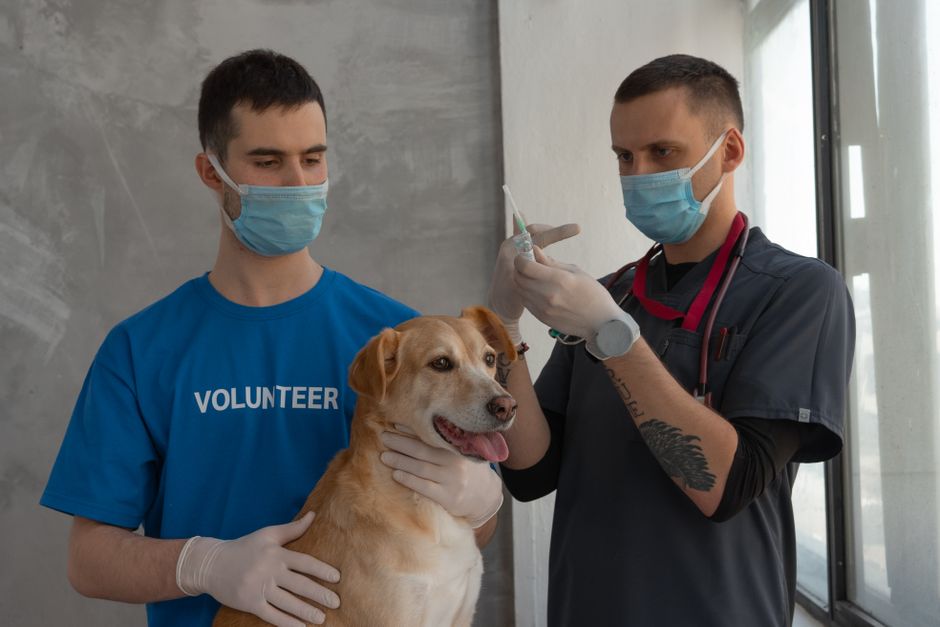
The injection itself goes in the scruff of the neck or along the back, subcutaneously (under the skin, not into muscle). Tent the skin, insert at a shallow angle, pull back slightly on the plunger to confirm you’re not in a blood vessel, inject, done. The needle on insulin syringes is tiny. Most cats barely flinch.
Give the injection right before or during the meal so your cat eats. If your cat refuses to eat that morning and you’ve already given insulin, call your vet immediately. A cat that doesn’t eat after insulin can go hypoglycemic.
A worked example from clinic experience: Owner administering 1 unit of glargine twice daily to a 12-pound cat → Cat skipped breakfast on day 9 → Owner caught it, withheld second dose, called us, brought cat in → Blood glucose was 78 mg/dL, borderline low but no crisis → We adjusted the protocol and the owner learned to always prep the food before drawing up the insulin.
Monitoring at Home: The Piece Most People Skip
This is where I’ll say something that might surprise you: home glucose monitoring is not optional if you want to actually manage this disease well. It feels overwhelming at first, but the AlphaTrak 3 glucometer (made specifically for cats and dogs, runs about $30 to $40 for the meter and around $35 for strips, as of this year) is what most veterinary professionals recommend. The ear pinna or the callus pad of the paw are the typical blood draw spots for cats.
A glucose curve means checking blood sugar every two hours for 12 hours on an injection day. You don’t have to do this every week, but doing it monthly or after any dose change tells you how well the insulin is actually working. Your vet will want these numbers.
What you’re looking for: glucose spending most of the day between roughly 100 and 300 mg/dL, with a nadir (the lowest point, usually 6 to 8 hours post-injection) not dropping below 80 mg/dL. Below 60 mg/dL is a hypoglycemic emergency. If your cat is wobbly, glassy-eyed, seizuring, or unresponsive, rub corn syrup or Karo syrup on their gums immediately and get to an emergency vet.
The ASPCA Poison Control Center has a toxin helpline, but for a hypoglycemic crisis, your nearest 24-hour emergency vet is your resource.
Another worked example: Owner using AlphaTrak 3 at home, doing biweekly glucose checks → Caught nadir of 68 mg/dL on 2 units of ProZinc → Reported to vet before any symptoms appeared → Dose reduced to 1.5 units → Follow-up curve showed nadir of 112 mg/dL, cat stable. The early catch likely prevented a crisis.
Diet, Weight, and the Remission Question
Cats are obligate carnivores. Their metabolism doesn’t handle carbohydrates well under normal circumstances, and diabetic cats handle them even worse. High-protein, low-carbohydrate wet food is the current standard recommendation, and I’m not hedging here: dry kibble, even “diabetic” formulas, tends to spike blood glucose more than a good quality canned food. Look for canned foods with less than 10% of calories from carbohydrates. Fancy Feast Classic pates are a common recommendation because they’re low-carb, affordable, and most cats will eat them. Friskies pates work similarly. You don’t need a prescription food to hit these targets.
If your cat is overweight, weight loss improves insulin sensitivity and dramatically increases the odds of remission. Slow and steady matters here; crash dieting in cats causes hepatic lipidosis, a dangerous liver condition. Work with your vet on a weight loss timeline.
Third worked example: Overweight 15-pound male cat, newly diagnosed, started on glargine 0.5 units BID plus switched to low-carb wet food exclusively → Lost 2.2 pounds over 4 months → At month 5, vet began tapering insulin → At month 7, cat was off insulin entirely with stable blood glucose → Owner still monitoring monthly, cat remains in remission 11 months later.
It doesn’t always happen that way. But it happens enough that it’s worth doing everything right from the start.
Sources
- American Association of Feline Practitioners Diabetes Management Guidelines: Evidence-based protocols for insulin selection, dosing, and monitoring in diabetic cats.
- Roomp K, Rand J. “Intensive blood glucose control is safe and effective in diabetic cats using home monitoring and treatment with glargine.” Journal of Feline Medicine and Surgery, 2009: Landmark research supporting glargine use and remission potential in cats.
- PetMD Veterinary Resource Library: Accessible breakdowns of feline diabetes, insulin types, and home monitoring protocols reviewed by veterinarians.
- AlphaTrak 3 Veterinary Glucose Monitor (Zoetis): Product documentation and clinical validation for at-home feline/canine glucose testing.
- Cornell Feline Health Center: Diabetes Mellitus: Solid owner-facing overview of diagnosis, management, and what to watch for.
This article is for general informational purposes only and does not constitute veterinary advice. Pet health symptoms can have many causes and require professional evaluation. Always consult a licensed veterinarian for diagnosis and treatment specific to your pet.
Recommended Resources
Disclosure: As an Amazon Associate, we earn a small commission from qualifying purchases at no extra cost to you. We only recommend products that genuinely support the topics covered in this article.
- EVERLIT 95-Piece Vet-Approved Pet First Aid Kit (~$32), Vet-approved 95-piece kit for dogs and cats, covers cuts, burns, sprains, and emergencies until you can reach a vet.
- Nutramax Cosequin DS Joint Supplement for Dogs (132ct) (~$36), The #1 veterinarian-recommended joint supplement brand, clinically studied for reducing joint pain in dogs.