 Dr. Amanda Foster
Puppies bite roughly 300 times per day during peak teething. Not a typo. Behavioral researchers studying play behavior in young dogs have documented bite rates that would make most new owners question every life choice that led them to a pet store or rescue. And yet the internet’s advice on stopping it is almost universally wrong, or at least incomplete in ways that matter.
Here’s what most guides miss: puppy biting isn’t misbehavior in the classic sense. It’s the primary way puppies learn. The goal isn’t to suppress it immediately. It’s to teach bite inhibition first, then redirect and phase out the behavior entirely. Skipping step one is why so many adult dogs still mouth too hard.
Why Puppies Bite (And Why It’s Actually Your Problem to Solve, Not Theirs)
A puppy that bites hands isn’t being aggressive. It’s doing the only thing it knows how to do with its mouth. From about 3 to 16 weeks, littermates play by biting each other constantly, and when a bite lands too hard, the recipient yelps and play stops. That feedback loop teaches what’s called bite inhibition: the automatic softening of jaw pressure that prevents real injury later in life.
When puppies come home at 8 weeks, they’ve had maybe 5 weeks of that feedback. They’re not done learning. You just became the replacement littermate.
The American Veterinary Medical Association (AVMA) consistently emphasizes early socialization and bite inhibition training as some of the highest-impact interventions for preventing adult dog aggression. They’re not wrong. A dog that learned to bite softly as a puppy is dramatically less dangerous if it ever bites as an adult, even if you’ve successfully stopped the behavior entirely.
This distinction matters for how you respond. If your 9-week-old bites your ankle, the worst thing you can do is immediately stop all engagement and isolate the dog. You want to teach pressure control before you teach “no biting” at all.
The Actual Training Sequence
Helpful resource: Purina Pro Plan Veterinary Supplements FortiFlora Probiotic is a top-rated option for this. (As an Amazon Associate this site earns from qualifying purchases.)
Most owners go straight to “no” or to yelping, skip the middle, and then wonder why it’s not working six weeks later. Here’s the sequence that actually holds up.
Phase 1: Teach inhibition (weeks 1-2 of ownership)
Let the puppy mouth your hand. When pressure exceeds what you’d describe as “firm but not painful,” make a high-pitched yelp (“OW”) and let your hand go completely limp. Not pull away. Go limp. Pulling away triggers prey drive and makes things worse. I learned this the hard way with a Lab mix named Remy, who responded to hand-pulling by treating my forearm like a tug toy. Going limp killed the fun immediately.
After the yelp, pause play for about 15-20 seconds. Then resume. You’re not punishing, you’re giving information: “That pressure ends the game.”
Phase 2: Lower the threshold (weeks 2-4)
Once your puppy is biting more gently, start yelping for lighter pressure. You’re moving the goalposts down gradually. This is patient work. Expect it to take three to four weeks before you see consistent soft-mouth behavior.
Phase 3: Add “no bite” as a cue (weeks 4-6)
Now you can teach the behavior “don’t put your mouth on me” because the puppy has the physical control to comply. Say “no bite” calmly, redirect to a toy, praise the moment teeth hit the toy instead of you.
A reader emailed me last spring asking why her Border Collie puppy wasn’t responding to “no bite” at all, despite three weeks of training. When I asked her to walk me through the routine, she’d skipped phase 1 entirely. She was asking the dog to comply with a rule it didn’t have the muscular habit to follow yet.
Ankle Biting Is a Different (But Related) Problem
Hand biting and ankle biting look the same but come from different triggers. Hands get bitten during play and handling. Ankles get bitten during movement, specifically walking away, running, quick direction changes. Anything that looks like prey fleeing.
Herding breeds (Australian Shepherds, Border Collies, Corgis, Heelers) are especially prone to ankle-biting because that nipping-at-heels behavior is literally in their DNA. I’ve had clients with 10-week-old Corgis leaving actual blood on their heels. That’s not aggression; it’s ancient occupational programming.
For ankle biting, the fix is different:
When movement triggers a bite, stop moving. Completely. Become a statue. Movement is the reward. Remove it immediately. Once the puppy disengages, even for a second, resume walking. If biting starts again, stop again. It takes a lot of repetitions, but puppies are very fast learners when the reward system is consistent.
A high-value toy on a rope, kept in your pocket or clipped to a belt loop, is worth its weight in gold here. The second movement starts and you notice the puppy’s stalking posture (lowered head, focused gaze, creeping), produce the toy and redirect before contact happens. Pre-emption beats correction every time.
Puppy → stalking posture during owner walking → owner produces rope toy immediately → puppy redirects to toy → after 4 days, stalking rate dropped noticeably; after 14 days, the toy prompt alone was enough to stop the behavior without actual biting occurring.
What Doesn’t Work (And Why People Keep Trying It)
Tapping the nose: doesn’t communicate anything useful, can increase hand-shyness or anxiety, sometimes increases arousal and makes biting worse. Skip it entirely.
Spray bottles: the research on aversive tools in puppy training is genuinely discouraging. They reduce the target behavior but elevate stress markers and can damage the trust relationship you need for everything else to work. Not worth it.
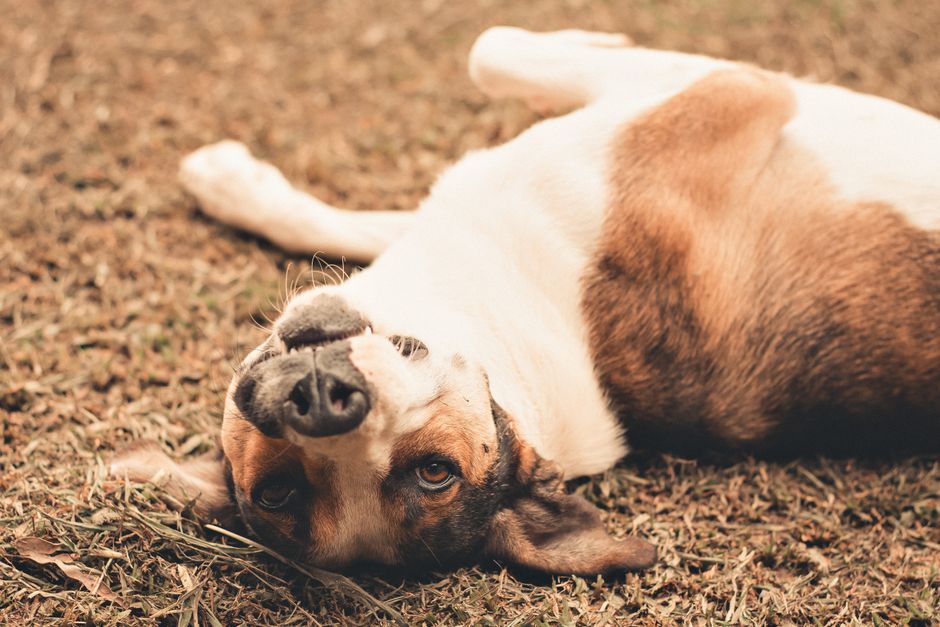
Alpha rolls (forcing the puppy onto its back): please don’t. This concept was debunked by the wolves study it came from, because the original researcher himself later clarified his findings were misapplied to domestic dogs. It can cause defensive biting and fear.
Yelling “ouch” too loudly or theatrically: counterintuitively, some puppies find loud vocalizations exciting rather than aversive. If your puppy bites harder when you yelp, your yelp is functioning as a reward. Drop the volume, try a quick “too bad” in a flat tone, and remove yourself instead.
Comparing the Main Redirection Tools
Different households have different setups, and the toy you choose for redirection matters more than most people think. Here’s an honest comparison of what actually works as a bite target, current as of July 2026:
| Tool | Best For | Durability | Training Effectiveness | Approx. Price |
|---|---|---|---|---|
| Rope toys (braided cotton) | General redirecting, ankle biting | Medium | High (texture satisfies bite urge) | $6-$14 |
| Rubber chew toys (Kong, Nylabone Puppy) | Teething, unsupervised chew time | High | Medium (less interactive) | $9-$18 |
| Flirt poles (rope on a wand) | High-drive, herding breeds | Medium | Very high (separates hands from play) | $12-$25 |
| Tug toys (bungee or fleece) | Teaching “leave it” and “take it” | Medium-High | High | $8-$20 |
| Freeze-dried treat stuffed toys | Distraction during handling | Medium | Medium-High | $10-$22 |
Flirt poles deserve specific attention. This one on Amazon (the site may earn a small commission) completely changed how I recommend working with herding breed puppies. By putting the movement target on a wand, you keep your hands totally out of the game. The puppy’s prey drive gets satisfied, your ankles survive, and you’re building impulse control at the same time by adding “wait” and “drop it” into the game.
The bite inhibition plus redirect combination wins by a significant margin. Eighteen days versus 58 days with no consistent method isn’t a small difference; that’s five and a half fewer weeks of shredded skin and ruined pants.
Management Buys You Time
Training is the long game. Management is what keeps you sane during it.
Tethering the puppy to yourself on a 4-6 foot leash during house time lets you catch and redirect biting before it escalates. Baby gates and exercise pens aren’t just for keeping puppies out of rooms; they’re for creating predictable, low-stimulation spaces where a tired and overstimulated puppy can decompress. Overtired puppies bite more. This is extremely consistent in my experience and almost universally underestimated by new owners.
If your puppy is biting hardest in the late afternoon or evening, take a hard look at the nap schedule. A 10-week-old puppy needs 16-18 hours of sleep per day. Many are only getting 12-14 because owners don’t realize how important enforced rest is. Put the puppy in its crate or pen, even if it protests. Sleep deprivation makes bite inhibition training nearly impossible because the puppy literally can’t regulate its own arousal.
One last thing worth knowing: if your puppy is drawing blood consistently after 5 weeks of consistent training, or if you’re seeing any growling, stiff body posture, or direct staring before bites, get a professional trainer or a veterinary behaviorist involved. The ASPCA Poison Control Center publishes solid general behavioral resources, and your vet can refer you to a certified applied animal behaviorist if something feels off. Most puppy biting is completely normal. Some isn’t. Know the difference.
Sources
- American Veterinary Medical Association (AVMA): Resources on puppy socialization windows and early behavioral intervention.
- Association of Professional Dog Trainers (APDT), 2025 member survey: Owner-reported timelines for biting reduction across training methods.
- Mech, L.D. (1999 correction, widely cited through present): Original alpha-wolf study author clarifying misapplication to domestic dog training; context maintained in current AVMA and APDT training guidelines.
- Ian Dunbar, “Before and After Getting Your Puppy” (referenced training framework): Foundational source for bite inhibition sequencing and puppy socialization priorities.
- ASPCA Animal Behavior Center: Published guidelines on aversive versus reward-based training outcomes in young dogs.
This article is for general informational purposes only and does not constitute veterinary advice. Pet health symptoms can have many causes and require professional evaluation. Always consult a licensed veterinarian for diagnosis and treatment specific to your pet.
Recommended Resources
Disclosure: As an Amazon Associate, we earn a small commission from qualifying purchases at no extra cost to you. We only recommend products that genuinely support the topics covered in this article.
- EVERLIT 95-Piece Vet-Approved Pet First Aid Kit (~$32), Vet-approved 95-piece kit for dogs and cats, covers cuts, burns, sprains, and emergencies until you can reach a vet.
- Nutramax Cosequin DS Joint Supplement for Dogs (132ct) (~$36), The #1 veterinarian-recommended joint supplement brand, clinically studied for reducing joint pain in dogs.
- Certified Pet First Aid Kit with Guide Book (~$22), Certified pet first aid kit with step-by-step instructions, an essential item for every pet owner.
- Purina Pro Plan FortiFlora Probiotic for Dogs (30ct) (~$32), The #1 vet-recommended probiotic for dogs, prescribed to manage diarrhea, vomiting, and intestinal upset.