 Dr. Amanda Foster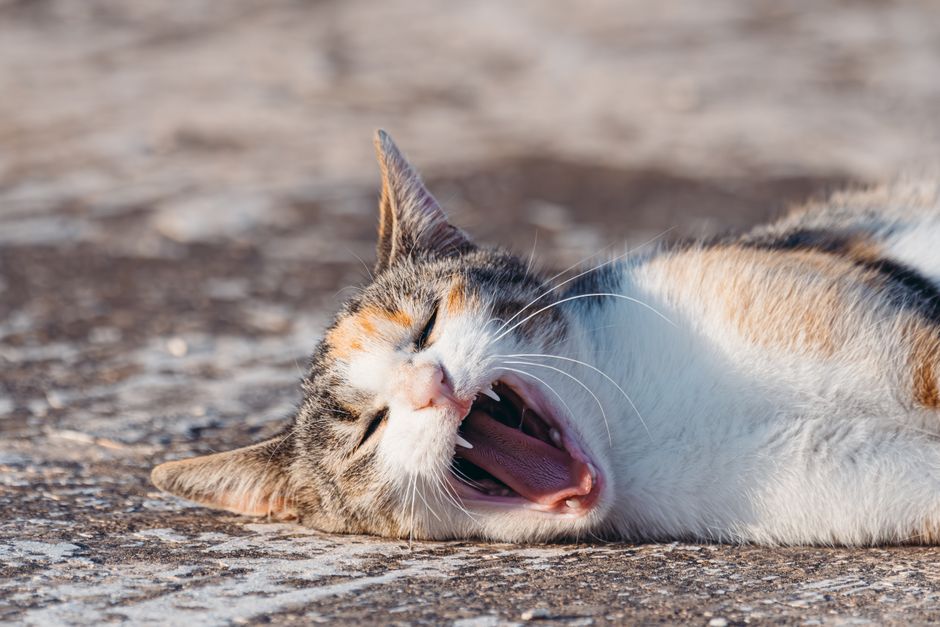
Cats are hardwired to hide pain. That’s not a personality quirk, it’s a survival mechanism from their evolutionary history as both predator and prey. A wild cat showing weakness is a dead cat. Your domestic tabby carries the same wiring, which means by the time most owners notice something’s wrong, the animal has often been suffering for days.
Most articles on this topic give you a list of vague symptoms like “changes in behavior” or “seems off.” That’s not helpful. Let me be specific.
What Pain Actually Looks Like in Cats
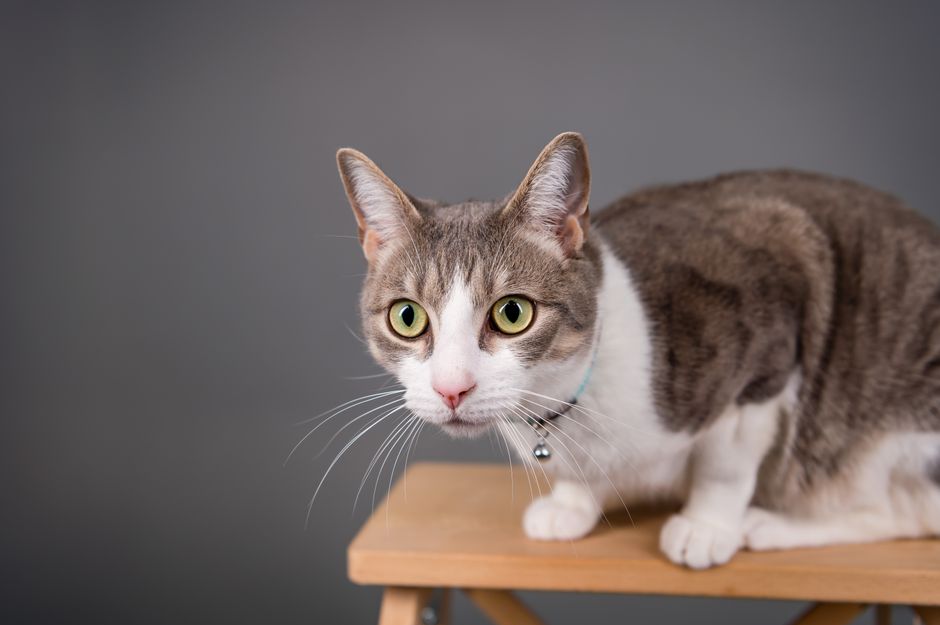
The face is your first, best clue. Researchers developed the Grimace Scale for cats (it’s validated, published, and genuinely useful), and the core signals are: orbital tightening (squinting or narrowed eyes), flattened ears, a whisker change (they fan forward or pull back), and a tense muzzle. If your cat’s face looks slightly wrong in a way you can’t quite name, trust that instinct and look closer.
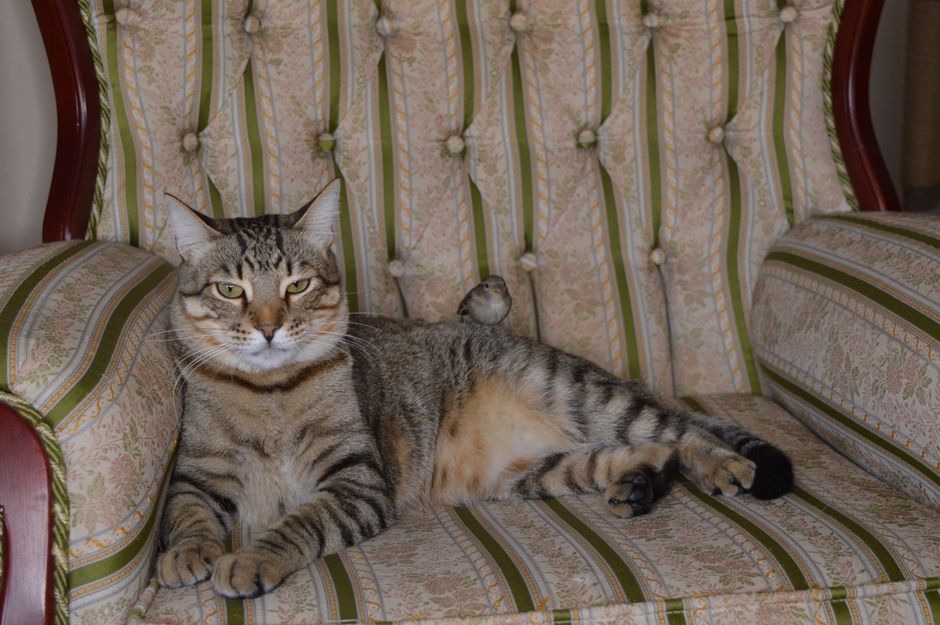
Posture matters just as much. A cat in pain often sits hunched, with its back slightly arched and all four feet tucked under the body in what vets call a “meatloaf” position, but tighter and more rigid than a relaxed loaf. They’ll also avoid positions that put pressure on whatever hurts. An arthritic cat stops jumping to the counter. A cat with abdominal pain might sit with its back legs splayed out oddly. A cat with a dental abscess may drop food from one side of its mouth or chew exclusively on one side.
Breathing can shift too. Rapid, shallow breathing in a cat that’s resting is a red flag. Open-mouth breathing is almost always an emergency in cats.
The Behavioral Shifts That Most Owners Miss
Helpful resource: Arm & Hammer Dog Dental Spray, No Brush Needed is a top-rated option for this. (As an Amazon Associate this site earns from qualifying purchases.)
Here’s the one that catches people off guard: a painful cat often becomes suddenly affectionate, or suddenly antisocial. Either direction. I’ve had clients tell me their cat “got so cuddly all of a sudden” right before a diagnosis of significant illness. Seeking warmth and contact is a pain behavior. Withdrawing completely is a pain behavior. Both.
Aggression when you touch a specific area. This is so commonly dismissed as “she’s just cranky.” If your cat was fine with being petted along her back yesterday and today she twists around to bite your hand when you touch her lower spine, that’s pain until proven otherwise.
Grooming changes come in two flavors. Over-grooming (licking one spot obsessively, sometimes to the point of hair loss) often signals localized pain or nerve irritation. Under-grooming, where a cat looks unkempt and stops doing their usual thorough coat maintenance, suggests either systemic illness or pain that makes contorting to groom too uncomfortable. Older cats with arthritis frequently have unkempt coats around their hindquarters for exactly that reason.
Litterbox behavior shifts. Painful urination causes cats to vocalize in the box, make multiple trips with little output, or squat and strain. That’s a vet call today, not Monday. Urinary obstruction in male cats can kill within 24-48 hours, and the early signs look deceptively mild.
Vocalizations: Not Always What You Think
Most cats in pain don’t yowl. That’s the myth. Chronic pain in particular tends to be quiet. Acute, sudden-onset pain may produce yowling or crying (a urinary obstruction, for example, or a traumatic injury), but the cat with steady dental pain or joint inflammation just… gets quieter. Interacts less. Stops announcing dinner.
Purring doesn’t mean comfort. Cats purr when stressed, when injured, sometimes when dying. The frequency of a cat’s purr (roughly 25-150 Hz) has been shown to have some tissue-healing effects, so it’s thought that sick or injured cats may purr as a self-soothing mechanism. Don’t let a purring cat convince you everything’s fine.
How to Do a Basic Pain Check at Home
You’re not diagnosing, you’re gathering information to report to your vet. Here’s a systematic way to do it:
Start with observation from a distance. Watch your cat move across the room, get up from sleeping, use the litterbox. Note any hesitation, stiffness, favoring of a limb, or avoidance of certain movements.
Then, with a calm, gentle approach, run your hands slowly and evenly over your cat’s entire body. Apply light, consistent pressure. Watch the face while you do it. Any flinching, tensing of muscles, change in facial expression, attempt to move away, or attempt to bite tells you something. Go systematically: neck, shoulders, spine, hips, belly (lightly), legs down to the paws.
Note the location. That information is gold when you call your vet.
Check the mouth if your cat will allow it. Pale gums indicate shock or serious systemic illness and need emergency care. Reddened, inflamed gum margins suggest dental pain. Yellow-tinged gums suggest jaundice, also emergency territory.
Having a well-stocked pet first aid kit at home won’t treat pain, but it helps you stay calm and methodical while you assess. (The site may earn a small commission on purchases through that link.)
When to Go Now vs. When to Wait
This is where most advice hedges. I won’t.
Go immediately: open-mouth breathing, straining in the litterbox without producing urine (especially male cats), pale or yellow gums, obvious trauma, sudden hind limb paralysis (this can happen with aortic thromboembolism and the affected legs feel cold), any suspected toxin ingestion, crying that won’t stop.
Call your vet today (don’t wait for Monday): limping that appeared suddenly and isn’t improving, any swelling that’s warm to the touch, significant change in eating for more than 24 hours, vomiting or diarrhea combined with lethargy, a wound that looks infected.
Schedule an appointment this week: gradual behavior changes over days or weeks, coat changes in an older cat, subtle stiffness that’s been slowly worsening, increased water intake paired with weight loss.
The AAHA hospital accreditation standards include pain assessment protocols specifically because undertreated pain in animals is a real, documented welfare problem, not a theoretical one. Your vet should be asking about pain at every visit. If they’re not, it’s worth raising directly.
PetMD’s veterinary resource library has a solid breakdown of feline pain scoring tools if you want to go deeper on the clinical side before your appointment.
This article is for general informational purposes only and does not constitute veterinary advice. Pet health symptoms can have many causes and require professional evaluation. Always consult a licensed veterinarian for diagnosis and treatment specific to your pet.
Sources
- Arm & Hammer Dog Dental Spray, No Brush Needed
- well-stocked pet first aid kit
- FRONTLINE Plus Flea and Tick Treatment for Dogs
- Midwest Homes Folding Metal Dog Crate
- Mahmoud Yahyaoui
Disclosure: As an Amazon Associate, we earn a small commission from qualifying purchases at no extra cost to you. We only recommend products that genuinely support the topics covered in this article.
- EVERLIT 95-Piece Vet-Approved Pet First Aid Kit (~$32), Vet-approved 95-piece kit for dogs and cats, covers cuts, burns, sprains, and emergencies until you can reach a vet.
- Nutramax Cosequin DS Joint Supplement for Dogs (132ct) (~$36), The #1 veterinarian-recommended joint supplement brand, clinically studied for reducing joint pain in dogs.
Recommended Resources
Disclosure: As an Amazon Associate, we earn a small commission from qualifying purchases at no extra cost to you. We only recommend products that genuinely support the topics covered in this article.
- EVERLIT 95-Piece Vet-Approved Pet First Aid Kit (~$32), Vet-approved 95-piece kit for dogs and cats, covers cuts, burns, sprains, and emergencies until you can reach a vet.
- Nutramax Cosequin DS Joint Supplement for Dogs (132ct) (~$36), The #1 veterinarian-recommended joint supplement brand, clinically studied for reducing joint pain in dogs.