 Michelle Chen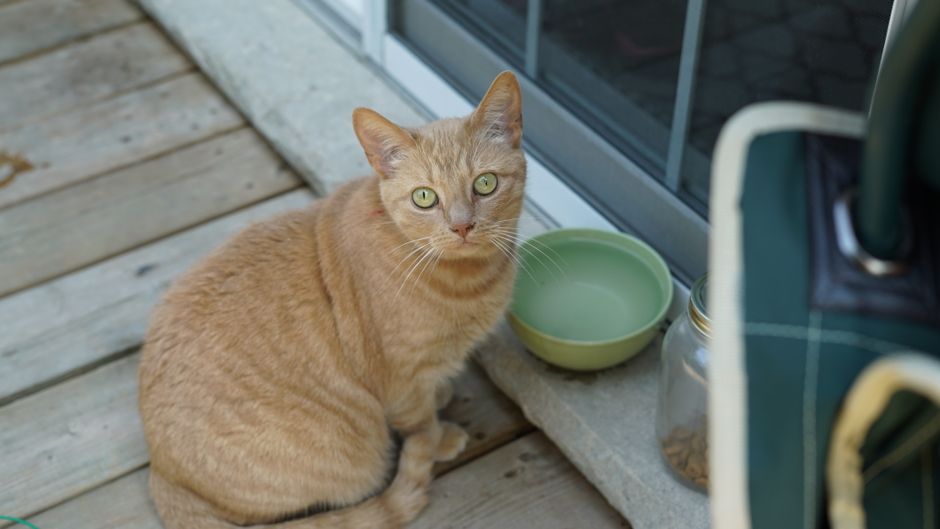
Most of the “home remedies for cat UTI” articles floating around the internet are, I’ll be honest, genuinely dangerous. Not unhelpful. Dangerous. Because cats with urinary problems can go from “acting a little off” to dead within 24 to 48 hours, and the advice to “try cranberry supplements first” can cost your cat its life.
That’s what I want to get into with you today. The real story here is more nuanced than either “rush to the ER immediately” or “try these 7 natural cures.” There’s actual useful information for cat owners, but it comes with some hard lines you need to understand first.
First, Is It Actually a UTI?
Here’s what surprised me when I went deep on this: true bacterial UTIs are actually less common in cats than most people assume. The American Veterinary Medical Association backs this up, and it runs against almost everything you’ll read on pet blogs. In young to middle-aged cats, most urinary symptoms are caused by something called Feline Idiopathic Cystitis (FIC), which is essentially stress-induced bladder inflammation with no bacterial infection at all. Antibiotics won’t help. Cranberry definitely won’t help.
Older cats (roughly 10 and up) are more likely to have actual bacterial UTIs, often tied to kidney disease or diabetes. But even then, you need a urine culture to know for certain what bacteria you’re dealing with and which antibiotic will actually work.
Before we talk about anything you can do at home, let’s talk about symptoms. The line between “manageable” and “emergency” is specific.
Symptoms that mean go RIGHT NOW, today, even at 2am:
- Your cat is straining in the litter box and producing little or nothing
- Your cat is crying or vocalizing in or near the litter box
- Your male cat especially is doing either of the above (males have a much narrower urethra and block faster)
- Your cat is lethargic, not eating, or hiding more than usual alongside urinary symptoms
- You see blood in the urine combined with straining and no output
A blocked cat will die without a catheter. This is not a home situation under any circumstances.
Symptoms that might allow a wait-until-Monday call:
- Small amounts of blood-tinged urine but still urinating normally
- Urinating outside the box but producing normal volumes
- Slightly more frequent trips to the box with normal output
Even in that second category, call your vet within 24 hours. Not a week from now.
What You Can Actually Do at Home (And What Actually Helps)
If your cat has been examined, a urinary problem has been confirmed, and you’re managing a diagnosed condition with vet guidance, then there are genuinely useful things happening at home that support recovery. This isn’t instead of veterinary care. It’s alongside it.
Water intake is probably the single most impactful thing. Cats evolved as desert animals and have a naturally low thirst drive. A cat eating dry food exclusively is in a state of mild chronic dehydration that makes the urinary tract a rough place. Switching to wet food, or adding water or low-sodium chicken broth to dry kibble, significantly increases urine volume and dilutes the bladder environment. I’ve seen cats with recurrent urinary issues get dramatically better just from this change.
A circulating water fountain works for some cats, not all. The Pioneer Pet Raindrop fountain is one I’ve recommended for years because some cats are oddly fixated on running water and will drink substantially more from a fountain than a bowl. Worth trying. (This site may earn a commission on purchases made through links.)
Stress reduction matters more than people think. Remember FIC? Stress is a major driver. Multi-cat households, a new pet or baby, construction noise, a moved litter box, even a change in your schedule can trigger a flare. If your cat is prone to urinary issues, environmental enrichment and reducing stressors isn’t soft advice. It’s medicine. Puzzle feeders, vertical space, and predictable routines genuinely help. Something like this puzzle feeder slows eating and gives cats mental engagement that reduces anxiety.
Supplements with actual evidence behind them: The research here is mixed. Cosequin for cats (which contains glucosamine) has some evidence for supporting bladder wall integrity in cats with FIC. Urinary-specific diets like Hill’s c/d or Royal Canin Urinary SO are backed by real clinical data for reducing recurrence, especially in cats prone to struvite or oxalate crystals. You get those from your vet, not Amazon.
What I’d skip: cranberry supplements for cats. The mechanism that makes cranberry relevant in humans doesn’t translate the same way in feline physiology. PetMD’s veterinary resource library notes that the evidence for cranberry in cats is weak at best. D-mannose has even less feline data than cranberry.
Communicating with Your Vet (So You Get Real Answers)
Dr. Jones' Cat's Diabetes Journey: 3 Home Remedies That Really Work! · Veterinary Secrets on YouTube
One thing I’ve seen owners do that genuinely hurts them: they describe symptoms vaguely and then wonder why they got a vague answer. When you call or message your vet, be specific.
Tell them how many times you’ve seen your cat attempt to urinate in the last 12 hours, whether you saw any output each time, the color of any urine you observed, whether your cat is eating and drinking normally, and whether this has happened before. That level of detail changes the triage conversation completely.
If cost is a concern (and it often is, this is real not shameful), say so directly. A vet who knows your budget can sometimes prioritize the most critical tests rather than a full workup. A urinalysis and blood pressure check is cheaper than a full senior panel, and for a first-time young cat with mild symptoms, it might be the right starting point.
Sources
- The Pioneer Pet Raindrop fountain
- Something like this puzzle feeder
- EVERLIT 95-Piece Vet-Approved Pet First Aid Kit
- Nutramax Cosequin DS Joint Supplement for Dogs (132ct)
- SaL your PaL
Disclosure: As an Amazon Associate, we earn a small commission from qualifying purchases at no extra cost to you. We only recommend products that genuinely support the topics covered in this article.
- EVERLIT 95-Piece Vet-Approved Pet First Aid Kit (~$32), Vet-approved 95-piece kit for dogs and cats, covers cuts, burns, sprains, and emergencies until you can reach a vet.
- Nutramax Cosequin DS Joint Supplement for Dogs (132ct) (~$36), The #1 veterinarian-recommended joint supplement brand, clinically studied for reducing joint pain in dogs.
This article is for general informational purposes only and does not constitute veterinary advice. Pet health symptoms can have many causes and require professional evaluation. Always consult a licensed veterinarian for diagnosis and treatment specific to your pet.
Photo: SaL your PaL via Pexels
Recommended Resources
Disclosure: As an Amazon Associate, we earn a small commission from qualifying purchases at no extra cost to you. We only recommend products that genuinely support the topics covered in this article.
- EVERLIT 95-Piece Vet-Approved Pet First Aid Kit (~$32), Vet-approved 95-piece kit for dogs and cats, covers cuts, burns, sprains, and emergencies until you can reach a vet.
- Nutramax Cosequin DS Joint Supplement for Dogs (132ct) (~$36), The #1 veterinarian-recommended joint supplement brand, clinically studied for reducing joint pain in dogs.