 Michelle Chen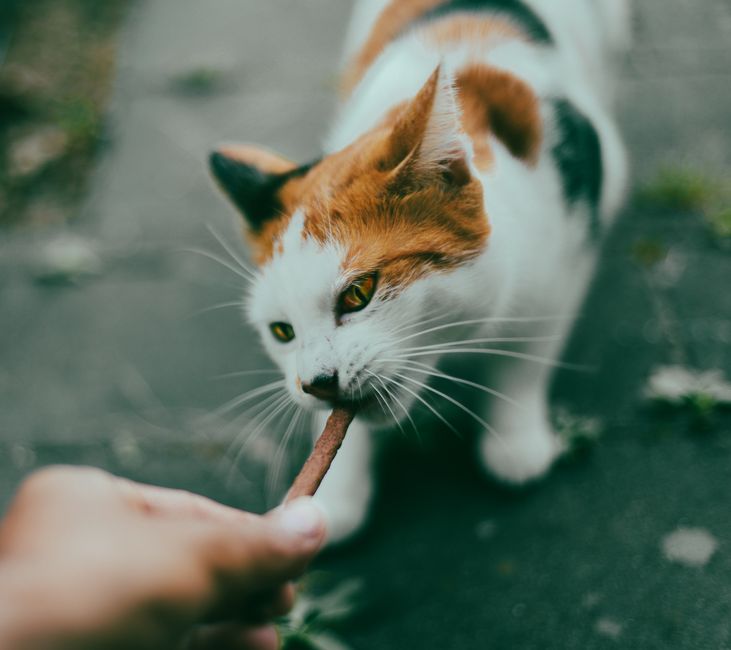
Most cat owners don’t realize that IBD is the single most common cause of chronic vomiting and diarrhea in cats, affecting somewhere between 1 in 3 and 1 in 2 cats who show up at specialty practices with long-term GI symptoms. I’ll be honest: when I first started seeing IBD cases early in my career, I thought it was basically a fancy word for “upset stomach we can’t figure out.” Thirteen years and a lot of intestinal biopsies later, I know it’s a lot more complicated, and more manageable, than that first impression suggested.
IBD (inflammatory bowel disease) isn’t a single disease. It’s a category of conditions where immune cells infiltrate the walls of the GI tract, causing chronic inflammation that disrupts normal digestion. The most common forms are lymphocytic-plasmacytic enteritis, eosinophilic gastroenteritis, and neutrophilic IBD. What surprised me, even after years of working with these cases, is how dramatically different two IBD cats can look. One patient might vomit grass and bile twice a week and otherwise seem fine. Another loses 30% of her body weight over six months with barely any vomiting at all.
- IBD is the most common cause of chronic GI symptoms in cats and is often misdiagnosed as "just hairballs."
- Diagnosis requires biopsy (endoscopic or surgical); blood panels and ultrasound alone cannot confirm IBD.
- Most cats respond to a combination of diet change and prednisolone; some need additional immunosuppressants.
- IBD and intestinal lymphoma look identical on ultrasound and often require immunohistochemistry to distinguish.
- With consistent management, many IBD cats live comfortably for years post-diagnosis.
What IBD Actually Looks Like
Here’s where most owners (and honestly, a few vets I’ve worked with in urgent care settings) get tripped up: IBD symptoms are maddeningly nonspecific. Chronic vomiting. Weight loss. Intermittent diarrhea. Decreased appetite. Occasionally a cat who eats ravenously but can’t gain weight no matter what. The American Veterinary Medical Association (AVMA) lists chronic vomiting as the most common presenting complaint in feline IBD, but “chronic” means different things to different owners. I’ve had clients who normalized their cat vomiting four times a week for two years because “cats just do that.”
They don’t. Not like that.
What you’re watching for: vomiting that’s happening more than once or twice a week, weight loss you didn’t intend, any change in stool consistency lasting more than two to three weeks, a coat that’s suddenly dull or greasy, or a cat who used to be food-motivated and now sniffs the bowl and walks away. Middle-aged to older cats are at higher risk (most IBD cats are diagnosed between 5 and 12 years old), though it can happen younger.
The tricky part is that hyperthyroidism, chronic kidney disease, pancreatitis, and intestinal lymphoma all produce nearly identical symptoms. IBD also frequently occurs alongside pancreatitis and cholangitis in a presentation vets call “triaditis,” which as of 2026 remains genuinely challenging to sort out clinically.
The Diagnosis Problem (And Why Bloodwork Alone Won’t Cut It)
Helpful resource: Catit Flower Fountain , Cat Water Fountain is a top-rated option for this. (As an Amazon Associate this site earns from qualifying purchases.)
This is the part I feel most strongly about getting right, because I’ve seen owners put their cats through years of symptom management without a real diagnosis.
Bloodwork and urinalysis are where you start, and they matter, but a normal blood panel doesn’t rule out IBD. Cobalamin (B12) and folate levels are worth checking because IBD frequently causes malabsorption of both; a low cobalamin in a chronically symptomatic cat is a real red flag. Abdominal ultrasound is the next step, and a skilled ultrasonographer (ideally a boarded internist or radiologist) can spot changes in intestinal wall layering that strongly suggest IBD or lymphoma. But here’s the thing: you cannot definitively diagnose IBD, and you cannot reliably distinguish IBD from low-grade intestinal lymphoma, without a biopsy.
I know biopsies feel like a big ask. But I’d rather have that conversation once, upfront, than manage a cat for “presumed IBD” for a year and find out later it was lymphoma that responded better to a different protocol.
Endoscopy gets you mucosal biopsies (less invasive, no sutures, cat usually goes home same day). Full-thickness surgical biopsy gives better tissue samples and is sometimes the better call if ultrasound findings suggest something deeper. The samples need to go to a pathologist, and ideally you want immunohistochemistry (IHC) done to distinguish lymphocytic IBD from small cell lymphoma, because under a standard H&E stain they can look identical. The difference matters for prognosis and for choosing between prednisolone and chlorambucil.
Treatment: What Actually Works
Once you have a confirmed diagnosis, treatment for IBD in cats generally works. That’s the part I want you to hold onto when the diagnosis feels overwhelming.
The backbone is a novel protein or hydrolyzed protein diet, sometimes alongside an elimination diet trial. Royal Canin Hydrolyzed Protein HP and Hill’s z/d are the two I see used most frequently in practice, and they run roughly $60 to $90 for a 4 to 8 lb bag depending on the formulation. You need to stay strict for 6 to 8 weeks to know if diet alone is making a difference. No treats, no sneaking human food, nothing. This is harder than it sounds when you have a household with multiple cats.
Prednisolone (not prednisone, cats convert prednisone poorly) is the standard first-line medication. Starting doses are typically 1 to 2 mg/kg daily, tapering over weeks to months as symptoms resolve. Budesonide is sometimes used as an alternative because it’s metabolized locally in the gut and may have fewer systemic steroid side effects, though the research here is genuinely mixed on whether it’s superior for cats long-term.
For cats who don’t respond to steroids alone, or who have concurrent small cell lymphoma, chlorambucil is added. It’s a low-dose oral chemotherapy, and despite what that sounds like, most cats tolerate it well. The chlorambucil-prednisolone combination is actually the standard of care for small cell lymphoma with response rates that have impressed me consistently over the years.
Cobalamin supplementation is one of those things that gets skipped and shouldn’t. If your cat’s B12 is low, cyanocobalamin injections (or the newer oral high-dose supplementation protocol) need to happen alongside the other treatment. Cats with persistent B12 deficiency simply don’t respond as well, and it’s an easy thing to fix.
Comparing Treatment Options at a Glance
| Treatment | Best For | Approx. Monthly Cost | Notes |
|---|---|---|---|
| Novel/hydrolyzed protein diet | Mild IBD, food-responsive disease | $40 to $90/month | Requires strict 6-8 week trial |
| Prednisolone alone | Mild to moderate IBD | $10 to $25/month | Taper slowly; monitor glucose in diabetic-risk cats |
| Budesonide | Cats sensitive to systemic steroids | $30 to $60/month | Compounded; evidence is mixed vs. prednisolone |
| Prednisolone + chlorambucil | Moderate-severe IBD, small cell lymphoma | $40 to $90/month combined | CBC monitoring every 1-3 months required |
| Cobalamin supplementation | Any IBD cat with low B12 | $15 to $30/month (oral) | Often overlooked; improves treatment response |
| Metronidazole | Concurrent dysbiosis/inflammation | $10 to $20/month | Short-term adjunct, not long-term monotherapy |
Costs current as of August 2026 and will vary by region and compounding pharmacy. These are rough ranges, not guarantees.
Three Real Scenarios
A 9-year-old Siamese presenting with twice-weekly vomiting and mild weight loss, no diarrhea, normal bloodwork except mildly low B12. Abdominal ultrasound showed mild duodenal wall thickening. Owner elected endoscopic biopsy, confirmed lymphocytic-plasmacytic IBD. Started on Royal Canin Hydrolyzed Protein HP plus prednisolone 5 mg daily plus B12 supplementation. At 8 weeks: vomiting reduced to once every 10 to 14 days, gained 0.4 lbs. Owner tapered pred to every other day at 12 weeks.
A 12-year-old DSH with severe weight loss (down from 11 lbs to 7.8 lbs over 4 months), intermittent bloody diarrhea, and a markedly thickened jejunum on ultrasound. Surgical biopsy plus IHC confirmed low-grade intestinal lymphoma (not IBD, though the presentation was identical). Started on prednisolone plus chlorambucil. At 6 months: weight up to 9.1 lbs, diarrhea resolved. Still on maintenance protocol 14 months post-diagnosis.
A 7-year-old Maine Coon with episodic vomiting for 18 months diagnosed as “hairballs” by a previous clinic. Referred after weight dropped 1.5 lbs. Endoscopy confirmed eosinophilic gastroenteritis. Started on hydrolyzed diet and prednisolone. At 10 weeks: vomiting resolved completely. Pred tapered successfully over 5 months; diet maintained long-term.
That last one frustrates me a little, to be honest. Eighteen months. That cat was uncomfortable for a long time before anyone looked deeper.
Sources
- American Veterinary Medical Association (AVMA): Feline gastrointestinal disease guidelines and clinical resources
- PetMD veterinary resource library: Veterinarian-reviewed overviews of feline IBD diagnosis and management
- Jergens AE, Crandell J et al., Journal of Veterinary Internal Medicine (2010): Scoring index for severity of feline IBD, widely used in clinical trials
- Stein TJ et al., Journal of Veterinary Internal Medicine (2010): Chlorambucil with prednisolone for small cell lymphoma vs. IBD outcomes
- Ruaux CG et al., Journal of Veterinary Internal Medicine (2005): Cobalamin deficiency in cats with GI disease and its effect on treatment response
If your cat has been vomiting regularly for more than a few weeks and you’ve been told it’s probably hairballs or “sensitive stomach,” please push for more answers. A full workup, including B12/folate levels and abdominal ultrasound, is a reasonable next step, and if the ultrasound shows anything abnormal, biopsy is worth the conversation. You know your cat. Chronic discomfort is not something they should just live with.
(This article contains Amazon affiliate links; the site may earn a small commission if you purchase through them at no extra cost to you. Always consult your veterinarian before starting any new treatment or supplement.)
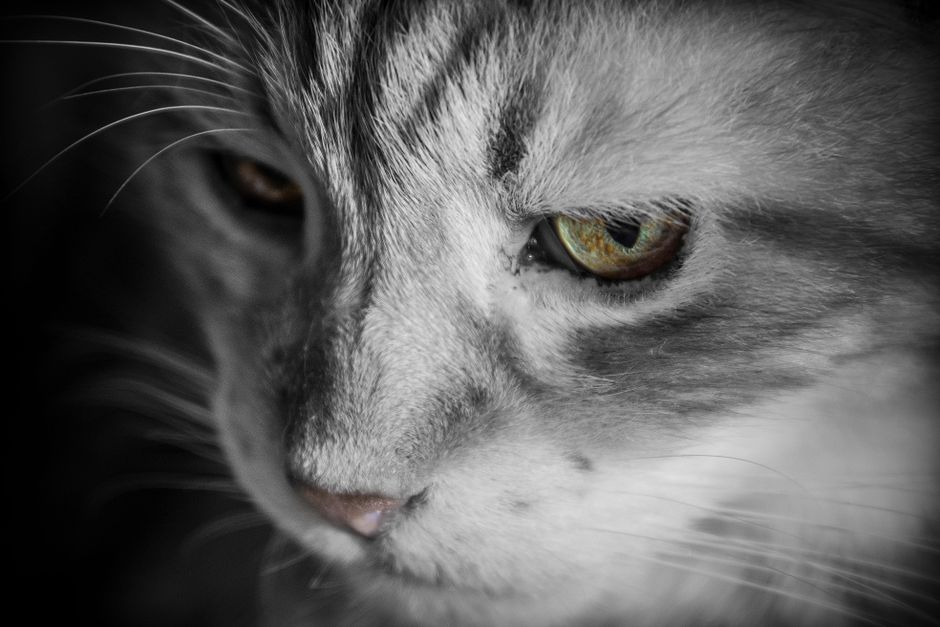
Photo: Manthan Shah via Pexels
This article is for general informational purposes only and does not constitute veterinary advice. Pet health symptoms can have many causes and require professional evaluation. Always consult a licensed veterinarian for diagnosis and treatment specific to your pet.
Recommended Resources
Disclosure: As an Amazon Associate, we earn a small commission from qualifying purchases at no extra cost to you. We only recommend products that genuinely support the topics covered in this article.
- EVERLIT 95-Piece Vet-Approved Pet First Aid Kit (~$32), Vet-approved 95-piece kit for dogs and cats, covers cuts, burns, sprains, and emergencies until you can reach a vet.
- Nutramax Cosequin DS Joint Supplement for Dogs (132ct) (~$36), The #1 veterinarian-recommended joint supplement brand, clinically studied for reducing joint pain in dogs.