 Dr. Amanda Foster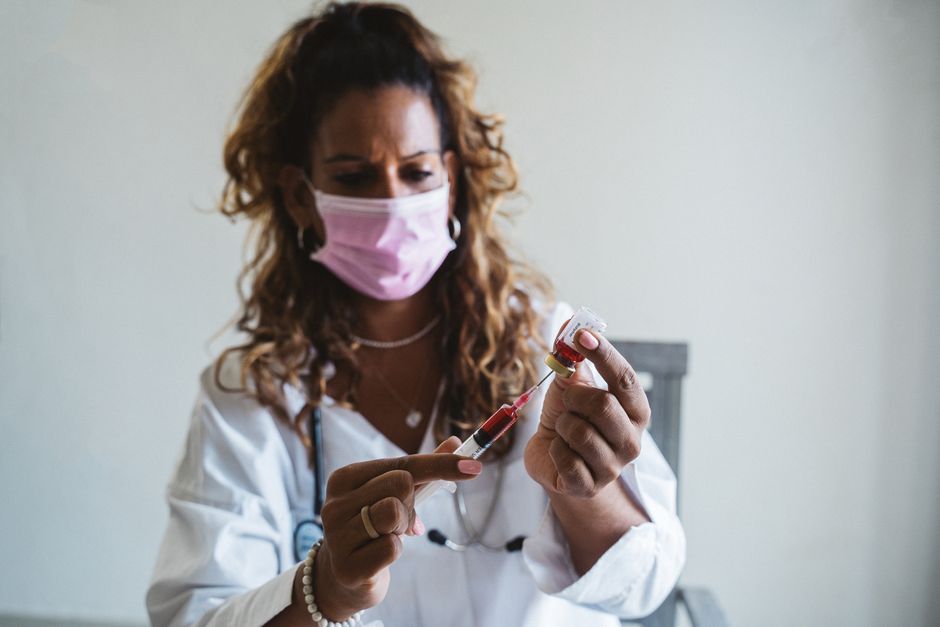
Most pet owners I talk to think of leptospirosis as some exotic, rare disease that only matters if you’re hiking in the Amazon. I’ve had this exact conversation hundreds of times in the exam room. Then someone’s dog gets sick, and suddenly it’s very real, very fast.
Leptospirosis is a bacterial infection caused by Leptospira spirochetes, and it’s been quietly spreading across the U.S. for years. Dogs pick it up through contact with contaminated water or soil, often from the urine of infected wildlife like raccoons, deer, rats, or opossums. And what most people don’t realize is that this isn’t just a rural dog problem anymore. Urban dogs in cities like Chicago, New York, and Houston are getting it. Puddles in the park. Flooded backyards. A sniff in the wrong corner of the dog run.
The disease can cause kidney failure, liver damage, and in severe cases, death. It’s also zoonotic, meaning it can infect humans. So when families ask me whether the lepto vaccine is “really necessary,” I take that question seriously.
Why the Lepto Vaccine Gets a Bad Reputation
Here’s where I’ll be honest with you: the leptospirosis vaccine historically had a higher rate of adverse reactions than most core vaccines. Particularly in small breed dogs, we used to see more cases of facial swelling, vomiting, and occasionally anaphylaxis within 30-60 minutes of vaccination. That reputation stuck, and it made a lot of vets cautious about recommending it broadly.
But the original whole-cell bacterin vaccines that caused those problems have largely been replaced by newer subunit vaccines. The current formulations, including products like Nobivac Lepto4 from Merck and Zoetis’s Vanguard L4, have a significantly improved safety profile. A large retrospective study published in Vaccine (and confirmed by ongoing pharmacovigilance data the AVMA has tracked) showed that reaction rates with modern four-serovar vaccines are comparable to many other routine vaccines. We’re not seeing the same reaction burden we were 15 years ago.
That said, the risk isn’t zero. Small breed dogs under 10 pounds, particularly Dachshunds and Chihuahuas, still have modestly elevated reaction rates. In my experience, for those dogs, we often pre-treat with diphenhydramine (Benadryl, roughly 1mg/lb) about 30 minutes before the injection and keep them in the clinic for observation afterward. It adds time and a small cost, but it dramatically reduces the likelihood of a scary reaction at home.
Who Actually Needs This Vaccine?
Helpful resource: Midwest Homes Folding Metal Dog Crate is a top-rated option for this. (As an Amazon Associate this site earns from qualifying purchases.)
The AAHA canine vaccination guidelines categorize leptospirosis as a “non-core” vaccine, meaning it’s recommended based on risk rather than universally. But I’ll push back on what “non-core” sounds like in practice, because I’ve watched that label make owners assume their dog probably doesn’t need it.
Risk factors that genuinely push a dog into “vaccinate this one” territory:
- Regular exposure to standing water, streams, lakes, or flooded areas (this includes backyard dogs in flood-prone regions)
- Any contact with wildlife, even indirect (a yard where raccoons visit counts)
- Dogs who swim, hunt, or hike frequently
- Dogs in known endemic areas, which now includes most of the eastern U.S., parts of the Pacific Northwest, and much of the South
- Multi-dog households where one dog has outdoor exposure
Here’s a worked example that illustrates how fast this goes wrong:
A 4-year-old Labrador in suburban Atlanta, backyard access, occasional visits to a neighborhood pond → Owner declined lepto vaccine two years in a row because “he’s not a hunting dog” → Dog presented with acute kidney injury in September, spent 8 days hospitalized, $6,800 bill, and survived with permanent renal scarring.
That’s not a scare tactic. That’s a file I pulled from my last clinic job.
Conversely, a small apartment dog in a high-rise who goes outside only on leash to a dry urban sidewalk and never contacts wildlife or standing water is genuinely lower risk. This is one of the few vaccines where individual lifestyle really does drive the calculus. Your vet should be asking about your dog’s actual daily life before either strongly recommending or dismissing it.
What the Vaccine Schedule Actually Looks Like
Initial vaccination requires two doses, given 2-4 weeks apart, followed by annual boosters. This is non-negotiable for the vaccine to work properly. Immunity from a single dose is insufficient. I’ve seen owners skip the booster shot because their dog “seemed fine,” not realizing the first shot was essentially a primer and the second shot is where real protection kicks in.
As of June 2026, most modern lepto vaccines cover four serovars: Canicola, Icterohaemorrhagiae, Grippotyphosa, and Pomona. Older two-serovar vaccines (which you may still encounter at low-cost vaccine clinics) only cover the first two. Depending on where you live and which wildlife are common in your area, the four-serovar coverage matters. Ask specifically which product your clinic carries.
One thing that trips people up: the lepto vaccine is often bundled into combination vaccines like DA2PP+L4. Your dog might be getting it without you realizing it. Worth checking the actual product name on your vet records if you’re uncertain.
Another worked example worth flagging:
A reader named Carolyn from Portland, Oregon emailed me after her vet recommended dropping lepto from her dog’s annual vaccines to save money → She googled local lepto cases and found that Multnomah County had reported a cluster of canine cases in 2025 → She called back, got the vaccine, and is currently on annual boosters. No illness.
Endemic maps change. What was low-risk five years ago might not be today. The CDC tracks regional outbreaks, and many state veterinary diagnostic labs publish annual leptospirosis surveillance data. It’s worth checking, or just asking your vet “has lepto been an issue in our county recently?”
How to Talk to Your Vet About This
I know this part is frustrating. You’ve got 15 minutes in the exam room, the vet is moving fast, and you’re supposed to make an informed decision about a vaccine you’ve never thought about before. Here’s what I’d actually say:
Ask your vet: “Is lepto endemic in our specific area? What four serovars does your current product cover? And given my dog’s lifestyle, do you think the benefit outweighs the reaction risk for their size?”
If your vet gives you a blanket “all dogs should get it” or “no dogs really need it,” that’s worth a gentle pushback, because neither of those is fully accurate. This decision should be individualized. The good news is most vets genuinely want to have this conversation. They don’t always have time to initiate it.
If your dog has had a prior reaction to a vaccine (any vaccine), definitely disclose that before the lepto shot is given. Pre-treatment and extended observation should be part of the plan.
Sources
- American Veterinary Medical Association (AVMA): Ongoing pharmacovigilance data and zoonotic disease resources, including leptospirosis guidelines for practitioners
- AAHA Canine Vaccination Guidelines (2022): Classification of leptospirosis as a non-core vaccine with lifestyle-based risk stratification recommendations
- Sykes JE et al. (2011). 2010 ACVIM Small Animal Consensus Statement on Leptospirosis: Diagnosis, Epidemiology, Treatment, and Prevention. Journal of Veterinary Internal Medicine. Referenced for serovar coverage and clinical management
- Moore GE et al. (2005). Adverse events diagnosed within three days of vaccine administration in dogs. JAVMA. Foundational data on comparative vaccine reaction rates by product type
- CDC Leptospirosis Surveillance: cdc.gov/leptospirosis for human and animal case tracking by region
This article is for general informational purposes only and does not constitute veterinary advice. Pet health symptoms can have many causes and require professional evaluation. Always consult a licensed veterinarian for diagnosis and treatment specific to your pet.
Recommended Resources
Disclosure: As an Amazon Associate, we earn a small commission from qualifying purchases at no extra cost to you. We only recommend products that genuinely support the topics covered in this article.
- EVERLIT 95-Piece Vet-Approved Pet First Aid Kit (~$32), Vet-approved 95-piece kit for dogs and cats, covers cuts, burns, sprains, and emergencies until you can reach a vet.
- Nutramax Cosequin DS Joint Supplement for Dogs (132ct) (~$36), The #1 veterinarian-recommended joint supplement brand, clinically studied for reducing joint pain in dogs.
- Certified Pet First Aid Kit with Guide Book (~$22), Certified pet first aid kit with step-by-step instructions, an essential item for every pet owner.