 Karen Lopez
Roughly one in four small-breed dogs will develop a luxating patella at some point. That number comes from clinical observation, not a scare campaign, and it’s the first thing I want pet owners to understand: this is one of the most common orthopedic problems we see, and also one of the most over-treated and under-understood.
Most coverage of this condition falls into two camps. Either it’s catastrophically alarming (“your dog needs surgery immediately!”) or it’s so breezy it’s useless (“just keep them at a healthy weight!”). Neither helps you make a real decision for your dog. So let’s fix that.
What a Luxating Patella Actually Is
The patella is the kneecap. “Luxating” means it slips out of the groove it’s supposed to sit in. When it pops out, it can cause your dog to hold up a rear leg for a few steps, do a little skip, then shake the leg and carry on like nothing happened. That skip-hop is almost diagnostic on its own. Anyone who’s owned a Chihuahua, Toy Poodle, Pomeranian, or French Bulldog has probably seen it.
The condition is graded on a scale from I to IV. Grade I means the patella can be manually displaced but pops right back. Grade IV means it’s permanently out of the groove and can’t be reduced at all. Grades II and III are where most clinical decisions get complicated, because the dog may or may not be in significant pain, and surgery may or may not be necessary.
Here’s what I’d want owners to understand: the grade doesn’t automatically determine the treatment. I’ve seen Grade II dogs live comfortably for years with management alone. I’ve seen Grade III dogs who were clearly in chronic pain that owners had normalized because the dog “seemed fine.” Behavior is as informative as any grading scale.
How It’s Diagnosed (And What You Can Advocate For)
Helpful resource: PetSafe Easy Walk No-Pull Dog Harness is a top-rated option for this. (As an Amazon Associate this site earns from qualifying purchases.)
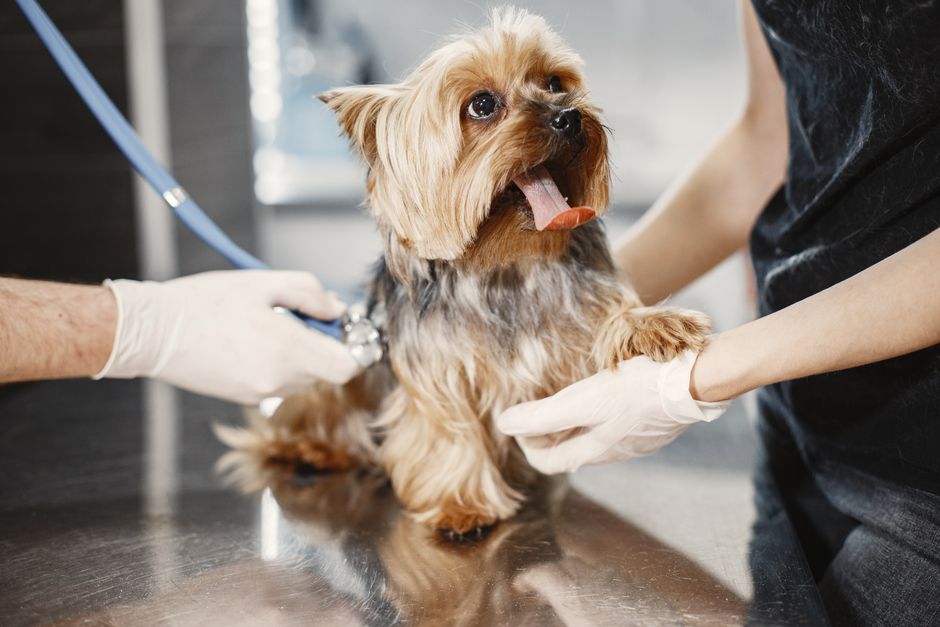
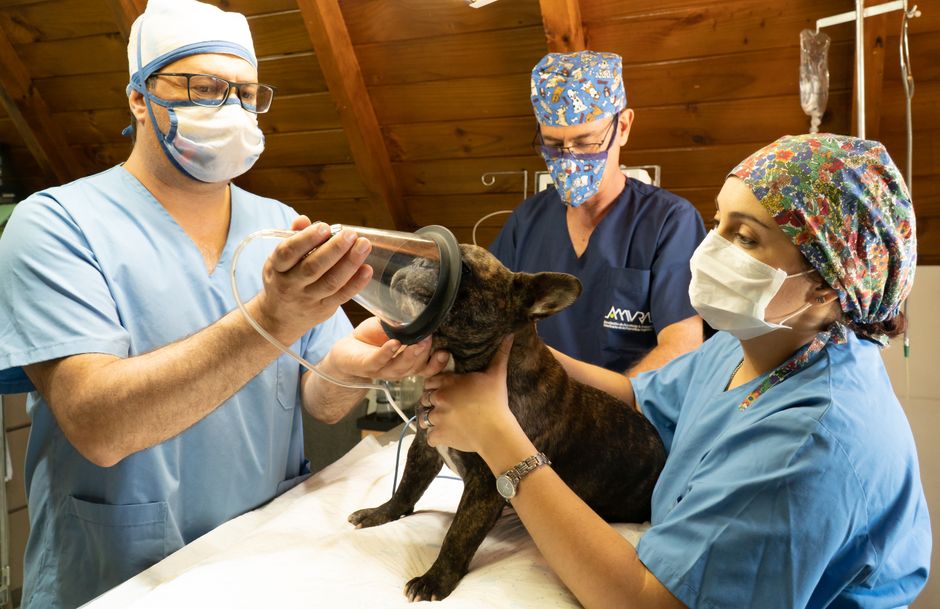
A hands-on orthopedic exam is the starting point. Your vet will feel for the patella slipping during manipulation of the stifle joint. It takes maybe 90 seconds and doesn’t require sedation. What it does require is a vet who’s actually paying attention, not just glancing at the leg.
X-rays matter more than a lot of owners realize. They won’t show the luxation directly, but they reveal bone deformity: femoral bow, shallow trochlear groove, tibial crest displacement. That information changes the surgical approach if you get to that point. A clinic that wants to discuss surgery without X-rays is a clinic I’d push back on.
If your dog is diagnosed at Grade II or above, ask specifically: “Is this affecting their quality of life right now, or are we treating a number?” That’s not a combative question. It’s the right question. The American Veterinary Medical Association (AVMA) supports shared decision-making in veterinary care, and you’re entitled to understand the clinical reasoning before you commit to anything.
When to Watch and Wait, When to Act
| Luxating Patella Grade | Clinical Presentation | Typical Management Approach | Surgical Consideration |
|---|---|---|---|
| Grade I | Patella manually displaced, reduces spontaneously | Watch and wait, weight management, NSAIDs for flare-ups | Surgery rarely needed |
| Grade II | Occasional luxation with variable lameness | Case-by-case; conservative management first unless clear pain or worsening | Surgery if quality of life affected |
| Grade III | Frequent luxation, noticeable lameness | Surgery typically recommended | High risk of CCL tears if untreated |
| Grade IV | Patella permanently luxated, cannot be reduced | Surgery indicated | Prevents accelerated cartilage wear |
Grade I: Watch and wait, almost always. Weight management. Avoid activities that stress the joint (repetitive stairs, high-impact jumping). NSAIDs for flare-ups, as directed. Most Grade I dogs never progress to surgery.
Grade II: Genuinely case-by-case. A young, active dog whose patella luxates frequently and causes noticeable lameness is a different conversation than a 9-year-old who occasionally skips a step. I lean toward conservative management first unless there’s clear pain or worsening trajectory.
Grades III and IV: Surgery is typically the recommendation, and in most cases, it’s the right one. Untreated high-grade luxation causes abnormal loading, accelerates cartilage wear, and increases the risk of cranial cruciate ligament (CCL) tears. That’s a much bigger, more expensive surgery.
One pattern I’ve seen repeatedly: owners delay Grade III surgery for months, the CCL tears in the meantime, and what would have been a $2,500 patella repair becomes a $5,500 TPLO. That’s not a hypothetical. It’s a scenario I watched unfold with a 4-year-old Miniature Pinscher named Marco whose owner thought he was “managing well” on Galliprant for eight months.
Marco → Owner delayed patella surgery, opted for pain management at Grade III → Partial CCL tear at month seven, full TPLO required, total cost approximately $5,800 versus the original $2,200 patella surgery quote.
The Surgery Itself: What to Actually Expect
Most luxating patella repairs involve one or more of: trochlear wedge recession (deepening the groove), tibial crest transposition (repositioning where the patellar ligament attaches), and lateral imbrication (tightening soft tissue on the outside of the joint). The surgeon picks based on the specific anatomy.
Recovery is 8 to 12 weeks of restricted activity. That means leash walks only, no jumping, no stairs if possible, and probably a lot of baby gates and frustrated dogs. Hydrotherapy, if you can access it, meaningfully speeds recovery and reduces muscle atrophy. It’s not cheap (typically $50-$90 per session), but for an active dog it’s worth budgeting for.
Success rates are high. Recurrence happens in roughly 10-20% of cases, more often when the underlying bony deformity wasn’t fully addressed. A board-certified veterinary surgeon has lower recurrence rates than a general practitioner doing occasional orthopedic cases. That’s not a knock on general practitioners. It’s just volume and specialization, same as in human medicine.
One more thing: if your dog is diagnosed bilaterally (both knees affected, which is common), most surgeons prefer to stage the procedures 6-8 weeks apart rather than doing both at once. Your dog needs at least one functional leg to recover with. Sounds obvious, but I’ve had owners push for “do both at the same time” to save on anesthesia costs, and the recovery from that is genuinely brutal.
Managing Without Surgery: What Actually Helps
For dogs that aren’t surgical candidates (too old, concurrent health issues, Grade I-II with minimal symptoms), there’s a real management toolkit. Not magic, but real.
Joint supplements with glucosamine and chondroitin have mixed research behind them, I’ll be honest. The evidence for fish oil (omega-3 fatty acids, specifically EPA and DHA) reducing joint inflammation is considerably stronger. Aim for a product with verified EPA+DHA content, not just “fish oil” on the label. Nordic Naturals Omega-3 Pet is one I’ve recommended consistently. (Disclosure: this site may earn a commission on purchases.)
Weight is non-negotiable. Every extra pound on a 10-pound dog is proportionally enormous joint stress. I’ve seen Grade II dogs become essentially asymptomatic after losing 1.5 pounds. That’s not an exaggeration.
Avoid high-impact activities but don’t restrict exercise entirely. Controlled leash walks maintain muscle mass around the joint, which provides stability. Muscle atrophy makes luxation worse, not better.
For dogs in occasional discomfort, your vet may prescribe an NSAID like Carprofen or Galliprant. PetMD’s veterinary resource library has solid overviews of both if you want to understand the difference before your appointment.
Small dog → Grade II patella, 1.8 pounds overweight, minimal lameness noted → Weight loss to ideal body condition over 14 weeks, fish oil added → Owner reported skip-hop episodes reduced from 3-4x daily to 1-2x weekly at 4-month recheck. No surgery pursued.
Breeds, Genetics, and What Breeders Should Be Doing
Luxating patella is heavily heritable. The breeds hit hardest (as of July 2026, this list hasn’t changed): Yorkshire Terriers, Chihuahuas, Pomeranians, Toy and Miniature Poodles, Maltese, Shih Tzus, French Bulldogs, and Boston Terriers. Large breeds can get it too, most commonly Labrador Retrievers, but it’s far less common and often has a different biomechanical cause.
Responsible breeders screen for this. The Orthopedic Foundation for Animals (OFA) maintains a patella evaluation registry. If you’re getting a puppy from a high-risk breed, asking whether both parents have OFA patella clearances is completely reasonable. A breeder who doesn’t know what OFA is, or dismisses the question, tells you something important.
I’ll say directly: buying from a pet store or a breeder who doesn’t health-test is a statistical gamble on this specific condition. That’s your choice to make, but go in with eyes open.
Sources
- Orthopedic Foundation for Animals (OFA): Patella evaluation registry and breed prevalence statistics
- American College of Veterinary Surgeons (ACVS): Clinical overview of grading, surgical techniques, and outcomes
- American Veterinary Medical Association (AVMA): Resources on shared veterinary decision-making and orthopedic care
- PetMD Veterinary Resource Library: Overview of luxating patella management and NSAID options for dogs
- Remedios AM, Clayton HM, Skuba E: “Medial patellar luxation in 16 large dogs”: Clinical Orthopaedics and Related Research, foundational data on large-breed presentation and surgical outcomes
This article is for general informational purposes only and does not constitute veterinary advice. Pet health symptoms can have many causes and require professional evaluation. Always consult a licensed veterinarian for diagnosis and treatment specific to your pet.
Recommended Resources
Disclosure: As an Amazon Associate, we earn a small commission from qualifying purchases at no extra cost to you. We only recommend products that genuinely support the topics covered in this article.
- EVERLIT 95-Piece Vet-Approved Pet First Aid Kit (~$32), Vet-approved 95-piece kit for dogs and cats, covers cuts, burns, sprains, and emergencies until you can reach a vet.
- Nutramax Cosequin DS Joint Supplement for Dogs (132ct) (~$36), The #1 veterinarian-recommended joint supplement brand, clinically studied for reducing joint pain in dogs.