 Karen Lopez
Most of what you’re reading about New World screwworm right now is written for ranchers. If you own a dog or cat and live in Texas, New Mexico, or anywhere those flies might reach next, that’s a problem, because this parasite kills pets too, and it does it fast.
On June 3, 2026, the USDA confirmed the first U.S. New World screwworm case in 60 years: a calf in Texas. By early July, more than 30 confirmed cases had been reported across Texas and New Mexico. Two of those cases involved pet dogs. One of those dogs was euthanized. The other, in New Mexico, recovered, but only because the owner got the animal to a vet in time. That gap between those two outcomes is exactly what this article is about.
The Animal Medical Center in New York put it plainly in their June 10 guidance: larvae from Cochliomyia hominivorax burrow into living tissue and, without treatment, can kill an animal in 7 to 14 days. The entry wound doesn’t have to be dramatic. A tick bite. A small scratch. That’s enough.
- NWS confirmed in 30+ Texas and New Mexico animals by early July 2026, including two pet dogs.
- Untreated infestation is fatal in 7–14 days; one affected Texas dog was euthanized.
- FDA issued Emergency Use Authorizations for NexGard (dogs) and NexGard Combo (cats) as of April 2026.
- Any wound that smells foul, grows larger, or shows movement may contain larvae: go to a vet same day.
- Call 1-800-550-8242 (Texas Animal Health Commission) or your local vet if you suspect exposure.
What This Fly Actually Does
The New World screwworm fly, Cochliomyia hominivorax, lays eggs at the edge of any open wound on a warm-blooded animal. The larvae hatch and immediately start feeding on living flesh, not dead tissue. That’s the key distinction from most other fly larvae. They dig in, they feed in a rotating, screw-like motion (hence the name), and they keep going. A wound that looks minor on Monday can be a cavity by Thursday.
The fly has been absent from the U.S. since the 1960s, when a massive sterile-fly release program wiped it out. It crept back north through Panama starting in 2024, moved through Mexico in 2025, and crossed into Texas this spring. The USDA has already committed $21 million to convert a Mexican facility to breed sterile screwworm flies for eradication, with plans for a new $750 million sterile-fly factory in Texas. Those are the right long-term moves. They do not help your dog this July.
How to Recognize a Problem Before It’s Too Late
Helpful resource: Catit Flower Fountain , Cat Water Fountain is a top-rated option for this. (As an Amazon Associate this site earns from qualifying purchases.)
The clinical signs most owners miss: a wound that doesn’t look infected but smells wrong. A foul, distinctive odor is one of the earliest signs. The wound may appear to have movement inside it. You might actually see small, cream-colored larvae if you look closely. The animal will often be agitated, licking or scratching at the site compulsively.
Other red flags:
- Any wound that seems to be enlarging without obvious trauma
- Unusual discharge, especially in or around the ears, eyes, nose, or mouth
- Behavioral changes in an animal with any open wound: restlessness, loss of appetite, apparent pain
Don’t wait to see if it improves overnight. This is a same-day veterinary call. Texas A&M’s College of Veterinary Medicine emphasized in their July 8 guidance that early treatment is the dividing line between recovery and death.
What the FDA Has Authorized, and What You Should Do Now
The FDA’s Emergency Use Authorizations, issued starting in April 2026, are the most actionable development for pet owners. Two products most owners already recognize are now specifically authorized for NWS prevention and treatment:
| Product | Active Ingredient | Authorized For | Normal Use |
|---|---|---|---|
| NexGard | Afoxolaner | Dogs | Flea & tick prevention |
| NexGard Combo | Afoxolaner + moxidectin + pyrantel | Cats | Flea, tick & parasite prevention |
Both are prescription products you’d get from your vet. If your pet is already on NexGard for flea and tick control, you may already have some coverage. If not, and you’re in or near an affected area, this is a conversation worth having with your vet at your next appointment, or sooner if you’re in a high-risk zone.
This is not a call to go panic-buy something off the internet. It’s a call to have a real conversation. Dosing, frequency, and whether your specific pet is a candidate for these products are decisions that belong to your vet, especially for cats, where medication safety margins are narrower.
The Reporting System, and Why It Matters That You Know It
New World screwworm is a nationally reportable disease. Your veterinarian is legally required to report suspected cases. That’s not bureaucratic red tape. It’s how the USDA tracks spread, triggers containment responses, and decides where to deploy sterile-fly releases.
Your job as a pet owner is to make sure your vet sees the animal before the infestation advances. Per CIDRAP’s July 2026 guidance, if you’re in Texas or New Mexico and you see a foul-smelling or enlarging wound, or any wound with visible movement, you can call the Texas Animal Health Commission directly at 1-800-550-8242. You don’t have to wait and wonder.
If you’re outside Texas and New Mexico right now, the confirmed cases haven’t reached you yet. But this fly moves, and fly distributions don’t respect state lines. Pet owners across the southern U.S. should be paying attention.
Practical Steps, Ranked by Priority
You don’t need to overhaul your pet’s entire care routine. You need to do a few specific things well.
First: check your dog or cat for wounds regularly, especially if they spend any time outdoors. Part the fur. Look at ears, around the face, at any place a tick or thorn could have created a break in the skin.
Second: don’t let small wounds go unattended. Clean them. Watch them. If something smells wrong or looks like it’s growing, don’t apply more ointment and wait. Call your vet.
Third: talk to your vet about whether NexGard (for your dog) or NexGard Combo (for your cat) makes sense given where you live and how much time your pet spends outside. The AKC Canine Health Foundation noted in their June guidance that tick and wound prevention are the first line of defense, because a screwworm fly needs a wound to get started.
Fourth: if you’re traveling with pets through Texas or New Mexico this summer, be more vigilant than usual. Campgrounds, trail heads, rural rest stops: any place your dog could pick up a scratch or a tick bite puts them in a different category of risk right now.
The New Mexico dog recovered. The Texas dog didn’t. The only real difference, as far as anyone can tell, was how quickly each owner acted. That’s the whole article, honestly.
Sources
- How to protect your pets from New World screwworm (July 8, 2026)
- How to prevent New World screwworm infestations in cats and dogs (July 2026)
- What Pet Owners Need to Know About New World Screwworm (June 25, 2026)
- What Pet Owners Need to Know About New World Screwworm (June 10, 2026)
- New World Screwworm: What Dog Owners Need to Know (June 11, 2026)
- How to protect your pets from the New World screwworm fly (July 8, 2026)
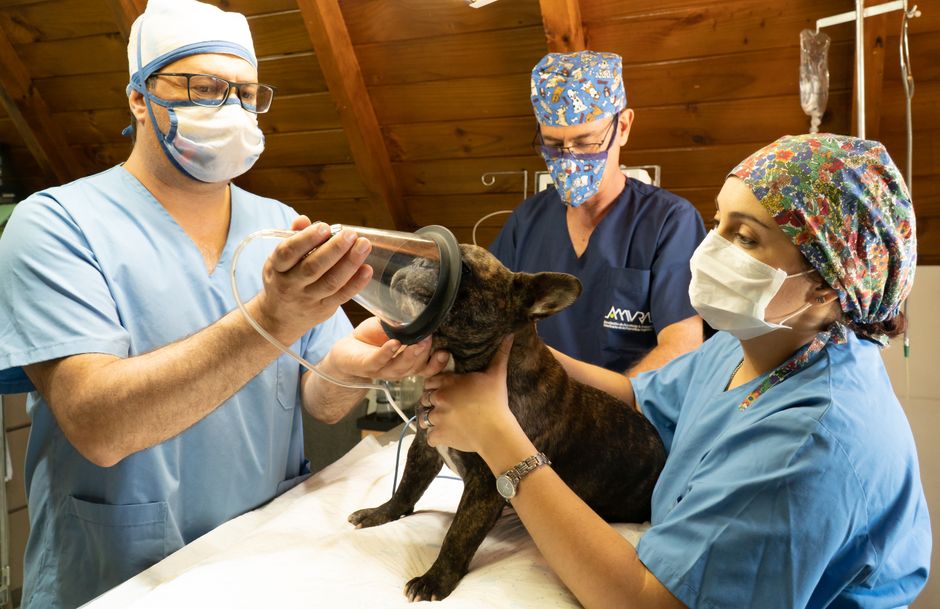
Photo: Pablo Ezequiel Nieva via Pexels
This article is for general informational purposes only and does not constitute veterinary advice. Pet health symptoms can have many causes and require professional evaluation. Always consult a licensed veterinarian for diagnosis and treatment specific to your pet.
Recommended Resources
Disclosure: As an Amazon Associate, we earn a small commission from qualifying purchases at no extra cost to you. We only recommend products that genuinely support the topics covered in this article.
- EVERLIT 95-Piece Vet-Approved Pet First Aid Kit (~$32), Vet-approved 95-piece kit for dogs and cats, covers cuts, burns, sprains, and emergencies until you can reach a vet.
- Nutramax Cosequin DS Joint Supplement for Dogs (132ct) (~$36), The #1 veterinarian-recommended joint supplement brand, clinically studied for reducing joint pain in dogs.