 Tom Harris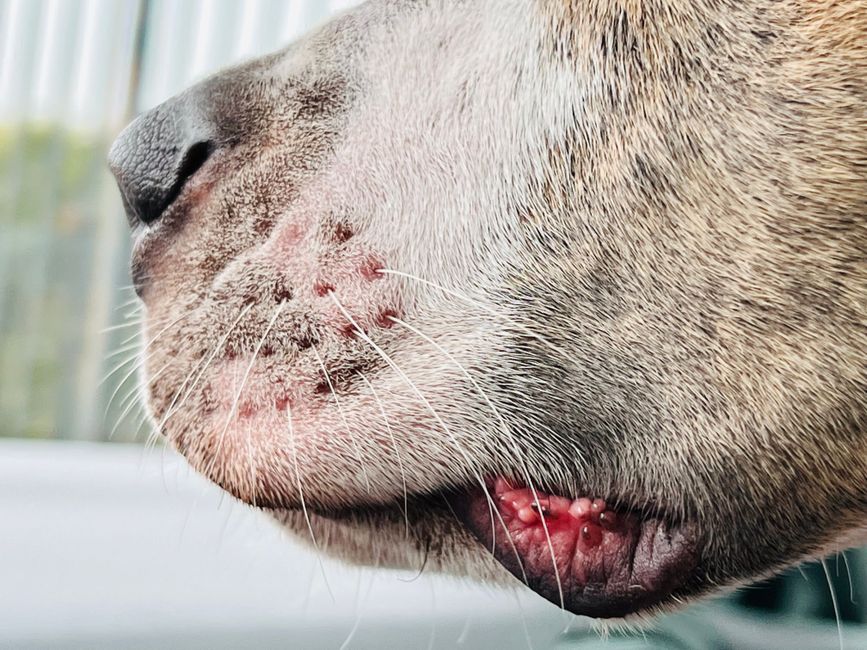
Most pet owners in the US have never heard of New World screwworm. That’s actually the point. It was eradicated from the continental United States back in 1966, after one of the most ambitious animal health campaigns in American history. For sixty years, it wasn’t something you needed to think about. That changed on June 3, 2026, when the USDA confirmed NWS larvae in a calf in southern Texas. Cases have since climbed to at least 9 across Texas and New Mexico, and here’s the part that should have every dog and cat owner paying attention: one of those cases was a companion animal. A dog in New Mexico. This is no longer just a livestock story.
What New World Screwworm Actually Does (It’s Worse Than You Think)
I’ll be honest, when I first read through the details on this one, I had to stop for a second. The name sounds almost cartoonish until you understand the biology.
New World screwworm flies lay their eggs in open wounds or body openings, including eyes, ears, the mouth, the nose, or any small scratch or cut. When the larvae hatch, they don’t just sit on the surface. They burrow into living tissue, actively feeding as they go deeper. The “screwworm” name comes from the way they rotate as they bore in. An untreated infestation causes severe pain, expanding tissue destruction, and can be fatal. This isn’t like finding a few maggots in an old wound, which is already serious enough. This parasite targets living, healthy tissue.
What surprised me in reading through the AVMA’s current resource hub was the emphasis on how quickly this can escalate. Because the larvae are buried, an infestation can look like a small wound from the outside while significant damage is already happening underneath. Pets that go outdoors in affected regions right now, especially if they have any kind of cut, skin irritation, or even mild ear issues, are genuinely at risk.
Where Is the Outbreak Right Now and Who’s at Risk
Helpful resource: Rayco First Aid Kit for Dogs and Cats is a top-rated option for this. (As an Amazon Associate this site earns from qualifying purchases.)
As of mid-June 2026, confirmed cases are concentrated in southern Texas and New Mexico. Texas A&M’s Veterinary Emergency Team deployed 12 members on June 13, 2026, to support Texas Animal Health Commission field operations, which tells you something about how seriously state authorities are treating this. This isn’t a quiet monitoring situation. There are boots on the ground.
The honest answer on geographic spread is that we don’t fully know where this is heading. The screwworm fly can travel. The original eradication effort in the 1960s worked by releasing sterile male flies to suppress reproduction, and USDA is already talking about reinstating that strategy. But that takes time, and right now the outbreak is active and growing.
If you’re in Texas or New Mexico, especially in rural or semi-rural areas near livestock, your risk is highest. If you’re elsewhere in the US, this isn’t an immediate threat to your pets today, but it warrants watching. Worms & Germs Blog, which has been tracking this closely, noted in their June 11 update that pet owners in affected areas should be doing daily wound checks and keeping any existing wounds clean and covered.
The Treatment Situation: What’s Actually Available Now
This is where things moved fast, and it’s worth knowing the specifics.
On June 11, 2026, the FDA issued an Emergency Use Authorization for generic Nitenpyram Tablets, making this the first generic animal drug specifically authorized to treat NWS myiasis in dogs, cats, puppies, and kittens weighing at least 2 lbs and at least 4 weeks old. Nitenpyram is the active ingredient in Capstar, which many cat and dog owners already know as a fast-acting flea knockdown. Its mechanism works here because it kills larvae rapidly after administration.
Additional FDA emergency-authorized options include NexGard, NexGard COMBO, Credelio, and Credelio Quattro-CA1. The FDA’s current animal drug guidance page has the breakdown, but here’s the practical split you need to know: some of these are available over the counter, while others are being distributed exclusively through USDA APHIS for use in confirmed or suspected cases. That distinction matters. If your pet has a wound and you’re in an affected area, don’t wait to track down the right product. Get to your vet.
I want to be clear about something: having one of these products on your shelf doesn’t mean you skip the vet call. NWS myiasis requires wound care, removal of larvae, and sometimes significant supportive treatment. The drug is one piece of a bigger clinical picture.
How to Recognize a Problem and When to Act
This is the section I’d read twice if I were a pet owner in Texas or New Mexico right now.
Any wound that seems to be getting worse instead of better deserves a closer look. Specifically, watch for wounds that appear to be growing or deepening, wounds with a foul smell, and any visible movement in or around wound tissue. Your pet may show intense pain, scratching, or pawing at a specific area. Swelling around the face, ears, or any body opening without an obvious cause is also a red flag.
Here’s where I’ll be direct with you: this is an emergency. Not a “call Monday morning” situation. Not a “watch it for another day” situation. If you’re in an affected region and you see any of those signs, call your vet immediately or go to an emergency clinic. The larvae can cause irreversible damage quickly, and the window for straightforward treatment narrows fast.
Texas A&M AgriLife Extension has also emphasized that routine prevention still matters. Keeping your yard clean, minimizing outdoor wound exposure, and checking pets thoroughly after time outside, especially around the ears, paws, and any existing skin issues, are all practical steps right now.
What This Means Beyond the Immediate Outbreak
The research here is genuinely unsettled on one key question: how did screwworm get back into the US after sixty years? Movement of infested animals across the southern border is the most likely pathway being investigated, which is consistent with how it re-emerged in Florida livestock briefly in late 2016. That Florida situation was contained relatively quickly. This one has already produced more cases and the first companion animal confirmation, so the trajectory is different.
What I keep coming back to is how fast the response infrastructure mobilized: emergency FDA authorizations, veterinary emergency teams deployed within two weeks of first confirmation, multi-state surveillance activated. That’s genuinely encouraging. But it also reflects the fact that everyone involved understands the stakes of letting this re-establish.
If you live in an unaffected state right now, the practical takeaway is stay informed and report anything suspicious. If you’re in Texas or New Mexico, treat this as a real and present threat to any pet with an open wound or skin issue. Check the AVMA’s resource hub, which was updated in June 2026 and has the clearest current guidance for companion animal owners. Your vet is your best resource for anything that looks even remotely suspicious, because with this particular parasite, early is everything.
Sources
- AVMA, New World Screwworm Resource Hub (Updated June 2026)
- dvm360, New World Screwworm Live Updates (June 11, 2026)
- Worms & Germs Blog, NWS Prevention and Treatment in Dogs and Cats (June 11, 2026)
- Texas A&M AgriLife Extension, Companion Animal Care and NWS (June 2026)
- FDA, Animal Drugs for New World Screwworm (Updated June 2026)
- Virginia VDACS, New World Screwworm Alert (June 2026)
This article is for general informational purposes only and does not constitute veterinary advice. Pet health symptoms can have many causes and require professional evaluation. Always consult a licensed veterinarian for diagnosis and treatment specific to your pet.
Recommended Resources
Disclosure: As an Amazon Associate, we earn a small commission from qualifying purchases at no extra cost to you. We only recommend products that genuinely support the topics covered in this article.
- EVERLIT 95-Piece Vet-Approved Pet First Aid Kit (~$32), Vet-approved 95-piece kit for dogs and cats, covers cuts, burns, sprains, and emergencies until you can reach a vet.
- Nutramax Cosequin DS Joint Supplement for Dogs (132ct) (~$36), The #1 veterinarian-recommended joint supplement brand, clinically studied for reducing joint pain in dogs.