 Karen Lopez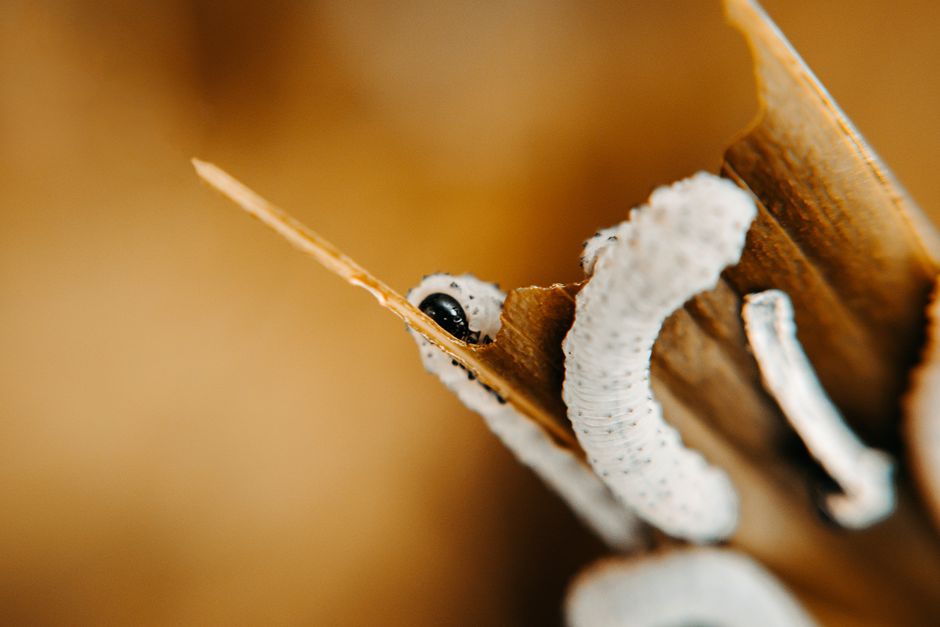
Your dog nicks a paw on brush during an evening walk. You clean it, dab on some Neosporin, and move on. In most places most of the time, that’s the end of it. Not in South Texas or southern New Mexico right now.
New World screwworm (NWS) was confirmed in a calf in Zavala County, Texas on June 3, 2026, marking the first detection of this parasite on U.S. soil since the government eradicated it in the 1960s. A dog in New Mexico tested positive the same month. This isn’t theoretical. This is happening now. The FDA issued Emergency Use Authorizations for pet-specific screwworm treatments back in February, which tells you officials saw this coming and were already preparing.
If you have pets in or near the affected states, here’s what you need to know.
What Makes This Parasite So Dangerous
The name sounds dramatic because the biology is dramatic. The New World screwworm fly, Cochliomyia hominivorax, lays its eggs in open wounds on living animals. Not dead tissue. Living flesh. The larvae then burrow into healthy skin and feed, and they move fast. A single female can lay 200 to 300 eggs at a time, up to 3,000 over her lifetime, according to the FDA. Once those eggs hatch, you’re not dealing with something slow.
Here’s the part that gets pet owners: the entry point doesn’t need to be serious. A tick bite. A surgical incision still healing. A small scrape from yard play. Any break in skin is an opportunity. I’ve worked with dogs whose owners thought they had a weird skin infection, and the reality was far worse. With screwworm, early intervention isn’t just helpful. It’s the difference between a treatable problem and significant tissue damage.
Watch for wounds that aren’t healing right. A foul or unusually strong odor from any wound site. Fever, lethargy, weight loss. If your dog or cat has an outdoor wound and any of those signs show up, that’s a same-day vet call, not a wait-and-see situation.
Who’s Actually at Risk Right Now
Confirmed cases are geographically concentrated. Zavala County sits in southern Texas near the Mexican border, and the FDA has specifically flagged pets in border-adjacent areas as facing elevated exposure risk. According to PetMD’s June 2026 coverage, pets with open wounds or healing surgical sites who spend time outdoors in Texas and New Mexico are most vulnerable right now.
That said, screwworm flies can travel. The eradication program in the 1960s worked because the USDA deployed sterile insect technique across a wide area, not because the fly stayed in one small zone. If you’re in the broader South or Southwest and your pet goes outside, spends time near livestock, or has any wound, staying informed makes sense even outside Zavala County.
Dogs on trail hikes, hunting dogs, farm dogs, cats who go outside at dusk: these are the animals worth thinking about. Indoor-only cats in Dallas are probably fine. A Labrador hunting in South Texas brush this summer is a different conversation.
The Treatment News Is Actually Good
Here’s what surprised a lot of vets: many pets may already have protection without realizing it. The FDA’s Emergency Use Authorizations, issued February 18, 2026, cover NexGard (afoxolaner) for dogs and NexGard COMBO for cats as treatments for NWS myiasis. The practical piece the Texas Tribune highlighted in June: isoxazoline class products, the same family of drugs in many popular flea, tick, and heartworm preventatives like NexGard and Bravecto, also protect against screwworm larvae.
If your dog is already on a monthly NexGard chew for flea and tick prevention, you’ve built a layer of protection you didn’t know existed. That’s not a guarantee, and it doesn’t replace wound monitoring, but it’s genuinely good news for the large portion of dogs already on these preventatives.
If your pet isn’t on an isoxazoline product and you’re in an affected or adjacent area, this is worth a conversation with your vet. Not a panicked emergency visit, just a call. Ask whether your pet’s current prevention makes sense given where you live, and go from there.
How to Talk to Your Vet About This Right Now
Here’s what I’d actually say if I were calling my vet’s office today.
Tell them your pet’s location and outdoor exposure level. Mention any current wounds, recent surgeries, or tick bites. Ask specifically whether your current flea and tick prevention is an isoxazoline product and whether it offers any screwworm protection. If your pet has a wound you’re already watching, describe it: size, smell, healing progress. Any behavior or appetite change alongside a wound matters.
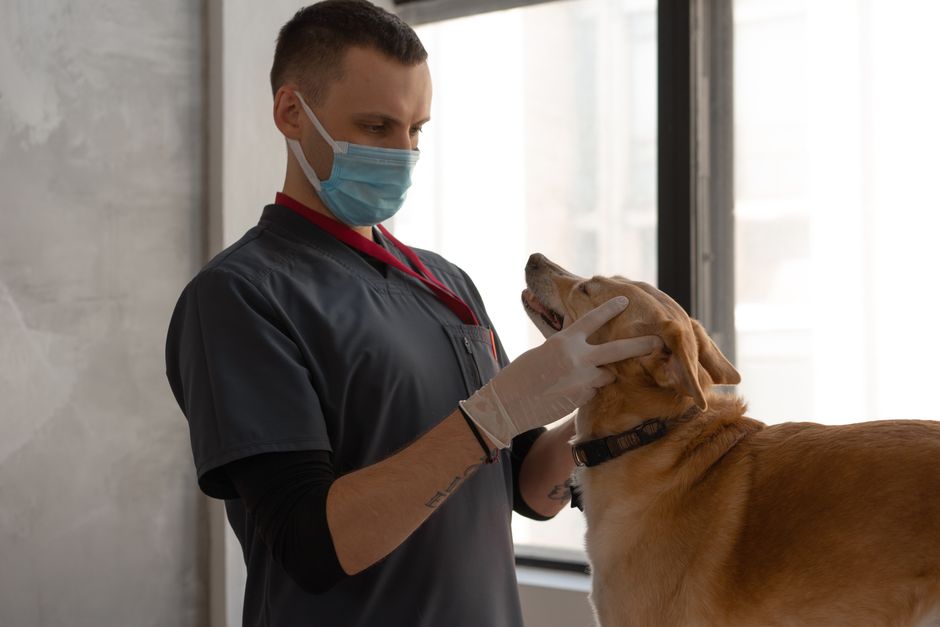
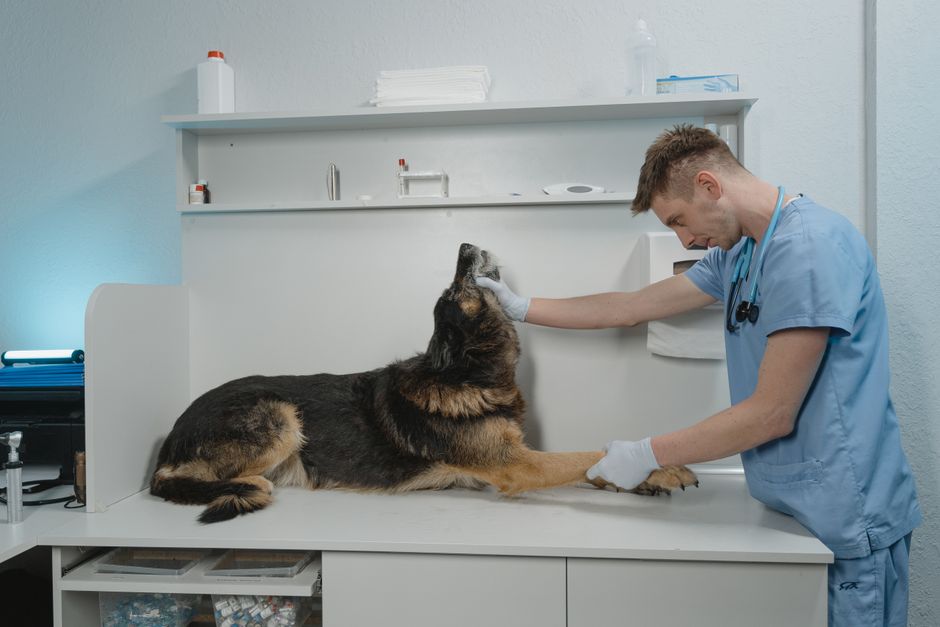
If you’re seeing concerning signs, especially a poorly healing wound plus fever or lethargy, ask for a same-day appointment. This isn’t something you monitor for a week. Screwworm larvae destroy tissue quickly, and early treatment is dramatically more effective than delayed treatment. The DVM360 live update coverage from June 2026 emphasizes that veterinary professionals across the South are actively being briefed on identification and response protocols right now, so your vet should be ready for this conversation.
What’s Being Done Nationally
The USDA’s response infrastructure is running. The agency relaunched screwworm.gov (hosted through APHIS) as an active information hub, and the sterile insect technique program that originally eradicated NWS is being ramped back up. This isn’t agencies scrambling to figure things out. The eradication playbook exists. The question is how quickly it scales and whether geographic spread stays contained.
For pet owners, that broader context is reassuring, but it doesn’t change what you need to do individually. Monitor wounds. Know the signs. Have a current flea and tick prevention plan. If something looks wrong with a wound on your pet, call your vet the same day.
Most veterinarians practicing today trained without ever diagnosing this parasite. The first case showed up sixty years after eradication. Things are changing fast, but the best thing you can do right now is stay alert and not wait.
Sources
- DVM360, New World Screwworm Live Updates (June 2026, ongoing)
- FDA, Emergency Use Authorizations for NWS Treatment in Dogs and Cats (February 18, 2026)
- Texas Tribune, How to Prevent and Treat Your Pet from Screwworm (June 11, 2026)
- PetMD, Screwworm in Pets and Livestock (June 2026)
- Click2Houston, Can Your Dog or Cat Get Screwworm? (June 9, 2026)
- USDA APHIS, Screwworm.gov (June 2026, ongoing)
This article is for general informational purposes only and does not constitute veterinary advice. Pet health symptoms can have many causes and require professional evaluation. Always consult a licensed veterinarian for diagnosis and treatment specific to your pet.
Recommended Resources
Disclosure: As an Amazon Associate, we earn a small commission from qualifying purchases at no extra cost to you. We only recommend products that genuinely support the topics covered in this article.
- EVERLIT 95-Piece Vet-Approved Pet First Aid Kit (~$32), Vet-approved 95-piece kit for dogs and cats, covers cuts, burns, sprains, and emergencies until you can reach a vet.
- Nutramax Cosequin DS Joint Supplement for Dogs (132ct) (~$36), The #1 veterinarian-recommended joint supplement brand, clinically studied for reducing joint pain in dogs.