 Karen Lopez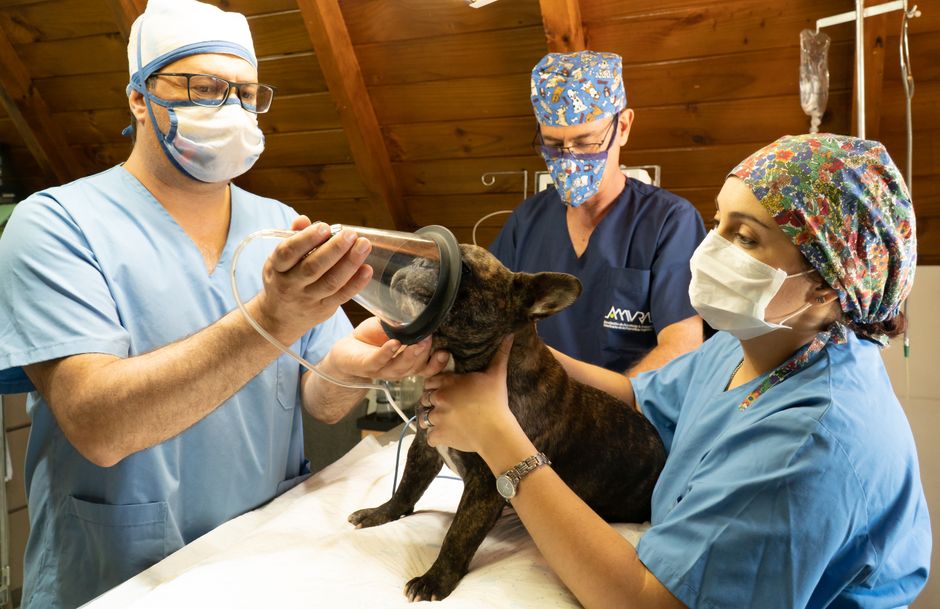
You’re three days out from your Baja road trip, your dog’s packed and ready, and you just saw a headline about screwworms and Mexico border requirements. Now you’re wondering whether your existing health certificate is still good, or whether you’re about to get turned back at the crossing with a confused dog and a ruined vacation. I’ve fielded more panicked calls like this than I can count, and right now the confusion is completely justified. The rules changed fast, and not everyone has heard yet.
Here’s what happened. On June 3, 2026, USDA confirmed New World screwworm (Cochliomyia hominivorax) larvae detected on U.S. soil for the first time in decades, starting with a calf in Zavala County, Texas. By June 8, AAHA was tracking a confirmed case in a dog in Lea County, New Mexico. Within two weeks, there were 15 confirmed cases across Texas and New Mexico combined. Mexico, reasonably alarmed, moved quickly. Effective August 3, 2026, they began requiring a brand-new screwworm inspection certificate for all pet dogs and birds crossing from the U.S., according to reporting from both AVMA and Universal Weather. This is not the standard USDA health certificate you may already have. It’s an additional document, and it has a tight expiration window.
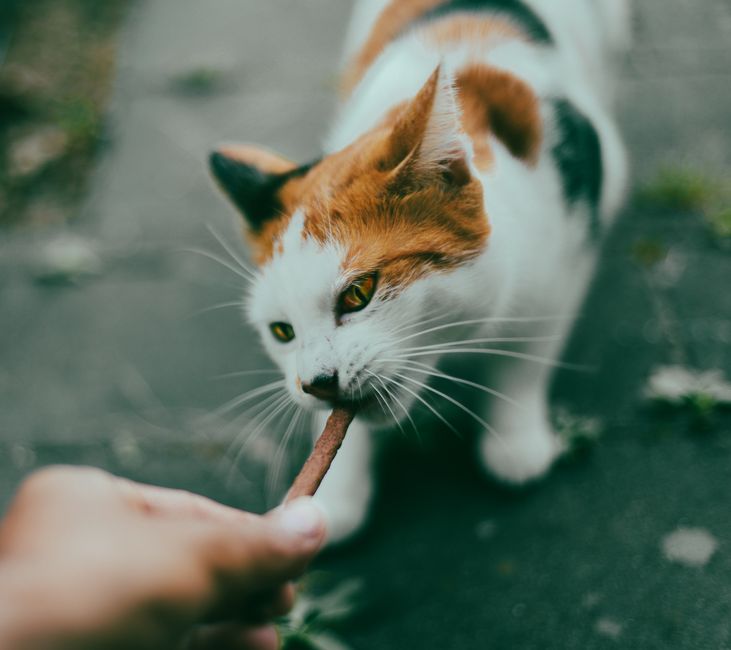
If you’re traveling with a cat, take a breath. Pet cats are fully exempt from this new requirement. But if you have a dog, or you’re traveling with a pet bird, this affects you directly starting right now, in peak late-summer travel season.
- Effective August 3, 2026, Mexico requires a NEW screwworm inspection certificate for all dogs entering from the U.S.
- The certificate must be issued by a USDA-accredited vet within 5 days of your Mexico entry date.
- Coming home: dogs also need a screwworm-freedom certificate from a Mexican vet, valid within 5 days of return.
- Pet cats are fully exempt. Pet birds need a screwworm addendum added to their existing APHIS health certificate.
- Standard USDA health certificates do NOT satisfy this new requirement on their own.
What the New Certificate Actually Requires
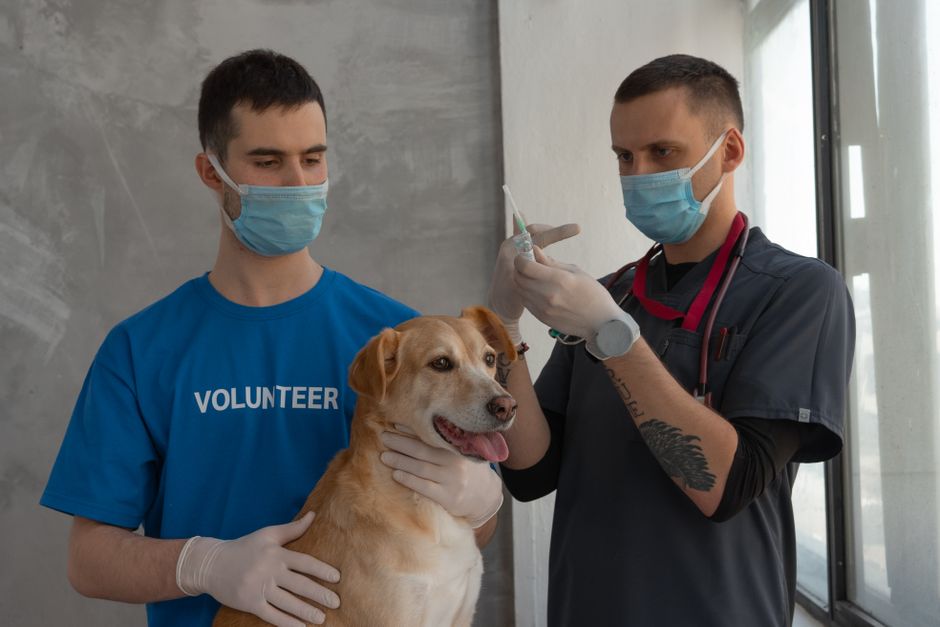
The certificate must be issued by a USDA-accredited veterinarian, and the clock starts ticking the moment it’s signed. You have a five-day window between the signing date and your actual entry into Mexico, so the timing matters as much as the paperwork itself. If your vet signs it on a Monday and you don’t cross until the following Sunday, you’re already outside the window and you’ll be turned back.
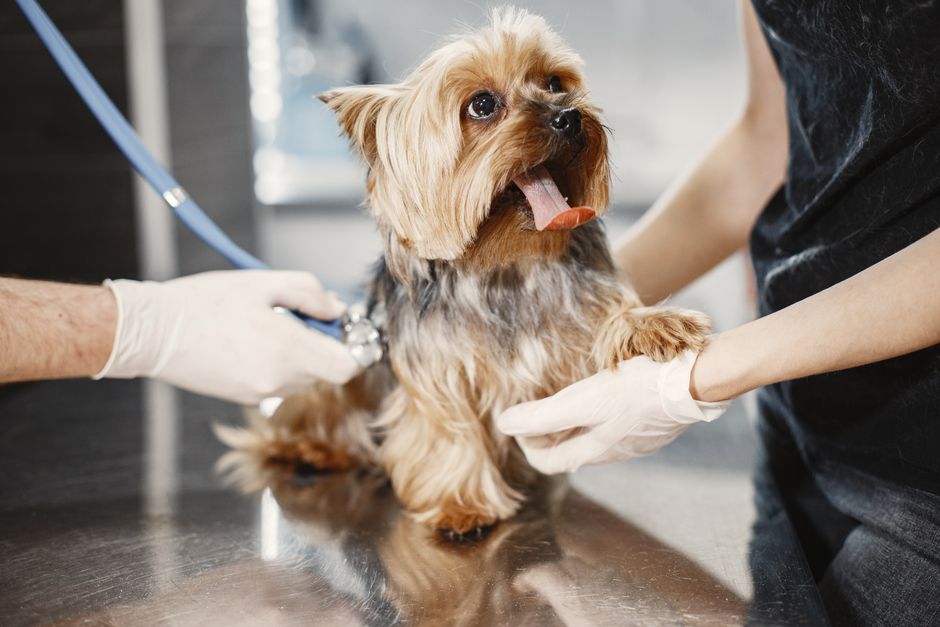
What the vet is actually documenting is that your dog was physically examined and showed no signs of screwworm infestation. Cochliomyia hominivorax larvae infest and feed on living tissue. An animal can be in early stages with wounds that look minor, and the larvae are already doing damage underneath. Your vet will be looking at any open wounds, skin folds, ears, and areas around the eyes and mouth. Dogs with any unhealed wound are at higher risk, not just for failing the inspection, but for actual infestation if they’re exposed to the fly in affected areas.
This is not the time to squeeze in a quick telemedicine check. The physical exam has to happen in person, and you’ll want to call your vet’s office as early as possible. Appointment slots are tightening up right now because the August 3 deadline caught a lot of people mid-planning.
The Return Trip Is a Separate Problem
Helpful resource: Rayco First Aid Kit for Dogs and Cats is a top-rated option for this. (As an Amazon Associate this site earns from qualifying purchases.)
What most people don’t realize is that this isn’t just a one-way paperwork issue. Dogs returning to the U.S. from Mexico need a screwworm-freedom certification completed by an authorized veterinarian in Mexico, also within five days of your return travel date. So you need to identify a vet in Mexico who can complete this before you head home, according to both AVMA and Dogster’s July 2026 reporting on the requirement.
If you’re visiting a resort town or a major city, this is probably manageable. If you’re doing a remote camping trip in Baja or the Yucatán backcountry, “find a local vet in the last few days of your trip” is a real logistical challenge. I’d strongly recommend calling ahead to veterinary clinics near your destination before you leave the U.S. and confirming they’re familiar with the new requirement and can issue the certificate. Don’t assume every clinic will know exactly what document Mexico and USDA are looking for right now.
If You’re Traveling With a Pet Bird
The situation for birds is slightly different. Pet birds were already required to carry an APHIS-endorsed health certificate for travel into Mexico. Now, they need a screwworm inspection addendum added to that existing certificate, effective the same August 3, 2026 date. The practical takeaway: if you already have a health certificate for your bird that doesn’t include the screwworm addendum, it’s not sufficient anymore. You need an updated certificate from a USDA-accredited vet. Same five-day window applies.
Side-by-Side: What Each Pet Now Needs
The different requirements across species are genuinely confusing, so here’s a clean comparison based on the current August 2026 rules:
| Pet Type | Existing USDA/APHIS Health Certificate | New Screwworm Certificate (Outbound) | Screwworm Cert for U.S. Return |
|---|---|---|---|
| Dog | Required (as before) | Yes, within 5 days of entry | Yes, from Mexican vet within 5 days |
| Cat | Required (as before) | NOT required | Not required |
| Pet Bird | APHIS-endorsed cert required | Screwworm addendum to existing cert | Not specified in current guidance |
The cat exemption is real. I’ve already had clients ask me twice whether their cat needs a certificate “just in case.” It doesn’t. Don’t pay for one.
Timing Your Vet Visit Right
Five days sounds like a reasonable window until you factor in weekend travel and the realities of getting a vet appointment in August. If you’re crossing on a Saturday morning, your certificate needs to be signed no earlier than the Monday before. Many clinics can do same-day or next-day appointments for travel certificates, but right now, with the new requirement barely three weeks old, call early. Some USDA-accredited vets are booking out further than usual. The Kruiz pet travel resource updated in August 2026 specifically flags this timing crunch as the most common mistake people are making right now.
If your regular vet isn’t USDA-accredited, the USDA APHIS website has an accredited vet search tool. You don’t have to use your usual clinic, you just need someone on that list.
The screwworm situation is genuinely serious. Fifteen confirmed cases across Texas and New Mexico in under two weeks is not a minor blip, and the fly’s ability to infest living tissue in apparently healthy animals is why both countries are treating this as an urgent biosecurity issue. I’ve seen what myiasis does to an animal, and it’s not something you want your dog to come home with, certificate or no certificate. The paperwork requirement exists for a real reason. Get the appointment on the calendar today, double-check your return-trip vet situation before you leave, and have a great trip.
Sources
- AVMA News – New screwworm travel requirements for dogs and birds to Mexico (August 2026)
- Universal Weather – Mexico adds new screwworm requirements for dogs and pet birds from the U.S. (August 2026)
- Dogster – Don’t Let the Flesh-Eating Screwworm Fly Screw Up Your Trip to Mexico (July 7, 2026)
- AAHA – 15 total New World screwworm cases in TX and NM; USDA reverses course on pet dog travel to Mexico (June 2026)
- Click2Houston – What pet owners need to know about traveling to Mexico amid screwworm threat (June 12, 2026)
- Kruiz – Updated Mexico Pet Export Requirements for 2026 Explained (August 2026)
Photo: JUAN FIGUEROA via Pexels
This article is for general informational purposes only and does not constitute veterinary advice. Pet health symptoms can have many causes and require professional evaluation. Always consult a licensed veterinarian for diagnosis and treatment specific to your pet.
Recommended Resources
Disclosure: As an Amazon Associate, we earn a small commission from qualifying purchases at no extra cost to you. We only recommend products that genuinely support the topics covered in this article.
- EVERLIT 95-Piece Vet-Approved Pet First Aid Kit (~$32), Vet-approved 95-piece kit for dogs and cats, covers cuts, burns, sprains, and emergencies until you can reach a vet.
- Nutramax Cosequin DS Joint Supplement for Dogs (132ct) (~$36), The #1 veterinarian-recommended joint supplement brand, clinically studied for reducing joint pain in dogs.